Can Dogs Eat Honeydew? Flesh, Rind, Seeds, and Storage
Dogs can eat a few small pieces of ripe honeydew flesh after every seed and all rind are removed. Keep the portion modest because the fruit contains sugar and fiber, and cut it for the individual dog rather than handing over a wedge because honeydew is an optional treat, not hydration, vitamin, or recovery therapy.
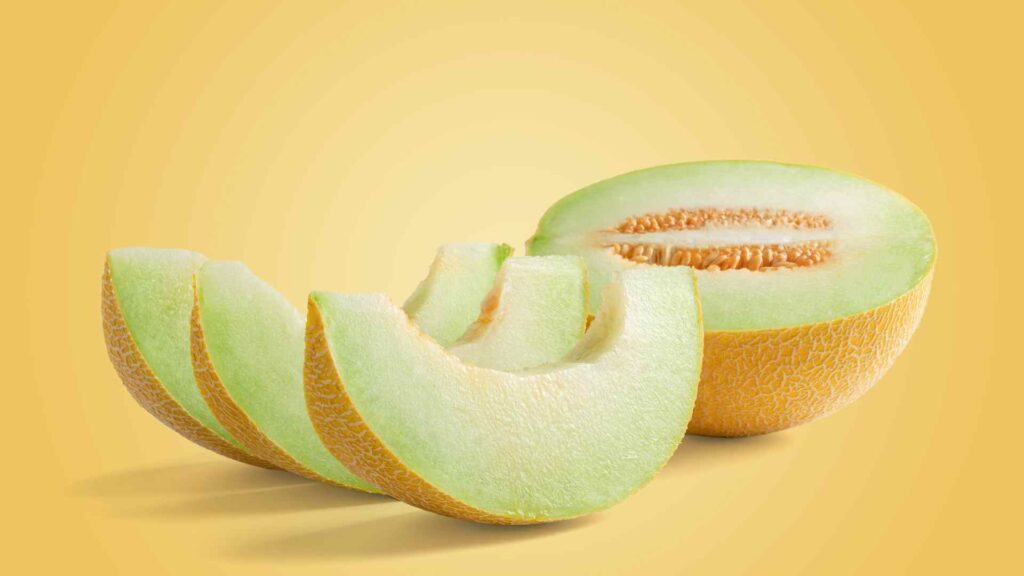
The simple serving is all flesh, no rind
Choose a ripe, fresh melon without cracks, mold, leaking areas, or a fermented smell. Wash the outside before cutting, even though the dog will not eat the peel.
Cut the melon open with a clean knife, remove the entire seed cavity, slice away every strip of rind, and cut the flesh into small pieces. A dog should not have to tear fruit from a curved rind.
Offer one or two pieces the first time and watch for gas, loose stool, vomiting, or discomfort. Tolerance to a tiny taste does not turn half a melon into a reasonable serving.
The broader melon guide compares common melons and repeats the preparation rule that matters most: plain flesh only, in pieces the dog can manage.
Honeydew flesh is not toxic, but sugar still counts
Ripe honeydew flesh is not considered poisonous to dogs. Its practical limitations are sugar, calories, fiber, texture, and the way it is served.
One cube does not cause diabetes or obesity. Repeated generous servings can add meaningful calories and make a complete meal less balanced when the dog fills up on fruit.
Dogs with diabetes, obesity, chronic digestive disease, or a calorie-controlled plan need the treating team to decide whether honeydew fits. “It is fruit” is not an exemption from a measured diet.
The UC Davis veterinary treat guide recommends that at least 90 percent of calories come from complete and balanced food. Honeydew shares the remainder with every chew, topper, and table scrap.
Rind creates a chewing and obstruction problem
Honeydew rind is tough, fibrous, and poorly suited to canine digestion. A strip can lodge in the throat, form a bulky stomach mass, or contribute to intestinal obstruction.
Large dogs are not automatically safe because enthusiastic gulpers can swallow longer strips. Puppies, small dogs, seniors with dental disease, and dogs with a history of foreign-body eating deserve especially careful prevention.
Gagging, repeated swallowing, drooling, regurgitation, coughing, or breathing trouble after a rind theft can signal a lodged piece. Breathing difficulty is an emergency.
Later signs of obstruction may include repeated vomiting, appetite loss, abdominal pain, a swollen belly, marked lethargy, or inability to keep water down. Do not feed bread, pumpkin, oil, or more fruit to push rind through.
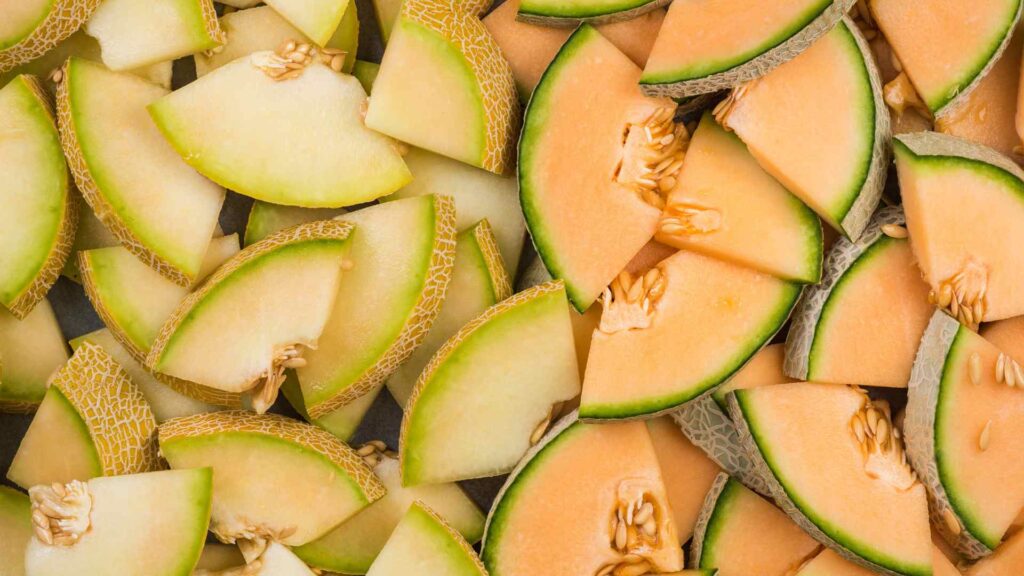
Seeds are unnecessary, and clusters can be messy
Honeydew seeds are not the same famous toxin concern as grape or stone-fruit hazards, but there is no benefit to serving them. The slippery seed mass and stringy center can be swallowed in a clump.
A few stray seeds are unlikely to poison a healthy dog, while a whole seed cavity may cause gastrointestinal upset or contribute to choking in a small dog. Scoop thoroughly instead of trying to calculate a seed allowance.
Seed-heavy compost can also contain mold, fermentation, coffee grounds, onions, or other hazards. Secure scraps rather than letting the dog clean the cutting board or compost pail.
If a seed cluster was swallowed with rind or plastic wrap, inventory each material separately. Packaging and rind usually deserve more attention than a couple of loose seeds.
Cut fruit needs food-safety care
Melon rind can carry bacteria that transfer to the flesh during cutting. The FDA produce-safety guide advises scrubbing firm produce such as melons under running water and keeping pre-cut produce refrigerated.
Do not wash honeydew with soap, detergent, bleach, or household disinfectant. Use clean hands, a clean produce brush, a clean cutting board, and a clean knife.
The CDC food-safety guidance lists cut melon among foods more likely to contain harmful germs and advises refrigerating cut fruit promptly. A fruit bowl left warm through a long picnic should not become a dog treat.
Discard slimy, moldy, leaking, fizzy, fermented, or recalled melon in a secure bin. A normal smell cannot guarantee that cut fruit is free of harmful bacteria.
Honeydew is not hydration treatment
Honeydew contains water, but chewing sweet fruit is not equivalent to unrestricted access to fresh water. It should not be used to treat heat illness, vomiting, diarrhea, kidney disease, or suspected dehydration.
A dog that is weak, collapsing, repeatedly vomiting, breathing abnormally, or unable to drink needs assessment. Forcing melon or liquid into a poorly responsive dog can cause aspiration.
After exercise, offer ordinary water and a cool resting place. If heat-related signs do not settle quickly or the dog seems confused, weak, or excessively panting, seek veterinary care.
Claims about potassium, vitamin C, antioxidants, or electrolytes do not create a therapeutic dose. Complete food and veterinary treatment are safer ways to handle nutrition and illness.
Honeydew versus cantaloupe and watermelon
Honeydew has pale green flesh and a smooth rind, while cantaloupe and watermelon differ in rind, seed pattern, flavor, and typical piece size. All still require thoughtful washing, trimming, and portioning.
The cantaloupe guide covers netted rind and seed-cavity issues. The watermelon guide handles thick rind and seed distinctions.
Do not copy a melon-ball portion across dogs because melon balls themselves can be choking-prone for a small or fast-eating dog. Cut the shape down rather than relying on a decorative scoop.
A mixed melon tray can be shared only after checking every fruit and removing toothpicks, skewers, rind, and seeds. The honeydew pieces do not make the rest of the platter safe.
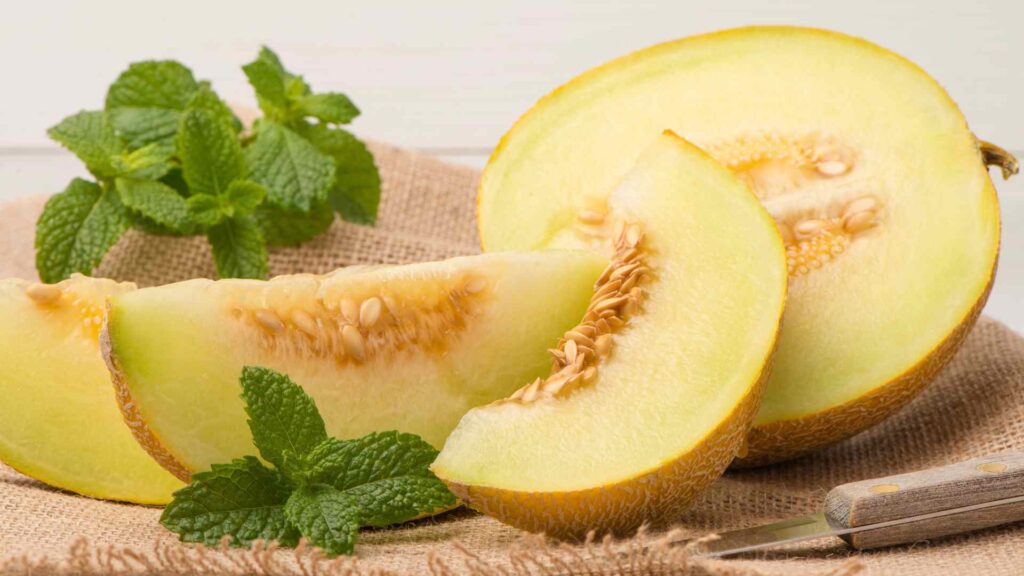
Mixed fruit can hide a kidney emergency
Fruit salad may contain grapes or raisins, which are not a portion question for dogs because even apparently small exposures can be associated with acute kidney injury. Remove access and call promptly if grapes were present or missing.
Use the grape guide for urgent next steps. Do not sort out the visible grapes and assume the remaining salad is safe after a raid.
Mixed fruit can also contain cherries with pits, citrus peel, plum stones, kiwi skin, berries, syrup, alcohol, chocolate, macadamia nuts, or xylitol-sweetened dressing. Inventory the complete bowl and utensils.
Skewers and cocktail picks create puncture and obstruction hazards. Count them before focusing on fruit sugar or vitamins.
Frozen, dried, canned, and flavored honeydew
Small thawed or fresh pieces are easier on teeth than hard frozen cubes. A large frozen melon ball can crack a tooth or be swallowed whole, so it is not an ideal hot-weather enrichment toy.
Dried honeydew concentrates sugar and calories, becomes chewy, and may include sweetener or preservatives. It is easier to overfeed than fresh flesh and can arrive in a mixed dried-fruit bag with raisins.
Canned melon, fruit cups, boba toppings, and cocktail fruit may be packed in syrup, juice, alcohol, or sweetener. Sugar-free products require a xylitol check every time.
Honeydew candy, drink mix, yogurt, ice cream, and flavored beverages may contain little real fruit but plenty of sugar, fat, dairy, caffeine, or additives. Judge the ingredient list, not the picture of a melon.
Peels, bags, and storage containers
Plastic wrap, produce stickers, foam trays, toothpicks, bag clips, and container lids can disappear during a raid. Count missing packaging separately from rind and flesh.
A swallowed wrapper or rigid lid can obstruct, while a dog with its head in a food bag can suffocate. Empty melon packaging belongs in a lidded bin immediately.
Do not induce vomiting after sharp or bulky packaging unless a veterinary professional directs it for that exact object. Repeated vomiting, regurgitation, appetite loss, abdominal pain, or marked lethargy after packaging ingestion needs prompt care.
Store cut melon in a clean covered container so the dog cannot open it. A refrigerator shelf is safer than a loosely covered bowl on the counter.
When honeydew does not fit the plan
Dogs on elimination diets should not receive unapproved fruit, yogurt, frozen treats, or mixed-fruit toppers. Even plain honeydew can complicate a controlled food trial when it is not listed in the plan.
A dog with swallowing disease, poor chewing, dental pain, or a history of inhaling food needs texture advice rather than a generic fruit cube. Mashed fruit can still be inappropriate if swallowing is unsafe.
Puppies need nearly all calories from complete growth food, while seniors may have diabetes, kidney disease, or dental problems that change the choice. Safe for many dogs is not the same as suitable for this dog.
If fruit is being used to hide medicine, confirm that the drug may be given with food and use the smallest compatible bite. A measured commercial pill treat or approved usual food may be simpler.
What to do after a honeydew raid
After a few plain flesh pieces, remove access, provide normal water, and monitor for gas, vomiting, diarrhea, or discomfort. Skip more fruit and rich treats that day.
After rind, a seed cluster, a large serving, spoiled cut fruit, mixed fruit, a sweetened product, or missing packaging, save the label and call with dog weight, amount, time, symptoms, and everything missing.
Seek urgent care for choking, breathing trouble, repeated vomiting, severe abdominal pain, collapse, marked weakness, a swollen belly, or inability to keep water down. Grape, xylitol, alcohol, or sharp-skewer exposure warrants prompt advice before symptoms.
Do not induce vomiting or give peroxide, salt, oil, milk, charcoal, or human medicine unless directed for the exact exposure.
The bottom line
A few small pieces of washed, ripe honeydew flesh can be an occasional treat after the rind and seed cavity are removed. Sugar, calories, fiber, and choking-prone shapes keep portions modest.
Rind, spoiled cut fruit, mixed-fruit hazards, sweetened products, skewers, and packaging change the response. Honeydew is food for a tiny taste, not hydration or vitamin therapy.