Can Dogs Eat Chickpeas? Cooked Beans, Cans, Hummus, and Gas
Most healthy adult dogs can eat a few fully cooked, soft, plain chickpeas, but dry or undercooked beans, salty canned liquid, and seasoned recipes are poor choices. Hummus is not plain chickpea because it commonly contains garlic, tahini, lemon, oil, and salt, and chickpeas do not need to serve as a protein or fiber treatment.
The version that keeps the answer simple
- Cook dried chickpeas until fully tender, or use plain canned chickpeas.
- Drain and rinse canned beans to remove packing liquid and some surface sodium.
- Mash or cut chickpeas for a tiny dog or fast gulper.
- Add no salt, oil, butter, broth, onion, garlic, spice, or sauce.
- Begin with a few beans and keep them within the full treat allowance.
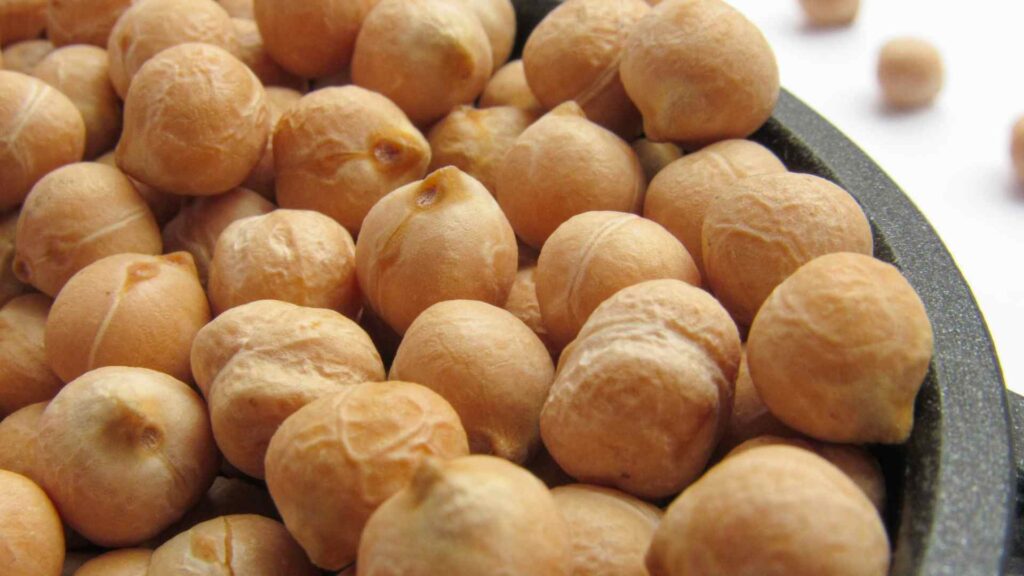
Chickpeas are also called garbanzo beans, so either name on a label can refer to the same legume. The preparation and recipe matter more than which common name appears on the can.
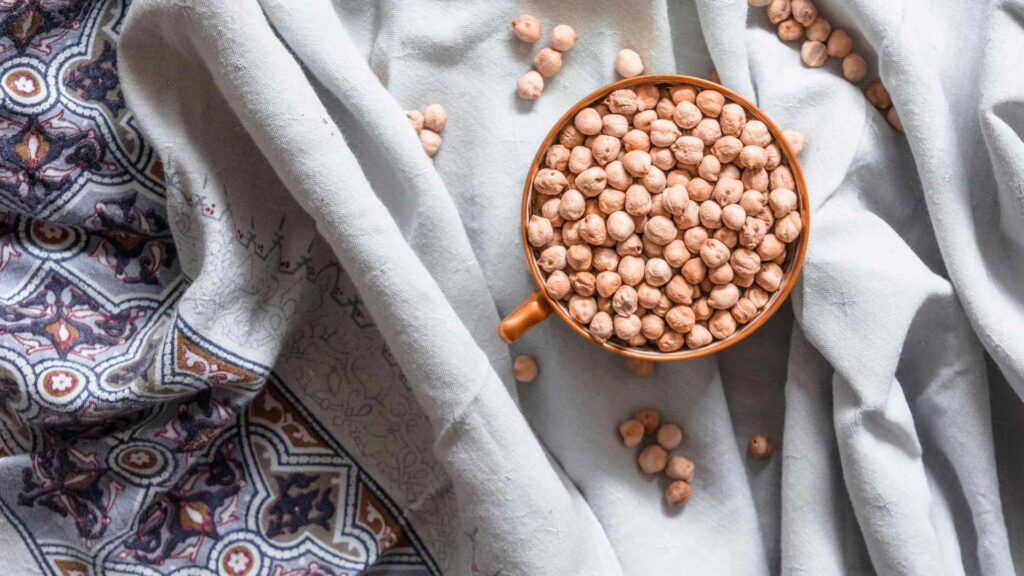
Cook dry chickpeas completely
Dry chickpeas are very hard and expand during soaking and cooking. They are difficult to chew, can be gulped, and are much less digestible than beans cooked until soft.
Follow the package directions for sorting, soaking if required, discarding soaking water, and cooking. Do not offer soaking beans, crunchy undercooked centers, or handfuls of dry chickpeas as a chew.
A few accidentally swallowed dry beans are not automatically a poisoning event, but amount and dog size matter. Call if a small dog ate many, packaging is missing, choking occurs, or vomiting, pain, bloating, appetite loss, or reduced stool develops.
Do not try to make dry beans swell safely inside the dog by forcing water or food. A veterinarian should assess significant ingestion and symptoms.
Plain canned chickpeas need a label check
Canned chickpeas are already cooked, but the liquid may contain salt, calcium chloride, preservatives, or other additives. Choose no-salt-added or low-sodium products when possible, then drain and rinse.
The FDA nutrition discussion specifically mentions rinsing sodium-containing canned foods such as beans as one way people can reduce sodium. Rinsing does not make a heavily seasoned product plain or guarantee suitability for a medically restricted dog.
Dogs with heart, kidney, urinary, or blood-pressure concerns may have precise sodium instructions. Ask the managing veterinarian before adding canned food, even after rinsing.
A dented, bulging, leaking, spurting, badly rusted, or foul-smelling can should be discarded safely. Do not let a dog eat suspect contents or lick a sharp lid.
Gas and loose stool are plausible
Chickpeas contain fermentable carbohydrates and fiber, and a sudden serving can produce gas, bloating, loose stool, or abdominal discomfort. That is a reason to begin with a few, not proof that legumes are inherently toxic.
Individual tolerance differs, and a dog with chronic gastrointestinal disease may react to an amount another dog ignores. Stop after symptoms instead of adding more fiber to fix them.
A tight swollen abdomen, repeated unproductive retching, severe pain, weakness, collapse, or breathing trouble is an emergency. Do not assume every bloated dog merely has bean gas.
Hummus changes nearly every variable
Traditional hummus usually blends chickpeas with tahini, lemon, garlic, oil, and salt. Commercial flavors may add onion, chile, roasted pepper, olives, chocolate, herbs, preservatives, or additional oils.
The Merck Veterinary Manual Allium toxicosis review explains that garlic and onion can damage red blood cells and that signs may be delayed. Blending or cooking does not remove the relevant compounds.
Our garlic guide covers what to record after a garlic-containing food disappears. Our sesame guide explains why tahini adds concentrated fat and calories.
One tiny lick of ordinary hummus is not guaranteed to make a large healthy dog ill, but a missing tub deserves the ingredient list and amount. Save the container and check whether the plastic seal or lid was swallowed.
Lemon and tahini are not harmless decorations
Lemon juice contributes acidity that can irritate a sensitive stomach, while tahini and oil increase fat and calories. Neither ingredient cancels garlic or salt.
Dogs with pancreatitis history, high triglycerides, obesity, or prescribed fat restriction should not receive rich dips. Repeated vomiting, appetite loss, marked lethargy, abdominal pain, or dehydration after a tub raid warrants a call.
Roasted chickpeas are a crunchy snack product
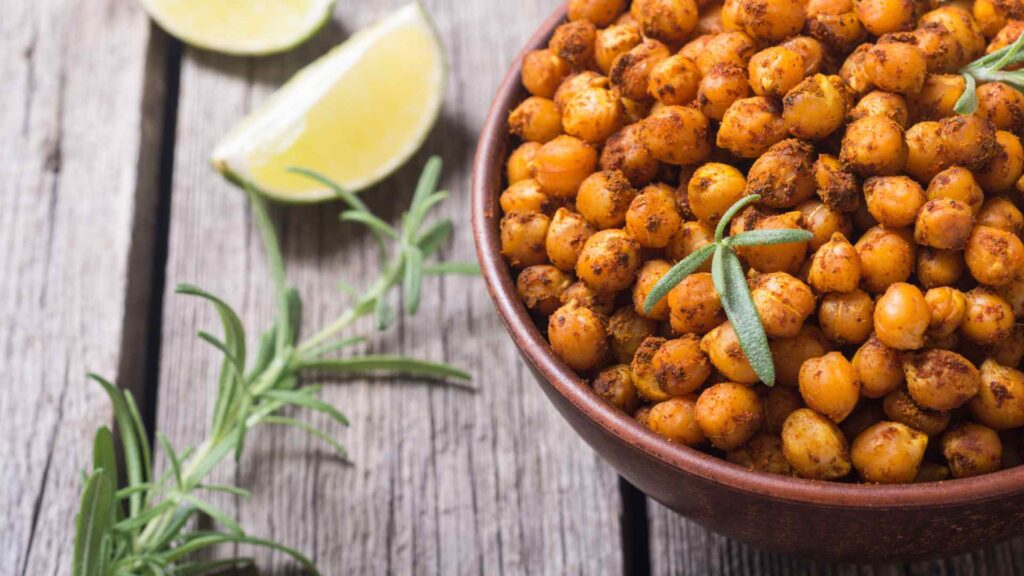
Roasted chickpeas may be hard enough to choke a small dog or damage a compromised tooth. They are commonly coated with salt, oil, garlic, onion, chile, cheese flavor, sugar, or spice.
A single plain roasted bean is a different exposure from an entire seasoned bag. Count missing food and packaging and save the label.
Do not use crunchy chickpeas as dental cleaners. They do not replace brushing, veterinary dental care, or a product accepted by the Veterinary Oral Health Council.
Falafel and chickpea flour
Falafel is usually seasoned with garlic, onion, herbs, salt, and spices, then fried or baked. Oil, sauce, pita, pickles, and skewers can join the exposure.
Chickpea flour is finely ground dry legume and should not be fed by the spoonful. Cook it within a thoroughly cooked plain recipe and remember that flour dust can irritate the airway.
Gluten-free does not mean dog-safe or nutritionally complete. Chickpea pasta, chips, and baked goods may add salt, oil, gums, cheese, onion, garlic, or other legumes.
Chickpeas are not a protein upgrade
Chickpeas contain plant protein, carbohydrate, fiber, and micronutrients, but a treat serving cannot replace balanced animal nutrition or correct low blood protein. Adding beans to complete food can simply add calories and dilute its planned proportions.
The UC Davis veterinary treat guideline recommends that all extras remain below 10 percent of daily calories. At least 90 percent should come from complete and balanced food.
A homemade diet needs professional formulation rather than a scoop of chickpeas for protein insurance. Puppies, pregnant dogs, and dogs with disease have especially little room for nutritional guesswork.
Our lima-bean guide shows why one legume cannot stand in for another. Lima beans have their own raw-versus-cooked preparation issues, so use the article that matches the food actually eaten.
Chickpeas do not treat constipation or diarrhea
Fiber can affect stool, but constipation, diarrhea, straining, and gas have many causes. A random bean dose can worsen symptoms, obscure the history, or delay care for obstruction, infection, pancreatitis, or another disease.
Persistent vomiting or diarrhea, blood, pain, appetite loss, weakness, dehydration, or abdominal swelling requires veterinary advice. Do not keep increasing chickpeas until stool changes.
Legumes and diet-associated heart disease
Questions about pulse-heavy dog foods and dilated cardiomyopathy concern complete-diet formulation and complex evidence, not a few plain chickpeas used as a treat. It is not accurate to claim one bean causes heart disease or that chickpeas protect the heart.
The FDA questions and answers on non-hereditary canine dilated cardiomyopathy says the issue is multifactorial and that causation has not been established between reported diets and DCM. Discuss the full commercial or homemade diet with the veterinarian instead of removing one ingredient in isolation.
Food allergy and elimination diets
A dog can react to a food protein, but itching after hummus does not prove chickpea allergy because sesame, garlic, dairy, meat, environment, parasites, and infection may be involved. Diagnosis requires controlled feeding.
The Merck Veterinary Manual food-allergy review describes a strict elimination diet and rechallenge as the reference method. No chickpeas belong in an elimination trial unless the supervising veterinarian includes them.
Facial swelling, widespread hives, breathing trouble, weakness, or collapse is an emergency. Milder recurring skin, ear, or digestive signs need a planned workup.
What to do after a chickpea raid
- Identify dry, soaked, undercooked, plain cooked, canned, roasted, hummus, falafel, flour, pasta, or snack product.
- Record the amount, time, dog weight, symptoms, conditions, and medications.
- Save labels and recipes for salt, garlic, onion, tahini, oil, chile, sweeteners, and other legumes.
- Check for missing cans, lids, pull tabs, tubs, seals, bags, clips, skewers, and wrappers.
- Call promptly for a large dry-bean exposure, hummus with Alliums, unsafe co-ingredients, packaging, or significant symptoms.
A healthy adult dog that eats a few soft plain chickpeas and remains comfortable can usually be monitored. Keep water available and return to the normal complete diet.
Do not induce vomiting or give oil, milk, antacid, charcoal, or human gas medicine unless a veterinary professional directs it. Product form and symptoms determine the safe response.
Frequently asked questions
Can dogs eat canned chickpeas?
Yes, if they are plain, fully cooked, drained, rinsed, and served in a small amount. Check sodium and additives and follow medical-diet restrictions.
Can dogs eat hummus?
Do not offer it because hummus commonly contains garlic, salt, oil, lemon, and tahini. Check the exact label after an accidental lick or larger raid.
Can dogs eat dry chickpeas?
Do not feed them dry or undercooked. Their hardness, expansion, and poor digestibility make fully cooked soft beans the safer form.
Are chickpeas good for constipation?
They are not a treatment. Persistent straining, pain, vomiting, appetite loss, or a possible obstruction needs veterinary assessment.
The bottom line
A few soft, fully cooked, plain chickpeas can be an occasional extra for many healthy adult dogs. Drain and rinse canned beans, start small, and let complete food provide the nutrition.
Dry beans, undercooked centers, salty liquid, hummus, falafel, crunchy snacks, flour products, rich dips, and packaging change the answer. The recipe matters more than the friendly little bean.