Can Dogs Eat Cumin? Spice, Blends, and Concentrates
A tiny culinary pinch of plain cumin in food is unlikely to poison most dogs, but cumin offers no reason to season a dog’s meal. Larger amounts can irritate the stomach, powder can bother eyes and airways, and spice blends, supplements, extracts, and essential oils require their own ingredient-specific assessment.
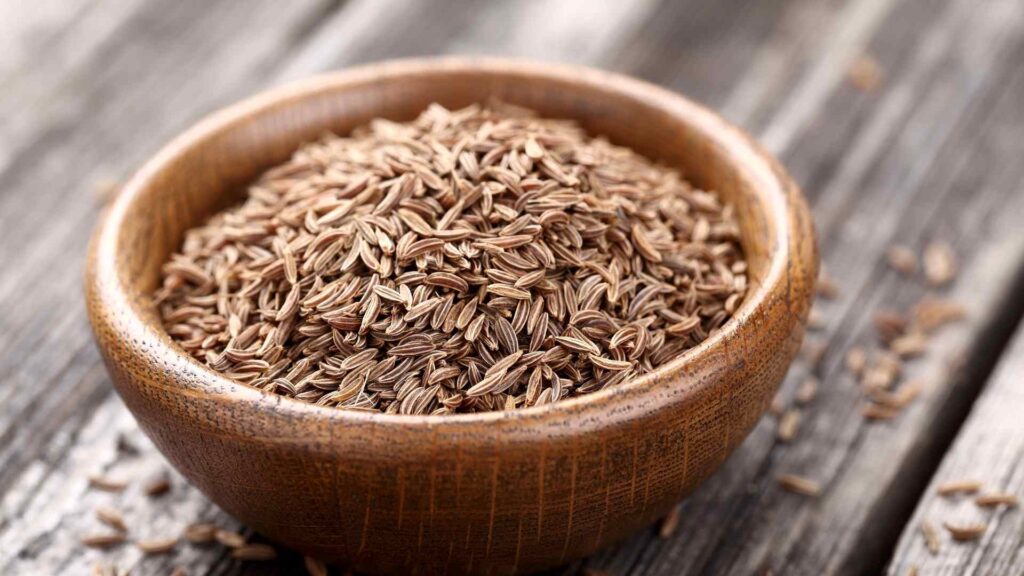
Cumin is not one single exposure
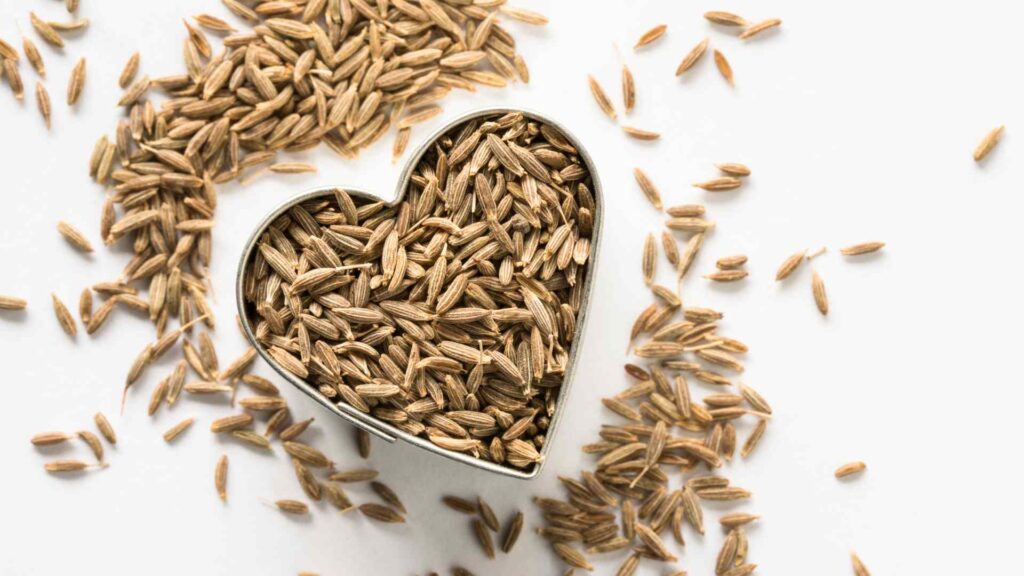
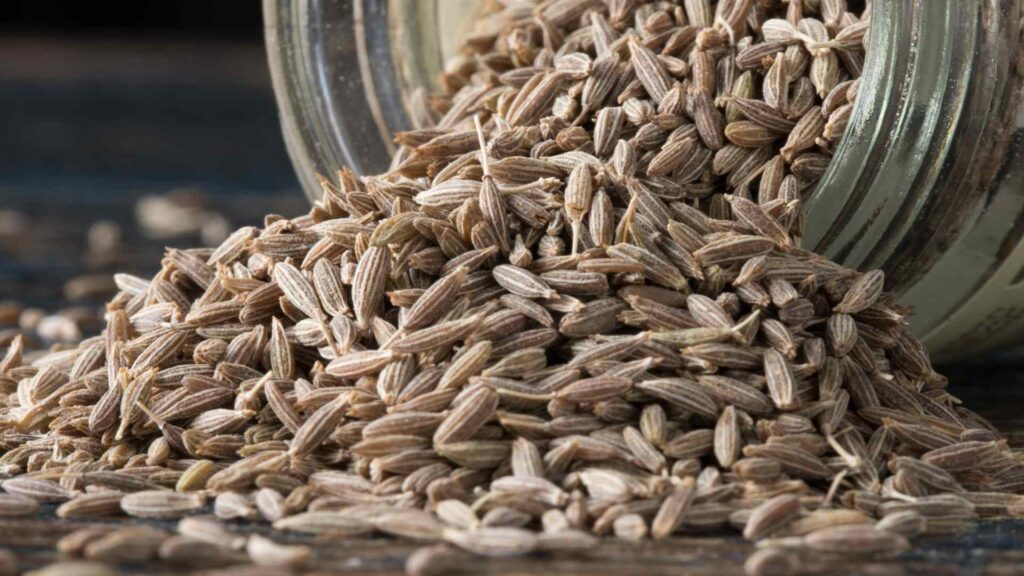
Culinary cumin comes as whole dried seeds or ground powder from Cuminum cyminum. Concentrated essential oil, liquid extract, capsules, tinctures, gummies, curry blends, taco seasoning, chili powder, and prepared dishes are chemically and practically different products.
A few specks on dropped rice are not equivalent to chewing a supplement bottle or inhaling a burst of powder. Amount, concentration, route, dog’s size, symptoms, co-ingredients, and missing packaging determine the response.
Do not confuse common cumin with black cumin or black seed, usually Nigella sativa, or with caraway, sometimes called Persian cumin. The names can overlap in marketing, so preserve the exact Latin name and full label when possible.
What plain culinary cumin may do
Food-level cumin is pungent and unfamiliar to many dogs. A larger mouthful may cause drooling, lip licking, nausea, vomiting, diarrhea, gas, reduced appetite, or abdominal discomfort without proving a specific poison syndrome.
Whole seeds can scatter and stick around the gums, while a heap of powder can dry or irritate the mouth and nose. Small dogs receive more spice per pound from the same spoonful than large dogs.
One mild loose stool after a tiny simple exposure may resolve, but repeated vomiting, blood, severe pain, marked lethargy, collapse, or inability to keep water down needs veterinary advice. Do not keep feeding food to test whether the stomach has recovered.
Powder around the eyes and airway
A knocked jar can create a dust cloud that reaches the nose, throat, and eyes. Sneezing, coughing, watery eyes, squinting, gagging, or pawing at the face may follow direct contact.
Research on occupational spice dust is human evidence, not a canine dose study, but it supports the basic point that airborne spice particles can irritate and sensitize exposed tissues. A peer-reviewed review indexed by PubMed describes respiratory, skin, and allergy hazards from substantial spice-dust exposure.
Move the dog into clean air without creating another dust cloud. Do not blow powder from the face, and do not spray water forcefully into the nose or mouth.
For eye contact, prevent rubbing and call a clinic for rinsing instructions. Persistent squinting, redness, cloudiness, discharge, or inability to open the eye needs prompt examination because a corneal injury cannot be judged from across the room.
Allergy is possible but should not be assumed
Dogs can develop food or contact reactions, but every vomit after a spicy dish is not an allergy. Irritation, fat, salt, another ingredient, or simple dietary indiscretion may be more likely explanations.
True cumin allergy has been reported in people, including a published cumin anaphylaxis case, but that human report cannot establish a frequency or safe dose for dogs. It simply supports treating facial swelling or breathing difficulty as urgent rather than impossible.
Seek emergency care for facial swelling, widespread hives, difficulty breathing, collapse, or rapidly worsening weakness. Dogs with known food allergies or a veterinary elimination diet should receive no unapproved spice exposure.
Essential oil and extracts are different
Cumin essential oil is a concentrated volatile product, not ground seed in a tiny package. Concentration, purity, carrier ingredients, and intended use vary, so a culinary serving comparison is misleading.
The Merck Veterinary Manual’s essential-oil review states that higher concentration increases risk and that oils can be absorbed through the digestive tract, skin, lungs, and mucous membranes. It lists drooling, vomiting, lethargy, wobbliness, appetite loss, tremors, and respiratory signs among possible effects across essential-oil exposures.
Do not apply cumin oil to a dog’s coat, paws, gums, ears, collar, bedding, or diffuser as a digestive, flea, breath, or calming remedy. If concentrated oil is swallowed, spilled on fur, or inhaled with symptoms, call promptly and do not induce vomiting.
Supplements can contain standardized extracts, other botanicals, alcohol, oil, sweeteners, minerals, or drugs. Give the veterinary professional the front and back labels, strength per unit, amount missing, and lot information.
Spice blends are the bigger kitchen trap
Curry powder, garam masala, taco seasoning, chili powder, barbecue rub, fajita seasoning, and ras el hanout may include cumin, but the rest of the label drives much of the risk. Garlic, onion, chives, salt, chile, cocoa, nutmeg, mustard, and sugar substitutes require separate attention.
Garlic and onion-family ingredients can damage canine red blood cells, including concentrated powder. The ASPCA people-food guidance warns that Allium foods can cause gastrointestinal irritation and red-blood-cell damage.
Use our garlic guide for an Allium-containing blend and the salt guide after a large seasoning-packet exposure. A ‘mild’ label describes heat for people, not canine safety.
Seasoned ground meat, chili, curry, hummus, sausages, soups, rice, roasted vegetables, and sauces also add fat, bones, dairy, raw dough, alcohol, or packaging. Inventory the entire stolen dish rather than asking only about cumin.
Jars, packets, and desiccants
A dog that raids the spice cabinet may swallow a plastic lid, glass, foil seal, paper sachet, measuring spoon, or moisture-absorbing packet. Sharp fragments and bulky packaging can choke or obstruct.
Do not induce vomiting after possible glass, sharp plastic, concentrated oil, or breathing difficulty. Call with the exact missing material and keep the dog away from the broken area.
Repeated vomiting, drooling, abdominal pain, loss of appetite, lethargy, straining, or reduced stool after a container disappears may indicate a foreign-body problem. That timeline can outlast the first sneeze from powder.
What to do after exposure
- Remove the spice, dish, supplement, oil, and broken packaging, then move the dog away from airborne powder.
- Save labels and record the product name, botanical name, concentration, serving size, amount, time, dog’s weight, and current signs.
- List every blend ingredient and every part of the prepared dish, including Alliums, salt, chile, fat, sweeteners, bones, and wrappers.
- Call a veterinarian or animal poison service for concentrated oil, supplements, large amounts, uncertain labels, symptoms, allergy signs, or missing packaging.
- Seek emergency care for breathing trouble, facial swelling, collapse, seizures, marked wobbliness, severe eye pain, or repeated vomiting.
Do not use hydrogen peroxide, salt, oil, milk, bread, antacids, or antihistamines unless a veterinary professional directs a specific product and dose. Home treatment can create aspiration, toxic effects, or a false sense of safety.
No digestive or metabolic shortcut
Cumin should not be prescribed at home for gas, diarrhea, appetite, immunity, diabetes, inflammation, weight loss, or parasites. Laboratory, livestock, rodent, or human studies do not automatically establish a useful canine treatment.
Concentrated supplements can also interact with medications or complicate liver, kidney, bleeding, pregnancy, or gastrointestinal conditions. Ask the veterinarian who knows the dog before adding any botanical product.
A complete dog food does not need cumin for flavor or nutrients. If appetite has changed enough that seasoning seems necessary, the useful next step is finding the medical or behavioral cause.
Safer meal habits
Set aside a plain dog portion before seasoning family food, using ingredients already approved for that dog. Keep the serving small and count it with every other extra rather than turning leftovers into a second dinner.
For sauce-heavy foods, our hummus guide and barbecue sauce guide show how recipe-specific risk works. Neither product can be judged by cumin alone.
Store ground spices high in a closed cabinet and transfer glass jars carefully. Clean spills with the dog in another room so sweeping or vacuuming does not drive curious noses into the dust.
Check the dog, not only the spice jar
A dog with chronic coughing, airway disease, eye disease, swallowing trouble, or a history of severe food reactions deserves a lower threshold for professional advice after powder exposure. Existing illness can make a seemingly modest irritation harder to assess at home.
Also report every medication and supplement, because a concentrated botanical product may have pharmacologic effects or additional active ingredients. Never stop prescribed medicine or compensate with cumin while waiting for advice.
Frequently asked questions
Is cumin toxic to dogs?
A culinary pinch is not generally treated like a classic canine poison, but larger amounts can irritate and mixed products may contain dangerous ingredients. Concentrated oil and supplements require separate professional assessment.
Can dogs eat cumin-seasoned meat?
Check the entire recipe for onion, garlic, salt, chile, fat, sauces, bones, and packaging. Plain fully cooked unseasoned meat is easier to assess than a spice blend.
Can cumin help a dog digest food?
There is no reason to use cumin as a canine digestive treatment. Persistent gas, vomiting, diarrhea, pain, or appetite loss deserves veterinary evaluation.
What if my dog inhaled cumin powder?
Move the dog to clean air and call if coughing, wheezing, rapid breathing, eye pain, or distress persists. Do not force water into the nose or mouth.
The bottom line
Keep cumin out of the dog’s meal even though a few food-level specks are unlikely to cause systemic poisoning. The important distinctions are amount, powder route, allergy signs, spice-blend ingredients, concentrated oil or supplement, and swallowed packaging.
Read the label, preserve the container, and respond to the actual exposure rather than the spice’s reputation. Breathing difficulty, facial swelling, severe eye signs, repeated vomiting, wobbliness, or collapse needs urgent veterinary help.