Can Dogs Have Canola Oil? Spills, Fat, and Frying Risks
A tiny lick of plain canola oil is unlikely to poison a healthy dog, but pouring it onto food is unnecessary and a large spill can cause vomiting, diarrhea, excessive calories, or pancreatitis in a susceptible dog. Fried-food ingredients, rancid oil, slippery floors, bottles, caps, and forced administration add separate risks.
The useful answer depends on the amount
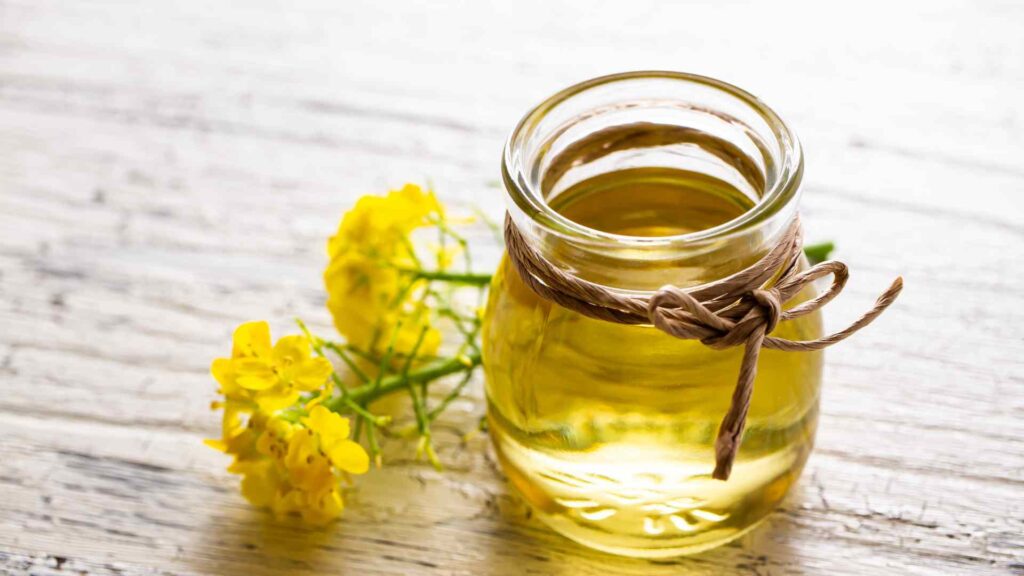
Canola oil is an edible plant oil, not a classic canine poison in normal culinary traces. One drop from a pan is a different exposure from a dog drinking from a fryer container or licking a puddle behind the stove.
Oil is almost entirely fat and therefore highly calorie-dense. A tablespoon that looks modest can represent a large extra for a small dog, and a spill is difficult to measure once it has spread through fur or across the floor.
Record the brand, estimated missing volume, time, dog’s weight, symptoms, medical history, and everything cooked in the oil. Save the bottle and photograph the spill before cleaning if that helps estimate the amount.
What a larger oil exposure can cause
The most likely immediate effects are nausea, lip licking, vomiting, loose or greasy stool, gas, poor appetite, and abdominal discomfort. Repeated vomiting creates dehydration risk and warrants more than a casual wait-and-see plan.
Fatty dietary indiscretion can be associated with pancreatitis in dogs, although one oil lick does not prove the diagnosis. The Merck Veterinary Manual’s pancreatitis review lists vomiting, anorexia, weakness, abdominal pain, dehydration, and diarrhea among common severe signs.
Dogs with previous pancreatitis, high blood triglycerides, obesity, diabetes, or a prescribed low-fat diet deserve a lower threshold for calling. Small breeds can receive far more oil per pound from the same kitchen puddle.
Seek urgent care for repeated vomiting, a painful or swollen abdomen, collapse, marked weakness, inability to keep water down, or a prayer-like posture with the chest low and rear raised. Those signs need an examination rather than a home bland-diet experiment.
Aspiration is about route, not a normal lick
A dog that calmly licks one drop has not automatically inhaled oil. Aspiration becomes relevant when a dog vomits repeatedly, is partially choked, cannot swallow normally, or has liquid forced or syringed into the mouth.
The Merck guide to pneumonia in dogs notes that aspiration can follow persistent vomiting or improperly administered oil and forced food. This is why canola oil should never be poured into a resistant dog as a constipation or hairball remedy.
Coughing, fast or labored breathing, feverishness, blue-gray gums, weakness, or worsening lethargy after vomiting or forced oil needs urgent veterinary evaluation. Respiratory signs should not be dismissed as a bad taste.

Frying oil carries a food inventory
A dog that steals fried food rarely gets canola oil alone. French fries, chicken skin, batter, onion rings, garlic seasoning, salt, bones, skewers, hot sauce, and food wrappers can matter more than the oil’s botanical source.
Hot oil can burn the mouth, skin, and paws, while a knocked pan can cause serious scalding. Cool the environment safely, prevent licking, and contact an emergency clinic for blistering, severe pain, facial burns, or a large hot-oil spill.
Onion and garlic powders in savory coatings can damage canine red blood cells. Our garlic guide explains why seasoning dust deserves a full label check rather than a guess from flavor.
Fried chicken and fish can contain sharp or cooked bones, and greasy foil or paper may disappear with the food. Report missing foreign material separately because choking and obstruction do not follow the same timeline as diarrhea.
Rancid, reused, and infused oil
Oil oxidizes with heat, air, light, and time, eventually developing stale, paint-like, bitter, or unpleasant odors. Rancid oil is not a safe way to avoid food waste and may worsen gastrointestinal upset.
Repeatedly used fryer oil may contain food particles, allergens, salt, spices, and residues from several dishes. The original bottle no longer describes everything in that container.
Garlic-infused, chile-infused, herb-infused, or flavored oils require recipe-specific assessment. Concentrated garlic or onion ingredients add Allium risk, while hot chile can irritate the mouth and gastrointestinal tract.
Discard oil according to local guidance in a sealed container inaccessible to pets. Do not pour a pan into an open backyard bucket or compost area where a dog can reach it.
Bottle and spill hazards
A slippery dog may fall while scrambling for a spill, and family members can fall while trying to catch the dog. Block the area first, move the dog calmly, then use absorbent material and a pet-safe floor-cleaning method.
Oil on fur and paws encourages prolonged licking. Call a veterinarian for cleaning advice if a large area is coated, and prevent chilling or skin irritation while avoiding harsh solvents and essential-oil cleaners.
Plastic caps, pour spouts, tamper rings, glass shards, and chewed bottles can choke or obstruct. The FDA’s dangerous-items guide warns that packaging and household objects can create choking and intestinal-blockage emergencies.
Do not induce vomiting if a cap, sharp plastic, glass, or large volume of oil may be involved. Call with the packaging dimensions, missing pieces, exposure time, and symptoms.

What to do after a canola-oil raid
- Block access to the spill, fryer, trash, food, and broken container before estimating the exposure.
- Save the label and list every fried food, seasoning, bone, skewer, wrapper, cleaner, or infused ingredient involved.
- Record the likely amount, timing, dog’s weight, symptoms, medications, and history of pancreatitis or dietary restriction.
- Call a veterinarian for a large or uncertain amount, repeated vomiting, abdominal pain, respiratory signs, foreign material, burns, or a high-risk dog.
- Seek emergency care for collapse, breathing trouble, blue-gray gums, severe pain, repeated unproductive retching, or inability to keep water down.
Do not give hydrogen peroxide, salt, extra oil, charcoal, antacids, or human pain medicine without veterinary direction. The wrong response can cause aspiration, toxic effects, or delayed treatment.
Can canola oil help constipation?
Do not treat constipation by pouring oil into a dog. Straining can reflect dehydration, pain, an obstruction, prostate disease, neurologic trouble, or another condition that dietary oil will not fix.
A dog that repeatedly strains, cries, vomits, has a tense abdomen, passes blood, or produces no stool needs veterinary assessment. Forced liquid creates an avoidable aspiration risk.
Does canola oil improve skin or joints?
Adding random oil is not an evidence-based treatment for itching, dandruff, arthritis, or inflammation. Veterinary fatty-acid products have specific formulations and dosing, and extra calories can worsen weight-related joint strain.
Ask the clinician to identify the skin or mobility problem and choose a compatible diet or supplement if one is indicated. Do not substitute grocery oil for prescription treatment or a complete therapeutic food.
How oil fits the calorie budget
The UC Davis dog treat guidelines advise that at least 90 percent of calories come from complete and balanced food. Pure oil can consume the remaining allowance quickly without adding a satisfying chew or balanced nutrients.
Dogs do need dietary fat, but a complete dog food already supplies it in a formulated amount. Adding canola oil changes the food’s calorie density and nutrient balance, so routine use belongs under veterinary nutrition guidance.
For another culinary oil comparison, see our sunflower oil guide. Coconut products differ again, as explained in the coconut water and oil guide.
When the oil was mixed with a household product
Do not assume every oily liquid in a reused food bottle is canola oil. Garage fluids, lamp oil, furniture products, pesticides, essential-oil blends, and cleaning concentrates require different toxicology advice and may be dangerous in very small amounts.
If the container was unmarked, photograph where it was stored and ask the person who filled it without sniffing or tasting the liquid. Report color, odor from a safe distance, container, possible products, amount, time, and every route of exposure to the poison service.
Skin or eye contact also deserves product-specific guidance. Prevent licking, avoid solvents or improvised degreasers, and do not delay emergency care for eye pain, breathing changes, burns, neurologic signs, or an unknown chemical exposure.
Frequently asked questions
My dog licked a drop from the floor. Should I panic?
A tiny plain lick in a comfortable healthy dog is generally a monitoring question, not a poisoning crisis. Check what else was in the pan and call if symptoms, medical risks, or uncertainty are present.
Can dogs eat food cooked in canola oil?
A lightly oiled plain food may provide only a trace, but fried and seasoned foods can deliver much more fat, salt, Alliums, bones, and packaging. Evaluate the complete dish.
Should I make my dog vomit after drinking oil?
No, not unless a veterinary professional who knows the case explicitly directs it. Oil and vomiting can increase aspiration risk, and packaging may make emesis unsafe.
The bottom line
Canola oil is not a routine canine toxin, but it is concentrated fat rather than a useful dog supplement. Treat a tiny lick proportionately, call about a meaningful spill or high-risk dog, and escalate vomiting, abdominal pain, breathing changes, burns, or swallowed packaging.
Store bottles behind a closed door, secure used oil and fryer waste, and skip skin, joint, constipation, and weight-control claims. A balanced diet and veterinary diagnosis are more helpful than a glossy spoonful.