Can Dogs Have Lemon Juice? Juice, Oils, and First Aid
A tiny lick of plain lemon juice is usually irritating rather than poisonous, but dogs do not need lemon juice in food, water, or home remedies. Concentrate, peel oil, cleaners, lemonade, xylitol, alcohol, marinades, eye exposure, and skin exposure require separate decisions.
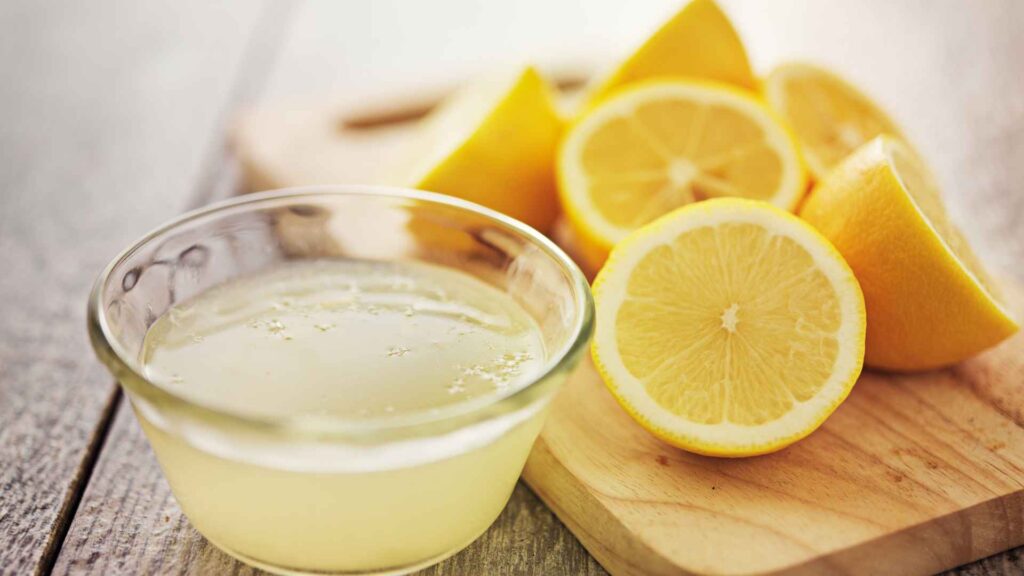
The practical answer
If a healthy dog licked one drop from a plate and is acting normal, remove it, offer normal fresh water, and observe. Do not add lemon to the water bowl, because that can discourage drinking and makes the amount harder to track.
Call after a large or unknown amount, concentrated juice, essential oil, cleaner, sweetened beverage, alcohol, repeated vomiting, breathing trouble, neurologic signs, eye pain, significant skin irritation, or missing packaging. Bring the exact product.
Juice, fruit, peel, and oil are different
Fresh juice is mostly water and acids, while peel and plant material contain essential oils and psoralens. Cold-pressed lemon oil, fragrance oil, and cleaning concentrate can be far more concentrated than a culinary squeeze.
The ASPCA lemon entry identifies essential oils and psoralens as toxic principles and notes that the fruit is edible while skins and plant material can cause problems. Product and plant part matter.
Why juice can upset the stomach
Lemon juice is strongly acidic and can cause drooling, lip licking, nausea, vomiting, abdominal discomfort, or diarrhea, especially in a large amount or on an empty stomach. Sensitivity varies, so there is no useful universal drop count.
Repeated vomiting, blood, severe pain, weakness, inability to keep water down, or signs lasting beyond a brief mild episode deserve veterinary assessment. Do not assume every symptom is simply “detoxing” or a normal citrus response.
Concentrate and powdered lemon products
Bottled concentrate may include preservatives and produces more acidity in a small volume than a light splash in food. Powdered drink mixes can add sweeteners, caffeine, electrolytes, vitamins, or other active ingredients.
Read the complete label and report dilution instructions plus the actual amount swallowed. A mouthful of prepared drink and a mouthful of concentrate are not comparable exposures.
Lemonade and flavored water
Lemonade usually adds sugar, and sugar-free versions may use xylitol or another sweetener. The FDA says possible xylitol exposure requires immediate veterinary contact, even before symptoms appear.
Xylitol can be listed as birch sugar or wood sugar. Keep the bottle or powdered packet, because “zero sugar” does not identify which substitute was used.
Our sugar guide separates ordinary sugar from xylitol, and our lime guide covers a closely related citrus exposure without treating the fruits as identical.
Cocktails, hard lemonade, and extracts
Hard lemonade, limoncello, cocktails, bitters, and some extracts contain alcohol. Dogs with alcohol exposure may become sleepy, wobbly, cold, nauseated, weak, or dangerously depressed.
Alcohol symptoms can progress, so call promptly after a meaningful or unknown amount. Coffee, cold showers, exercise, or forcing food do not safely reverse alcohol intoxication.
Marinades, sauces, and cooked dishes
Lemon chicken, fish marinades, salad dressing, hummus, and sauces may contain garlic, onion, salt, oil, butter, chili, or skewers. The lemon may be less important than the rest of the recipe.
Inventory the entire dish and any missing bones, foil, string, absorbent pads, or skewers. Our garlic guide explains why powder and cooked Alliums still need attention.
Eye exposure
Lemon juice in the eye can be painful and irritating. Prevent rubbing, flush gently with clean lukewarm water or sterile saline if the dog permits, and contact a veterinarian for persistent squinting, redness, cloudiness, discharge, or pain.
Do not apply baking soda, soap, vinegar, oils, or human redness-relief drops. Eye injuries can worsen quickly, and a dog that will not allow safe flushing needs professional help.

Skin and coat exposure
Lemon juice is not a proven flea treatment and can sting irritated skin, wounds, paws, or mucous membranes. Sun exposure may also complicate reactions to certain citrus plant compounds.
Rinse an accidental coat spill with lukewarm water and a dog-appropriate cleanser if advised, while preventing licking. Call for blistering, marked redness, pain, tremors, weakness, or exposure to concentrated oil.
Essential oil and diffuser exposure
Lemon essential oil is not interchangeable with juice, even when the bottle says natural or therapeutic grade. Exposure may occur by swallowing, skin contact, inhalation in a poorly ventilated space, or licking oil from fur.
Move the dog to fresh air after a diffuser incident without endangering yourself, then call for coughing, breathing difficulty, drooling, vomiting, wobbliness, tremors, or lethargy. Do not induce vomiting after oil ingestion.
Cleaning products
A lemon-scented cleaner may contain detergents, disinfectants, solvents, bleach, or concentrated fragrance rather than food-grade juice. Treat it as a chemical exposure and use the product’s exact name and ingredient or safety information.
Do not make the dog vomit or mix the cleaner with another substance. Rinse exposed skin or eyes only as directed, ventilate the area, and contact veterinary help or animal poison control promptly.
Mouth and dental claims
Lemon juice should not be used for bad breath or tooth whitening. Repeated acid exposure can irritate oral tissues, and bad breath may reflect dental disease, an oral mass, kidney disease, diabetes, or another problem.
Use veterinary-approved dental care and schedule an examination for persistent odor, bleeding, loose teeth, drooling, or trouble eating. Never use human toothpaste because some products contain xylitol.
No vitamin C or digestion treatment
Dogs can synthesize vitamin C, and lemon juice is not a general immune booster, digestive aid, detox, or treatment for urinary disease. A sour taste does not prove therapeutic value.
The UC Davis treat guidance recommends keeping extras limited so complete food remains the dietary foundation. A medical symptom needs diagnosis rather than citrus experimentation.
Special-risk dogs
Dogs with reflux-like signs, gastrointestinal disease, oral ulcers, dental pain, kidney disease, diabetes, or a prescription diet need individualized advice. Puppies and tiny dogs also have less margin for concentrated products and dehydration from vomiting.
Medication can be another factor because acidic food may be unsuitable with a particular dosing plan. Ask the prescriber before using lemon juice to hide medicine or alter its taste.
What to do after ingestion
- Identify fresh juice, concentrate, peel, oil, beverage, cleaner, marinade, or mixed dish.
- Save the label and estimate the amount, time, dog’s weight, conditions, medicines, and symptoms.
- Check beverages and mixes for xylitol, alcohol, caffeine, and concentrated electrolytes.
- Check dishes for garlic, onion, salt, fat, bones, skewers, and packaging.
- Call promptly for concentrated products, dangerous co-ingredients, significant symptoms, or uncertain exposure.
Do not give milk, oil, baking soda, charcoal, or another home remedy without professional direction. These can introduce new problems and blur the clinical picture.
Monitoring a tiny culinary lick
Watch for drooling, repeated lip licking, vomiting, diarrhea, appetite change, abdominal discomfort, coughing, coordination changes, or unusual fatigue. Keep normal food and fresh water available unless the veterinary team says otherwise.
If symptoms emerge or persist, call with the updated information. An unrecognized co-ingredient, larger amount, eye or coat exposure, or concentrated product may change the plan.
Whole lemons, wedges, and seeds
A whole lemon or large wedge adds peel, fibrous pith, seeds, and a shape that can be gulped. Choking or gastrointestinal obstruction may become more important than the small amount of juice.
Remove access and report whether the lemon was chewed, swallowed intact, or missing peel and seeds. Repeated vomiting, abdominal pain, refusal of food, straining, or inability to keep water down needs assessment.
Lemon desserts and candies
Lemon bars, pie, cake, curd, frosting, candy, and frozen desserts can contain sugar, xylitol, butter, cream, raw dough, alcohol, chocolate, or wrappers. Evaluate the full product rather than focusing on lemon flavor.
Rich desserts can cause vomiting or diarrhea and are unsuitable for dogs with pancreatitis or strict low-fat diets. Sugar-free products and bakery recipes require a repeated xylitol check.
Supplements and concentrated extracts
Citrus bioflavonoid supplements, lemon capsules, flavor drops, and herbal blends may deliver concentrated ingredients or combine them with vitamins, caffeine, essential oils, or sweeteners. A supplement label is essential for triage.
Do not give a human supplement to correct nutrition, urine pH, immunity, or inflammation without veterinary direction. More concentrated does not mean more effective, and the dog’s medicines may matter.
Inhalation and respiratory irritation
Aerosolized cleaner, fragrance spray, powdered drink mix, and essential-oil mist can irritate the nose and airways. Move the dog to fresh air and ventilate without creating additional exposure.
Coughing, wheezing, noisy breathing, persistent gagging, blue or pale gums, weakness, or collapse requires urgent care. Dogs with asthma-like airway disease or short muzzles may need especially prompt evaluation.
Puppies, seniors, and small dogs
A puppy or toy-breed dog has less body mass and can dehydrate faster after repeated vomiting or diarrhea. Seniors may have kidney, dental, liver, or gastrointestinal disease that changes the response.
Do not use body-size tables to authorize concentrated juice or oils. Product concentration, route, amount, symptoms, and health history matter too much for a universal household dose.
Preventing kitchen and cleaning exposures
Store juice concentrate, drink packets, oils, cleaners, and cocktail supplies behind closed doors. Wipe cutting boards and floors before the dog returns, and dispose of peels in a secured container.
Keep pets away while cleaning and until surfaces are dry as the product directs. “Plant based” and “natural lemon” are marketing descriptions, not proof that licking wet residue is safe.
Bottom line
One tiny lick of culinary lemon juice is usually a watch-and-wait event for a healthy dog, not a wellness strategy. Concentrate, peel oil, cleaners, xylitol, alcohol, marinades, eye exposure, skin irritation, significant symptoms, or an unknown amount deserve prompt, product-specific help.