Can Dogs Eat Tomato Sauce? Ingredients and Next Steps
Most tomato sauce is not a good food for dogs, but one small lick of a known recipe is not automatically an emergency. Check for onion, garlic, xylitol, alcohol, heavy salt, hot spices, rich fat, and missing packaging before deciding what to do.
Start with the label, not the color
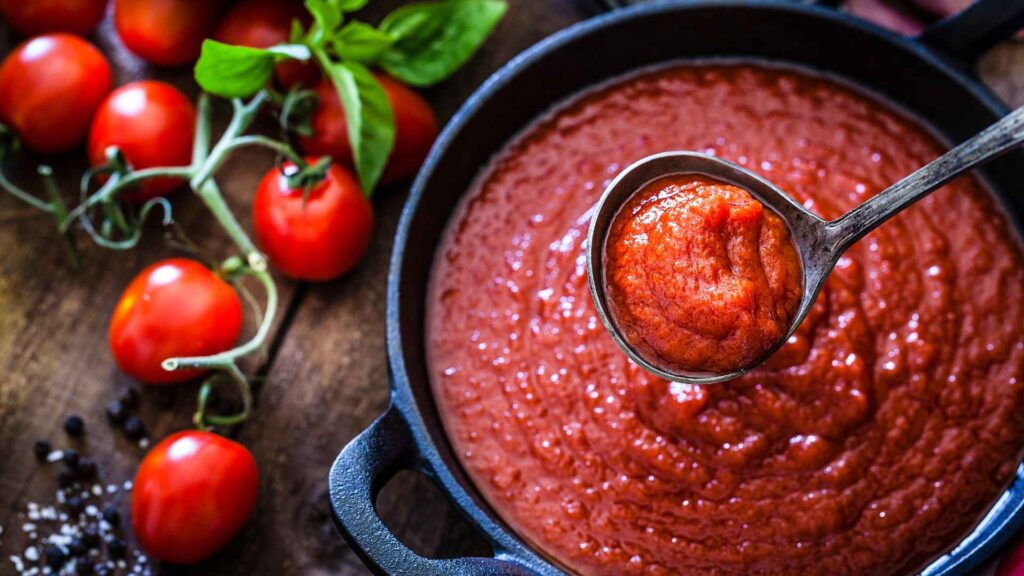
“Tomato sauce” can mean plain canned tomato purée, marinara, pizza sauce, pasta sauce, curry base, enchilada sauce, or a family recipe. The same red appearance can hide completely different ingredients and concentrations.
Find the jar, can, restaurant ingredient page, or recipe and keep it available. Estimate the amount, time, dog’s weight, medical conditions, medicines, current behavior, and whether any lid, foil seal, glass, or plastic is missing.
A lick versus a pot raid
A healthy dog that licked a clean spoon from a simple sauce and remains comfortable can often be observed after the label is checked. Remove the dish, offer normal fresh water, and keep the usual meal routine steady.
A dog that emptied a pot or jar needs a prompt veterinary call even without symptoms. The amount of sodium, fat, Alliums, alcohol, and packaging can be meaningful, and several important effects are delayed.
Ripe tomato is not the main issue
Ripe red tomato flesh is generally different from green fruit, vines, leaves, and stems. Sauce made only from ripe tomato and water is not automatically toxic, although acidity and a large volume can still cause vomiting or diarrhea.
The ASPCA tomato plant entry identifies solanine as a concern in green plant material while describing ripe fruit as non-toxic. That distinction does not make a seasoned sauce an appropriate treat.
Onion and garlic deserve a careful check
Onion and garlic can damage canine red blood cells, and cooking does not reliably remove the hazard. Powders and dehydrated forms are concentrated, so a small recipe volume can contain more Allium than the visible pieces suggest.
The Merck Veterinary Manual explains Allium toxicosis, including the potential delay before anemia becomes obvious. Weakness, pale gums, fast breathing, dark urine, yellow tissues, or collapse requires urgent care.
Do not dismiss an exposure because the dog looks normal tonight. Save the ingredient list and follow the clinic’s monitoring instructions, especially after a large amount or a product rich in onion or garlic powder.
Salt and concentrated products
Sauces, pastes, bouillon-based recipes, and pizza products can be surprisingly salty. Compare sodium per serving with the number of servings missing rather than relying on front-label phrases such as “light” or “natural.”
One salty lick is different from drinking separated sauce liquid or eating a large concentrated container. Repeated vomiting, marked thirst, wobbliness, tremors, unusual behavior, or seizures after a heavy salt exposure is urgent.
Do not force water or try to correct sodium rapidly at home. Keep normal water available unless the veterinarian says otherwise, because safe treatment depends on the exposure and the dog’s measured condition.
Sugar and xylitol are not interchangeable
Ordinary added sugar increases calories and may worsen gastrointestinal upset, but it does not cause the insulin crisis associated with xylitol. Sugar-free, keto, low-carb, and specialty sauces require a line-by-line sweetener check.
The FDA advises immediate veterinary contact after possible xylitol ingestion. Xylitol may also appear as birch sugar or wood sugar, and waiting for weakness or seizures wastes valuable time.
Our ketchup guide and sugar guide explain why the exact bottle matters more than a generic sweet-sauce label.
Alcohol and cooking wine
Vodka sauce, wine sauce, beer-based chili, and flambé recipes may retain some alcohol depending on preparation. A substantial serving, an uncooked recipe, or a sauce spiked after cooking deserves prompt product-specific advice.
The Merck Veterinary Manual describes alcohol toxicosis, which can include sleepiness, wobbliness, vomiting, low body temperature, slowed breathing, tremors, or collapse. Do not try to “sober up” the dog with food, coffee, exercise, or a cold bath.
Fat, cheese, meat, and rich sauces
Cream, butter, oil, cheese, sausage drippings, and fatty meat can turn tomato sauce into a rich meal. Large fatty thefts may cause acute gastrointestinal illness and are particularly concerning for dogs with prior pancreatitis or a prescribed low-fat diet.
Painful posture, repeated vomiting, refusal of food, weakness, dehydration, or a tense abdomen warrants care. A sauce does not need to contain a classic toxin to make a medically fragile dog ill.
Hot spices and pepper products
Chili flakes, cayenne, hot peppers, and concentrated spice oils can irritate the mouth and gastrointestinal tract. Drooling, pawing at the mouth, vomiting, diarrhea, or obvious distress may follow a large or concentrated exposure.
Do not neutralize spice with milk, oil, salt, or another home remedy. Rinse exposed skin with veterinary guidance, protect the eyes, and call if concentrated seasoning, respiratory signs, or persistent pain is involved.
Green tomatoes and plant parts
A sauce made with green tomatoes is not identical to one made from ripe red fruit, and garden sauce can accidentally include stems or leaves. Report plant material separately because glycoalkaloid exposure changes the assessment.
Our tomato guide covers ripe fruit, unripe fruit, and the plant itself. Bring a plant photo or sample if identification is uncertain and doing so is safe.
Pizza, pasta, and meatballs
A stolen slice combines sauce with cheese, salt, fat, dough, and toppings, while spaghetti may include meatballs, sausage, onion, garlic, or sharp skewers. Inventory the whole dish rather than treating sauce as the only exposure.
Our pizza guide walks through crust, toppings, raw dough, and packaging. A plain crust bite is a different call from a loaded pizza or an uncooked dough ball.
Homemade does not automatically mean safe
A homemade sauce can be easier to assess because the recipe is known, but it may still contain onion, garlic, wine, salt, or concentrated paste. Taste and smell cannot reveal a safe dose.
If making a tiny dog-specific topper, use only ripe tomato and water after veterinary approval, then count it among extras. There is no need to create tomato sauce for nutrition, antioxidants, heart health, or lycopene therapy.
Dogs who need stricter rules
Puppies, very small dogs, seniors, and dogs with heart, kidney, gastrointestinal, endocrine, or pancreatic disease have less room for unplanned ingredients. Prescription diets may also be disrupted by a seemingly modest topping.
Ask the treating veterinarian before sharing sauce regularly. General internet guidance cannot account for sodium targets, fat limits, food-allergy trials, drug interactions, or a dog recovering from illness.
What to do after accidental ingestion
- Remove access and separate pets so amounts and symptoms can be tracked.
- Save the full label, recipe, restaurant listing, and all packaging.
- Estimate a minimum and maximum amount plus the earliest possible time.
- Check specifically for onion, garlic, xylitol, alcohol, salt, rich fat, spice, and plant material.
- Call promptly for concerning ingredients, large amounts, symptoms, or missing packaging.
Do not induce vomiting unless a veterinarian or animal poison service specifically directs it for this dog and exposure. Home methods can cause aspiration, burns, electrolyte problems, or delay appropriate care.
Monitoring a known small lick
Watch appetite, energy, vomiting, stool, abdominal comfort, gums, breathing, urination, coordination, and behavior. Allium-related anemia can be delayed, so follow any longer monitoring window the clinic provides.
If signs develop, the dog’s condition matters more than the original estimate. Call again with the updated symptoms and bring the sauce information to the examination.
Purée, paste, passata, and canned tomatoes
Tomato purée and passata may be simple, while paste is more concentrated and canned products may add salt, calcium chloride, herbs, or flavors. None of these names guarantees a dog-safe ingredient list.
A spoon of concentrated paste can represent more tomato solids and sodium than the same volume of thin sauce. Report the form, label serving size, and amount missing instead of converting everything to “one lick.”
Restaurant and takeout sauce
Restaurants may not publish every sub-ingredient in stock, seasoning blends, meat bases, or premade sauce. Ask for an allergen or ingredient list when available, but do not delay an urgent call while waiting for the kitchen.
Photograph the menu item and save the receipt or container. Portion size, recipe style, and whether the sauce came with meat, cheese, dough, pasta, or alcohol help narrow the possibilities.
Leftovers and food safety
Refrigerate opened sauce promptly and follow label storage limits. Discard sauce with mold, a bulging lid, a broken seal, unusual gas, or an off odor rather than offering it to a dog.
Vomiting, diarrhea, weakness, tremors, fever, or unusual behavior after spoiled leftovers deserves veterinary advice. A dog can become ill from contamination even when the recipe contains no classic canine toxin.
Using sauce with medication
Do not use tomato sauce as a routine pill disguise without checking the medicine and diet instructions. Acidity, food timing, sodium, and hidden ingredients may make a different tiny food vehicle more appropriate.
Never crush or open a tablet or capsule unless the prescriber approves. Confirm that the dog swallowed the complete dose, then secure medicated leftovers from other pets and children.
Preventing the next sauce raid
Move cooling pots away from counter edges, put lids on trash, and rinse jars before secure disposal. Dogs can lick sharp can rims, break glass, or swallow foil seals while pursuing the residue.
During parties, assign one person to clear plates and keep the dog outside the serving area. Prevention is much easier than reconstructing several unknown sauces and dropped appetizers afterward.
Bottom line
Plain ripe tomato and water are not the same as a seasoned jar of sauce. A tiny known lick may only require observation, while Alliums, xylitol, alcohol, concentrated salt, rich ingredients, green plant material, a large amount, symptoms, or packaging justify prompt help.