Can Dogs Eat Pistachios? Kernels, Shells, Salt, and Mold
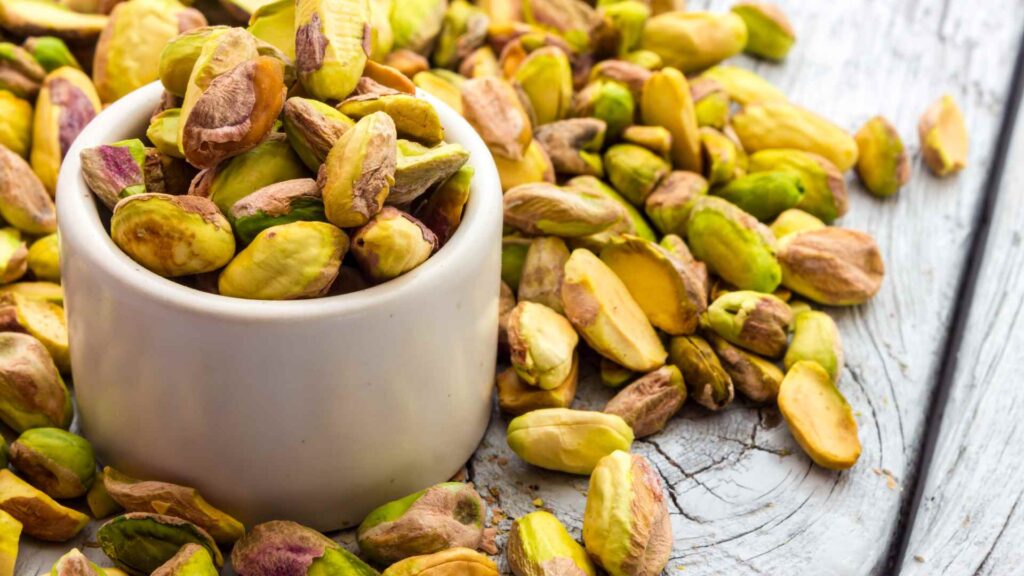
A plain, fresh, unsalted pistachio kernel is not known to cause the specific poisoning syndrome associated with macadamia nuts, but pistachios are still a poor dog treat. Their fat, salt, hard shells, gulpable shape, mold risk, coatings, and mixed-snack ingredients matter far more than their protein or vitamins.
The kernel and the snack bowl are different questions
One shelled, unsalted kernel stolen by a healthy adult dog is usually a monitoring situation, not a reason to predict poisoning. A bag raid with shells, salt, chili, garlic, chocolate, raisins, or macadamias is a different exposure.
The American Kennel Club pistachio guide similarly says pistachios are not inherently toxic but advises against feeding them because large amounts, shells, fat, salt, and contamination create practical risks.
Our nut-by-nut guide helps identify a mixed snack when the missing pieces are not all pistachios.
Use this rapid pistachio check
- Count what is missing and separate kernels from in-shell nuts.
- Identify salt, seasoning, oil, sweet coating, chocolate, raisins, and other nut species.
- Check freshness, storage history, damaged packaging, visible spoilage, and any recall notice.
- Look for missing bags, clips, scoops, foil, bowls, or desiccant packets.
- Consider the dog’s size, symptoms, pancreatitis history, and prescription diet before deciding to monitor.
Photograph the product and keep its label, lot code, and ingredient list. Those details are much more useful to a veterinarian than an estimate based on the green crumbs left on the floor.
Pistachio shells are the clearest reason to call
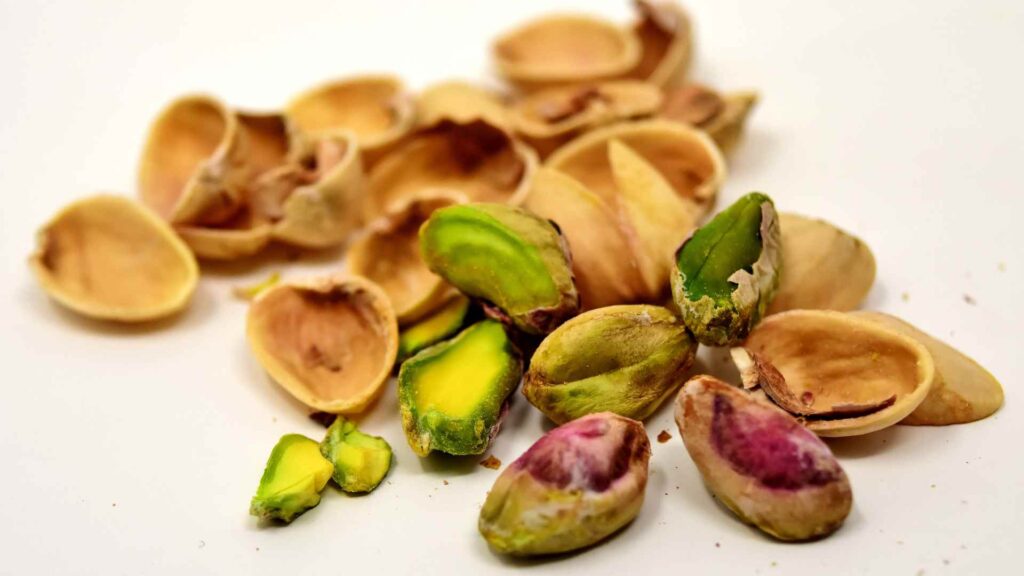
The shell is hard, sharp-edged when cracked, and not designed to digest. It can lodge in the mouth or throat, damage teeth, irritate the gastrointestinal tract, or contribute to obstruction.
A dog may swallow many shells while vacuuming a snack bowl or trash can. The number, dog’s size, shell fragments, and symptoms influence whether imaging or monitoring is advised.
The FDA dangerous-items guide explains that swallowed material can obstruct the esophagus, stomach, or intestines. Nut bags can also pose suffocation or foreign-body hazards.
Emergency choking signs
Difficulty breathing, blue or pale gums, collapse, frantic pawing at the mouth, or severe distress is an emergency. Do not sweep blindly inside a panicked dog’s mouth, because you can push a shell deeper or be bitten.
Possible obstruction signs
Repeated vomiting, inability to keep water down, abdominal pain or swelling, marked lethargy, refusal to eat, or difficulty passing stool needs prompt veterinary care. Report the estimated number of shells and whether the bag or clip is missing.
Fat and calories turn a handful into a problem
Pistachios are calorie-dense and high in fat. A human handful can be a major dietary event for a small dog, even when every kernel is fresh and unsalted.
A large raid may cause vomiting, diarrhea, reduced appetite, or abdominal pain. High-fat exposure is especially concerning in dogs with current or previous pancreatitis, hyperlipidemia, obesity, or a prescribed low-fat diet.
Pancreatitis cannot be diagnosed from one symptom list, and not every pistachio raid causes it. Repeated vomiting, painful or tense abdomen, hunched posture, profound lethargy, or refusal to eat warrants veterinary evaluation.
The UC Davis veterinary treat guideline recommends keeping all extras below 10 percent of daily calories. Pistachios use that allowance quickly without offering a benefit a complete diet needs.
Salt and coatings change the exposure
Salted pistachios add sodium that a dog does not need, and the coating makes amount estimates difficult. One salted kernel is unlikely to cause salt toxicosis in a healthy dog with water available, but a large container raid deserves a call.
Garlic, onion, ranch, barbecue, chili-lime, wasabi, and cheese seasonings introduce ingredients that can irritate or be toxic. Powder clings to every kernel and cannot be reliably licked or rinsed away.
Honey-roasted, candied, and chocolate-covered pistachios add sugar, fat, and sometimes cocoa or xylitol-containing ingredients. Sugar-free means check the sweetener, not safe for dogs.
Mold and aflatoxin need accurate context
Pistachios can be contaminated by aflatoxins produced by certain Aspergillus molds under favorable growing or storage conditions. That does not mean every commercial pistachio is poisonous, because food systems test and regulate contamination.
The FDA mycotoxin overview identifies pistachios and peanuts among foods susceptible to aflatoxins and describes regulatory monitoring. Buying intact products from normal channels and storing them dry reduces avoidable risk, but cannot be replaced by a sniff test.
The Merck Veterinary Manual aflatoxicosis review explains that aflatoxins target the liver and that effects depend on dose and duration. Possible signs include loss of appetite, depression, jaundice, bleeding, poor condition, and severe illness.
Visible mold, rancid odor, moisture damage, insect activity, or an opened stale bag is reason to discard the nuts securely. Aflatoxin can exist without visible mold, so save product and lot information when a recall or cluster of illness is suspected.
Storage is part of the safety check
Keep pistachios dry, sealed, and within the manufacturer’s storage guidance, then discard a compromised product rather than trying to rescue it by roasting. Heat and seasoning cannot turn unknown spoilage into a verified safe treat.
Do not let dogs forage beneath a pistachio tree, storage bin, pantry spill, or compost pile. Fallen nuts can bring shells, moisture, soil, insects, mold, and other debris into one hard-to-measure exposure.
Do not diagnose aflatoxin from vomiting alone
Vomiting after a rich snack is far more common than confirmed aflatoxicosis, and the signs overlap many diseases. A veterinarian uses exposure history, examination, blood tests, and sometimes product testing rather than appearance alone.
Mixed nuts can hide a true toxin
A mixed container may include macadamia nuts, raisins, chocolate pieces, xylitol-sweetened candy, walnuts, pecans, almonds, or cashews. Identify every ingredient rather than assuming the dog selected only pistachios.
Macadamias cause a specific canine syndrome that plain pistachios do not. Our guides to walnuts, pecans, and almonds cover their different mold, shell, choking, and digestive risks.
A cashew is not interchangeable with a pistachio either. Mixed-snack triage should be ingredient-by-ingredient.
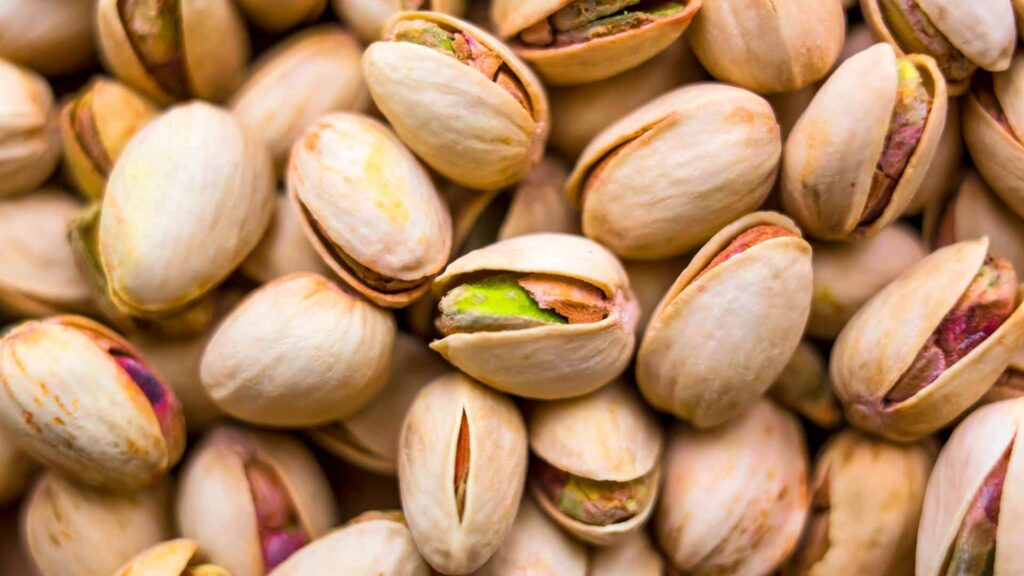
Pistachio desserts are not kernel exposures
Pistachio ice cream and gelato
These add dairy, sugar, fat, flavors, and sometimes chocolate or xylitol. A large frozen-dessert raid may cause gastrointestinal upset and carries more calories and fat than the visible nuts suggest.
Baklava and pastries
Baklava combines nuts with syrup or honey, butter, pastry, and sometimes other nuts. Wrappers, foil, skewers, chocolate garnish, and sugar-free syrup can change urgency.
Pistachio butter and cream
Nut spreads concentrate fat and calories into an easy-to-swallow amount. Check for xylitol, chocolate, macadamia, added oil, salt, and sweeteners, and do not assume a green spread is pure pistachio.
Pesto, crusts, and savory dishes
Pistachio pesto, crusted meat, salads, and rice dishes may include garlic, onion, cheese, salt, oil, raisins, and bones. The complete recipe matters more than the garnish.
How much pistachio is safe?
There is no evidence-based pistachio serving table worth following. Kernel size varies, products differ, and the dog’s calorie needs, chewing, gastrointestinal history, and medical diet determine suitability.
Because pistachios offer no necessary advantage and create preventable mix-ups, the simplest planned portion is none. If a healthy adult dog steals one plain shelled unsalted kernel and stays normal, monitoring is usually proportionate.
Do not interpret monitoring advice as permission to offer a bowl. A small dog that eats a large amount, any dog that swallows shells, and any dog with symptoms or medical restrictions deserves case-specific guidance.
What to do after a pistachio raid
- Remove access and save the bag, ingredient list, lot code, and any recipe.
- Estimate kernels and shells separately and identify salt, oil, seasoning, coating, or mixed nuts.
- Check for macadamias, raisins, chocolate, xylitol, garlic, onion, alcohol, and cannabis.
- Inspect for missing plastic, foil, clips, desiccant packets, skewers, or containers.
- Call promptly for shells, a large amount, unsafe mix-ins, moldy or recalled product, medical restrictions, or symptoms.
Do not induce vomiting unless a veterinary professional directs you. A healthy dog who ate one plain shelled kernel and feels normal can usually be watched with normal water available and no more rich treats.
Frequently asked questions
Are pistachios toxic like macadamia nuts?
No specific macadamia-like toxicosis is attributed to a fresh plain pistachio kernel. Pistachios still bring fat, salt, shell, choking, mold, and mixed-product risks.
What if my dog ate one pistachio?
One fresh plain shelled kernel is usually a monitoring situation for a healthy adult dog. Check that it was not salted, coated, moldy, or mixed with a toxic ingredient.
Can dogs eat pistachio shells?
No. Shells are hard, indigestible, sharp-edged, and capable of causing choking, dental injury, or gastrointestinal obstruction.
Can dogs eat roasted pistachios?
Roasting does not solve fat or calorie concerns, and commercial roasted nuts are often salted or seasoned. There is no reason to choose them as a dog treat.
Can puppies eat pistachios?
Do not use pistachios as puppy treats. Their growth diet should not be displaced, and their small airway and gastrointestinal tract make shells and gulped kernels especially unhelpful.
The bottom line
A plain shelled pistachio kernel is not a macadamia-style toxin, but pistachios remain a poor planned dog treat. Fat, calories, salt, seasonings, shells, gulping, mold, and mixed snacks create the meaningful risks.
One suitable stolen kernel is usually monitored rather than treated as poisoning. Call for shells, large raids, macadamias or other unsafe mix-ins, moldy or recalled product, medical restrictions, or any concerning symptom.