Can Dogs Eat Squash? Varieties, Preparation, and Bitter-Gourd Risks
Most dogs can eat a small amount of familiar edible squash when it is cooked until soft and served plain. Remove hard rind, stem, and mature seeds, cut the flesh into bite-size pieces, and never offer a bitter-tasting or unidentified ornamental gourd.
What counts as squash?
Squash is a broad kitchen label for fruits in the cucurbit family, not one uniform food. The texture changes dramatically between a tender zucchini and a mature acorn squash, which is why preparation matters more than the word on the produce sign.
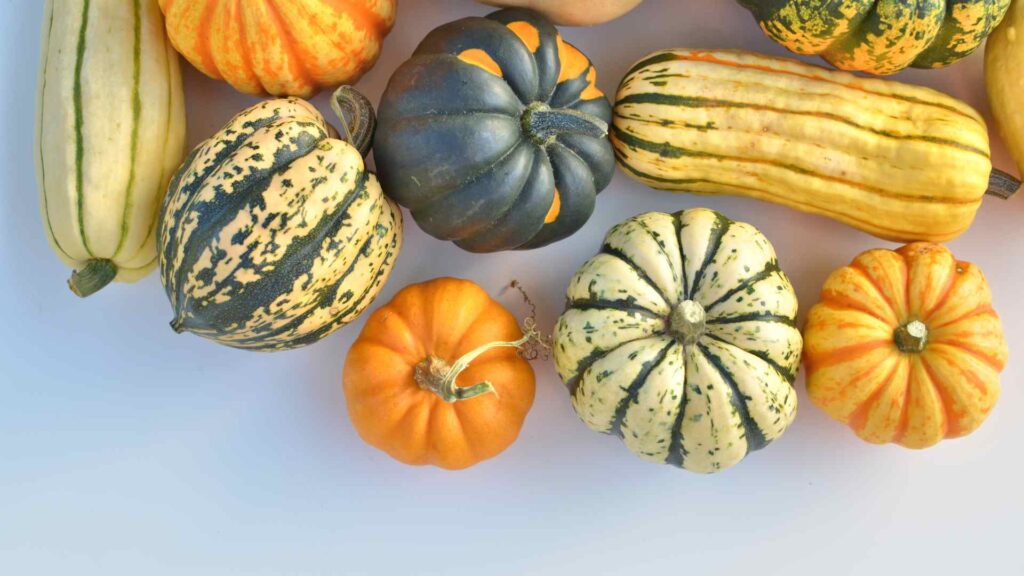
- Summer squash includes zucchini, yellow crookneck, straightneck, and pattypan squash.
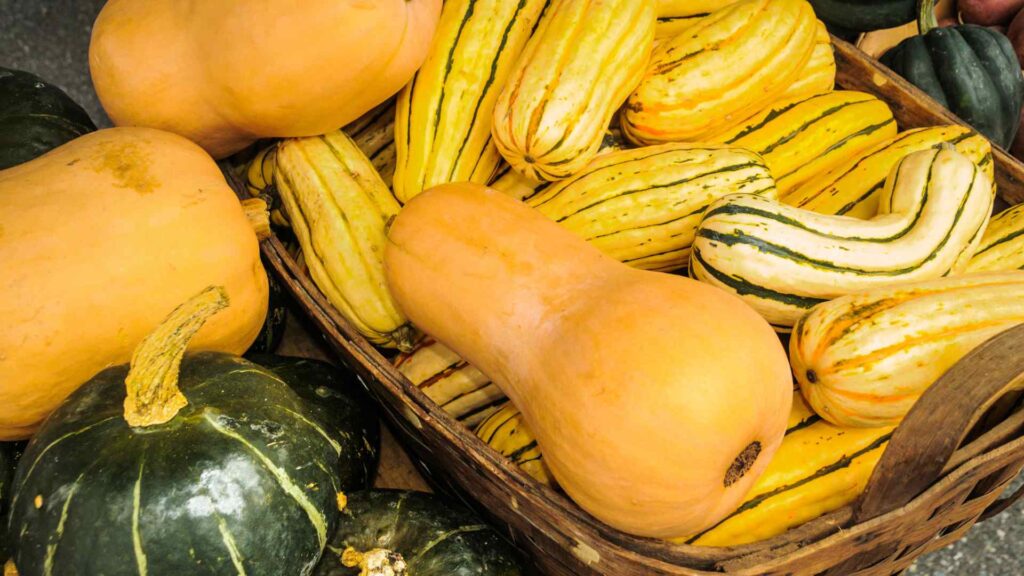
- Winter squash includes butternut, acorn, delicata, spaghetti squash, kabocha, and many culinary pumpkins.
- Edible squash should be fresh, correctly identified, and normal tasting.
- Decorative gourds, wild fruit, and very bitter garden squash do not belong in a dog bowl.
Summer squash is harvested young, so its skin and seeds are usually tender. Winter squash matures longer and develops denser flesh, a harder shell, and a more substantial seed cavity.
The safest way to prepare squash
Wash the whole squash before cutting because a knife can carry surface dirt into the flesh. The FDA produce-safety guidance recommends rinsing produce under running water and does not recommend soap or commercial produce wash.
Steam, bake, or boil the flesh without butter, oil, salt, sugar, stock, or seasoning. Let it cool fully, then mash it or cut it into pieces small enough for the particular dog to chew without gulping.
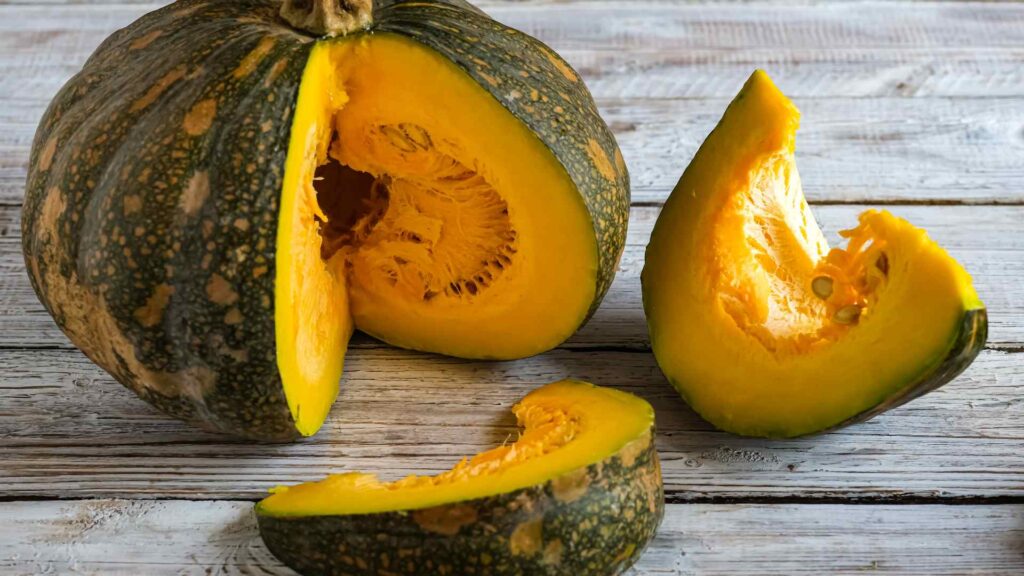
For winter squash, remove the stem, tough rind, seeds, and stringy seed mass before serving. For a young summer squash, the thin skin and soft seeds are commonly eaten, but peeling and deseeding can make texture simpler for a tiny dog or one with a sensitive stomach.
Raw zucchini is not a recognized canine toxin, but cooking softens the food and makes portioning easier. Dense raw winter squash and hard rind are poor choices because they are difficult to chew and may be swallowed in stubborn chunks.
How much is a small amount?
There is no universal scoop size that fits a five-pound puppy and an eighty-pound adult. Begin with one bite, stop if the dog dislikes it, and keep every treat modest enough that the regular meal remains the nutritional center of the day.
The UC Davis veterinary treat guideline recommends keeping treats and extras below 10 percent of daily calories. That allowance includes squash, training rewards, chews, table scraps, and food used for pills.
Squash can add fiber and calories, but a treat portion is not a treatment for constipation, diarrhea, obesity, dehydration, or vitamin deficiency. A dog with an ongoing digestive problem needs a diagnosis, not a growing spoonful of produce.
For a similarly practical look at portion and preparation, see our cauliflower guide. Neither vegetable should crowd complete food out of the bowl.
Zucchini, butternut, and pumpkin are related, not interchangeable
Zucchini and other summer squash
Young zucchini and yellow squash have soft flesh, thin skin, and small seeds. Plain cooked pieces are straightforward, while large raw rounds, whole baby squash, and thick stem ends can be gulped or choke a small dog.
Zucchini boats and casseroles often contain cheese, sausage, onion, garlic, oil, and salt. The vegetable does not make the complete dish dog-safe.
Butternut and other winter squash
Butternut, acorn, kabocha, delicata, and spaghetti squash have firm flesh that becomes soft after cooking. Their hard shells, stems, and mature seeds should be discarded rather than offered as chews.
Roasted squash may look plain after a glaze has soaked in. Ask whether the pan contained butter, oil, garlic, onion, sweetener, broth, or heavy spice before sharing a piece.
Pumpkin
Culinary pumpkin is a winter squash, and plain cooked pumpkin flesh follows the same basic rule. Pumpkin pie filling is a dessert ingredient with sugar and spices, not the same product as plain pumpkin puree.
Pumpkin is often discussed as a digestive remedy, but vomiting, diarrhea, straining, pain, or constipation can have causes that fiber will not fix. Use any therapeutic amount only after a veterinarian considers the dog and the rest of the diet.
Bitter squash is a separate safety problem
Squash and related plants can contain cucurbitacins, intensely bitter defensive compounds. Grocery varieties are selected for low levels, but an unusually bitter fruit, wild cucurbit, decorative gourd, or uncertain home-garden cross should be rejected.
The National Capital Poison Center review of toxic squash syndrome reports that high-cucurbitacin squash can cause severe gastrointestinal illness and that heat does not inactivate the compounds. Its cases concern people, so it does not supply a canine dose, but bitterness is still a practical warning not to feed the product to any household member.
Do not taste-test food specifically for a dog after the dog rejects it, and never disguise an intensely bitter piece with meat or cheese. Discard the entire suspicious fruit where pets cannot retrieve it.
Call a veterinarian after a dog eats bitter or unidentified squash, especially if vomiting, diarrhea, drooling, abdominal pain, weakness, or lethargy develops. Bring a photo or sample of the plant only if it can be collected safely.
Rind, seeds, stems, and whole chunks
Squash rind is not one texture: a young zucchini skin is tender, while an acorn shell can be remarkably hard. Thick shell, woody stem, large seed mass, and whole chunks create choking, dental, and gastrointestinal foreign-body concerns.
The Merck Veterinary Manual obstruction review notes that vomiting and appetite loss are common signs, while abdominal pain, lethargy, dehydration, diarrhea, or shock may also occur. A dog can still pass some stool with a partial blockage.
Repeated vomiting, unproductive retching, marked drooling, a swollen or painful abdomen, refusal of food, weakness, or reduced stool after swallowing rind needs prompt care. Trouble breathing, blue gums, collapse, or active choking is an emergency.
Do not try to push rind through with bread, oil, bulky fiber, or another meal. Do not induce vomiting unless a veterinary professional evaluates the object, timing, and aspiration risk and gives direct instructions.
Seeds are usually a texture issue, not a poison claim
A few soft seeds from young summer squash are unlikely to poison a dog. Mature winter-squash seeds and their fibrous web are tougher, easy to gulp, and often roasted with salt, oil, chili, garlic, or onion.
Remove mature seeds for predictable preparation rather than making claims that every stray seed is toxic. A missing bowl of roasted seeds deserves a review of amount, coating, packaging, and the dog’s symptoms.
Seasoned squash changes the answer
Holiday squash may contain butter, cream, cheese, bacon, maple syrup, brown sugar, nuts, raisins, onion, garlic, or sweetened marshmallows. Those ingredients create more concern than a teaspoon of plain flesh.
Our onion guide explains why cooked and powdered onion still matter. Our garlic guide covers the same Allium-family concern in sauces, stock, and seasoning blends.
A rich casserole can trigger vomiting or diarrhea and may be especially unsuitable for a dog with pancreatitis history, high triglycerides, obesity, diabetes, or a prescribed low-fat diet. Sugar-free glaze also requires an immediate ingredient check for xylitol.
Canned, frozen, and baby-food squash
Plain frozen squash can be reasonable after cooking, but seasoned steam bags may include salt, butter, cheese sauce, or garlic. Cool the food and chop it instead of serving a hard frozen cube.
Canned squash should contain only the expected vegetable and perhaps water. Drain salty products, avoid pie filling, and do not assume a low-sodium human label fits a dog with heart, kidney, or urinary disease.
Baby food sometimes contains only pureed squash, but blends can add onion, garlic, dairy, fruit, meat stock, or concentrated starch. Read the current label every time because recipes change.
Dogs who need extra caution
Puppies, toy breeds, fast eaters, and dogs with dental disease face more trouble from a poorly cut piece. Dogs with previous intestinal surgery, known narrowing, or a habit of swallowing objects deserve an especially low threshold for calling after rind or stem ingestion.
Dogs on prescription diets may need strict ingredient control for kidney, heart, urinary, gastrointestinal, allergy, or weight conditions. Ask the prescribing veterinarian before turning squash into a regular topper.
A new food should not be introduced during active vomiting or diarrhea without professional direction. It can muddy the clinical picture and may delay care for an obstruction, infection, pancreatitis, or another cause.
What to do after a squash raid
- Identify the variety and whether it was edible grocery squash, bitter fruit, an ornamental gourd, or an unknown plant.
- Estimate the amount and record flesh, rind, stem, seeds, seasoning, time, dog weight, and symptoms.
- Save the recipe, packaging, and a photograph of the missing piece without delaying urgent care.
- Call promptly for bitter or unidentified squash, large hard pieces, unsafe seasonings, packaging, or a dog with relevant medical disease.
- Seek emergency care for choking, breathing difficulty, collapse, repeated vomiting, severe pain, marked weakness, or a swollen abdomen.
A healthy adult dog that eats one small piece of plain cooked flesh and stays normal can generally be monitored. Keep water available and return to the usual complete diet rather than serving more squash to settle the stomach.
Frequently asked questions
Can dogs eat squash skin?
Tender skin on young summer squash is commonly edible when washed and cut small, but hard winter-squash rind should be removed. Texture and piece size decide the physical risk.
Can dogs eat squash seeds?
A stray soft summer-squash seed is unlikely to be poisonous, but remove mature seeds and stringy material from winter squash. Seasoned roasted seeds are a different product.
Is raw squash safe?
A small thin slice of familiar summer squash may be tolerated, but cooked plain flesh is easier to portion and chew. Do not offer raw dense winter squash, hard rind, bitter fruit, or unidentified gourds.
Can squash cure constipation?
No amount works safely for every dog or every cause. Straining, pain, vomiting, appetite loss, or persistent stool changes require veterinary guidance.
The bottom line
Plain, soft, cooked flesh from a familiar edible squash can be an occasional small treat for many healthy dogs. Remove hard rind, stem, and mature seeds, and keep the portion within the dog’s full treat allowance.
Bitter squash, ornamental gourds, whole hard pieces, rich casseroles, unsafe seasonings, and swallowed packaging need a different response. Let the exact variety, preparation, amount, dog, and symptoms guide the next call.