Can Dogs Have Avocado Oil? Fat, Pancreatitis, and Product Risks
Plain culinary avocado oil is not the same exposure as chewing avocado leaves, peel, or a pit, but it is still not a useful dog supplement. The practical problem is its concentrated fat and calories, especially after a bottle spill, a large lick, or exposure in a dog prone to pancreatitis.
The short answer by amount
- One lick of plain food-grade oil: usually low concern for a healthy dog, although loose stool or vomiting is possible.
- A spoonful, puddle, or unknown amount: call your veterinarian for an individualized assessment, particularly for a small dog or one with digestive disease.
- A bottle raid: assess the missing oil plus glass, cap, pourer, label, plastic, and any flavored ingredients.
- Garlic, onion, chile, essential oil, or other flavoring: use the full ingredient list, not the words avocado oil, to judge urgency.
- Repeated vomiting, painful belly, weakness, collapse, breathing trouble, or inability to keep water down: seek urgent veterinary care.
Put the product out of reach, save the bottle, and estimate the amount and time without tasting or smelling a spilled cosmetic. Tell the clinic whether the product was a cooking oil, infused oil, spray, supplement, shampoo, balm, or mixed topical.
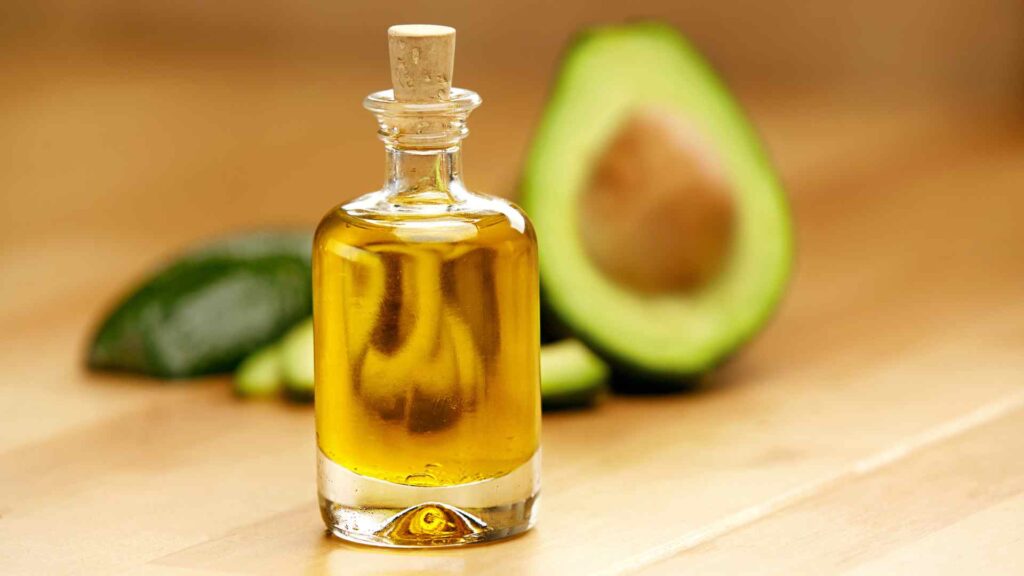
Avocado oil and the avocado plant are not interchangeable
Avocado safety discussions often center on persin, a compound associated with avocado plant material. The Merck Veterinary Manual avocado review describes exposure from fruit, leaves, stems, seeds, and bark, with leaves posing the greatest concern and birds and some livestock much more sensitive than dogs.
Commercial culinary avocado oil is extracted oil, not a chunk of leaf, peel, flesh, or pit. Public veterinary references do not provide a simple persin concentration for every refined or unrefined oil, so it would be misleading to claim that every product is proven persin-free.
That distinction helps frame the likely problem without turning the oil into a health food. For a dog licking plain cooking oil, concentrated fat and total amount are usually more practical concerns than the dramatic avocado warnings written for whole plant parts and highly sensitive species.
Our avocado guide separately covers flesh, peel, pits, trees, and guacamole. Use it when the dog had access to food-prep scraps or the plant itself, because a pit can choke or obstruct regardless of toxicology.
Oil is concentrated fat and calories
Oil contains roughly the same calorie density whether the label says avocado, olive, sunflower, or another culinary source. A casual pour can add a large number of calories without adding the protein, fiber, and carefully balanced micronutrients found in a complete dog food.
The World Small Animal Veterinary Association treat guide recommends limiting treats to 10 percent or less of a dog’s daily calories. Oil can consume that allowance quickly, and pouring it over meals also makes portion control surprisingly difficult.
Regular extra calories can undermine a weight-loss plan or gradually produce weight gain even when each drizzle looks small. Measure all additions and discuss them with the veterinarian who calculated your dog’s calorie target.
Avocado oil does not make an incomplete homemade diet balanced. If you prepare food at home, use a recipe formulated for your individual dog by a board-certified veterinary nutritionist rather than adding fashionable ingredients one at a time.
Pancreatitis is the reason to take a large raid seriously
A large fatty exposure can cause vomiting and diarrhea, and dietary indiscretion is a recognized risk factor for pancreatitis. The Merck Veterinary Manual pancreatitis review describes vomiting, abdominal pain, weakness, dehydration, diarrhea, and decreased appetite among possible findings.
Not every oily stool or vomit means pancreatitis, and a dog cannot be diagnosed from a checklist. The point is to call when the amount was substantial or signs persist, because examination, laboratory testing, and sometimes imaging guide the diagnosis and treatment.
Dogs with previous pancreatitis, high blood fats, endocrine disease, obesity, or a prescribed low-fat diet deserve a lower threshold for professional advice. Do not use an online dose table to overrule instructions from the veterinarian managing that dog’s condition.
Possible abdominal pain may look like pacing, a tense posture, guarding the belly, reluctance to move, or stretching with the front end low. Do not press on the abdomen or give aspirin, ibuprofen, acetaminophen, or leftover pet medication.
Flavored and infused oils need a new assessment
Garlic-infused, chile, herb, citrus, truffle-style, and mixed finishing oils may contain ingredients that change the concern. Read both the ingredient panel and any label near the neck of the bottle, where flavor additions sometimes appear.
Garlic and onion can damage canine red blood cells, including in cooked and concentrated forms. If an infused product contains either one, save the label and call promptly rather than assuming straining out visible pieces removed the risk.
Hot chile can irritate the mouth and digestive tract, while essential oils can be much more concentrated than culinary herbs. Do not try to neutralize either with milk, bread, salt, or more oil.
A homemade infusion may be harder to assess because the amount of plant material, extraction time, and storage are unknown. Give the veterinarian the recipe, starting quantities, and best estimate of what was missing.
For comparison, our olive oil guide asks the same core questions about amount, calories, fat sensitivity, and added flavors. Switching oil varieties does not solve a portion or pancreatitis problem.
Cooking sprays contain more than the named oil
An avocado-oil spray may include emulsifiers, propellants, silicone antifoam, other oils, or flavorings. A brief lick from a cooled pan is not the same as puncturing or chewing the pressurized can.
A damaged aerosol container creates mouth, eye, inhalation, and physical-injury risks. Move the dog to fresh air if a can sprays in an enclosed space and it is safe to do so, then contact a veterinarian for coughing, eye pain, breathing difficulty, weakness, or a significant ingestion.
Never spray oil directly into a dog’s mouth or onto a hot, irritated, or broken area of skin. Aerosolized droplets and added ingredients are not designed as veterinary treatment.
Topical products are product-specific
Shampoos, conditioners, balms, grooming oils, soaps, and cosmetics may advertise avocado oil while containing fragrance, essential oils, surfactants, preservatives, sunscreen ingredients, or medications. The avocado oil on the front label does not describe the safety of the full formula.
If a dog licks a small amount of pet-labeled conditioner as directed, the manufacturer or veterinarian may recommend simple observation. A swallowed bottle, concentrated human cosmetic, eye exposure, or product causing drooling, vomiting, coughing, skin pain, weakness, or abnormal walking needs specific advice.
Prevent licking with separation or a properly fitted protective collar while you seek guidance, but do not apply a second product to dissolve the first. Mixing cleaners or oils can increase skin irritation and may make decontamination harder.
Do not pour culinary avocado oil into the ears or rub it onto itchy skin, hot spots, wounds, paws, or a dull coat. Grease can trap debris, encourage licking, obscure a lesion, and delay diagnosis without treating infection, allergy, parasites, pain, or hormonal disease.
Bottles, caps, and broken glass can be the emergency
Oil bottles may be glass or rigid plastic and often have a screw cap, pour spout, shrink seal, label, and tamper ring. A dog that breaks or chews one may have oral cuts or swallow sharp fragments before anyone notices the missing oil.
Keep the dog away from the spill and do not sweep the mouth blindly with your fingers. If glass may have been swallowed, call a veterinarian immediately and do not induce vomiting because sharp material can injure the esophagus on the way back up.
Caps and pourers can choke or obstruct, while greasy plastic may be especially tempting to chew. Report every missing piece and seek care for repeated vomiting, gagging, abdominal pain, refusal to eat, lethargy, straining, or inability to keep water down.
Clean a floor spill with the dog secured elsewhere, then wash away the cleaning product as its label directs. A slick floor can cause falls, and licking detergent residue creates a separate exposure.
What to do after an avocado oil exposure
- Secure the dog, remaining oil, broken container, and cleanup products so the incident does not grow.
- Identify the exact product and whether it is culinary, flavored, aerosol, supplemental, cosmetic, or veterinary.
- Estimate the amount, timing, dog’s weight, symptoms, medical conditions, medications, and any prescribed diet.
- Count missing caps, seals, glass, plastic, pumps, labels, and applicators.
- Call a veterinarian or animal poison-control service when the amount is more than a small lick, is unknown, includes risky ingredients, involves packaging, or causes symptoms.
Do not induce vomiting with hydrogen peroxide, salt, mustard, fingers, or another oil unless a veterinarian specifically instructs you for this exposure. Oil can be aspirated into the lungs, and sharp packaging makes vomiting even more dangerous.
The FDA pet hazard guide notes that fatty foods can cause digestive upset or pancreatitis and that swallowed food packaging may obstruct the intestines. Those two concerns are exactly why the bottle and the amount belong in the same history.
Claims about coat, skin, joints, and inflammation
Avocado oil is often marketed with broad promises about shiny coats, moisturized skin, joint comfort, or inflammation. Those claims do not establish the right dose, purity, safety, or benefit for an individual dog, and adding fat can conflict with an otherwise appropriate medical diet.
A dull coat may reflect diet, parasites, skin infection, allergy, pain, poor grooming, or endocrine disease. An oily topping may change surface appearance while the underlying condition continues.
For itching, hair loss, recurrent ear trouble, sores, stiffness, or pain, ask a veterinarian for a diagnosis and treatments with evidence for that problem. Do not stop prescribed medication or replace a complete diet with internet supplement advice.
Frequently asked questions
Is refined avocado oil safer than unrefined oil?
Refining changes flavor, color, and composition, but it does not remove calories or the fat-related concern after a large ingestion. Public veterinary guidance does not give a product-by-product persin value, so use the actual label and amount rather than a blanket safety claim.
Can dogs eat food cooked in avocado oil?
A tiny residue on a plain, dog-appropriate cooked food is generally different from drinking oil. The finished dish still needs assessment for fat, salt, garlic, onion, sauces, bones, and portions.
Is avocado oil better than coconut oil?
Neither deserves automatic supplement status, and both add concentrated fat and calories. Our coconut water and oil guide explains why the product, purpose, portion, and dog’s health matter more than wellness marketing.
Bottom line
A lick of plain culinary avocado oil is usually not a poisoning emergency, but a large or uncertain amount can cause digestive trouble and may contribute to pancreatitis in a susceptible dog. Flavored products, cosmetics, sprays, broken bottles, caps, and whole avocado plant parts each require their own assessment.