Can Dogs Eat Green Peppers? Bell Peppers, Hot Chiles, and Prep
Dogs can usually eat a few small pieces of plain green bell pepper, raw or gently cooked, but green hot peppers are a different food. Remove the stem and core, cut the crisp flesh for the dog’s size, and skip spicy peppers, seasoned dishes, stuffed peppers, sauces, and whole-pepper games.
First identify which green pepper you have
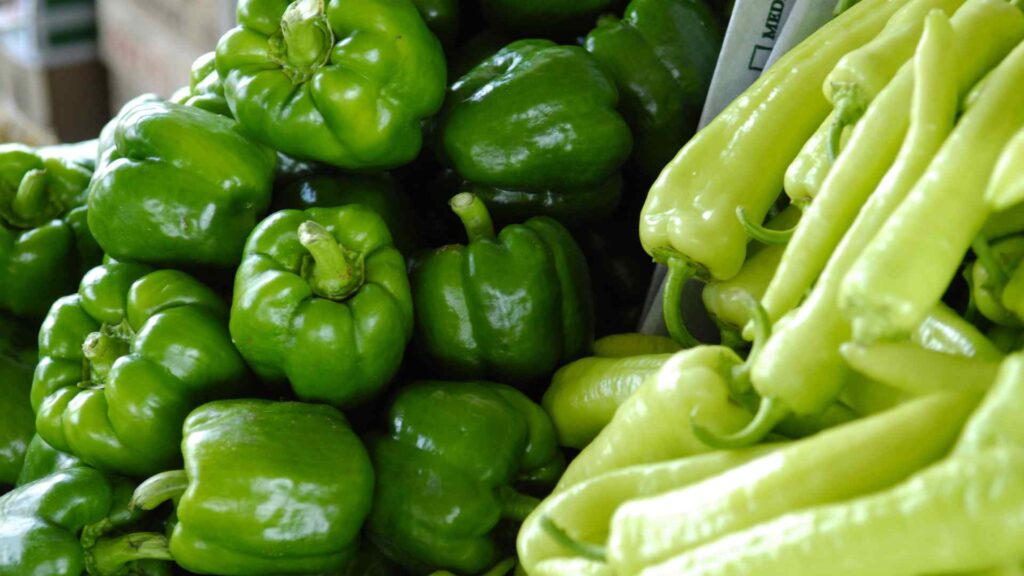
In everyday shopping, green pepper often means a sweet bell pepper. Restaurant menus and garden baskets may use the same phrase for jalapeños, serranos, poblanos, Anaheim peppers, or other chile peppers that can contain irritating capsaicinoids.
- Blocky green bell pepper with no heat: a few plain pieces are generally reasonable for a healthy dog.
- Green chile with noticeable heat: do not offer it because capsaicin can irritate the mouth and digestive tract.
- Pepper plant leaves or stems: remove access and identify the plant rather than treating it as food.
- Stuffed, sautéed, pickled, or sauced peppers: check the entire recipe.
Taste is not a safe identification strategy for an unknown garden plant, especially if pesticides or ornamental varieties are possible. Use the seed packet, produce label, or a qualified plant identification service.
Why a green bell pepper is green
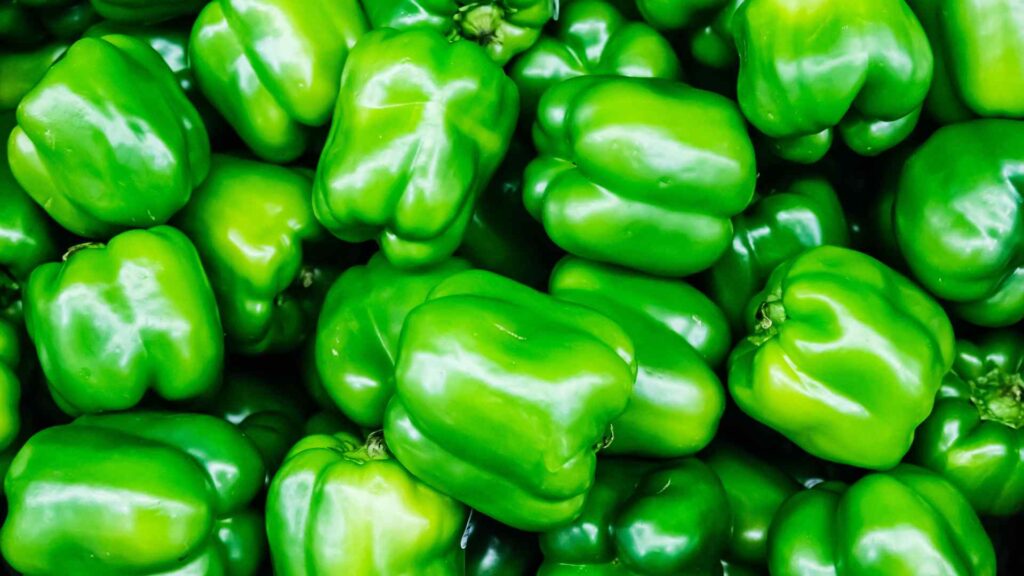
Many bell peppers begin green and change color as they mature, though cultivar and growing conditions also affect the final shade. Green does not mean spoiled, poisonous, or automatically spicy.
A green bell pepper is still a member of Capsicum annuum, the same broad species that includes sweet and hot cultivars. Shape, variety, and heat matter more than color alone.
This guide focuses on what the green stage changes in the kitchen: firmer texture, a sharper flavor, and frequent use in savory dishes. It is not a promise that every green fruit labeled pepper is a mild bell pepper.
How to serve plain green bell pepper
Wash the intact pepper under running water before cutting it. The FDA produce-safety guidance recommends rinsing produce and does not recommend soap or commercial produce wash.
Remove the stem, core, and loose seeds, then cut the flesh into short pieces suited to the dog’s mouth. A tender cooked piece should be cooled and prepared without oil, butter, salt, sauce, garlic, or onion.
The flesh can be eaten raw by many dogs, but its crisp skin may produce larger chewed fragments than soft cooked pepper. Tiny dogs, puppies, dental patients, and habitual gulpers need especially small pieces or no pepper at all.
Offer one bite the first time and do not pressure a dog that spits it out. Gas, vomiting, loose stool, itching, or discomfort is a reason to stop, not a cue to hide the pepper in another food.
Stem, core, seeds, and whole peppers
Bell pepper seeds are not recognized as a specific canine poison, but removing them makes the portion easier to chew and keeps the serving plain. The fibrous core and tough stem offer no advantage and are more likely to be gulped.
A whole bell pepper can become a slippery mouthful, particularly for a large fast eater. Large rings may also be swallowed with little chewing, so dice or slice them into manageable pieces.
Active choking, breathing trouble, blue or gray gums, or collapse is an emergency. Repeated gagging, drooling, pawing at the mouth, or inability to swallow also needs urgent assessment.
Green hot peppers are not bell peppers
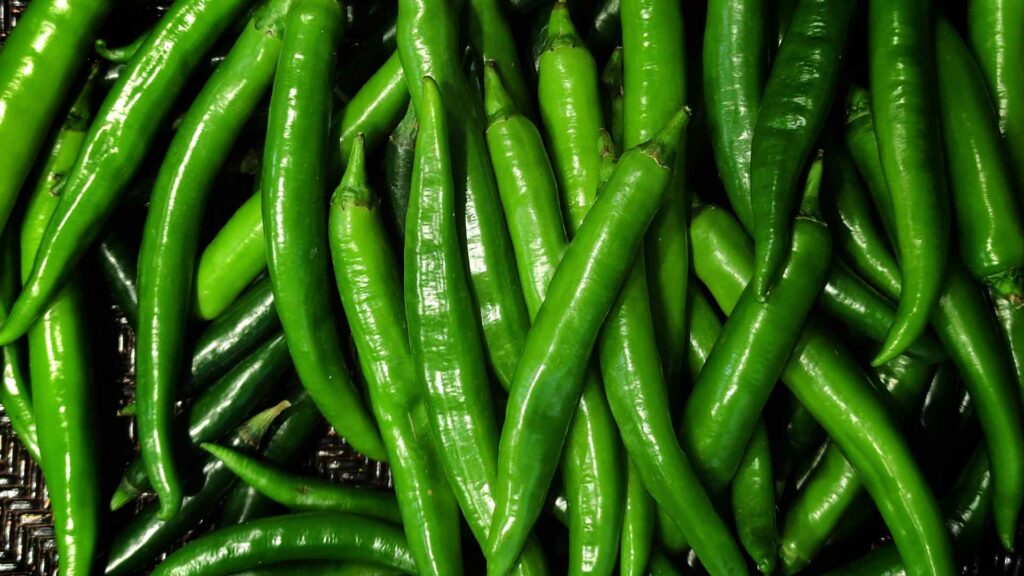
Jalapeño, serrano, cayenne, and some ornamental peppers contain capsaicinoids that create heat. Dogs do not need this sensory challenge, and a spicy pepper can cause oral discomfort, drooling, vomiting, or diarrhea.
The Merck Veterinary Manual poisonous-plants table describes capsaicinoids in chile and ornamental peppers as gastrointestinal irritants that may cause vomiting and diarrhea, while noting they are not likely to be lethal. That is a reason to avoid them without turning one lick into a guaranteed catastrophe.
Do not offer milk, oil, antacids, or human pain medicine after a spicy bite unless a veterinarian directs it. Provide access to water, prevent more exposure, and call if signs are marked, persistent, or paired with another unsafe ingredient.
Rubbing a face after contact with pepper oils can spread irritant to the eyes and skin. Prevent licking of contaminated hands or surfaces and rinse exposed eyes with clean lukewarm water while seeking veterinary instructions.
Pickled and canned green peppers
Jarred peppers may contain salt, vinegar, garlic, onion, chile, preservatives, or sugar. A tiny piece of mild plain pepper from brine is different from drinking brine or eating a jar of hot pickled jalapeños.
High-sodium foods are inappropriate for dogs with some heart, kidney, or urinary conditions and add needless salt for healthy dogs. Save the jar label and record whether brine and packaging are missing.
Stuffed peppers are judged by the stuffing
Stuffed green peppers commonly hold onion, garlic, seasoned meat, cheese, rice, tomato sauce, salt, and fat. Some versions add raisins, currants, spicy sausage, or sugar-free ingredients.
Our onion guide explains why cooked onion is still relevant, and our garlic guide covers cloves, powder, and sauces. Scraping away visible pieces does not remove ingredients already cooked through the filling.
A small crumb of ordinary filling may cause no signs, but a missing pan is not a bell-pepper snack. Call with the recipe, quantity, time, dog’s weight, medical conditions, and symptoms.
Fajitas, pizza, stir-fry, and sausage
Green pepper in restaurant food often arrives coated with oil, salt, onion, garlic, sauce, or meat drippings. Fatty food can cause digestive upset and is a poor choice for dogs with pancreatitis history or a prescribed low-fat diet.
Pizza adds dough, cheese, sauce, and possible garlic or onion seasoning. Fajitas and stir-fries may use concentrated sauce, while sausage can add fat, sodium, spice, and unknown casings.
Our cherry-tomato guide separates ripe tomato flesh from plant parts and seasoned sauces. That distinction is useful when a mixed vegetable dish disappears.
Salsa and green sauce
Salsa verde may be based on tomatillo rather than green bell pepper and often contains onion, garlic, hot chile, lime, salt, and herbs. Green color alone says almost nothing about canine suitability.
Bottled sauce can be much more concentrated than a vegetable piece. Keep the current ingredient label because heat level and recipe vary between brands and batches.
Pepper is an extra, not vitamin treatment
Bell peppers contain nutrients, but a dog-safe treat portion cannot correct vitamin deficiency or treat immune, eye, skin, joint, or heart disease. Larger portions add more unbalanced food and increase the chance of stomach upset.
The UC Davis veterinary treat guideline recommends that treats and extras stay below 10 percent of daily calories. Complete and balanced dog food should provide at least 90 percent.
Do not replace measured meals with vegetables to force weight loss. Safe calorie reduction for an overweight dog should preserve essential nutrients and account for medications, activity, and underlying disease.
Allergy and individual tolerance
A dog can react poorly to almost any new food, but one itchy evening does not prove a green-pepper allergy. Seasonings, meats, dairy, environmental allergens, infection, and parasites may be competing explanations.
The Merck Veterinary Manual food-allergy review describes a strict elimination diet followed by rechallenge as the reference diagnostic approach. Online intolerance panels and casual food rotation are not substitutes.
Facial swelling, widespread hives, breathing difficulty, weakness, or collapse is an emergency. Mild recurrent itching, ear trouble, vomiting, or diarrhea deserves a planned veterinary workup.
Who should skip green pepper?
Dogs on strict elimination diets should receive no unapproved extras, even foods that seem simple. Dogs with active vomiting, diarrhea, swallowing disease, severe dental problems, or a prescription diet also need individualized advice.
A puppy needs nearly all available calories for complete growth nutrition, so a vegetable should remain tiny and optional. A senior dog may have dental, kidney, heart, or digestive restrictions that matter more than age itself.
What to do after a pepper raid
- Identify sweet bell pepper, hot chile, ornamental pepper, plant material, or an unknown fruit.
- Record raw or cooked form, quantity, recipe, heat level, time, dog weight, symptoms, and medical conditions.
- Save labels for pickles, sauce, sausage, seasoning, stuffing, and sugar-free ingredients.
- Check for missing skewers, toothpicks, foil, plastic wrap, jar lids, or other packaging.
- Call promptly for hot or unknown peppers, unsafe co-ingredients, a large amount, packaging, or significant symptoms.
A healthy adult dog that eats a few plain green bell-pepper pieces and stays comfortable can usually be monitored. Keep water available and return to the usual complete meal.
Do not induce vomiting unless a veterinary professional directs it. A sharp stem, unknown plant, spicy oil, swallowed packaging, or existing symptoms can make home vomiting unsafe.
Frequently asked questions
Are green bell peppers toxic to dogs?
Plain green bell-pepper flesh is not a recognized canine toxin. Portion, texture, individual tolerance, and preparation still matter.
Can dogs eat green pepper seeds?
A few bell-pepper seeds are unlikely to poison a dog, but remove loose seeds, core, and stem for simpler preparation. Hot-pepper seeds and inner membranes can carry irritating capsaicin.
Can dogs eat cooked green peppers?
Yes, if the bell pepper is cooked plain, cooled, and cut small. Sautéed peppers with oil, onion, garlic, salt, or sauce are a different food.
What if my dog ate a jalapeño?
Remove access, offer water, and call if there is marked drooling, eye exposure, repeated vomiting, diarrhea, pain, weakness, or another unsafe ingredient. Do not force milk or oil.
The bottom line
A few pieces of washed, stem-free green bell-pepper flesh can be an occasional extra for many healthy dogs. Cut the crisp vegetable for the dog and keep it plain.
Hot chiles, ornamental or unknown peppers, whole peppers, pickles, stuffed dishes, sauces, and seasoned restaurant food need separate judgment. Identify the exact pepper and recipe before deciding the green color makes it harmless.