Can Dogs Eat Sugar? Sweeteners, Baked Goods, and Risks
A tiny spill of ordinary table sugar is unlikely to poison a dog, but dogs do not need added sugar for energy or health. Large amounts can cause gastrointestinal upset and excess calories, while sugar-free products may contain xylitol and baked goods can hide chocolate, raisins, macadamias, alcohol, or raw yeast dough.

Start by identifying the sweetener
Table sugar, brown sugar, powdered sugar, corn syrup, honey, and xylitol are not interchangeable. Find the package or recipe before deciding the dog ate “sugar,” especially when the food was labeled sugar-free, keto, low-carb, or no-added-sugar.
For a tiny known table-sugar spill in a healthy dog, remove access, provide normal fresh water, and observe. Call after a large or unknown amount, xylitol, dangerous baked-good ingredients, raw dough, symptoms, or swallowed packaging.
Ordinary sugar is not xylitol
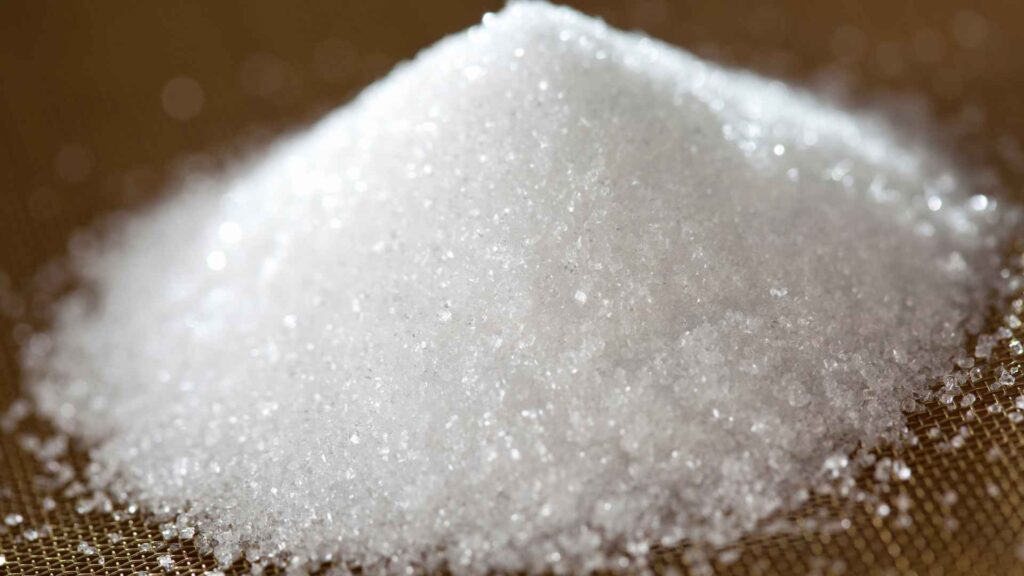
Sucrose is conventional table sugar and does not trigger the canine insulin crisis associated with xylitol. It still adds calories and can cause stomach upset after a large raid, so “not xylitol” does not mean useful.
Xylitol may be listed as birch sugar, wood sugar, or birch bark extract. The FDA warns that it can rapidly cause profound hypoglycemia in dogs and may injure the liver.
Call an emergency veterinarian immediately if xylitol is listed or the sweetener is unknown. Do not wait for vomiting, weakness, staggering, collapse, seizures, or bleeding abnormalities.
Large sugar loads
A dog that eats a bowl or bag of ordinary sugar may develop vomiting, diarrhea, gas, abdominal discomfort, thirst, or appetite changes. Sticky syrup can also coat the mouth, fur, and paws and encourage further licking.
Repeated vomiting, severe diarrhea, abdominal pain, marked lethargy, weakness, tremors, or inability to keep water down needs veterinary advice. Symptoms matter even when no classic toxin appears.
Calories and weight
Added sugar supplies calories without a complete canine nutrient profile. Repeated sharing can contribute to weight gain and displace balanced food, particularly in toy dogs with small daily energy needs.
The UC Davis veterinary nutrition service recommends that treats and extras remain within 10 percent of daily calories. Sugar is a poor way to spend that limited allowance.
Diabetes and endocrine disease
Dogs with diabetes should not receive added sugar unless the treating veterinarian gives a specific emergency instruction. Routine sweet treats complicate calorie control and are not a safe way to adjust insulin.
Never change insulin because of a food theft without veterinary guidance. Call with the amount, timing, recent meal, medication dose, glucose information if monitored, and symptoms.
The hypoglycemia exception
A veterinarian may sometimes instruct an owner to rub a specific sugar source on the gums during suspected hypoglycemia while arranging emergency care. That is a case-specific first-aid instruction, not permission to treat weakness or seizures with sugar on your own.
An unconscious, seizing, or poorly swallowing dog can aspirate liquid or food. Call emergency veterinary care immediately and follow exact instructions rather than pouring syrup into the mouth.
Baked goods
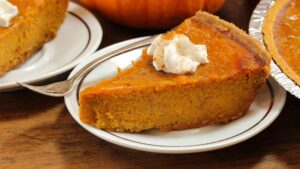
Cookies, cakes, brownies, pastries, and frosting can contain chocolate, raisins, macadamia nuts, coffee, alcohol, xylitol, nutmeg, fatty dairy, or wrappers. The sugar may be the least urgent ingredient.
The ASPCA food-hazard guide summarizes several common co-toxins. Our chocolate guide and raisin guide cover two time-sensitive exceptions.
Raw yeast dough
Sweet roll, bread, and pizza dough containing live yeast can expand in the stomach and produce ethanol. The Merck Veterinary Manual explains that raw yeast dough can cause gastric distention and alcohol toxicosis.
Call immediately after a meaningful raw-dough ingestion, even before signs begin. A swollen abdomen, unproductive retching, poor coordination, lethargy, weakness, low body temperature, or seizures can develop.
Dental claims
Frequent sticky sweets can be unhelpful for oral hygiene, but one spill does not call for aggressive home scraping or human toothpaste. Resume veterinary-approved dental care after the immediate exposure is settled.
Do not use sugar as an “energy boost” for exercise, senior weakness, or poor appetite. Those signs can reflect pain, anemia, heart disease, endocrine disease, infection, or other problems needing diagnosis.
Syrups and flavored sugars
Maple syrup, caramel, molasses, honey, drink syrups, and powdered mixes each have different ingredients and concentrations. Sugar-free versions demand another xylitol check, while coffee syrups may add caffeine.
Our maple syrup guide, caramel guide, and honey guide provide product-specific distinctions.
Powder inhalation and cleanup
Powdered sugar can form a dust cloud and irritate the eyes or airways. Move the dog away, ventilate without blowing dust toward anyone, and call for persistent coughing, breathing difficulty, or eye pain.
Clean sticky spills with pets out of the room and rinse sugar from fur or paws with lukewarm water. Do not use essential oils or harsh cleaners on the dog.
Packaging
Paper sacks, plastic pouches, twist ties, clips, measuring scoops, and wrappers can choke or obstruct. Check every component after a pantry raid.
Repeated vomiting, abdominal pain, inability to keep water down, straining, or marked lethargy after packaging ingestion needs urgent care. Do not pull visible plastic or string from the rectum.
What to do now
- Identify the exact sugar, sweetener, recipe, and amount.
- Check repeatedly for xylitol and dangerous baked-good ingredients.
- Record time, dog’s weight, conditions, medicines, and symptoms.
- Inspect for missing bags, wrappers, clips, and utensils.
- Call for xylitol, raw dough, co-toxins, a large amount, symptoms, or packaging.
Do not induce vomiting or give salt, mustard, oil, milk, charcoal, or more sugar without professional direction. The hypoglycemia exception applies only when a veterinarian explicitly instructs it for that dog and situation.
Brown, powdered, and raw sugars
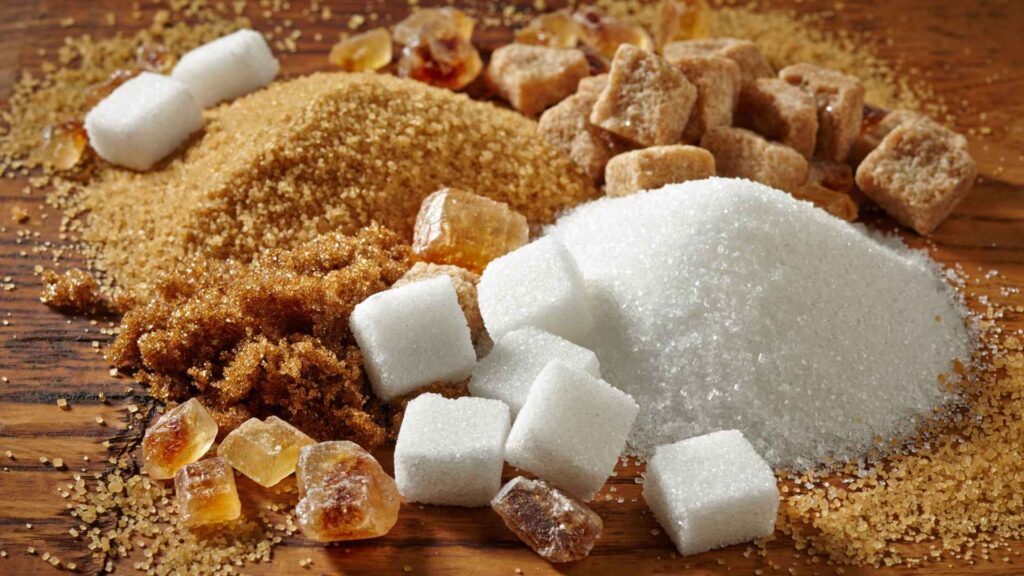
Brown sugar is sucrose with molasses, powdered sugar is finely ground sucrose, and raw-style crystals are still conventional sugars. Their texture and recipe use differ, but none is a canine nutrition requirement.
Powdered forms aerosolize more easily, while coarse crystals can scatter across floors and into packaging seams. Clean spills with pets out of the room.
Candy and gummies
Hard candy can choke or damage teeth, gummy candy can lodge or carry active ingredients, and chocolate candy adds theobromine. Sugar-free candy demands the same repeated xylitol check.
Candy-like THC, caffeine, vitamin, and supplement gummies require a product-specific call even when the piece looks ordinary. The active ingredient and strength matter more than the sugar.
Sports drinks and energy products
Sugary sports drinks are not veterinary electrolyte therapy, and energy products may contain caffeine, guarana, vitamins, or xylitol. A dog with dehydration needs an appropriate assessment rather than a human beverage.
Caffeine can cause restlessness, vomiting, fast heart rate, tremors, overheating, abnormal rhythms, or seizures. Report milligrams per serving and the amount missing.
Sugar water is not routine first aid
Do not add sugar to water for heat, exercise, diarrhea, weakness, or poor appetite. It can make intake hard to measure and may delay care for a serious cause.
Normal fresh water remains the default unless the veterinary team provides a specific fluid plan. A dog unable to drink, repeatedly vomiting, or showing neurologic signs needs prompt assessment.
Mold and pantry contamination
Sugar itself is shelf-stable when dry, but an opened bag can collect moisture, insects, cleaning residue, rodent contamination, or foreign objects. Secure a damaged product rather than letting the dog investigate.
If the exposure includes cleaner, poison bait, medication, or unknown powder, treat that substance as the priority. Save a sample and packaging when safe.
Dogs on weight plans
Small uncounted tastes can undermine a carefully calculated calorie target. Measure all treats, toppings, pill foods, chews, and table scraps rather than focusing only on obvious sweets.
A veterinarian can set a calorie target and choose a complete diet that preserves nutrients while weight is lost. Sugar restriction alone is not a complete weight program.
Children and baking routines
Keep dogs outside the baking area while sugar, chocolate, raisins, raw dough, and wrappers are in use. Clean dropped ingredients before allowing the dog back.
Teach children to ask before sharing food and close candy containers immediately. Prevention is easier than identifying a half-eaten mixed dessert later.
Dental care after sweets
Do not scrub a struggling dog’s mouth or apply human toothpaste after a sugar theft. Human dental products can contain ingredients that should not be swallowed, and force can cause injury.
Return to the dog’s normal veterinary-approved dental routine after immediate exposure questions are settled. Persistent mouth pain, a broken tooth, bleeding, or trouble swallowing needs examination.
Monitoring ordinary sugar
After a known small spill, watch appetite, vomiting, stool, abdominal comfort, thirst, energy, and behavior. Continue the regular diet unless a veterinarian recommends otherwise.
Call if signs persist, worsen, or seem out of proportion. The product may contain another sweetener or co-ingredient, or more may have been eaten than anyone saw.
Information for a veterinary call
Provide the exact product, ingredient list, recipe, amount, time, dog’s weight, conditions, medicines, and symptoms. Photograph labels and remaining food before cleaning everything away.
Do not delay because the amount is uncertain. A useful range and clear ingredient information allow triage to begin.
Bottom line
A tiny table-sugar spill is usually low risk, but added sugar offers no energy or health advantage for dogs. Xylitol confusion, large loads, diabetes, baked-good toxins, raw yeast dough, symptoms, and packaging determine when prompt care is needed.