Can Dogs Eat Pumpkin Pie? Nutmeg, Xylitol, Fat, and Crust Risks
One pumpkin-pie crumb is unlikely to harm a healthy dog, but a slice is a rich dessert, not a pumpkin supplement. Fat, sugar, dairy, nutmeg, xylitol, raisins, macadamias, raw dough, crust, toppings, and packaging determine whether the response stays simple.
Check the form and amount first
- One ordinary crumb: usually monitor for digestive upset.
- A slice or whole pie: call for a small dog, rich-food risk, medical restrictions, or symptoms.
- Sugar-free pie: check xylitol and other sweeteners immediately.
- Nutmeg container, whole nut, or spice mix missing: assess separately from the pie.
- Raw dough, foil, plastic, pan liner, or decoration missing: report every co-exposure.
Save the label or recipe and record amount, time, dog weight, conditions, medications, prescribed diet, symptoms, and every missing object. Homemade, bakery, frozen, vegan, keto, and canned-filling pies can have very different ingredients.
Pumpkin pie is not plain pumpkin
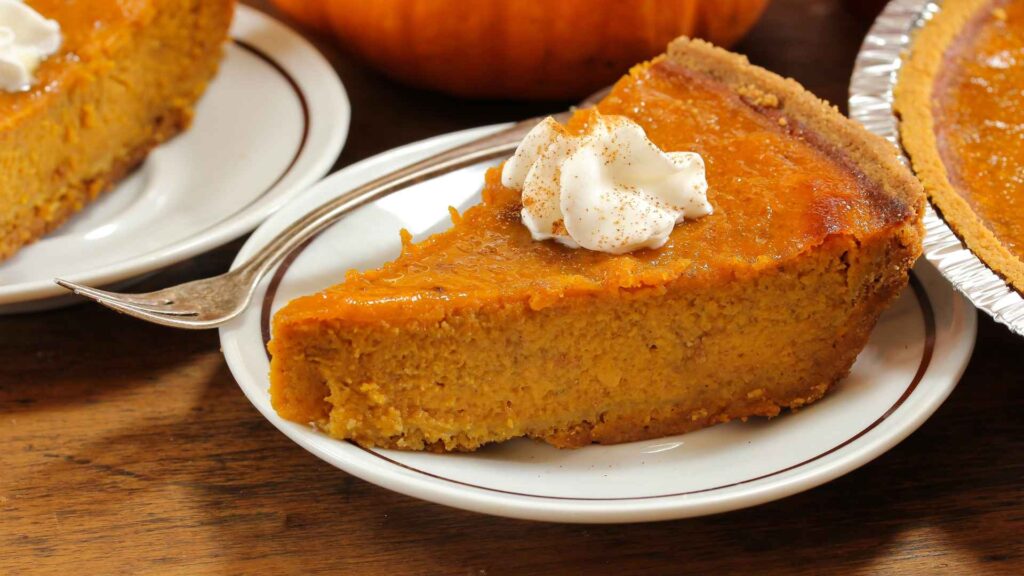
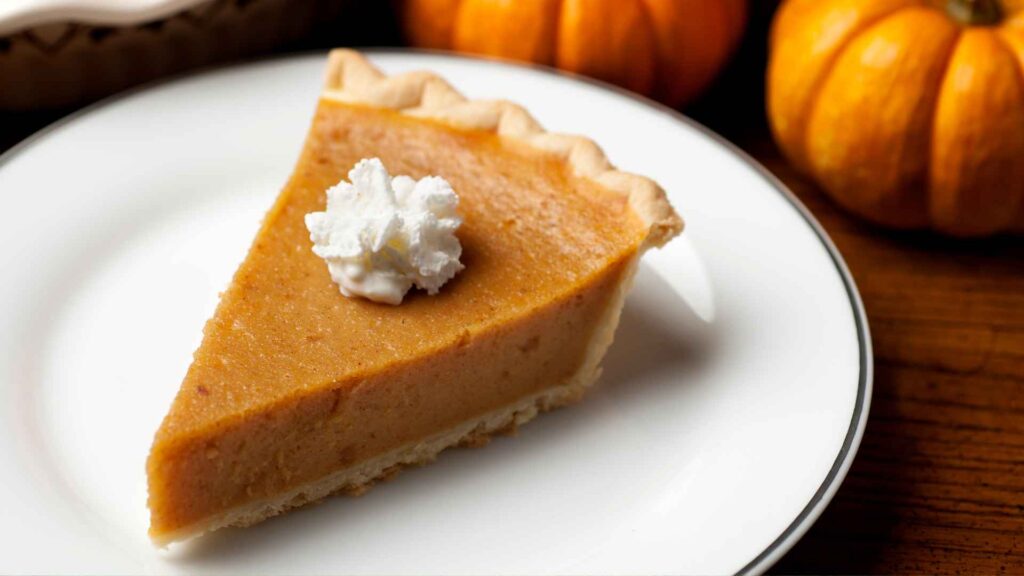
Pie filling usually combines pumpkin with sugar, eggs, milk or cream, spices, and a pastry crust. Ready-to-use canned pie mix is already sweetened and spiced, while plain canned pumpkin should list pumpkin alone.
Our plain pumpkin guide separates cooked pumpkin from sweetened products. A familiar orange color does not make dessert appropriate for digestive care.
A crumb contains only a tiny fraction of the recipe, so it rarely justifies panic by itself. A stolen slice, pan, or filling can deliver enough fat, sugar, dairy, and spice to warrant closer assessment.
Fat can cause more than loose stool
Butter or shortening in crust, evaporated milk or cream in filling, and whipped topping all add fat. A large rich meal can cause vomiting and diarrhea and may contribute to pancreatitis in susceptible dogs.
The Merck Veterinary Manual pancreatitis overview includes appetite loss, vomiting, weakness, abdominal pain, dehydration, and diarrhea among possible signs. Those signs after a pie raid deserve veterinary assessment.
Dogs with previous pancreatitis, high blood fats, obesity, endocrine disease, or a low-fat prescription plan should skip pie. Do not fast a sick dog or give human pain medicine without instructions.
Sugar and dairy add predictable problems
Ordinary sugar, brown sugar, maple syrup, or condensed milk mainly adds calories in a small taste. Large servings can cause digestive upset and make the dessert especially unsuitable for diabetes or weight-control plans.
Milk, cream, butter, and whipped cream can cause gas, loose stool, cramps, or vomiting in dairy-intolerant dogs. Milk allergy is an immune response to proteins and is not solved by choosing lactose-free dairy.
Our whipped-cream guide covers plain licks, flavored toppings, aerosol cans, and dairy reactions. Sugar-free topping needs its own sweetener check.
Nutmeg requires proportion, not panic
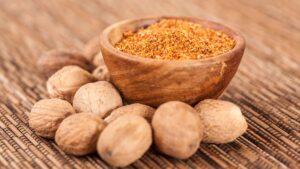
Nutmeg contains myristicin, which can cause neurologic and cardiovascular signs after a sufficiently large exposure. The tiny quantity distributed through one baked crumb is very different from eating powder, a whole nut, oil, or concentrate.
Veterinary toxicology guidance from Pet Poison Helpline notes that very large nutmeg amounts can cause disorientation, increased heart rate, high blood pressure, dry mouth, abdominal pain, and possibly seizures. It also explains that toxicity is unlikely from the amount in ordinary nutmeg-containing food.
Call when the spice amount is meaningful or unknown, a shaker broke, a whole nut is missing, or signs develop. Our nutmeg guide covers powder, oils, eye contact, and monitoring in detail.
Xylitol changes the urgency immediately
Most traditional pie uses sugar, not xylitol, so an ordinary crumb is not automatically a sweetener emergency. Sugar-free, keto, diabetic-friendly, low-carb, and homemade recipes require a careful check.
Xylitol may be listed as birch sugar, wood sugar, or birch bark extract. The FDA xylitol warning advises immediate veterinary or poison-control contact because dogs can develop dangerous low blood sugar and liver injury.
Do not wait for vomiting, weakness, stumbling, collapse, tremors, or seizures. Save the recipe, sweetener package, pie weight, amount left, and dog weight.
Raisins, macadamias, and chocolate
Some holiday pies, crusts, toppings, and streusels add raisins, chocolate, or nuts. Raisins can cause unpredictable kidney injury, while macadamia nuts can cause weakness, abnormal walking, vomiting, tremors, and increased temperature.
Chocolate adds theobromine and caffeine, with dark, baking, and high-cacao forms generally creating greater concern. Call promptly with the type, amount, time, dog weight, and recipe rather than waiting for symptoms.
Our raisin guide explains why there is no reliable safe raisin count. Assess every topping instead of assuming pumpkin is the only ingredient.
Crust, decorations, and choking
Pastry crust adds concentrated fat and calories, while a thick hard edge can lodge in a tiny dog’s throat. Decorative nuts, candy, hard sugar pieces, skewers, and toothpicks create additional choking or injury risks.
Breathing trouble, blue or gray gums, continuous gagging, or collapse is an emergency. Repeated vomiting, belly pain, refusal to eat, or inability to keep water down can signal obstruction or pancreatitis.
Raw pie dough is a separate exposure
Ordinary pastry dough may contain raw flour and eggs, while yeast-raised decorative or specialty dough can expand and produce alcohol in the stomach. Identify whether yeast was present rather than treating all dough alike.
The Merck Veterinary Manual bread-dough review explains the expansion and ethanol risks of raw yeast dough. A swollen painful belly, unsteadiness, unusual sleepiness, vomiting, weakness, or breathing changes needs urgent care.
Raw flour and eggs also require careful kitchen cleanup and handwashing. Do not let a dog lick bowls, beaters, dough scraps, or spilled filling.
Packaging and pans can become the emergency
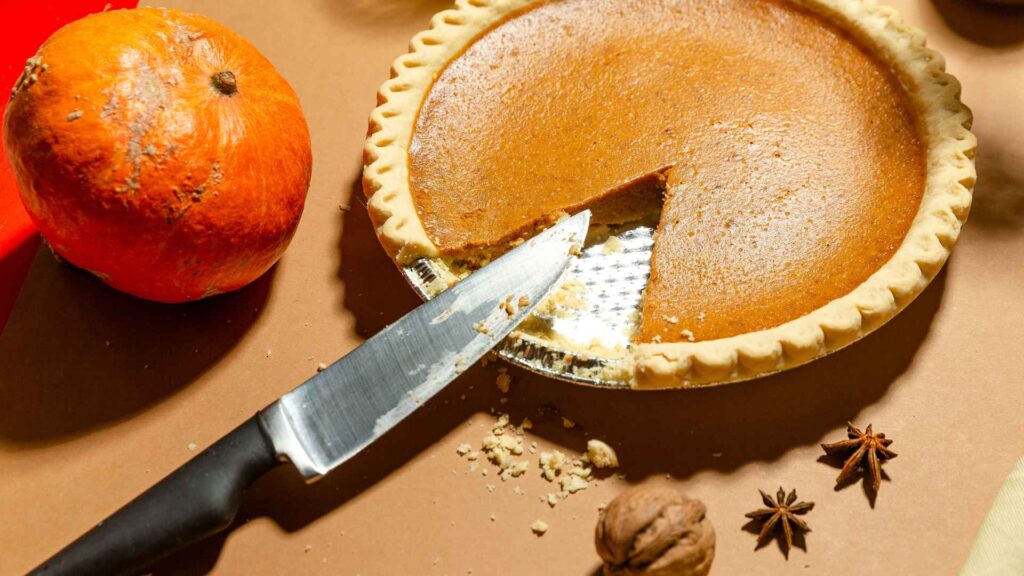
Foil tins, glass dishes, plastic wrap, bakery windows, cardboard, pan liners, clips, aerosol caps, and serving utensils may disappear during a raid. Sharp foil or broken glass can cut, while plastic can choke or obstruct.
Inventory every missing object and do not induce vomiting when sharp or bulky material may be present. Food bags can also seal around a dog’s face and cause suffocation.
Pumpkin is not a universal GI remedy
Pumpkin pie should never be used to treat diarrhea, constipation, anal-gland trouble, poor appetite, or dehydration. Sugar, fat, dairy, spices, and crust make it especially unsuitable for a sick stomach.
Even plain pumpkin is not one-size-fits-all therapy because fiber type, amount, calories, disease, and the rest of the diet matter. Blood, pain, repeated vomiting, weakness, dehydration, toxin exposure, or persistent stool change needs veterinary assessment.
The World Small Animal Veterinary Association treat guide recommends keeping treats below 10 percent of daily calories. Dessert spends that allowance quickly without improving the complete diet.
A practical monitoring plan for a small taste
After one ordinary crumb with no hazardous co-ingredient, remove the rest and continue the dog’s normal routine unless a veterinarian advises otherwise. Watch appetite, energy, comfort, stool, and vomiting, and make sure normal drinking water remains available.
Do not add milk, oil, bread, charcoal, antacids, or human stomach medicine in an attempt to cancel the dessert. Extra food can complicate the picture, and several common human medicines are inappropriate for dogs.
A puppy, toy-size dog, older dog, or dog with diabetes, food allergy, digestive disease, kidney disease, or a prescribed diet may need advice after less pie than a healthy large adult. The recipe and the patient’s history matter more than a catchy universal serving limit.
How to compare homemade and store-bought pies
For a homemade pie, list every ingredient in the filling, crust, topping, glaze, and decoration, including the exact sweetener and spice amounts. For a purchased pie, photograph the ingredient panel and nutrition label before throwing away the box.
Products labeled vegan, gluten-free, keto, reduced-sugar, or dairy-free are not automatically safer for dogs. They may replace familiar ingredients with nut flours, concentrated sweeteners, coconut fat, chocolate, raisins, or other additions that require separate review.
Compare the amount missing with the pie’s total weight or number of servings instead of guessing by crumbs on the floor. If several dogs had access, assume the smallest dog could have eaten the largest plausible share until evidence shows otherwise.
Note whether the dog ate only soft filling or also swallowed dense crust, nuts, decorations, and topping. That distinction helps separate a routine stomach-upset question from a foreign-object or toxin concern.
Prevent the next countertop raid
Cool pies in a closed room or secured appliance, not at the back of an accessible counter. Put leftovers into a rigid lidded container and store spices, sweeteners, toppings, and raw dough behind a latched door.
Clear plates, foil, utensils, and aerosol toppings as soon as serving ends because a seemingly empty table still smells rewarding. During gatherings, give guests one simple rule: no bites from plates and no unattended dessert within reach.
What to do after a pie raid
Secure remaining pie, ingredients, spice containers, raw dough, toppings, and packaging, then estimate the maximum amount. Record time, dog weight, conditions, medications, diet, symptoms, and every missing object.
Call for xylitol, raisins, macadamias, chocolate, meaningful nutmeg, raw yeast dough, a large rich serving, medical vulnerability, packaging, or significant signs. For one ordinary crumb in a healthy dog, recipe review and monitoring are usually proportionate.
Bottom line
One pumpkin-pie crumb is usually low risk, but pie is rich dessert rather than digestive care. Fat, sugar, dairy, nutmeg, xylitol, raisins, macadamias, raw dough, crust, toppings, medical diets, and packaging deserve closer attention.