Can Dogs Eat Mozzarella? Portions, Dairy, and Choking Risks
A small plain piece of mozzarella is usually safe for a healthy dog, but mozzarella is not a calcium supplement or everyday reward. Lactose tolerance, milk allergy, fat, calories, sodium, string-cheese shape, mold, pizza seasonings, and packaging all change the practical answer.
The quick answer
If a healthy dog ate one small unseasoned piece and acts normal, remove the rest and observe. Call after a large amount, choking, repeated vomiting, abdominal pain, a flavored product with garlic or onion, moldy cheese, significant packaging ingestion, or a dog with pancreatitis or a strict prescription diet.
Fresh versus low-moisture mozzarella
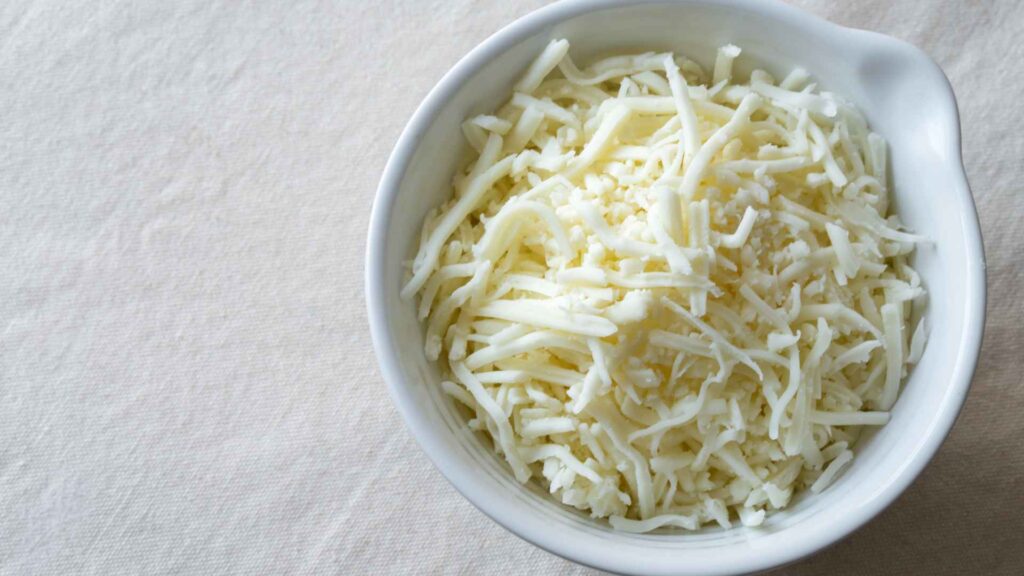
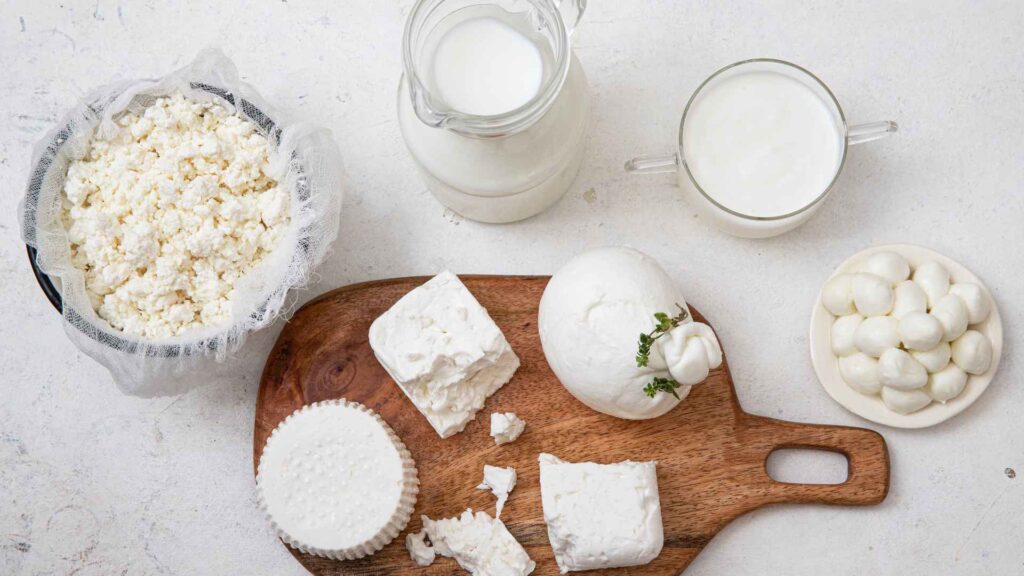
Fresh mozzarella is soft and often stored in liquid, while low-moisture blocks, shreds, sticks, and string cheese are firmer and may contain more sodium by weight. Neither format creates a health need for a dog.
Read the product label because serving size, sodium, fat, and added flavors differ. Brine and marinade deserve their own review rather than being counted as plain cheese.
Lactose and digestion
Many adult dogs digest lactose poorly, though mozzarella may contain less lactose than milk depending on production. A sensitive dog can still develop gas, abdominal discomfort, diarrhea, or vomiting.
The ASPCA explains that milk and dairy can cause digestive upset because pets do not possess substantial amounts of lactase. Start with no more than a tiny taste and stop if symptoms appear.
Milk-protein allergy
Lactose intolerance is a digestive problem, while allergy involves an immune response to milk proteins. Recurrent itching, ear disease, vomiting, or diarrhea needs veterinary evaluation rather than repeated testing with different cheeses.
Facial swelling, widespread hives, breathing difficulty, weakness, or collapse after eating is an emergency. During an elimination diet, mozzarella can invalidate the trial even if the serving is small.
Fat, calories, and pancreatitis
Mozzarella is calorie-dense compared with many training treats, and full-fat varieties can add up quickly. A cheese raid is particularly concerning for dogs with prior pancreatitis, obesity, high triglycerides, or a prescribed low-fat diet.
The Merck Veterinary Manual identifies large amounts of table scraps or inappropriate foods as a common suspected pancreatitis risk factor. Appetite loss, vomiting, weakness, abdominal pain, dehydration, or diarrhea warrants assessment.
Sodium
Fresh unsalted mozzarella and processed string cheese can differ substantially in sodium. Dogs with heart, kidney, or sodium-sensitive disease should not receive cheese without individualized approval.
Check sodium per serving and calculate the amount actually eaten. Rinsing fresh mozzarella may remove surface brine but does not create a precisely low-sodium food.
String cheese and choking
Long stringy pieces can be gulped, wrap in the mouth, or lodge in the throat, especially in toy dogs, puppies, seniors, and enthusiastic eaters. Cut any approved piece into a small cube rather than inviting the dog to pull a string.
Breathing difficulty, blue or gray gums, collapse, or frantic pawing at the mouth is an emergency. Do not blindly sweep fingers deep into a conscious dog’s throat.
Pizza and seasoned mozzarella
Pizza cheese carries sauce, grease, salt, garlic, onion, pepperoni, sausage, and crust crumbs. The cheese cannot be evaluated separately once the dog steals a loaded slice.
Our pizza guide, garlic guide, and pepperoni guide cover those linked risks.
Fried, breaded, and stuffed cheese
Mozzarella sticks add oil, breading, salt, seasonings, and dipping sauce. Hot cheese can burn the mouth, while skewers or toothpicks can puncture tissue or obstruct the digestive tract.
Stuffed meat, pasta, or bread may hide garlic and onion powder. Keep the recipe and report every component after a theft.
Mold and spoilage
Discard mozzarella that exceeds storage guidance, smells wrong, becomes unusually slimy, or shows unintended mold. Fresh cheese has high moisture and should not sit unrefrigerated beyond food-safety limits.
Repeated vomiting, diarrhea, fever, weakness, tremors, or unusual behavior after spoiled dairy warrants veterinary advice. Save the package and lot information if a commercial product seems defective.
No calcium-treatment claim
Mozzarella contains calcium and protein, but cheese is not a balanced way to treat bone disease, strengthen puppy growth, or correct a deficiency. Extra calcium can be inappropriate, particularly in growing dogs.
A complete diet supplies minerals in controlled proportions. A dog with a suspected deficiency needs veterinary diagnosis, not an expanding cheese portion.
Pill use
A tiny piece can conceal some medicines, but confirm that the drug may be given with dairy and food. Some tablets must remain intact, require an empty stomach, or interact with calcium.
Use the smallest amount, confirm it was swallowed, and keep medicated cheese away from other pets and children. A shared snack can become a missed dose or accidental overdose.
Treat budget
The UC Davis veterinary nutrition service recommends limiting extras to 10 percent of daily calories. Cheese can use that allowance quickly in a small dog.
For general cheese distinctions, see our cheese guide. Use kibble or a lower-calorie veterinary-approved reward for frequent training.
Packaging
Plastic wrap, string-cheese film, wax, foil, tubs, and brine pouches can be swallowed. Check every component after a dog raids the refrigerator or lunchbox.
Repeated vomiting, abdominal pain, inability to keep water down, straining, or marked lethargy after packaging ingestion needs urgent care. Do not pull visible plastic from the rectum.
Burrata, bocconcini, and marinated balls
Burrata contains a rich creamy center, which adds fat and may be harder on a sensitive stomach than a plain mozzarella cube. Bocconcini and pearls can be gulped whole, especially by small dogs.
Marinated mozzarella may contain oil, garlic, chili, herbs, and high sodium. Keep the container and report the entire marinade after a theft.
Shredded cheese and anti-caking ingredients
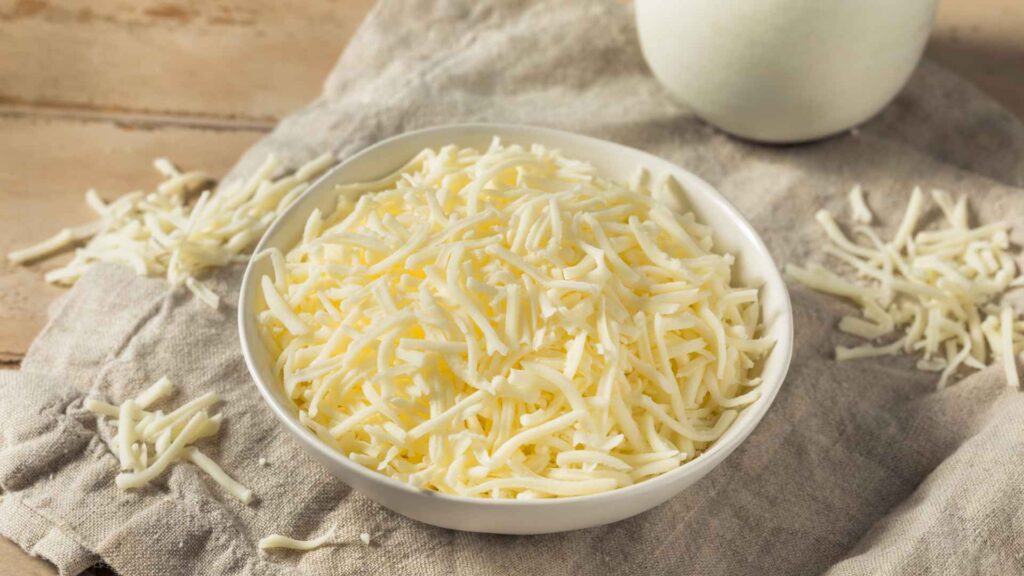
Pre-shredded mozzarella may contain starch or cellulose to reduce clumping, and seasoned blends can mix several cheeses. These ingredients do not make one shred poisonous, but the product is not identical to fresh mozzarella.
A dog can swallow a surprising volume from an open bag. Estimate the missing weight or fraction of the package rather than counting shreds.
Low-fat and lactose-free labels
Part-skim mozzarella may contain less fat than whole-milk cheese, but it remains calorie-dense and can still contain sodium. Low-fat does not mean suitable for every dog with pancreatitis.
Lactose-free dairy can reduce one digestive concern without removing milk protein allergy, fat, sodium, calories, flavorings, or packaging. Evaluate the complete label.
Cheese boards and party food
Mozzarella on a board may sit beside grapes, raisins, macadamia nuts, chocolate, skewers, cured meats, olives, and dips. Cross-contact does not guarantee poisoning, but a board raid requires a full inventory.
Ask guests not to share and clear fallen toothpicks immediately. A sharp object can become the main emergency even when the cheese portion was modest.
Hot melted cheese
Melted mozzarella can cling to the tongue and cause a thermal burn when taken straight from the oven. Drooling, mouth pain, refusal to eat, or visible tissue injury needs veterinary advice.
Do not apply ice directly to injured tissue or force the dog to eat. Offer care only as directed by the clinic.
Constipation and diarrhea myths
Cheese should not be used to stop diarrhea or create a bowel movement. Dairy and fat can worsen gastrointestinal signs, while constipation may reflect dehydration, pain, obstruction, medication, or disease.
Persistent vomiting, diarrhea, straining, a painful abdomen, or refusal of food deserves evaluation. Adding another cheese serving can delay useful diagnosis.
Special diets
Heart, kidney, urinary, gastrointestinal, endocrine, and weight-management diets may restrict sodium, fat, phosphorus, protein, calories, or unapproved ingredients. A generic safe-food answer cannot override those targets.
Puppies need controlled mineral balance for growth, and seniors may have less tolerance for rich food. Ask before making mozzarella a daily routine.
Comparing mozzarella with other pill foods
A pill does not need a cheese blanket. If the medicine may be given with food, use the smallest amount that hides it and confirm that the entire dose was swallowed.
For dogs that cannot tolerate dairy or fat, ask about a compatible commercial pill wrap or a tiny portion of the prescribed food. Never crush, split, or open medication unless the prescriber approves.
When the quantity is unknown
Check the package weight, remaining cheese, brine level, wrappers, and any missing string-cheese film. A rough minimum and maximum is more useful than saying the dog ate “some.”
Also report whether another dog had access, since dividing the missing amount equally can underestimate one animal’s exposure. Separate pets while monitoring so vomit or diarrhea can be attributed accurately.
Monitoring a known small taste
Watch appetite, vomiting, stool, gas, abdominal comfort, itching, and breathing. Keep the regular diet and normal water available.
Call when signs repeat, worsen, or do not fit the amount. Allergy, pancreatitis, spoiled dairy, another ingredient, or packaging may be involved.
Safer handling
Cut an approved piece before adding herbs or sauce to the human meal, then put the package away. This prevents seasoning transfer and turns portion control into a deliberate choice.
Use part of the dog’s kibble for frequent training. Mozzarella is too calorie-dense and dairy-dependent to be the default reward for dozens of repetitions.
Bottom line
One small plain piece is usually low risk for a healthy dog, while large servings, lactose intolerance, allergy, fat, sodium, choking, mold, seasonings, and packaging need more caution. Mozzarella is an optional treat, not a calcium intervention.