Can Dogs Eat Pineapple? Flesh, Core, Rind, and Products
Most healthy adult dogs can eat a few small pieces of plain, ripe pineapple flesh. Remove the crown, leaves, prickly rind, eyes, and tough core, cut the soft flesh small, and skip syrup, juice, dried fruit, cake, pizza, and sweetened products; pineapple is a treat, not digestive enzyme therapy or an anti-inflammatory remedy.
Only the soft inner flesh belongs in the dog’s portion
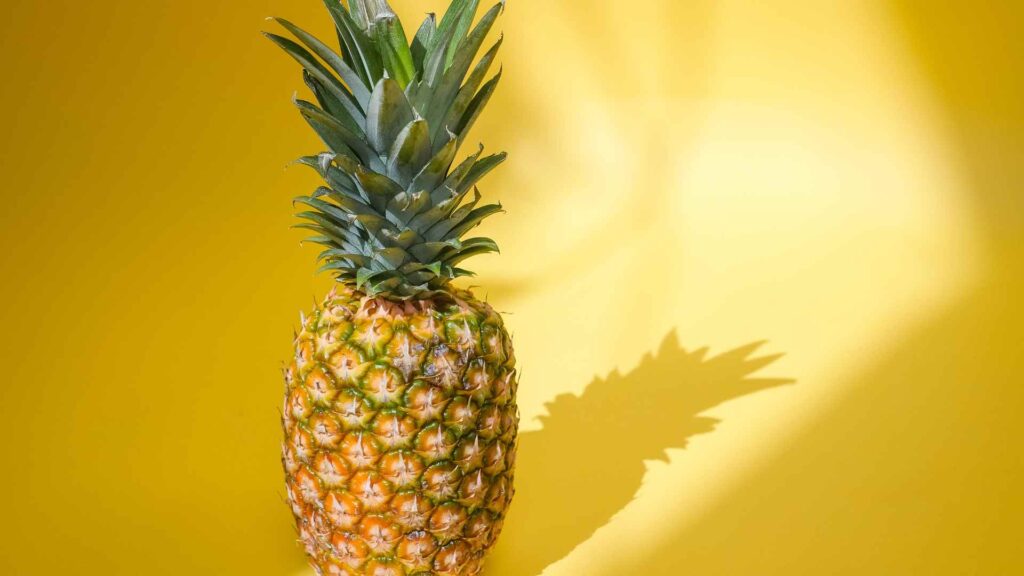
A pineapple offers several textures at once, and only one is suitable for casual feeding. The crown and leaves are stiff, the rind is spiny and fibrous, the core is dense, and the ripe flesh is soft enough to cut safely.
- Fresh ripe flesh: offer a few small plain pieces.
- Core: too tough and fibrous for purposeful feeding and capable of choking or obstruction.
- Rind and eyes: prickly, difficult to digest, and unsafe to hand over as a chew.
- Crown, leaves, and stem: discard securely and keep away from curious dogs.
- Canned, dried, juiced, candied, baked, or sauced pineapple: check the entire product.
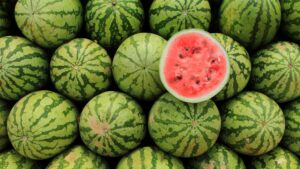
For another fruit where the outside matters, see our watermelon guide. A rind is not dog-safe merely because the flesh beside it is edible.
Core and rind are physical hazards
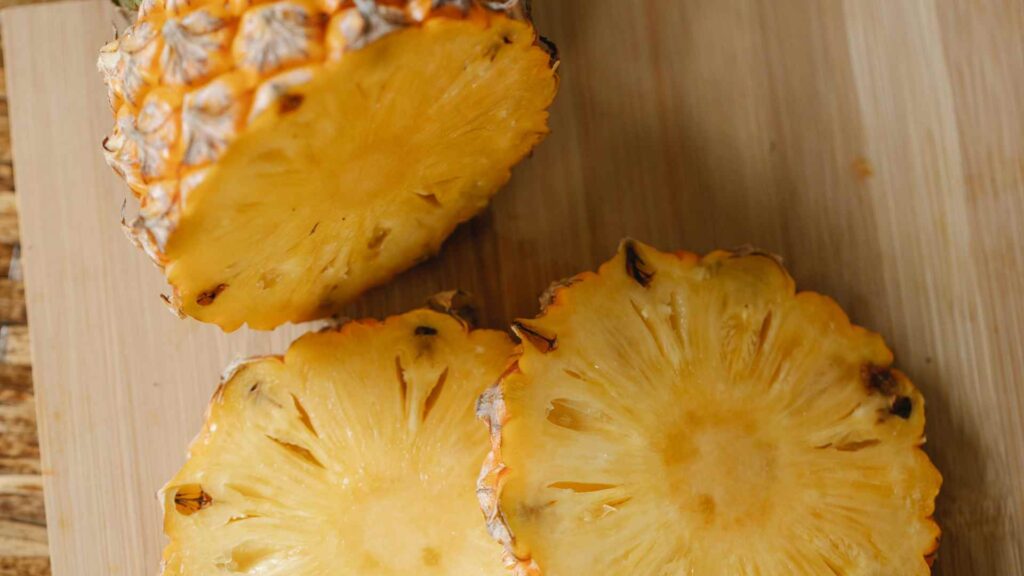
Pineapple core is hard, stringy, and easy for a determined dog to swallow in chunks. Rind combines tough fibers with sharp points that can scrape the mouth and create a choking or gastrointestinal foreign-body problem.
The American Kennel Club pineapple guide advises feeding only the flesh because the core and spiny skin can cause obstruction. That concern is mechanical, so the dog can need help without showing a classic toxin syndrome.
- Active choking, blue or pale gums, breathing difficulty, collapse, or severe distress is an emergency.
- Repeated gagging, drooling, retching, or trouble swallowing needs prompt assessment.
- Repeated vomiting, food refusal, abdominal pain, marked lethargy, or reduced stool can follow obstruction.
- A swallowed produce tag, bag, knife guard, skewer, or container adds another foreign-body concern.
Do not make the dog vomit unless a veterinary professional gives case-specific instructions. Rough rind or dense core can cause more harm on the way back up, and improvised remedies can delay treatment.
How to prepare fresh pineapple
- Choose a ripe fruit without mold, fermentation, leaking, or badly damaged areas.
- Wash the outside under running water before the knife touches it.
- Remove the crown, base, rind, remaining eyes, and tough central core.
- Inspect the soft flesh and cut it into small pieces suited to the dog.
- Offer one piece first, then stop after a few and refrigerate the rest promptly.
The FDA produce-safety guide recommends washing produce before cutting, using running water rather than soap or commercial wash, and keeping produce separate from raw meat and seafood. It also recommends refrigeration for pre-cut packaged produce.
A washed rind is still not edible for the dog, but washing matters because the knife can drag surface contamination into the flesh. Use clean hands, a clean board, and a clean knife.
Fresh-cut pineapple storage
Refrigerate cut fruit in a clean covered container and follow package dates for store-cut pineapple. Discard fruit that becomes slimy, bubbly, moldy, leaking, or sour in a way that suggests fermentation or spoilage.
Do not let a dog empty a compost bin of pineapple trimmings. Compost may also contain coffee grounds, moldy food, onions, garlic, bones, corn cobs, wrappers, and fermented scraps.
Sugar, fiber, and acidity set the limit
Pineapple is sweet, acidic, and fibrous, which is a lively combination for a sensitive stomach. Too much can cause drooling, lip licking, gas, vomiting, loose stool, abdominal discomfort, or food refusal.
A dog with diabetes, obesity, reflux-like symptoms, chronic gastrointestinal disease, or a therapeutic diet needs individualized advice. Even plain fruit may not fit a carefully controlled plan.
The UC Davis veterinary treat guideline recommends that all extras stay below 10 percent of daily calories. Pineapple shares that allowance with training food, chews, scraps, and medication helpers.
Ten percent is a ceiling, not a goal. One or two pieces may be plenty for a small dog, and a dog that dislikes tart fruit has not missed an essential nutrient.
Pineapple is not digestion therapy
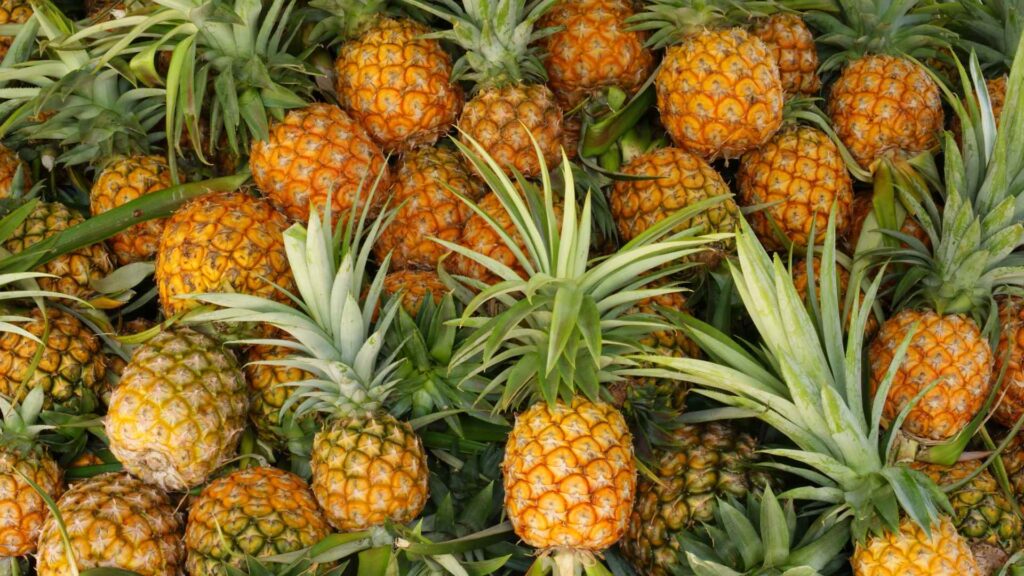
Pineapple contains bromelain enzymes, but that fact does not prove a dog-sized fruit portion treats poor digestion, pancreatic disease, stool eating, protein absorption, inflammation, pain, or arthritis. Food composition and clinical treatment are different questions.
A complete and balanced dog food supplies required nutrients without needing a pineapple boost. Chronic diarrhea, vomiting, weight loss, gas, abdominal pain, or appetite change deserves diagnosis rather than fruit experiments.
Bromelain supplements are concentrated products with their own doses, interactions, and quality questions. Do not substitute fruit, powder, or supplements for veterinary treatment.
Canned pineapple and fruit cups
Pineapple canned in heavy or light syrup brings more free sugar than fresh flesh and is very easy to overfeed. Products packed in juice still concentrate liquid sugar and may be part of a mixed-fruit cup.
Draining or rinsing cannot prove how much sugar remains inside the fruit. Plain fresh pineapple gives far better control over ingredients and portion.
Sugar-free fruit cups require a xylitol check, and mixed cups may contain grapes or other fruits requiring separate advice. Save the package when a dog raids one.
Juice and smoothies
Pineapple juice removes the chewing obstacle but makes sugar and acidity quick to consume. Bottled juice may contain added sugar, sweeteners, other juices, flavors, or preservatives, while fresh juice still lacks a useful reason for routine feeding.
Smoothies can hide grape juice, chocolate, coffee, xylitol, protein powder, supplements, dairy, coconut products, or large amounts of several fruits. Read every ingredient and assess the whole drink.
If yogurt appears in a frozen blend, our yogurt guide explains lactose, fat, sweetener, and live-culture claims. Ordinary pineapple yogurt is not a probiotic treatment.

Dried, freeze-dried, grilled, and frozen pineapple
Dried or candied pineapple
Drying concentrates a large amount of fruit into a small, chewy piece, while candied versions add more sugar. Commercial products may also contain oil, preservatives, or sweeteners.
Freeze-dried pineapple
A single-ingredient product avoids syrup, but the brittle pieces can be hard and the fruit remains concentrated by volume. Break it small and use less than the equivalent handful of fresh fruit.
Grilled pineapple
Plain grilled flesh can be offered after cooling if it has no oil, sugar, glaze, alcohol, seasoning, or charred skewer fragments. Barbecue pineapple commonly picks up sauce or meat drippings, so set the dog’s piece aside first.
Frozen pineapple
A frozen chunk can be too hard for teeth and too easy to gulp, especially for a small dog. Use a thin, small, core-free piece, allow it to soften slightly, and supervise rather than calling it heat treatment.
Cake, upside-down cake, pizza, and savory dishes
Pineapple cake adds sugar, butter, eggs, flour, frosting, and sometimes rum, raisins, macadamias, or xylitol sweetener. Raw batter adds uncooked flour and egg concerns, while wrappers and skewers are foreign objects.
Pineapple pizza also includes cheese, salty processed meat, oil, sauce, crust, onion, or garlic. The fruit on top does not make the slice a dog treat.
Chocolate-dipped pineapple needs a chocolate-specific assessment, covered in our chocolate guide. Gather the cocoa type, amount, time, and dog’s weight before calling.
Fruit salads may contain grapes or raisins, and our grape and raisin guide explains why those exposures need prompt advice. Picking out pineapple afterward does not identify what the dog swallowed.
What to do after a pineapple raid
- Remove the food and locate the crown, rind, core, bag, container, skewers, and wrappers.
- Identify fresh flesh versus canned fruit, juice, dried fruit, cake, pizza, or another mixed dish.
- Estimate the amount, time, dog’s weight, symptoms, and relevant medical history.
- Check for xylitol, grapes, raisins, chocolate, alcohol, onion, garlic, high fat, and swallowed objects.
- Call for core or rind ingestion, unsafe ingredients, a large amount, significant symptoms, or a vulnerable dog.
A healthy adult dog that ate a couple of plain flesh pieces and remains comfortable can usually be monitored. Keep water available, return to the normal diet, and do not pile on more fruit.
A missing slab of core or rind is more concerning than several prepared cubes because geometry matters. Repeated vomiting, pain, lethargy, food refusal, trouble passing stool, or breathing difficulty needs prompt care.

Frequently asked questions
Can puppies eat pineapple?
A tiny piece of soft plain flesh may be tolerated, but puppies need almost all calories from complete growth food. Cut it especially small and supervise.
Can dogs eat pineapple core?
Do not feed it. Its dense, fibrous texture creates choking and obstruction concerns without offering a needed benefit.
Can dogs eat pineapple skin?
No. Remove the prickly rind and eyes completely and secure the trimmings where the dog cannot raid them.
Does pineapple stop dogs from eating poop?
There is no dependable evidence that a few pineapple pieces treat coprophagia. Address access, training, diet adequacy, parasites, gastrointestinal disease, and behavior with the veterinarian.
Can pineapple reduce inflammation?
Do not use fruit as anti-inflammatory treatment. Pain, swelling, or mobility changes need diagnosis and therapies selected for the individual dog.
The bottom line
A few small pieces of plain ripe pineapple flesh can suit many healthy adult dogs. The crown, leaves, rind, eyes, and core belong in secure trash, while sugar, acidity, and fiber keep the portion small.
Processed pineapple is a label-reading task, not a shortcut. Pineapple is enjoyable food, not a digestive enzyme prescription, inflammation remedy, or reason to delay veterinary care.