Can Cats Eat Bologna? Sodium, Seasoning, Fat, and Packaging
Can cats eat bologna? Learn why sodium, fat, garlic, onion, smoke flavor, raw handling, sandwiches, casings, and packaging make this deli meat a poor treat.
Evidence-led dog and cat food-safety guides for meat, poultry, seafood, eggs, nuts, beans, deli products, and raw or cooked preparation.

Can cats eat bologna? Learn why sodium, fat, garlic, onion, smoke flavor, raw handling, sandwiches, casings, and packaging make this deli meat a poor treat.
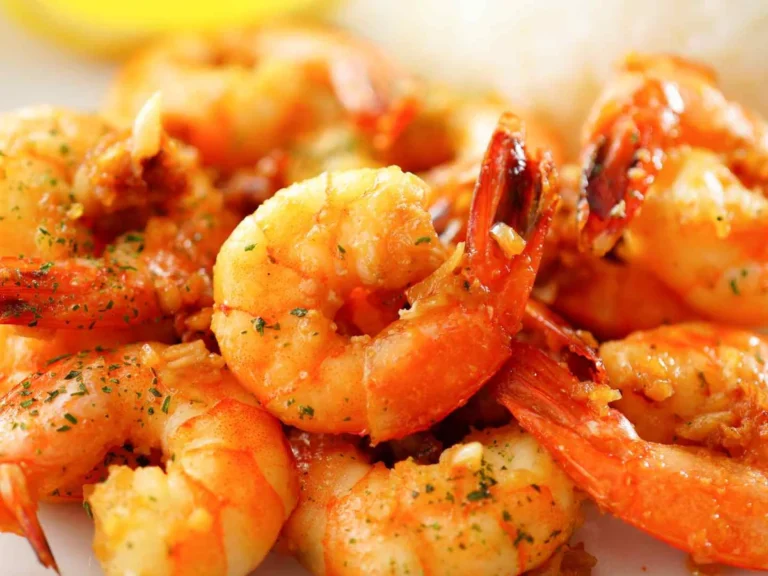
Cats can sample a tiny piece of plain fully cooked shrimp. Learn how to handle shells, tails, seasonings, skewers, allergies, storage, and raw seafood.

Cats can eat a little plain cooked tuna, but it should not replace balanced cat food. Compare fresh, canned, raw, seasoned, and daily feeding risks.

Can cats eat bacon? A tiny plain cooked crumb is unlikely to harm most healthy cats, but salt, fat, seasonings, raw pork, and packaging matter.

Can cats eat crab? Learn when plain cooked flesh is suitable, why shells and raw crab differ, and how seasoning, spoilage, imitation crab, and packaging matter.

Do not feed cats raw chicken. Learn about current H5N1 and bacterial risks, raw pet-food forms, bones, safe cooking, and what to do after a theft.

Plain peanut butter is not usually toxic to cats, but sticky texture, fat, salt, sweeteners, allergies, and medication dosing make it a poor routine treat.

Human beef jerky is a poor cat treat because of salt, garlic, rich seasoning, tough texture, and packet risks. Learn how to assess a stolen piece.

Can cats eat chickpeas? Learn how plain cooked beans differ from dry beans, canned brine, hummus, falafel, and roasted snacks, plus when to call.

Cats can eat tiny portions of plain cooked boneless fish, but species, bones, raw pathogens, H5N1, parasites, mercury, thiaminase, and diet balance matter.