Can Dogs Eat Cod? Cooked Fillets, Bones, Salt, and Portions
Dogs can eat plain fully cooked boneless cod in small portions. I like cod as an occasional lean protein much more than I like the restaurant version covered in butter, salt, garlic, breading, or a heroic puddle of tartar sauce.
The quick cod verdict for dogs
Plain fully cooked boneless cod can be an occasional treat for many healthy dogs. Cod is a lean white fish that provides protein plus vitamin B12, selenium, phosphorus, iodine, and other nutrients.
I cook cod thoroughly, remove visible bones, skip salt and seasoning, let it cool, and serve a small dog-sized amount. Complete dog food should remain the nutritional foundation.
The safest version is plain cooked fish. Raw cod, fried cod, salt cod, smoked cod, chowder, garlic-butter cod, and restaurant dishes need separate risk checks.
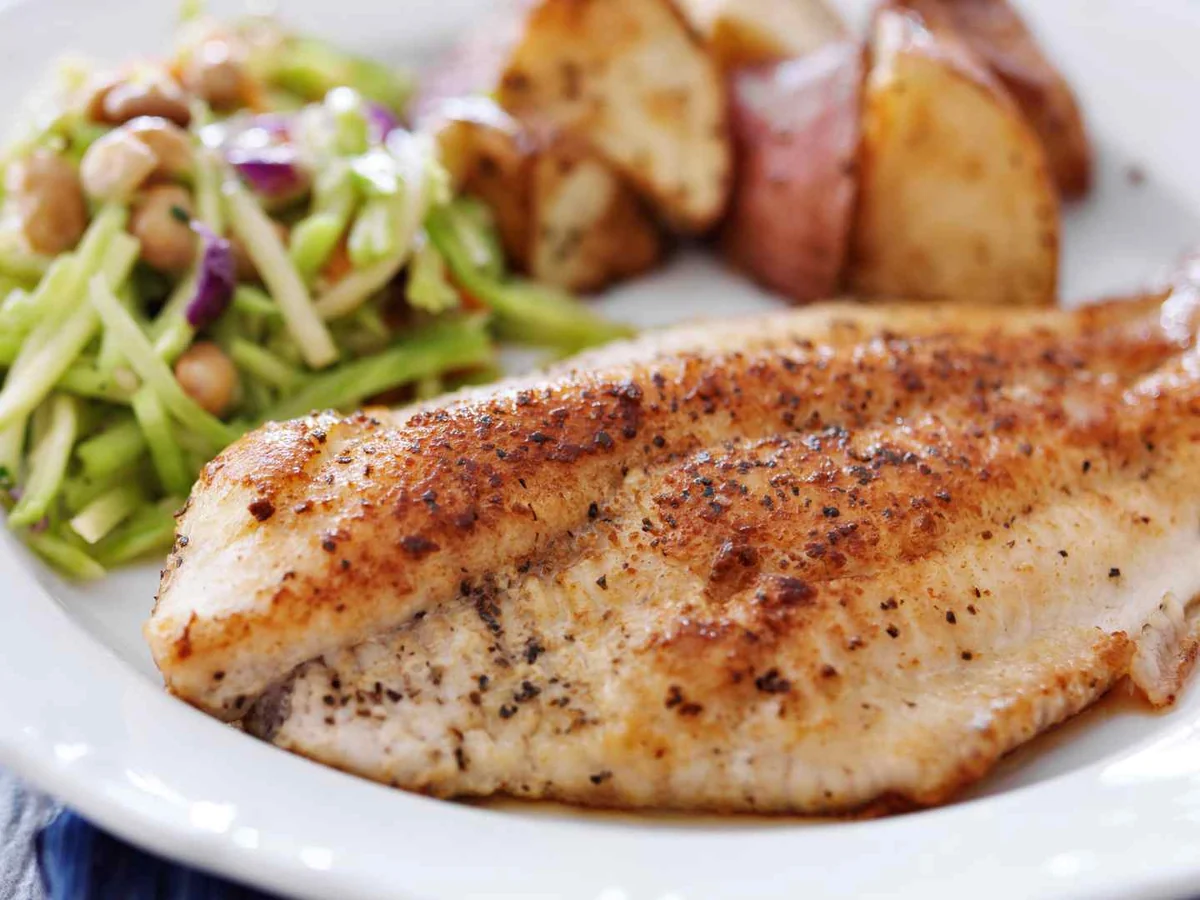
Plain cooked cod is the easiest version to share
Cod is relatively lean compared with oily fish, which can make it an easy occasional protein extra. A few flakes or bite-size pieces can be plenty for many dogs.
Lean does not mean unlimited. A large extra serving can still displace complete food and add more calories than the daily plan intended.
If a dog is on a prescription kidney, liver, heart, gastrointestinal, allergy, or weight-management diet, I would check before adding cod regularly.
Bones are the first thing I check
Fish bones can be thin, sharp, and surprisingly easy to miss. They can lodge in the mouth or throat, cause choking, scratch the esophagus, or create gastrointestinal injury or obstruction after swallowing.
I run my fingers carefully over a cooked fillet before sharing any portion. Commercially labeled boneless fish can still contain an occasional pin bone, so “boneless” lowers risk without making inspection optional.
If your dog is gagging, drooling, repeatedly swallowing, pawing at the mouth, refusing food, regurgitating, or having trouble breathing after eating fish, seek veterinary care promptly.
Do not force bread after a suspected fish-bone exposure
Bread, rice, or bulky food cannot reliably remove a sharp bone that is lodged in the mouth or esophagus. Feeding more can also complicate sedation or endoscopy if removal becomes necessary.
I would call for case-specific advice rather than turn a sandwich into a medical device. Do not induce vomiting unless specifically directed.
Raw cod is not my choice for a dog treat
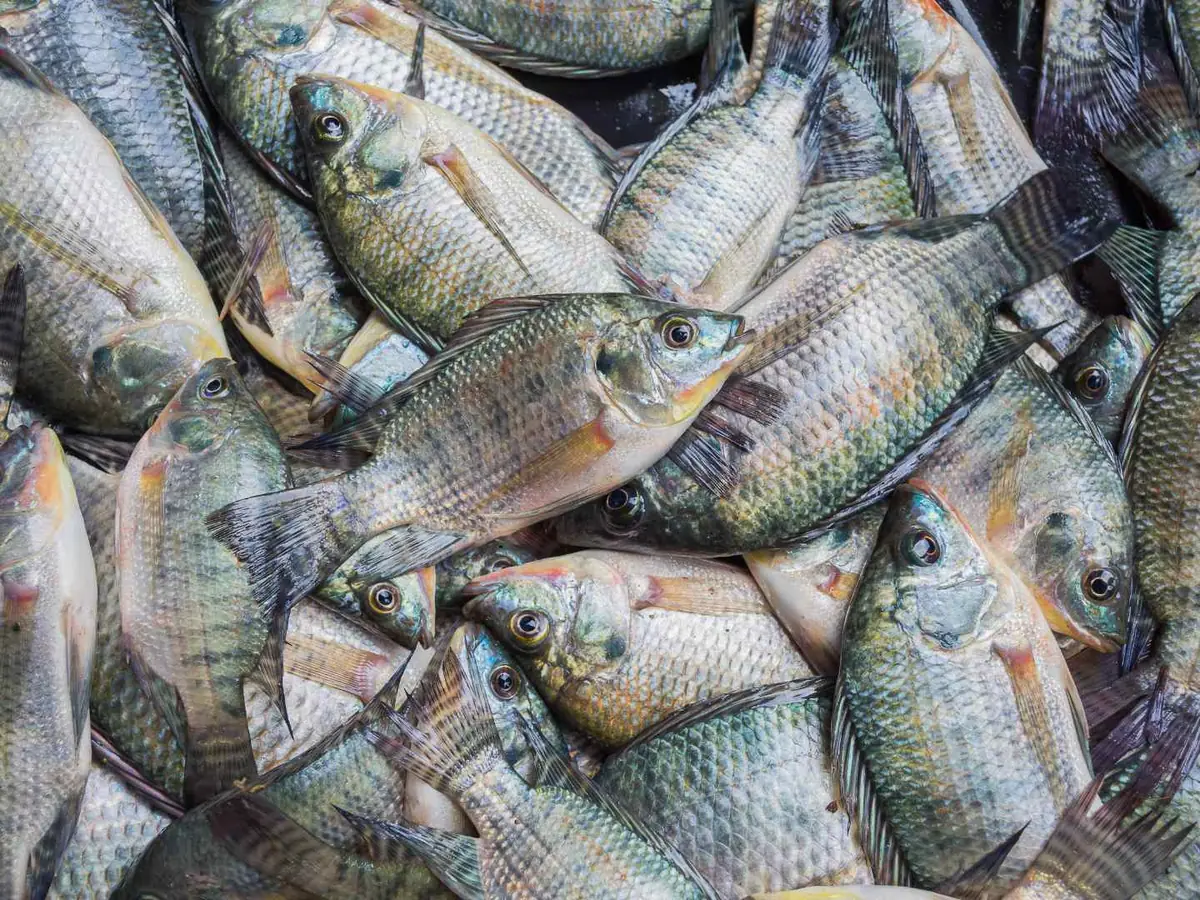
Raw fish can carry bacteria and parasites, and handling raw seafood can contaminate hands, bowls, counters, utensils, and floors. Cooking is a straightforward way to reduce those food-safety risks.
A small accidental bite of raw cod does not guarantee illness, but repeated vomiting, bloody diarrhea, fever, severe lethargy, dehydration, or abdominal pain deserves veterinary attention.
Puppies, seniors, pregnant dogs, immunocompromised dogs, and medically fragile dogs deserve a lower threshold for advice.
Freezing does not make raw cod sterile
Freezing is useful for storage and may reduce some parasite risks, but it should not be treated as a universal kill step for every pathogen.
I would still cook cod before intentional feeding rather than assume a freezer solved the food-safety question.
Freeze-dried raw cod still counts as raw
Freeze-drying and dehydration remove moisture but should not automatically be treated as equivalent to cooking. If a product is marketed as raw, pathogen control is still a relevant question.
I would read the label rather than assume a dry texture means fully cooked fish.
Fried cod changes the answer
Fish and chips is mostly a lesson in how quickly a lean food can become rich. Batter, frying oil, salt, sauces, and seasonings add fat and sodium that dogs do not need.
A tiny bite of fried cod may only cause mild stomach upset in a healthy dog, but several pieces can cause vomiting, diarrhea, abdominal pain, or pancreatitis in susceptible dogs.
Dogs with a history of pancreatitis should skip the fried version. I set aside a plain piece before breading or frying.
Garlic butter is not a dog-friendly upgrade
Cod is often served with garlic butter, lemon butter, herb butter, onion seasoning, or pan sauce. Garlic and onion can damage red blood cells in dogs after sufficient exposure, while butter adds a concentrated fat load.
If the fish was heavily seasoned, estimate how much sauce or seasoning the dog consumed rather than reporting only the fish.
One plain bite and a plate scraped clean of garlic butter are different exposures.
Salt cod deserves more caution
Salt cod is deliberately cured with substantial salt and can contain far more sodium than fresh cod. It is not a routine dog treat.
One tiny taste is unlikely to cause salt poisoning in most healthy dogs, while a meaningful amount can produce a large sodium load.
Dogs with heart disease, kidney disease, high blood pressure, fluid-retention problems, or prescribed sodium restrictions deserve extra caution.
Smoked cod can be salty too
Smoked cod may be cured with salt, sugar, spices, garlic, or onion. I would not use it as a regular dog topper.
Plain fresh cooked cod is easier to control and much easier to fit around a medical diet.
Cod in chowder is mostly a chowder question
Seafood chowder can contain cream, butter, bacon, onion, garlic, salt, potatoes, flour, and stock concentrates. The cod may be reasonable while the bowl around it is too rich or contains alliums.
I would not pick fish pieces out of a heavily seasoned chowder and assume they are plain. The broth and sauce have already coated the fish.
Dogs with pancreatitis, obesity, kidney disease, heart disease, or sodium restrictions have even less room for chowder.
Tartar sauce is another rich condiment
Tartar sauce can contain mayonnaise, pickles, salt, sugar, onion, garlic, herbs, and other flavorings. It is not needed to make cod appealing to a dog.
A lick may be a small exposure, while a bowl of sauce can add substantial fat and sodium. Plain fish is much easier.
Canned cod and cod products need labels checked
Some cod products are canned, jarred, smoked, or packed in sauce. Check sodium, oil, garlic, onion, preservatives, and seasoning before using any as a topper.
A simple low-sodium water-packed product is easier to fit into a dog’s diet than a salty or oil-heavy preparation.
Cod skin can be okay when plain and cooked
Plain fully cooked cod skin in a small amount may be low risk, but it can be richer than the flesh and may hold scales, bones, oil, or seasoning.
I prefer plain flesh for easy portion control. Fried, smoked, or heavily seasoned skin stays on the human plate.
Cod is lean, but it is not a complete homemade diet
Cod can be part of a complete commercial dog food or properly formulated homemade diet. Plain cod alone does not supply every nutrient a dog needs in the correct proportions.
If cod becomes a regular homemade-diet ingredient, the complete recipe should be formulated rather than built around leftover fillets.
Dogs with medical conditions may need different rules
Fish allergies, chronic gastrointestinal disease, pancreatitis, kidney disease, heart disease, and prescription diets can all change whether cod is a good extra.
A generally safe food is not automatically appropriate for every medical plan. If cod is being used as a novel protein, follow the prescribed diet closely.
Portion size still matters
Even safe extras should stay a small part of the diet. A few flakes may be plenty for a small dog, while a large dog can have a larger bite.
I would not use a human six-ounce fillet as the default dog portion simply because the fish is lean. Treat calories still count.
What to do if your dog ate cod
- Identify whether the cod was plain, raw, fried, smoked, salt-cured, canned, or served in sauce.
- Estimate the amount and time.
- Save the package or recipe.
- Check carefully for fish bones.
- Check seasonings for garlic, onion, high salt, oil, butter, and sauce.
- Call promptly for significant raw-fish illness, a lodged-bone concern, or serious symptoms.
How I would serve cod on purpose
I would cook cod thoroughly, remove visible bones, serve the flesh plain, and keep the portion small. I would skip raw, fried, smoked, salt-cured, and heavily sauced versions.
If the dog already receives a therapeutic fish diet or supplement plan, I would not assume extra cod is automatically useful.
Frequently asked questions
Can dogs eat baked cod?
Yes, if it is fully cooked, boneless, and plain. Avoid garlic, onion, excess salt, butter, rich sauces, and heavy seasoning.
Can dogs eat cod skin?
Plain fully cooked skin in a small amount may be low risk, but remove scales and bones and avoid heavily seasoned, smoked, or oily skin.
Can dogs eat cod every day?
Cod can be part of a balanced dog food or properly formulated diet, but I would not add large daily portions to an already complete food without considering calories and nutrient balance.
My dog ate a fish bone from cod. What should I do?
Call your veterinarian if a sharp bone was swallowed or if gagging, drooling, repeated swallowing, vomiting, abdominal pain, or breathing trouble develops. Do not force bread or induce vomiting without professional advice.
Bottom line
Plain fully cooked boneless cod can be a lean occasional dog treat. I would skip raw fish, inspect carefully for bones, avoid fried, smoked, salt-cured, and heavily seasoned versions, and keep garlic, onion, butter, chowder, and rich sauces out of the dog’s portion.