Dog Ate Cocoa Powder? Why Baking Cocoa Can Be an Emergency
If your dog ate cocoa powder, call a veterinarian or animal poison service promptly. Cocoa is much more concentrated in the chocolate stimulants theobromine and caffeine than milk chocolate, so the innocent-looking dust beside the mixing bowl deserves more respect than its messiness suggests.
Treat the powder like a concentrated chocolate exposure
- Move the cocoa, bowl, spoon, bag, and baked mixture away.
- Identify whether it was natural cocoa, Dutch-process cocoa, cacao powder, hot-cocoa mix, or another product.
- Estimate the largest amount missing and the time.
- Record your dog’s current weight and any symptoms.
- Check whether the dog also ate raw dough, chocolate pieces, sweeteners, raisins, nuts, or packaging.
- Call promptly rather than waiting for vomiting or restlessness.
I would rather tell the clinic “somewhere between one and three tablespoons” than trim the estimate down because only part of the spill looks licked. Dose decisions work better with honest uncertainty.
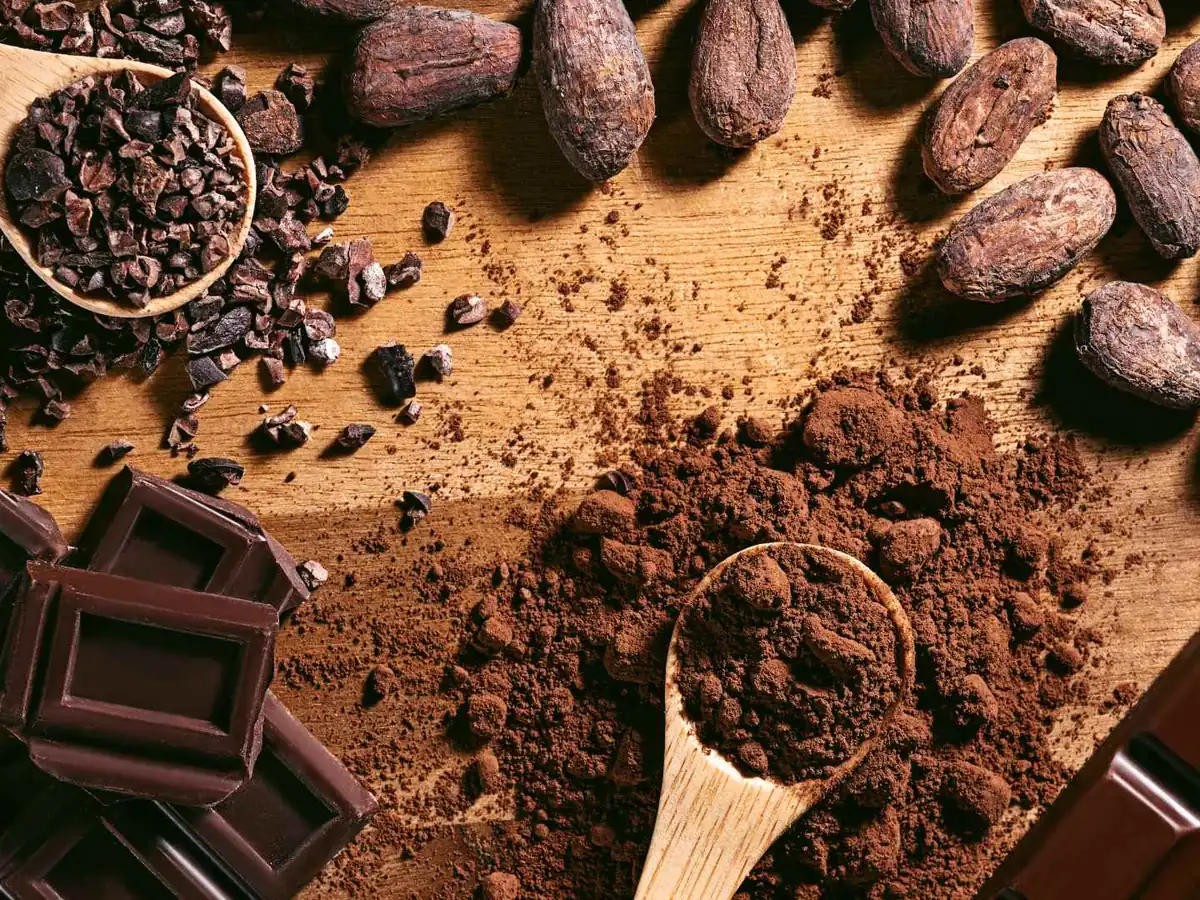
Cocoa powder packs a lot of methylxanthine into a small scoop
Theobromine and caffeine are methylxanthines that stimulate the nervous system, increase heart activity, affect muscle function, and increase urine production. Dogs clear theobromine relatively slowly, which is one reason chocolate poisoning can last well beyond the original snack raid.
Veterinary references place cocoa powder among the most concentrated common chocolate products, far above milk chocolate and white chocolate. That means a tablespoon-by-tablespoon comparison with a candy bar is misleading.
Our general chocolate guide explains how chocolate type changes risk. This page focuses on the form that tends to fool people because it does not look like a candy bar at all.
Natural cocoa and Dutch-process cocoa both count
Do not assume alkalized or Dutch-process cocoa is pet-safe because the flavor and acidity differ from natural cocoa. Both come from cacao and can contain meaningful methylxanthines.
What matters for triage is the exact product and amount, not whether the recipe called the powder natural, dark, alkalized, black, or gourmet. Bring the container whenever possible so the veterinary team can use the best available information.
Cacao powder is not a harmless wellness version
Cacao powder, cacao nibs, and other minimally processed cacao products still contain methylxanthines. Marketing terms such as raw, organic, antioxidant-rich, or superfood do not change the dog’s physiology.
If your dog reached a cacao baking product, treat it as a chocolate exposure and call with the label. I would not use the word “raw” as reassurance when the ingredient itself is the problem.

Hot-cocoa mix is a different product and still needs a label
Hot-chocolate and cocoa-drink mixes often contain sugar, milk powder, cocoa, flavorings, and sometimes sweeteners or marshmallow pieces. The cocoa concentration may be lower than straight baking cocoa, but the complete product can create additional concerns.
Sugar-free mixes require an immediate check for xylitol, and mocha mixes may include coffee or added caffeine. Do not estimate a hot-cocoa exposure from a baking-cocoa chart without identifying which product the dog actually ate.
The earliest signs often look like ordinary stomach trouble
Vomiting, diarrhea, thirst, restlessness, and increased urination can occur before more obvious stimulant signs. Those symptoms are easy to dismiss after a kitchen raid, but they can be the beginning of methylxanthine toxicosis.
As exposure increases, dogs may develop rapid heart rate, abnormal rhythm, agitation, panting, tremors, poor coordination, overheating, seizures, or collapse. Any neurologic or cardiovascular sign deserves urgent emergency care.
Do not wait for the six-hour mark to call
Chocolate signs may not be immediate, and the absence of symptoms shortly after ingestion does not clear the dog. Calling early matters because a veterinarian may have more decontamination options before substantial absorption occurs.
The useful clock starts when the dog ate the cocoa, not when you discovered the empty container. If the timing is unknown, say that clearly instead of assigning the most convenient estimate.
Dry cocoa can also irritate the airway
A dog that sticks its face into a powder spill can inhale fine particles while licking. Coughing, gagging, sneezing, noisy breathing, or visible respiratory distress deserves prompt attention in addition to the swallowed dose.
Move the dog into clean air and avoid creating another cloud with vigorous sweeping. Do not force water into the mouth of a coughing dog, because aspiration is not an improvement.

Brownie and cake batter can stack several risks
If the cocoa was already mixed into batter, identify every ingredient and the amount of batter missing. Chocolate chips, xylitol, raisins, macadamias, raw eggs, raw flour, coffee, alcohol, and yeast can all change the advice.
Raw flour and eggs create food-safety concerns, while rich fat and sugar can cause gastrointestinal upset or pancreatitis in susceptible dogs. The chocolate dose still matters even when cocoa is spread through a larger bowl of ingredients.
Cocoa mulch is not baking cocoa, but it can be dangerous too
Cocoa bean hull mulch can contain methylxanthines and may smell attractive to dogs. A yard exposure should be reported with the product name and estimated amount rather than treated as ordinary bark ingestion.
Mulch also creates possible foreign-body, mold, pesticide, and gastrointestinal concerns depending on the product. Keep packaging or photograph the landscaping material before it is raked away.
Do not induce vomiting without professional direction
A veterinarian may consider vomiting after a recent chocolate exposure in an appropriate dog, but it is not safe for every patient. Tremors, seizures, weakness, poor coordination, breathing problems, certain medical conditions, and swallowed foreign objects can change the decision.
Do not use salt, mustard, fingers, or oil. If a professional directs hydrogen peroxide for your dog, use only the amount and method they specify.
Milk does not neutralize cocoa
Giving milk, cream, bread, or food does not cancel theobromine or caffeine. Dairy may add diarrhea or fat, and forcing anything into a nauseated or poorly coordinated dog can create aspiration risk.
Let a normal dog drink water normally unless instructed otherwise, but do not turn dilution into a reason to delay the call. The dose already swallowed is still the dose swallowed.
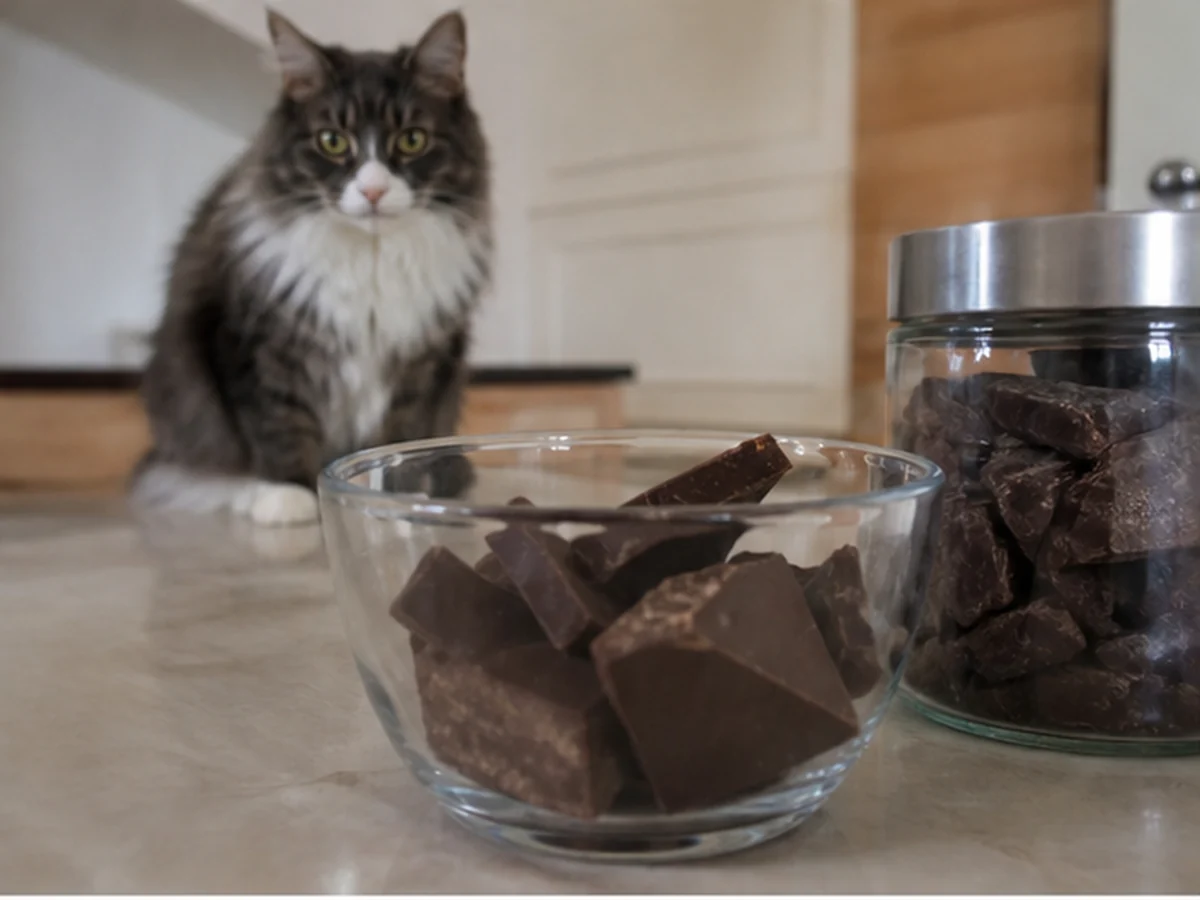
Baking storage is where prevention usually fails
Cocoa powder often lives in low pantry shelves, open baking bins, grocery bags, or counters during a recipe. Store it in a closed cabinet and clean spills before letting the dog back into the kitchen.
If you bake frequently, treat cocoa, xylitol, raisins, macadamia nuts, and unsweetened chocolate as the high-security drawer. I love a useful kitchen shortcut, but “leave the cocoa on the island all afternoon” is not one of them.
Frequently asked questions
Is cocoa powder worse than milk chocolate for dogs?
Yes, cocoa powder is far more concentrated in methylxanthines than milk chocolate. A relatively small amount can therefore represent a meaningful dose, especially for a small dog.
What if my dog only licked cocoa powder?
A trace lick may be low risk for many dogs, but estimate the amount honestly and check whether more powder is missing than you saw the dog lick. Call if the amount is uncertain, the dog is small, or symptoms develop.
Is cacao powder safer than cocoa?
No. Cacao products still contain the methylxanthines that make chocolate dangerous to dogs, so use the exact product and amount for professional assessment.
Can dogs eat baked goods made with cocoa?
The risk depends on how much cocoa or chocolate is in the recipe and how much the dog ate. Sugar, fat, xylitol, raisins, nuts, coffee, and other ingredients may create additional concerns.
Bottom line
Cocoa powder is a concentrated chocolate product and deserves prompt attention after a meaningful dog exposure. Save the label, estimate the largest plausible amount, include every batter or recipe ingredient, avoid improvised vomiting, and call before the dog has to prove the dose was dangerous.