Can Dogs Eat Rabbit? Cooked Meat, Raw Rabbit, Bones, and Diet Balance
Dogs can eat plain fully cooked boneless rabbit in small portions. Rabbit is a lean animal protein, but I would still skip raw meat, cooked bones, garlic-heavy recipes, and the idea that one lean meat can somehow become a complete diet all by itself.
The quick rabbit verdict for dogs
Plain fully cooked boneless rabbit can be an occasional treat for many healthy dogs. It provides high-quality protein plus B vitamins, phosphorus, selenium, and other nutrients.
I would cook it thoroughly, remove every bone, skip salt and seasoning, let it cool, and offer only a dog-sized portion. That is much easier to assess than a stew full of onion, garlic, wine, butter, bacon, and gravy.
Rabbit can also appear in complete dog foods, limited-ingredient diets, and veterinary diet trials. The fact that it is useful in those contexts does not make plain rabbit muscle meat a complete diet on its own.
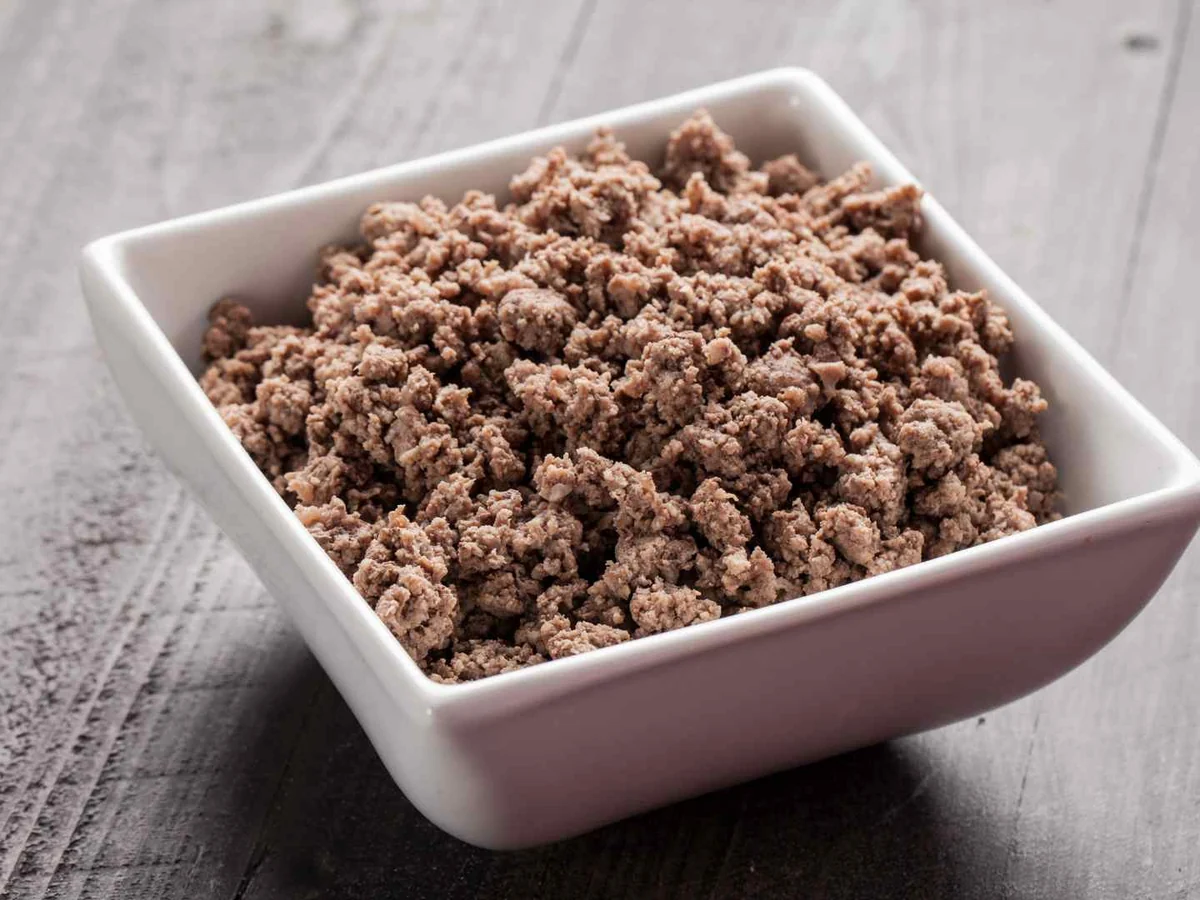
Plain cooked rabbit is the easiest version to share
Rabbit meat is naturally lean compared with many fattier cuts of beef or pork. That can make it appealing for dogs that tolerate lean meats well.
Lean does not mean unlimited. Treat calories still count, and a large portion can displace the complete food that supplies the dog’s vitamins, minerals, essential fatty acids, and other nutrients.
I would use a few bite-size pieces rather than half a plate. The dog gets the novelty without turning a balanced meal into a rabbit-heavy one.
Raw rabbit adds bacterial and parasite concerns
Raw rabbit can carry harmful bacteria and parasites and can contaminate bowls, counters, floors, hands, utensils, saliva, and stool. Cooking thoroughly is the simplest risk-reduction step.
Wild rabbit deserves even more caution because parasite and pathogen exposure depends on geography, handling, carcass condition, and hunting practices. A clean-looking carcass is not a guarantee of microbiological safety.
Repeated vomiting, bloody diarrhea, fever, severe lethargy, dehydration, or other significant illness after raw game exposure deserves veterinary attention.
Wild rabbit is not the same as grocery-store rabbit
Farm-raised rabbit sold for human consumption has a different handling history from a wild carcass found outdoors or brought home after hunting. I would not treat those sources as equivalent.
A dog that scavenges a wild rabbit can also swallow fur, intestinal contents, bones, parasites, or spoiled tissue. That is a scavenging exposure, not simply a lean-protein snack.
If the dog eats part of a wild carcass and becomes ill, tell the veterinary team exactly what happened and where the rabbit came from.
Cooked rabbit bones can splinter
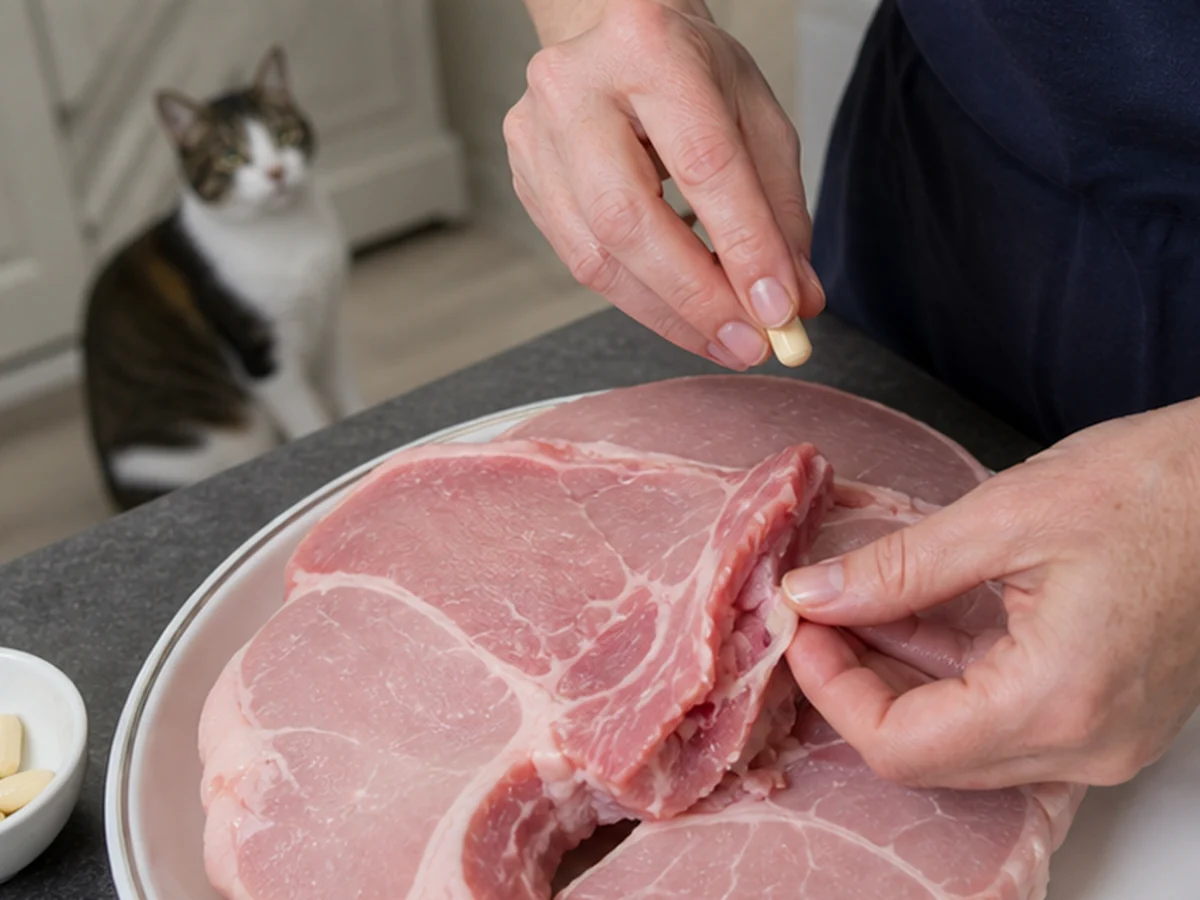
Cooked bones can become brittle and break into sharp pieces. Rabbit bones are small enough to be swallowed quickly and can cause choking, mouth injury, esophageal injury, gastrointestinal damage, or obstruction.
If cooked rabbit bones were swallowed, call your veterinarian for case-specific advice. I would not induce vomiting unless a veterinary professional specifically directs it because sharp fragments can cause additional injury on the way back up.
Gagging, drooling, repeated swallowing, regurgitation, vomiting, abdominal pain, bloody or black stool, breathing trouble, or marked lethargy deserves prompt evaluation.
Raw bones are not automatically safe either
Raw rabbit bones may be more flexible than cooked bones, but they can still choke, lodge, fracture teeth, or obstruct the gastrointestinal tract. Raw-bone feeding also keeps the pathogen exposure in the picture.
I would not recommend rabbit bones simply because they are raw. Boneless cooked meat is much easier to serve and predict.
Rabbit stew is usually not dog-safe
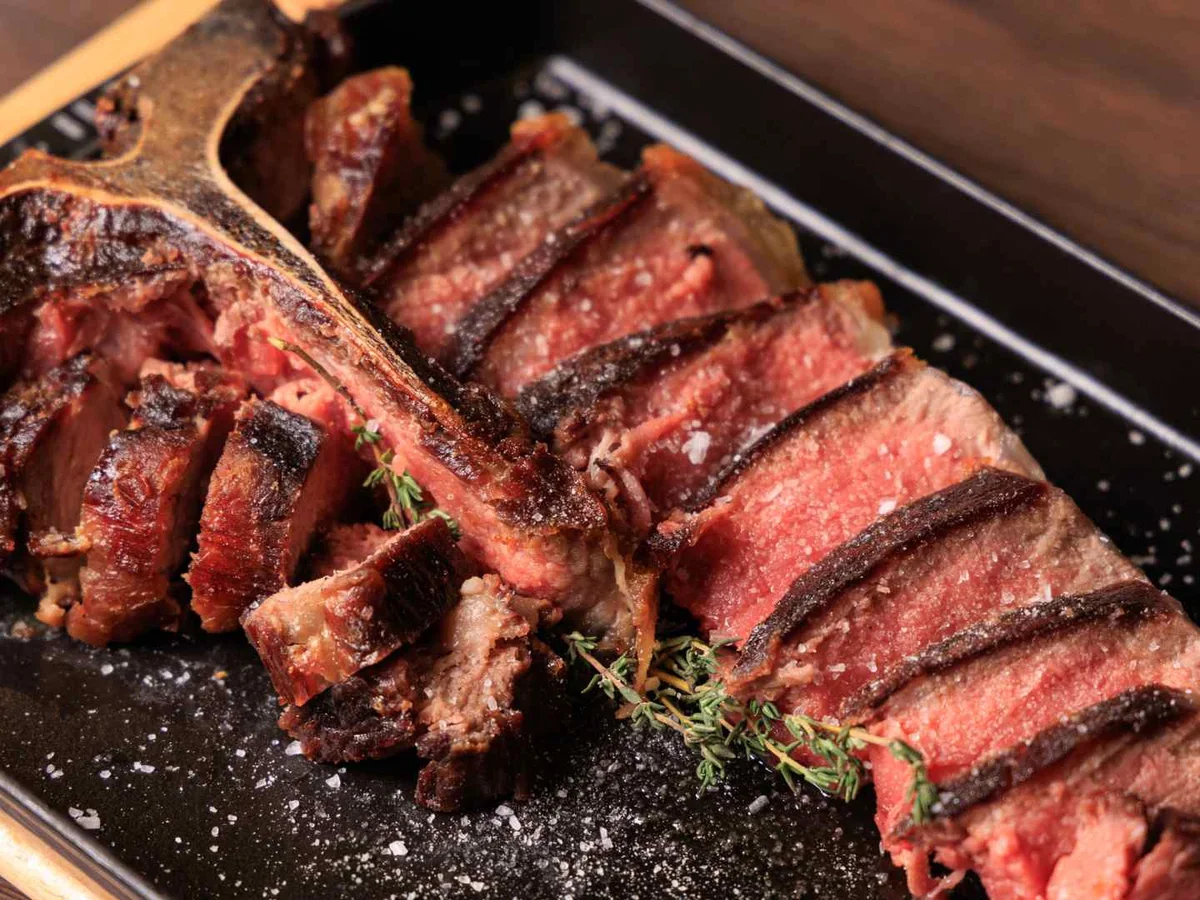
Human rabbit dishes can include onion, garlic, shallots, wine, butter, bacon, salt, cream, mushrooms, and rich gravy. The rabbit meat may be the least concerning ingredient in the finished bowl.
Onion, garlic, shallots, chives, and leeks can damage canine red blood cells after a sufficient exposure. Cooking those alliums into stew does not remove the risk.
I set aside the dog’s portion before seasoning instead of trying to rinse a finished stew. Plain meat is much easier to share safely.
Wine and alcohol-based sauces add a separate concern
Some rabbit recipes use wine, brandy, or other alcohol. Long cooking can reduce alcohol content, but preparation varies and alcohol added late in the recipe may remain more concentrated.
If a dog eats a substantial amount of alcohol-containing stew, save the recipe and report the type and amount of alcohol used.
Butter, bacon, and cream can make rabbit unexpectedly rich
Rabbit itself can be lean, but human recipes may add a lot of fat. Butter, bacon, cream, oil, and drippings can turn a lean meat into a rich meal.
Dogs with pancreatitis, hyperlipidemia, obesity, or fat-sensitive gastrointestinal disease have even less room for rich rabbit dishes.
Rabbit alone is not a complete dog diet
Dogs still need the correct balance of essential fatty acids, vitamins, minerals, amino acids, and calories. Muscle meat by itself cannot provide that complete balance indefinitely.
Very lean meat can also make an improperly designed homemade diet too low in fat and other nutrients. The solution is not to add random organ meat or supplements by guesswork.
If rabbit becomes a regular homemade-diet ingredient, use a recipe formulated specifically for the dog by a qualified veterinary nutrition professional.
Rabbit can be useful in elimination diets
Rabbit is sometimes used as a novel protein in veterinary elimination diets for dogs with suspected food allergy or food-responsive disease. In that context, diet purity matters.
Random chicken-flavored treats, table scraps, flavored medications, and chews can undermine the trial. If rabbit is part of a prescribed diet trial, follow the plan closely.
A novel protein is not automatically hypoallergenic forever. A dog can react to many proteins depending on individual exposure and immune history.
Commercial rabbit dog food is different from feeding plain rabbit
A complete commercial rabbit-based food is formulated to supply the full nutrient profile a dog needs. Plain cooked rabbit meat is only one ingredient.
I would not assume a bowl of rabbit is nutritionally equivalent to a complete rabbit-based kibble or canned food just because both list the same protein source.
Rabbit jerky and dried treats need a label check
Single-ingredient cooked or appropriately processed rabbit treats can be convenient, but some jerky contains salt, smoke flavor, sugar, preservatives, garlic, onion, or other seasoning.
If the product is labeled raw, freeze-dried raw, or dehydrated raw, I would still treat pathogen control as a question rather than assuming drying equals cooking.
Keep portions modest
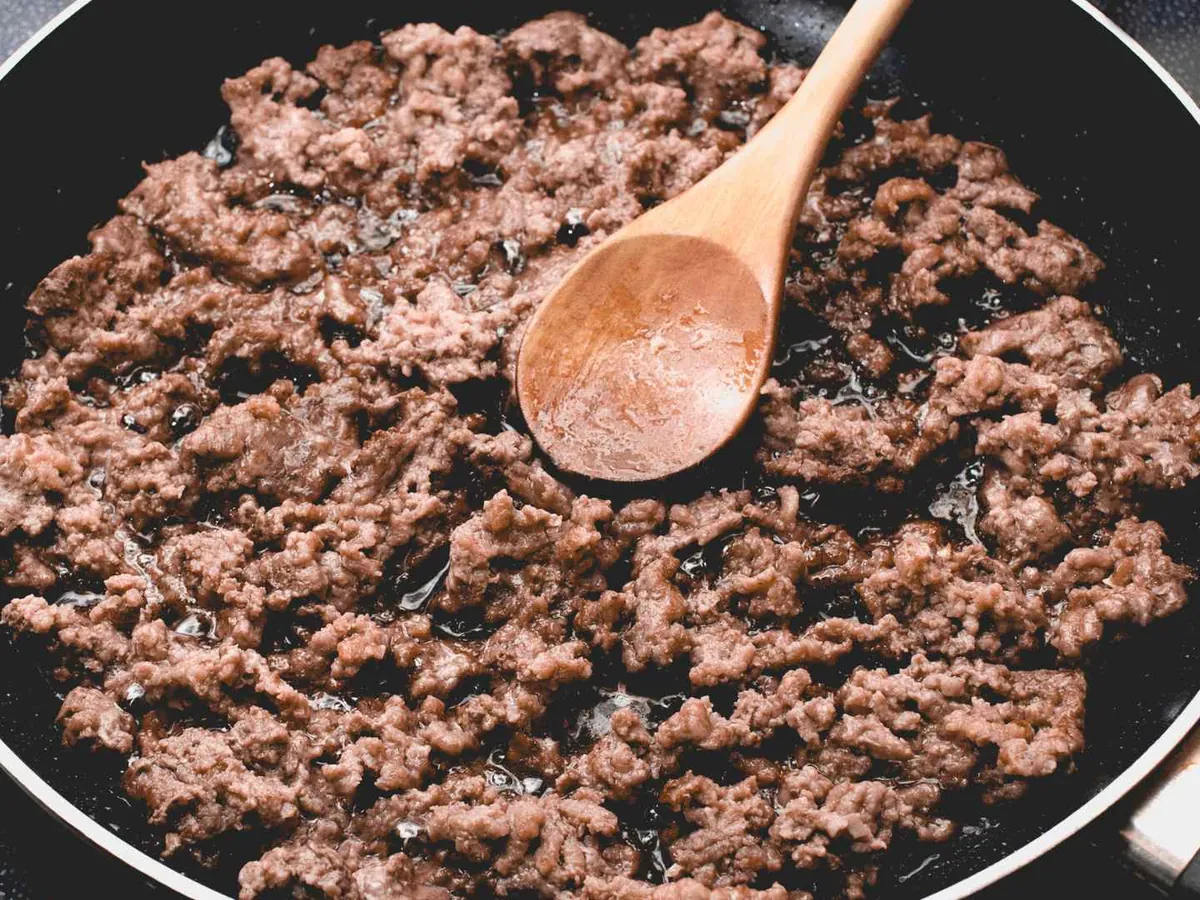
A few bite-size pieces are plenty for an occasional treat. Extras should generally remain a small share of daily calories unless the veterinary team gives a different target.
The dog does not need half a rabbit to understand that dinner got interesting. Small rewards preserve the balanced diet underneath.
Puppies can have rabbit only as a small extra
Puppies need complete growth food with carefully balanced calcium, phosphorus, energy, protein, and other nutrients. Plain rabbit meat should not displace that diet.
A tiny cooked boneless piece can be an occasional treat for a healthy puppy, but homemade rabbit-heavy diets are especially inappropriate without proper formulation during growth.
What to do if your dog ate raw rabbit
- Remove the remaining raw meat or carcass.
- Estimate the amount eaten and the time.
- Identify whether the rabbit was farm-raised, grocery-store, or wild.
- Note whether bones, fur, intestinal contents, or spoiled tissue were also eaten.
- Clean contaminated surfaces and bowls.
- Call if the dog becomes significantly ill or if the wild-game exposure was large or concerning.
What to do if your dog swallowed rabbit bones
Save a similar bone or photo if available, estimate how many were swallowed, and call for case-specific advice. Bone size, cooking method, dog size, and symptoms all affect the plan.
Do not automatically give bread or induce vomiting. Follow the veterinary team’s instructions based on the actual foreign-body risk.
How I would serve rabbit on purpose
I would use plain fully cooked boneless meat, cut into small pieces, with no salt, onion, garlic, sauce, butter, or gravy. The portion would stay small.
If rabbit is being used therapeutically as a novel protein, I would follow the veterinarian’s diet plan rather than adding unrelated table foods.
Frequently asked questions
Can dogs eat cooked rabbit?
Yes, plain fully cooked boneless rabbit can be an occasional treat for many dogs.
Can dogs eat raw rabbit?
I would choose cooked rabbit because raw meat and wild game can carry bacteria and parasites.
Can dogs eat rabbit bones?
I would avoid cooked rabbit bones because they can splinter and cause choking, injury, or obstruction. Raw bones still carry mechanical and pathogen risks.
Can dogs eat rabbit every day?
Rabbit can be part of a complete commercial food or properly formulated homemade diet, but plain rabbit meat alone is not nutritionally complete.
Bottom line
Plain fully cooked boneless rabbit can be an occasional dog treat. I would skip raw rabbit, avoid cooked bones, keep allium-heavy and alcohol-containing recipes away, and use a properly balanced formulation if rabbit becomes a regular diet ingredient.