Can Dogs Eat Stuffing? Onion, Garlic, Sausage, Raisins, and Thanksgiving Risks
I would not use stuffing as a dog treat. The bread itself is usually the least interesting ingredient. Onion, garlic, sausage, butter, salty broth, raisins, currants, nuts, and drippings are what make the recipe risky.
The quick stuffing verdict for dogs
Stuffing is a recipe, not a single food. A plain cube of baked bread is very different from holiday stuffing made with onion, garlic, sausage, broth, butter, raisins, and pan drippings.
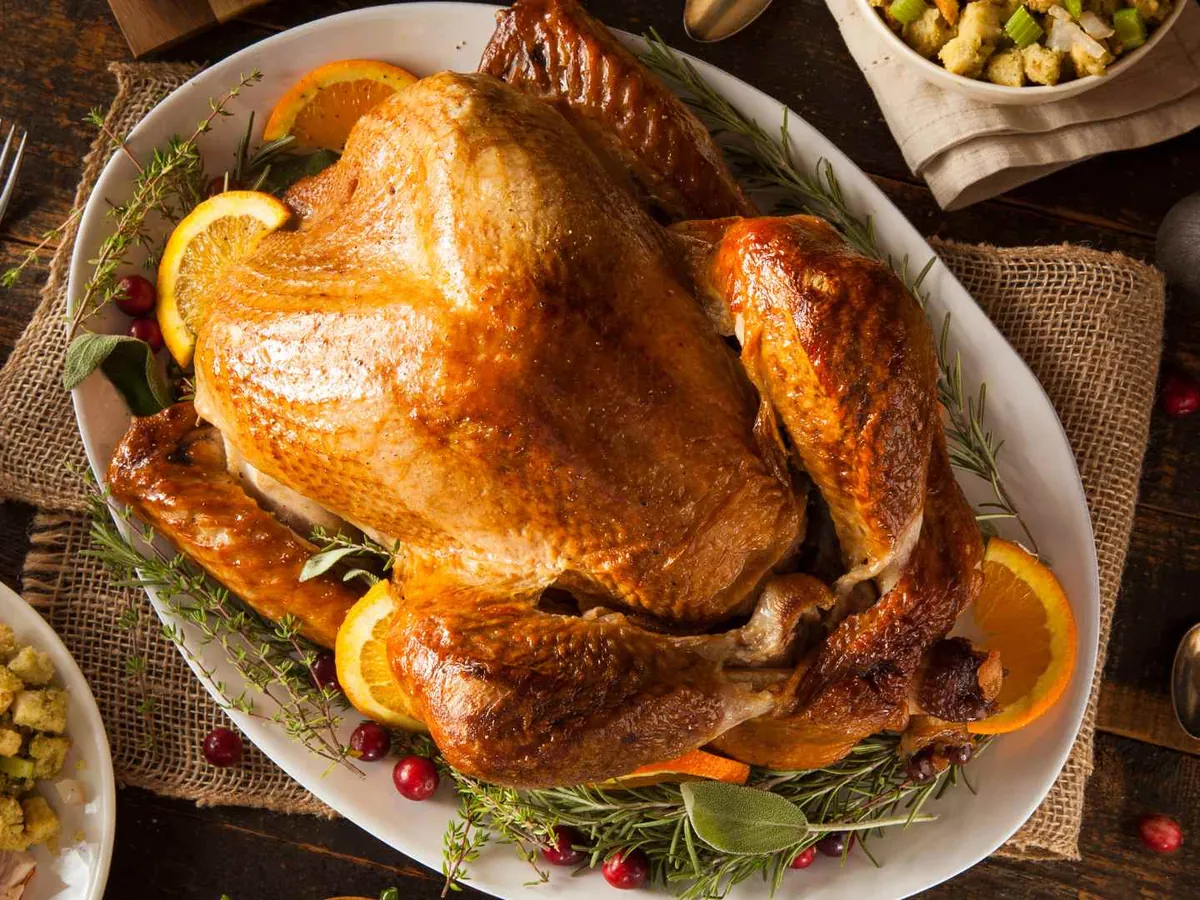
Because there are so many easy dog-safe alternatives, I would not intentionally share stuffing even when the recipe is fairly simple. Plain boneless turkey is much easier to assess.
Onion and garlic are the ingredients I check first
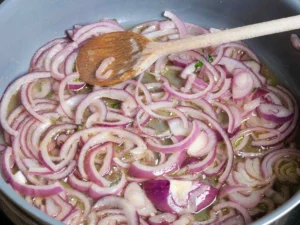
Onion, garlic, shallots, chives, and leeks belong to the allium family and can damage canine red blood cells after a sufficient dose. Stuffing recipes commonly use one or several of these ingredients.
Cooking the alliums into stuffing does not reliably eliminate the compounds responsible for toxicity. A softened onion piece is still onion.
Powdered onion and garlic can also appear in broth, seasoning packets, sausage, or boxed stuffing mix. That means a recipe can contain concentrated alliums even when no obvious vegetable pieces are visible.
Allium-related anemia can be delayed
Vomiting, diarrhea, or reduced appetite can appear earlier, while red-blood-cell damage may become obvious later. Weakness, pale gums, rapid breathing, increased heart rate, dark or reddish urine, or collapse can occur after a meaningful exposure.
I would not wait for pale gums if a dog ate a large amount of onion- or garlic-heavy stuffing. Save the recipe and call for dose-specific advice.
Raisins and dried currants can create a kidney emergency
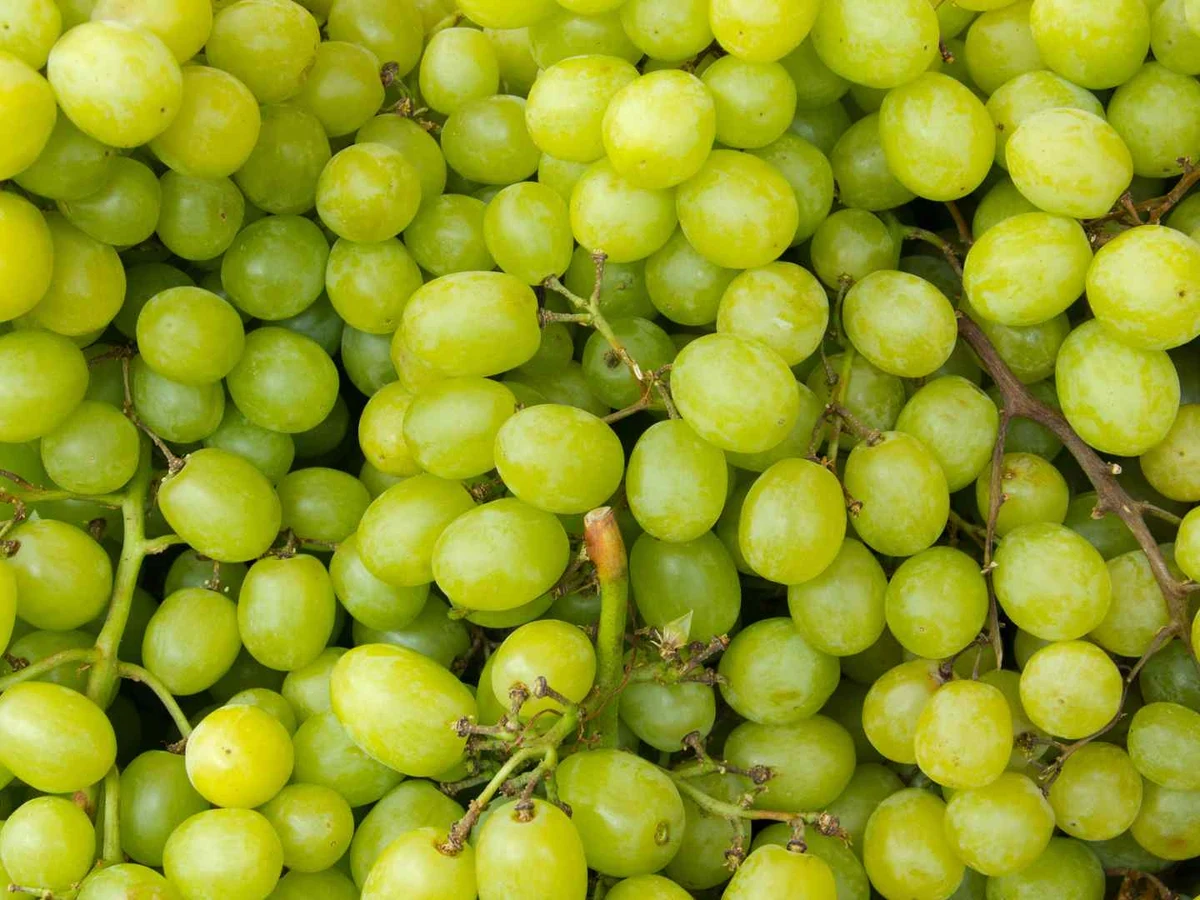
Some stuffing recipes include raisins, sultanas, or dried grape currants for sweetness. These dried grape products can cause acute kidney injury in dogs, and individual susceptibility is unpredictable.
If raisins or Zante or Corinth currants were in the stuffing, call promptly after ingestion. I do not use a home “safe number” of dried grapes because one dog’s response cannot predict another’s.
Fresh red or black currants are botanically different, but holiday stuffing that lists currants often means the dried grape product. Check the recipe rather than relying on the word alone.
Sausage stuffing can be very fatty and salty
Sausage can add substantial fat, sodium, garlic, onion, pepper, and other seasoning. A large serving can cause vomiting, diarrhea, abdominal discomfort, or pancreatitis in susceptible dogs.
Dogs with a previous pancreatitis episode or a prescribed low-fat diet should stay completely away from sausage stuffing. The bread does not dilute the fat into a harmless meal.
Processed sausage can also be very salty, which matters for dogs with kidney disease, heart disease, high blood pressure, or sodium restrictions.
Butter and pan drippings make stuffing richer
Many stuffing recipes use butter, turkey drippings, chicken fat, bacon grease, or oil. Those ingredients increase calories and can create a high-fat meal even when no sausage is used.
A tiny taste may cause no problem in a healthy dog, while a plateful can be enough to trigger vomiting or diarrhea. Pancreatitis risk becomes more important in predisposed dogs.
Broth and bouillon can hide sodium and alliums
Stuffing is often moistened with chicken broth, turkey broth, stock concentrate, bouillon cubes, or seasoning packets. These products can contain substantial sodium plus onion or garlic powder.
I would save the broth label after a stuffing raid rather than assume the recipe used plain stock. A powdered seasoning line can matter as much as the visible ingredients.
Boxed stuffing mix needs the same ingredient check
Packaged stuffing mixes can contain onion powder, garlic powder, salt, flavor enhancers, fats, herbs, and concentrated seasonings. Once prepared, butter and broth may add even more fat and sodium.
A dog stealing dry mix is also different from a dog eating prepared stuffing because the seasoning is more concentrated before water is added. Save the package and estimate the amount.
Mushroom stuffing depends on the mushroom and seasoning
Common edible grocery-store mushrooms are not the biggest concern in most stuffing recipes. Butter, onion, garlic, sausage, cream, and salt usually matter more.
Wild or unidentified mushrooms are a completely different exposure and can be dangerous. If wild mushrooms were used, save a sample or photograph and call promptly.
Chestnut stuffing is usually more about the recipe than the nut
Plain cooked chestnuts are not a classic dog toxin, but chestnut stuffing can contain butter, sausage, onion, garlic, wine, and salty broth. The finished dish is far more complicated than the nut alone.
Large nut pieces can also be choking hazards for small dogs. Keep portions of any intentional food dog-sized.
Walnuts and pecans add fat and possible mold concerns
Nut stuffing can be rich in fat, and moldy walnuts or pecans can contain tremorgenic mycotoxins. Fresh ordinary nuts are generally more of a fat and gastrointestinal issue than a classic toxin, with macadamias being the major dog-specific exception.
If the stuffing contains macadamia nuts, call after a meaningful exposure. Weakness, vomiting, tremors, or increased body temperature can occur in dogs.
Apple stuffing can be fine until raisins and onions join it
Plain apple flesh is often low risk for dogs in small amounts, but apple stuffing commonly includes onion, celery, sausage, butter, raisins, or dried currants. I would judge the whole recipe.
Apple does not neutralize the dried grapes or alliums around it. A recipe can contain one dog-safe ingredient and still be a poor dog food overall.
Cornbread stuffing is still stuffing
Plain baked cornbread may be low risk in a small amount, but cornbread stuffing can contain onion, garlic, sausage, bacon, butter, broth, and salt. The cornbread base does not simplify the finished dish.
Dogs with corn sensitivity or a therapeutic diet may have additional reasons to avoid it. Plain turkey remains the easier holiday treat.
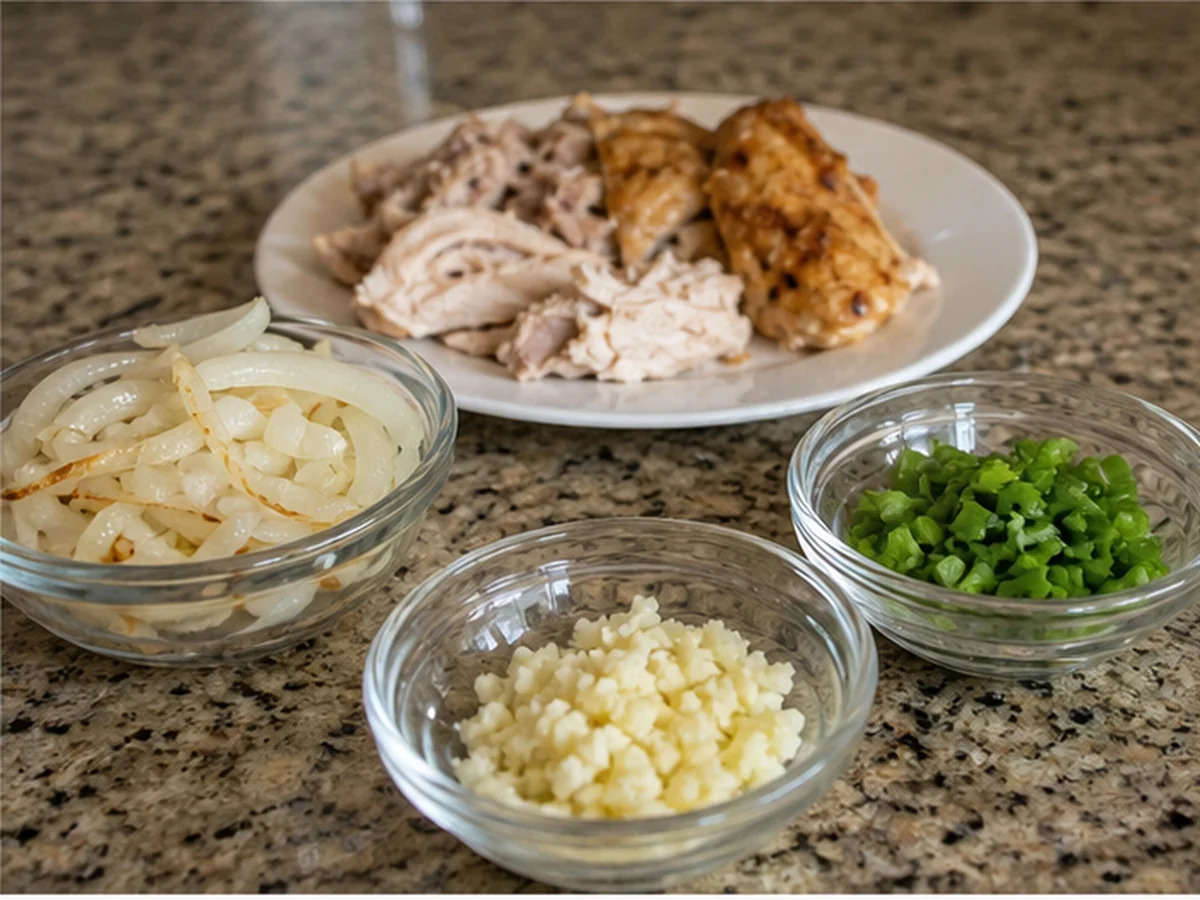
Stuffing cooked inside the turkey can absorb even more drippings
Stuffing cooked in the bird can absorb fat, juices, salt, and seasoning from the turkey. That can make it richer than stuffing baked separately.
Food-safety rules also matter for stuffing and poultry because the center needs to reach a safe temperature. Undercooked meat juices can add bacterial risk.
Leftover stuffing can spoil
Stuffing is moist and nutrient-rich and can support bacterial growth if held warm too long or refrigerated improperly. Old leftovers are not safer because the risky onions were cooked yesterday.
Repeated vomiting, severe diarrhea, fever, abdominal pain, or dehydration after spoiled stuffing deserves veterinary attention.
What to do if your dog ate stuffing
- Save the recipe, package, or stuffing-mix box.
- Estimate the maximum amount eaten and the time.
- Record the dog’s current weight.
- Check specifically for onion, garlic, raisins, currants, macadamias, sausage, bacon, butter, and alcohol.
- Call promptly if dried grapes, macadamias, a large allium dose, or a very large fatty meal is involved.
- Seek care for repeated vomiting, weakness, pale gums, dark urine, severe abdominal pain, collapse, or marked lethargy.
Do not automatically induce vomiting
Whether vomiting is appropriate depends on the ingredients, timing, dog, and symptoms. Do not use salt, mustard, oil, or fingers as improvised emetics.
If a veterinarian specifically directs hydrogen peroxide for an appropriate dog and exposure, follow the exact instructions. More is not better.
A dog-safe holiday alternative is very simple
If I want the dog included, I use a few small pieces of plain boneless turkey and perhaps a little plain pumpkin or another vegetable the dog already tolerates. I skip the stuffing entirely.
The dog will not feel deprived by the lack of bread cubes and sage. I am comfortable keeping that secret.
Frequently asked questions
Can dogs eat plain stuffing?
A truly plain bread-based stuffing without alliums, rich fat, or dangerous additions may be low risk in a tiny amount, but there is no nutritional reason to use it as a dog treat.
Can dogs eat stuffing with onions?
I would avoid it. Onion can damage canine red blood cells, and cooking does not reliably eliminate the risk.
Can dogs eat stuffing with raisins?
No. Raisins and dried grape currants can cause acute kidney injury in dogs and deserve prompt veterinary advice after ingestion.
Can dogs eat boxed stuffing?
I would avoid it because boxed mixes commonly contain onion or garlic powder, salt, fats, and concentrated seasoning.
Bottom line
Stuffing is too ingredient-heavy to make a useful dog treat. Onion and garlic can damage red blood cells, raisins and dried currants can cause kidney injury, and sausage, butter, drippings, nuts, and salty broth add more risk, so plain boneless turkey is the much easier holiday share.