Holiday Baking Ingredients That Are Dangerous to Dogs
Holiday baking can put several dog hazards on the same counter at once. Cocoa powder, baking chocolate, xylitol, raisins, currants, yeast dough, alcohol, caffeine, macadamias, and wrappers deserve far more attention than flour and sugar.
My holiday baking rule for dogs
I keep the dog out of the baking area and treat ingredients differently from finished desserts. A few chocolate chips, a bowl of cocoa powder, and an entire pan of brownies are all chocolate exposures, but the concentration and dose can be very different.
The same logic applies to sugar-free ingredients, dried fruit, coffee, alcohol, and yeast dough. I want the exact product and amount, not a vague “he ate some baking stuff.”
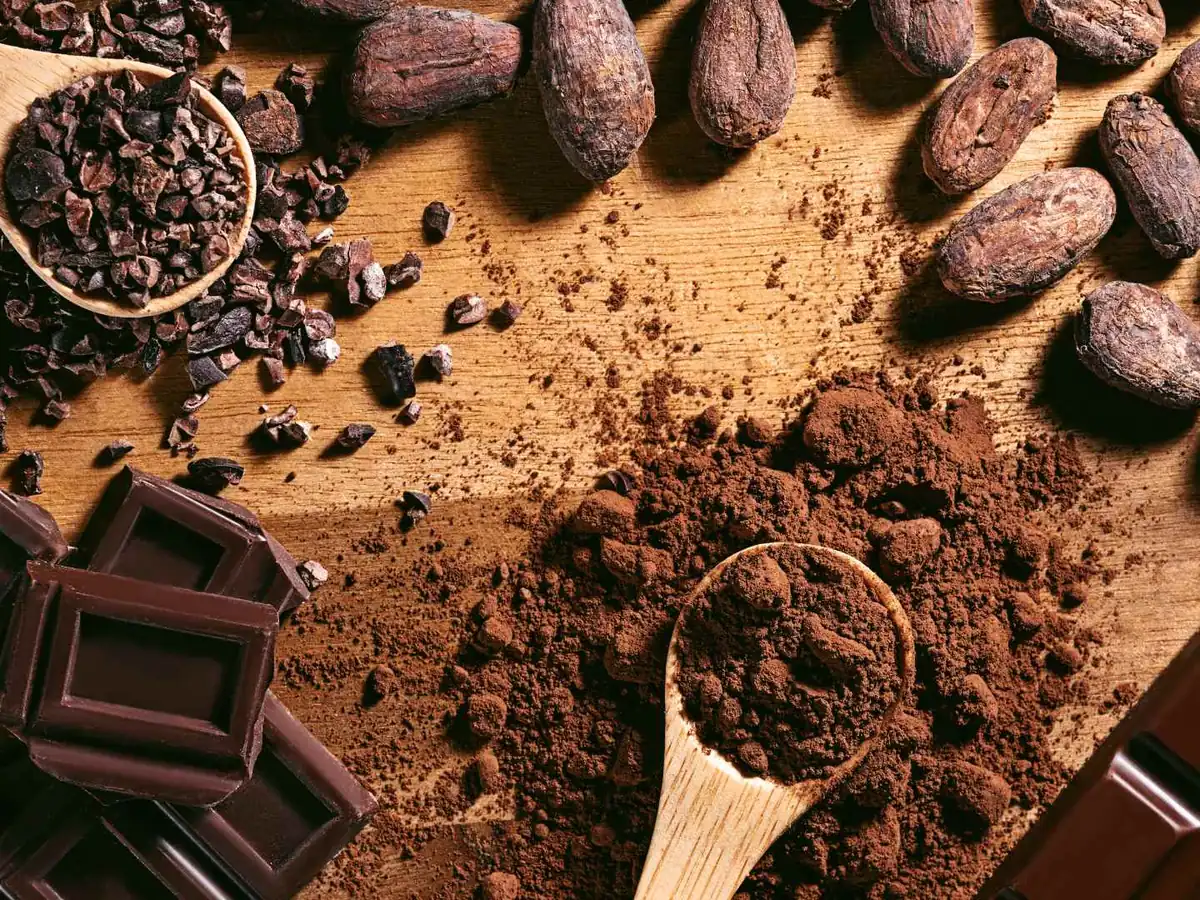
Cocoa powder is one of the most concentrated chocolate hazards
Cocoa powder contains concentrated methylxanthines, including theobromine and caffeine. A relatively small amount can therefore create a meaningful dose in a dog, especially a small dog.
If cocoa powder spills or a dog gets into the container, save the label, estimate the tablespoons or ounces missing, record the dog’s weight, and note the time. I would not wait for vomiting, restlessness, rapid heart rate, tremors, or seizures before asking for help after a substantial exposure.
Unsweetened cocoa is much more concerning per ounce than milk chocolate. The lack of sugar does not make it safer for dogs.
Baking chocolate is also highly concentrated
Unsweetened baking chocolate and high-cocoa dark chocolate contain more methylxanthine per ounce than milk chocolate. A dog does not need to eat an entire bar for the dose to matter.
Keep the package because the weight and cocoa content help with dose assessment. “One square” is not useful unless we know how much that square weighed.
White chocolate contains very little theobromine compared with dark chocolate, but it is still rich in fat and sugar. A large amount can cause gastrointestinal upset and may contribute to pancreatitis in susceptible dogs.
Chocolate chips are easy to underestimate
Semi-sweet and dark chocolate chips can be quite concentrated, and a bag can disappear quickly if a dog gets onto the counter. Mini chips are especially easy to eat in volume before anyone notices.
Use the bag’s net weight and estimate the fraction missing rather than counting individual chips. A half-pound bag is still a half-pound of chocolate even if every piece is tiny.

Xylitol can hide in sugar-free baking ingredients
Xylitol can appear in sugar-free sweeteners, frosting, gum, candy, peanut butter, syrups, and specialty baking products. In dogs it can cause rapid hypoglycemia and, after larger exposures, serious liver injury.
If xylitol appears anywhere in the ingredient list, call immediately even if the dog looks normal. Weakness, wobbliness, vomiting, tremors, seizures, or collapse can develop as blood sugar falls.
Other sugar alcohols such as sorbitol, maltitol, and erythritol do not have the same well-established canine syndrome. The exact sweetener matters, so save the package.
Raisins and currants can turn ordinary baking into a kidney emergency
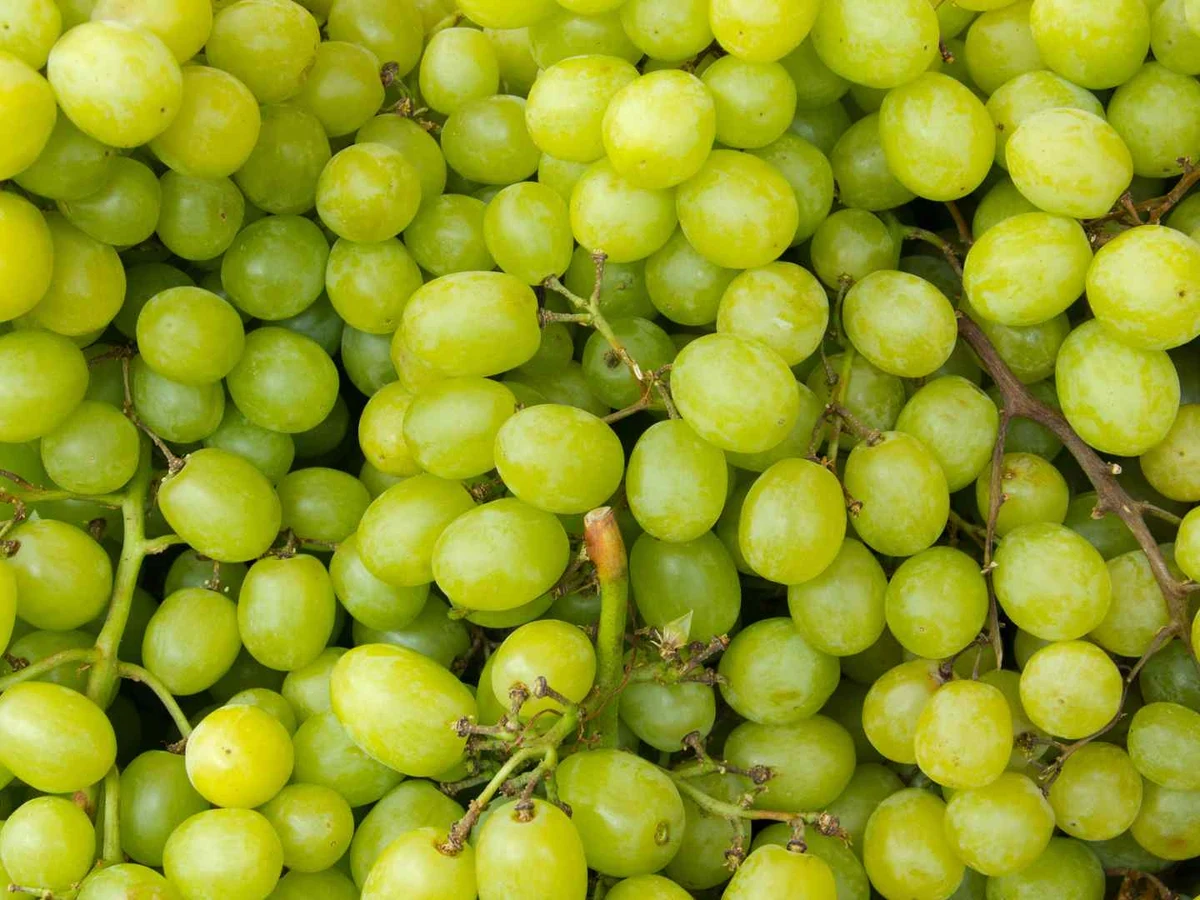
Fruitcake, oatmeal cookies, breads, scones, hot cross buns, stuffing-style bakes, and trail-mix bars can contain raisins, sultanas, or dried grape currants. These dried grape products can cause acute kidney injury in dogs.
Individual susceptibility is unpredictable, so I do not use a home “safe number” of raisins. If a meaningful amount was eaten, call promptly rather than waiting for vomiting, lethargy, thirst changes, or reduced urination.
Zante and Corinth currants are dried grapes, not the same thing as fresh red or black currants. Holiday baking often uses the dried-grape type.
Raw yeast dough can expand and produce alcohol
Unbaked yeast dough is one of the more unusual holiday baking emergencies because two problems can happen at once. The dough can expand in the warm stomach, and yeast fermentation can produce ethanol.
Abdominal distension, repeated retching, vomiting, weakness, poor coordination, unusual sleepiness, low body temperature, or collapse after raw dough deserves urgent veterinary care. A dog can become very sick before the bread ever sees an oven.
Fully baked bread is a very different food. The dangerous fermentation process is the reason raw yeast dough deserves special attention.
Raw batter and cookie dough add food-safety risks
Raw eggs can carry harmful bacteria, while raw flour is also not considered ready-to-eat and can be contaminated with pathogens. A small lick does not guarantee illness, but raw batter is not a dog treat.
Cookie dough can also contain chocolate chips, raisins, macadamias, xylitol, coffee, or alcohol flavorings. The raw egg or flour may not be the most important ingredient in the bowl.
Repeated vomiting, bloody diarrhea, fever, severe lethargy, or dehydration after a raw-food exposure deserves veterinary attention.
Coffee and espresso can hide in holiday desserts
Tiramisu, mocha cookies, espresso brownies, coffee frosting, chocolate-covered espresso beans, and coffee syrups can add caffeine. Concentrated caffeine can affect the heart and nervous system.
Save the milligrams per serving when the product provides them. Rapid heart rate, agitation, tremors, seizures, or overheating after caffeine exposure deserves urgent care.
Alcohol can be in batter, filling, glaze, or soaking syrup
Rum cake, bourbon balls, brandy fruitcake, liqueur truffles, extracts, and dessert sauces can contain alcohol. Baking may reduce some alcohol depending on time and method, while post-bake soaking can leave a meaningful amount.
Vomiting, poor coordination, weakness, unusual sleepiness, low body temperature, breathing depression, or collapse can occur after ethanol exposure. Save the recipe and report the type, concentration, and amount.
I would not assume a dessert is alcohol-free simply because it was baked at some point. The finishing steps matter.
Macadamia nuts are a dog-specific baking hazard
Macadamia nuts can cause weakness, vomiting, depression, tremors, and increased body temperature in dogs. White-chocolate macadamia cookies can therefore create a nut exposure even when the chocolate itself is low in theobromine.
Other nuts are generally more about fat, salt, choking, mold, or gastrointestinal upset. Moldy walnuts and pecans can carry tremorgenic mycotoxins and deserve prompt attention if neurologic signs appear.
Nutmeg is a concentration question
Nutmeg contains myristicin, and very large concentrated exposures can cause neurologic and cardiovascular signs. The light dusting in one cookie or pie slice is very different from a dog eating a spice jar.
I would not make nutmeg-flavored desserts a dog treat, but I also would not describe one crumb as equivalent to consuming concentrated spice. Save the recipe and amount after a meaningful exposure.
Cinnamon is usually an irritation problem in ordinary food amounts
Small culinary amounts of cinnamon are not generally considered a major canine toxin. Large amounts of dry powder can irritate the mouth and respiratory tract and can cause coughing or gastrointestinal upset.
Cinnamon-roll dough may be much more concerning because of raw yeast, butter, raisins, xylitol, or other ingredients. The recipe matters more than the cinnamon label.
Butter, cream, and frosting can create a high-fat binge
Buttercream, cream cheese frosting, whipped cream, ganache, pastry cream, and rich fillings can deliver substantial fat and calories. A large amount can cause vomiting or diarrhea and may contribute to pancreatitis in susceptible dogs.
Frosting also deserves a xylitol and chocolate check. I would not assume white frosting is automatically harmless simply because it contains no cocoa.
Baking decorations can add foreign-body hazards
Foil wrappers, parchment, cupcake liners, plastic piping tips, toothpicks, ribbon, cake toppers, skewers, and decorative wire can be swallowed along with food. A dog can eat the evidence as efficiently as the dessert.
If a sharp object or large amount of packaging disappears, call promptly. Repeated vomiting, abdominal pain, refusal to eat, blood, or inability to keep water down deserves veterinary evaluation.
What to do after a holiday baking raid
- Save every package and recipe.
- Identify cocoa powder, baking chocolate, chocolate chips, xylitol, raisins, currants, macadamias, caffeine, alcohol, and raw yeast dough.
- Estimate the maximum amount missing.
- Record the dog’s current weight and time of exposure.
- Count wrappers, parchment, toothpicks, string, and other nonfood items.
- Call promptly for xylitol, dried grapes, concentrated chocolate, caffeine, alcohol, raw yeast dough, macadamias, or sharp foreign bodies.
How I dog-proof a baking day
I keep ingredients in upper cabinets or closed containers and put cooling racks where the dog cannot reach them. Chocolate, raisins, sugar-free ingredients, and yeast dough never sit at dog height even for a minute.
I also clear wrappers and scraps as I go rather than leaving one final trash pile. The dog does not need to know how much more interesting the garbage gets during cookie season.
Frequently asked questions
What baking chocolate is most dangerous to dogs?
Cocoa powder, unsweetened baking chocolate, and high-cocoa dark chocolate are the most concentrated common forms. Milk chocolate contains less methylxanthine per ounce.
Can dogs eat raw cookie dough?
I would avoid it. Raw flour and egg can carry pathogens, and cookie dough may also contain chocolate, raisins, xylitol, macadamias, or other hazards.
Why is yeast dough dangerous?
Raw yeast dough can expand in the stomach and produce ethanol during fermentation, creating both distension and alcohol-poisoning risks.
What holiday baking exposures are emergencies for dogs?
Xylitol, raisins and dried grape currants, concentrated chocolate, caffeine, alcohol, raw yeast dough, macadamias, and swallowed sharp objects deserve prompt professional advice.
Bottom line
Holiday baking puts multiple dog hazards in one room, and the most important are usually concentrated chocolate, xylitol, dried grapes, raw yeast dough, caffeine, alcohol, macadamias, and swallowed packaging. Keep ingredients secured, save labels after a raid, and call based on the exact product rather than the fact that it was “just baking.”