Christmas Foods Cats Can and Can’t Eat: Dinner, Desserts, and Drinks
Christmas can include the cat without turning the holiday table into cat food. I keep the intentional treat to a few tiny pieces of plain boneless cooked meat, then secure bones, alliums, chocolate, alcohol, fruitcake, rich dairy, ribbon, and trash.
My Christmas rule for cats
Cats do not need a miniature roast dinner. Plain fully cooked boneless meat is the easiest safe share, while sauces, stuffing, desserts, cured meats, and drinks usually add ingredients that are either unnecessary or genuinely dangerous.
I would rather give a cat one excellent piece of turkey than negotiate with six holiday side dishes. The cat is unlikely to object to this strategy.
Christmas foods at a glance
| Food | Cat verdict | Main concern |
|---|---|---|
| Plain boneless turkey or roast meat | Tiny amount okay | Fat and seasoning |
| Cooked bones | Avoid | Choking and obstruction |
| Stuffing | Avoid | Onion, garlic, rich ingredients |
| Gravy | Avoid | Alliums, sodium, fat |
| Chocolate | Avoid | Methylxanthines |
| Fruitcake | Avoid | Dried grapes, alcohol, nuts |
| Eggnog | Avoid | Alcohol, dairy, fat |
| Plain cooked egg | Tiny amount okay | Portion |
Plain roast meat is the easiest Christmas treat
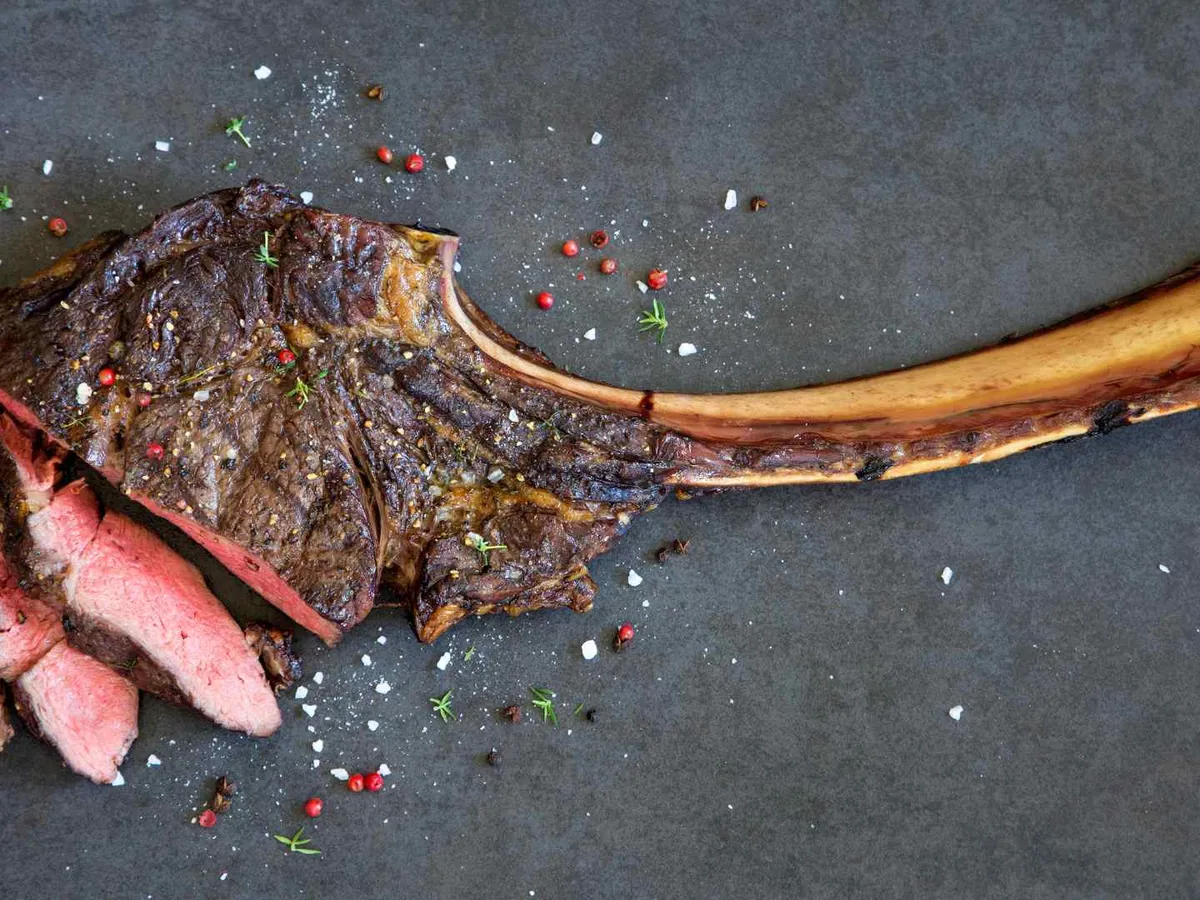
A tiny amount of fully cooked boneless turkey, chicken, beef, pork, or lamb can be an occasional cat treat. Remove skin, visible fat, bones, glaze, gravy, garlic, onion, and salty seasoning.
Cats are small, so a human forkful can already be a large treat. A few pea-size pieces are plenty.
If the roast is smoked, cured, injected, brined, or heavily seasoned, even the interior meat may be saltier than plain home-cooked food. Cats with kidney disease, heart disease, high blood pressure, or sodium restrictions deserve extra caution.
Cooked bones can cause serious mechanical injuries
Turkey, chicken, lamb, pork, beef, and fish bones can lodge in the mouth or esophagus, cause choking, fracture teeth, injure the gastrointestinal tract, or create an obstruction.
If a cat swallows a cooked bone, call for case-specific advice. Do not use hydrogen peroxide or another home method to induce vomiting in cats.
Gagging, drooling, repeated swallowing, regurgitation, open-mouth breathing, vomiting, abdominal pain, blood, or marked lethargy deserves prompt veterinary evaluation.
Stuffing and gravy are especially poor feline choices
Stuffing can contain onion, garlic, shallots, chives, sausage, butter, broth, raisins, and currants. Gravy can add more alliums, sodium, fat, cream, and concentrated meat drippings.
Cats are particularly sensitive to alliums, which can damage red blood cells and cause delayed anemia. Cooking onion or garlic into stuffing or gravy does not remove that risk.
Weakness, pale gums, rapid breathing, dark urine, reduced appetite, or collapse after a meaningful allium exposure deserves veterinary care. Save the recipe rather than waiting for visible onion pieces to prove what was eaten.
Ham is salty, fatty, and bone-in ham adds a foreign-body risk
A tiny lean piece of ham may only cause mild stomach upset in many healthy cats, but holiday ham is usually cured, salty, and often glazed. Fatty edges can be particularly rich.
Cooked ham bones should stay away because they can fracture and obstruct. Glaze may contain alcohol, garlic, onion, mustard, sugar, or other ingredients.
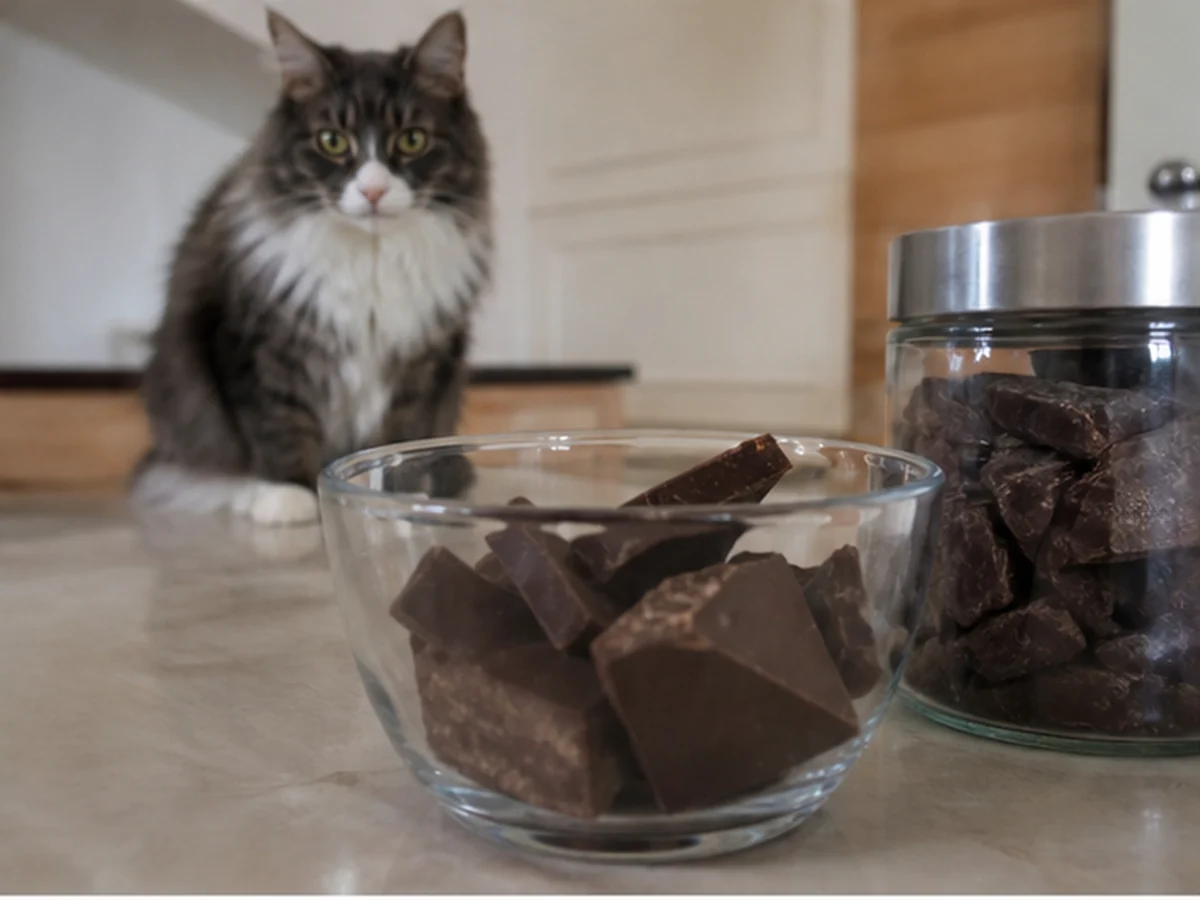
Chocolate stays completely off the cat menu
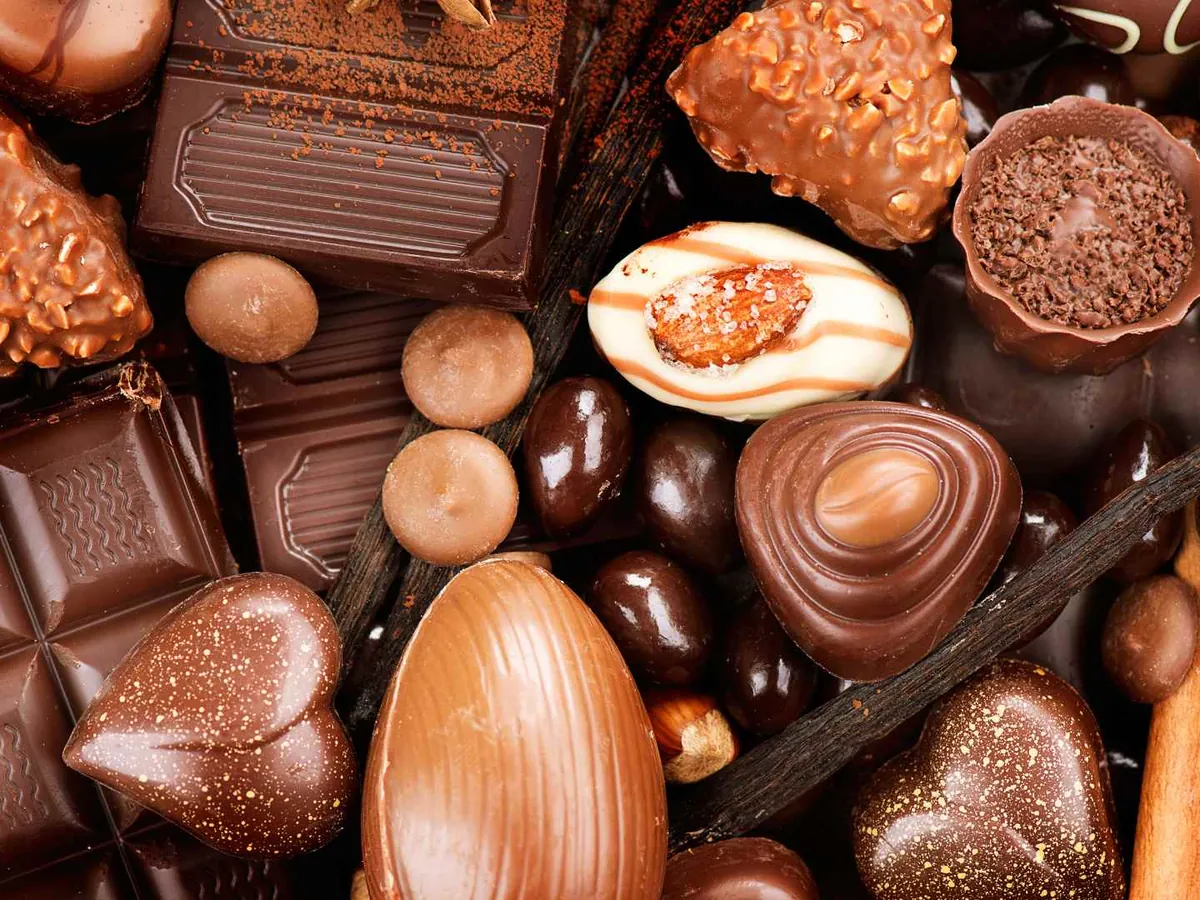
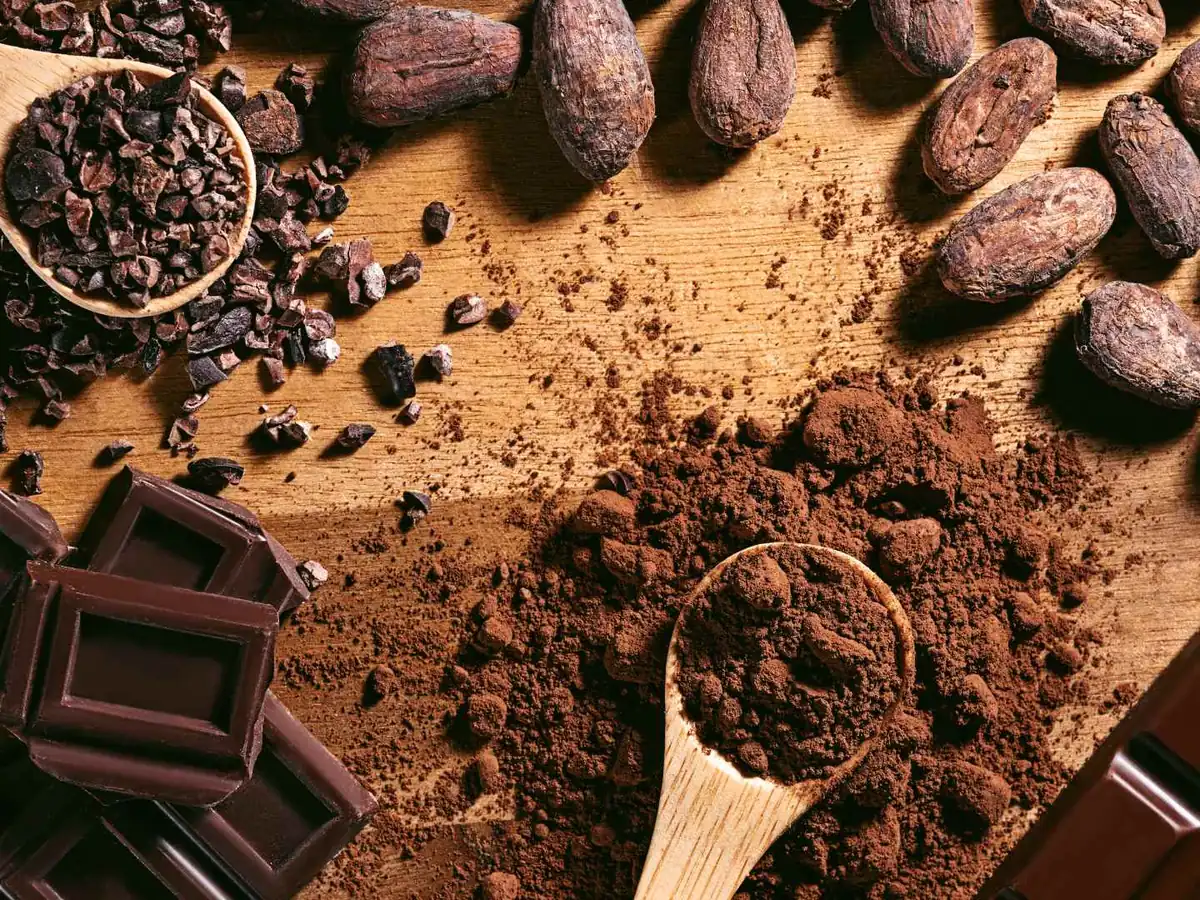
Chocolate contains theobromine and caffeine. Cocoa powder, baking chocolate, and dark chocolate are more concentrated than milk chocolate, though no form is a useful cat treat.
Save the wrapper and call after a meaningful exposure. Vomiting, restlessness, rapid heart rate, tremors, seizures, weakness, or collapse deserves urgent care.
Fruitcake is a multi-ingredient problem
Fruitcake can contain raisins, dried grape currants, alcohol, chocolate, nuts, candied fruit, sugar, and dense fat. None of those ingredients improves feline nutrition, and several can create independent hazards.
Alcohol-soaked fruitcake can expose a small cat to ethanol, while chocolate adds methylxanthines. Dried grapes are a proven kidney hazard in dogs and are not something I would intentionally expose cats to either.
Save the recipe and identify alcohol, chocolate, dried grapes, nuts, and decorations after a raid. The word fruitcake is not enough detail for a useful triage call.
Eggnog adds alcohol, dairy, sugar, and fat
Traditional eggnog may contain milk, cream, raw or cooked egg, sugar, nutmeg, and alcohol. Many adult cats tolerate lactose poorly, and rich fat can cause vomiting or diarrhea.
Alcoholic eggnog is more serious and can cause weakness, poor coordination, unusual sleepiness, low body temperature, breathing depression, or collapse. Fresh water is the much better holiday beverage.
Christmas cookies are mostly recipe questions
A tiny piece of a plain baked cookie may only cause stomach upset, but chocolate, coffee, alcohol, raisins, macadamias, frosting, and rich fillings can change the risk.
Cats do not need cookies nutritionally, so I would not intentionally share any type. If a cat steals one, check the complete ingredient list.
Cheese boards bring cured meat, grapes, and toothpicks together
Charcuterie can contain salty cured meat, rich cheese, grapes, raisins, olives, nuts, spreads, alcohol, and wooden picks. Cats may ignore the fruit and swallow the string, wrapper, or meat skewer instead.
Flavored cheese and pâté may contain garlic or onion, which is particularly important for cats. Inventory the whole board after a raid.
Ribbon and string can be more dangerous than the food
Gift ribbon, curling ribbon, tinsel, string, butcher’s twine, candy wrappers, and elastic loops can become linear foreign bodies. Cats are especially attracted to long moving material.
Do not pull visible string from the mouth or rectum if it appears stuck. Anchored linear material can bunch or saw through the intestines.
Raw yeast dough can expand and produce ethanol
Unbaked bread dough can expand in the warm stomach and produce ethanol during fermentation. This creates risks of stomach distension and alcohol poisoning.
Abdominal swelling, retching, unusual sleepiness, weakness, poor coordination, low body temperature, or collapse deserves urgent veterinary care.
Alcoholic drinks and desserts are genuine hazards
Wine, cocktails, liqueurs, mulled wine, rum desserts, and boozy coffee can expose cats to ethanol. A small cat needs far less alcohol than an adult person for the dose to become important.
Save the drink recipe and amount after a meaningful exposure. Do not wait for dramatic intoxication before seeking advice.
The Christmas tree area can add nonfood hazards
Chocolate ornaments, candy canes, edible garlands, ribbon, hooks, tinsel, string, and wrapped food gifts can all end up at cat level. The packaging can become the more serious problem after the snack itself is gone.
Keep edible gifts and string-like decorations out of reach. Cats are remarkably efficient at identifying the one decorative object that was not supposed to move.
Christmas lilies deserve a completely separate warning
True lilies and daylilies can cause severe kidney injury in cats, and exposure can occur from leaves, petals, pollen, or vase water. These flowers do not belong in a home with cats.
Lily exposure is an emergency even if the cat appears normal. Contact a veterinarian immediately rather than waiting for vomiting or kidney signs.
What to do after a Christmas raid
Save packages and recipes and identify chocolate, alcohol, alliums, cooked bones, string, ribbon, raw yeast dough, lilies, coffee, and swallowed packaging. Estimate the amount and timing.
Call promptly for chocolate, alcohol, significant onion or garlic exposure, cooked bones, lilies, string, sharp foreign bodies, raw dough, or a large unknown amount. Open-mouth breathing, repeated vomiting, tremors, seizures, severe weakness, pale gums, abdominal pain, or collapse deserves urgent care.
How I build a cat-safe Christmas treat
I use a few tiny pieces of plain fully cooked boneless meat and stop. If the cat has a prescription diet or food allergy, I use an approved treat instead.
That keeps the celebration simple and means I know exactly what was eaten. Cats do not require a plated tasting menu to feel included.
Frequently asked questions
Can cats eat Christmas turkey?
Yes, a tiny amount of plain fully cooked boneless turkey can be an occasional treat. Remove skin, bones, garlic, onion, gravy, and rich drippings.
Can cats eat Christmas ham?
A tiny lean bite may be tolerated, but ham is salty and can be fatty. Avoid the cooked bone and glaze.
Can cats eat fruitcake?
I would avoid it because fruitcake can contain dried grapes, alcohol, chocolate, nuts, sugar, and rich fat. It offers no useful feline nutrition.
What Christmas exposures are emergencies for cats?
Lilies, chocolate, alcohol, cooked bones, string, sharp objects, significant allium exposure, raw yeast dough, and large unknown trash raids deserve prompt professional advice.
Bottom line
Christmas can include the cat without sharing the human feast. Offer tiny portions of plain boneless cooked meat, then keep bones, stuffing, gravy, alliums, chocolate, alcohol, fruitcake, raw dough, ribbon, string, lilies, rich leftovers, and holiday trash securely away.