Can Dogs Eat Banana Bread? Ingredients, Batter, Mold, and Triage
One crumb of ordinary fully baked banana bread is usually a minor calorie or stomach issue for a healthy dog. Raisins, xylitol, chocolate, macadamias, substantial nutmeg, raw batter, mold, rich fats, alcohol, and swallowed wrappers can make a loaf much more urgent.
Start with the banana bread that was actually eaten
- One plain cooked bite: usually monitor a healthy adult dog.
- A loaf with butter and ordinary maple syrup: expect more fat, sugar, and calories.
- Sugar-free syrup or mix: check immediately for xylitol.
- Chocolate, raisins, currants, macadamias, or unsafe nut butter: call promptly.
- Raw batter, a missing box or bag, foil, plastic wrap, skewers, or hot pan grease: assess separately.
Plain does not mean nutritious, but it does mean the ingredient list is shorter. A dropped corner and a missing brunch platter are different events, and the dog’s size, health, symptoms, and recipe matter.
Banana does not make the loaf dog food
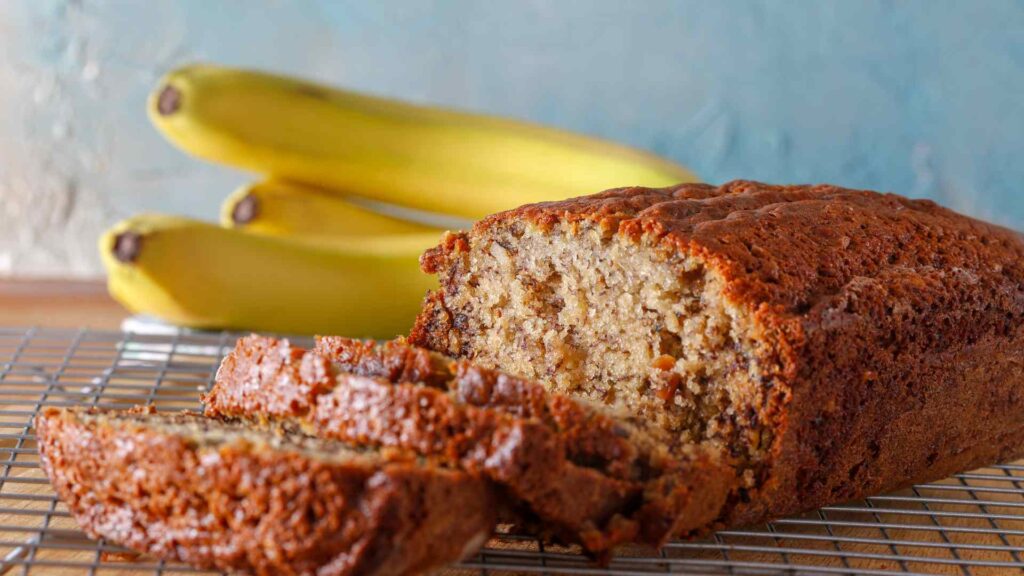
Ripe banana may be one ingredient, but a loaf also contains flour, fat, sugar, eggs, leavening, salt, spices, and sometimes dangerous mix-ins. Judge the baked product, not the fruit in its name.
Banana bread is not a potassium supplement, energy food, constipation treatment, or recovery meal. A complete canine diet already supplies nutrients in planned proportions.
Raisins and currants make this urgent
Some recipes add raisins, golden raisins, currants made from grapes, or mixed dried fruit. Grape toxicity is unpredictable in dogs, so contact a veterinarian or animal poison service promptly rather than waiting for symptoms.
The site’s green grape guide explains why seedless, organic, cooked, and dried grape products still count. Picking visible raisins from a slice does not remove absorbed juices or hidden pieces.
Chocolate, macadamias, and nutmeg
Chocolate chips, cocoa powder, chocolate spread, and dark glaze vary greatly in methylxanthine concentration. Save the package and report cocoa type, amount, dog weight, and time.
Merck describes macadamia nut toxicosis as a distinct canine syndrome. A mixed-nut loaf needs the actual nut list rather than a generic walnut assumption.
ASPCA guidance notes that large nutmeg exposures can cause varied problems. A spice dusting in one crumb is not equivalent to eating concentrated nutmeg, so report the recipe and amount.
Xylitol can hide behind a wellness label
Sugar-free, keto, low-carb, protein, and homemade loaves may use specialty sweeteners. Xylitol can cause rapid hypoglycemia and sometimes liver injury in dogs.
Merck’s xylitol guide advises prompt treatment after a potentially toxic exposure. Do not wait for weakness, poor coordination, collapse, or seizures.
Raw batter is not a safe taste
FDA explains that raw flour may contain harmful bacteria. Raw egg adds another food-safety concern, and licking the bowl spreads batter across the muzzle and kitchen.
Most banana bread is a quick bread made with baking soda or powder, not yeast. If an unusual recipe includes active yeast, tell the veterinarian because unbaked yeast dough creates different expansion and alcohol concerns.
Mold and storage
Moldy baked goods belong behind a secured trash door. Tremorgenic mycotoxins in some moldy foods can cause vomiting, poor coordination, tremors, and seizures.
Visible mold may not show the full contaminated area, so cutting off one spot is not a rescue plan. Photograph the loaf and seek urgent help if neurologic signs appear.
Wrappers and pans may be the bigger problem
Plastic wrap, foil, paper liners, absorbent pads, bread clips, skewers, and pieces of a silicone pan can disappear with the loaf. Report every missing nonfood item.
A dog licking a hot pan can burn the mouth. Cool baked goods out of reach and store them in a closed container rather than at the edge of the counter.
A practical banana bread raid checklist
- Identify homemade, bakery, packaged, sugar-free, keto, fruit-filled, chocolate, nut, glazed, raw, or moldy product.
- Save the label or recipe and estimate amount, time, dog weight, symptoms, medical conditions, medications, and normal diet.
- Flag raisins or currants, xylitol, chocolate or cocoa, macadamias, concentrated nutmeg, alcohol, active yeast, mold, and missing packaging.
- Call promptly for a flagged hazard, symptoms, large or unknown amount, medical restriction, or swallowed wrapper. Do not induce vomiting unless a professional directs it.
Plain baked banana bread is only an extra
Banana bread recipes combine flour, milk or another liquid, egg, leavening, and sometimes sugar, salt, and oil. Cooking turns raw batter into a soft food, but it does not create a complete canine diet.
A healthy dog may digest one small piece without a problem, while another may develop gas, vomiting, or loose stool from dairy, fat, a sudden food change, or sheer quantity. Stop after a taste instead of increasing the serving to test tolerance.
The UC Davis veterinary treat guideline recommends that all treats and extras stay below 10 percent of daily calories, with at least 90 percent from a complete and balanced diet. Banana bread shares that allowance with every training reward, chew, table scrap, and pill food.
Raw batter is not the same as a cooked banana bread
The FDA raw-flour safety guidance explains that flour is a raw food and can carry bacteria such as Escherichia coli or Salmonella. It advises against tasting uncooked flour, dough, or batter because cooking is the kill step.
Banana bread batter may also contain raw egg, and the mixing bowl can cross-contaminate counters, utensils, hands, and the dog’s muzzle. A lick is not guaranteed to cause infection, but raw batter should not be offered as a treat.
The FDA egg-safety guide recommends cooking eggs until firm and using pasteurized eggs for recipes served raw or undercooked. Dogs do not gain a special nutritional advantage from swallowing raw banana bread batter.
Call after a large raw-batter exposure, especially for a puppy, pregnant dog, senior, or immunocompromised animal. Vomiting, diarrhea, fever, marked lethargy, blood, dehydration, or refusal to eat needs veterinary advice.
Leavening is a label question
Ordinary baking powder or baking soda is diluted throughout a baked loaf, so one bite is not equivalent to eating the container. A dog that consumes concentrated leavening powder, dry mix, or the package needs prompt case-specific guidance.
Dry mix may also contain powdered milk, sugar, salt, flavorings, chocolate, sweeteners, and enough dust to irritate the airway. Save the box and estimate how much mix is missing rather than guessing from flour on the floor.
Butter, glaze, and frosting make the loaf richer
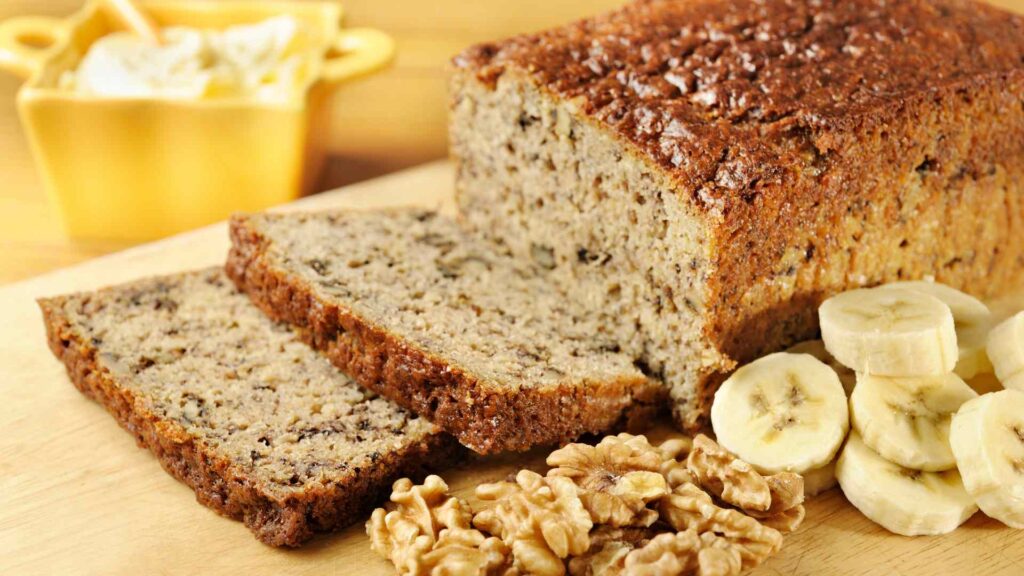
Butter adds concentrated fat and calories, while ordinary glaze or syrup adds sugar. A few drops are unlikely to poison a healthy dog, but a heavily soaked loaf can cause vomiting or diarrhea and disrupt diabetes or calorie management.
Dogs with prior pancreatitis, high triglycerides, obesity, diabetes, or a prescribed low-fat diet should not receive buttered banana bread. Repeated vomiting, abdominal pain, appetite loss, lethargy, weakness, or a hunched posture after a fatty raid warrants a prompt call.
Sugar-free glaze is an urgent label check
The Merck Veterinary Manual xylitol review explains that xylitol can trigger profound low blood sugar in dogs and sometimes severe liver injury. Sugar-free products and baked goods are among the items whose ingredient lists should be checked.
Xylitol exposure is not a wait-for-symptoms event. Call immediately with the brand, label, amount, time, and dog’s weight, and do not induce vomiting unless a veterinary professional directs it.
Weakness, vomiting, loss of coordination, tremors, seizures, collapse, or coma can follow low blood sugar. Some liver effects are delayed, so a dog that appears normal still needs professional assessment after confirmed xylitol ingestion.
Chocolate chips and cocoa change the answer
Chocolate contains methylxanthines, and risk depends on the type, cocoa content, amount, and dog’s weight. Cocoa powder and dark or baking chocolate are generally more concentrated than milk chocolate.
Our chocolate guide explains what to record and why a universal chip count is unsafe. Save the package instead of estimating chocolate strength from color.
Chocolate-hazelnut spread also adds fat and sugar, and specialty spreads can contain different sweeteners or nuts. A smear and a missing jar are not the same dose.
Raisins, currants, and macadamias are not garnish details
Raisin-studded banana bread, fruit-and-nut mixes, and trail-mix toppings can contain dried grapes or currants associated with kidney injury in dogs. Susceptibility varies, so a small number should not be dismissed as safe.
Use our grape and raisin guide and call promptly with the amount and time. Picking visible fruit out of a cooked banana bread does not prove every piece or juice has been removed.
Macadamia nuts can cause weakness, tremors, vomiting, and other signs in dogs, while other nuts add fat, mold, choking, or shell concerns. Nut-free labeling and a current ingredient panel are more reliable than appearance.
Our almond guide separates non-macadamia nut issues from a specific toxin claim. Mixed-nut banana bread deserves the package, recipe, and missing amount.
Milk, eggs, and wheat can cause individual problems
Milk in a cooked banana bread may contribute lactose, while butter adds fat and egg or wheat adds proteins. One episode of itching or loose stool does not diagnose a food allergy because many problems look alike.
The egg guide covers cooked versus raw egg and allergy questions. Dogs on a prescribed elimination diet should receive no banana bread unless the supervising veterinarian approves every ingredient.
Facial swelling, widespread hives, breathing trouble, weakness, or collapse after eating is an emergency. Mild recurring skin or digestive signs need a controlled veterinary workup rather than random ingredient swapping.
Recipes, mixes, and bakery loaves vary
Protein, keto, and sugar-free banana bread
Protein powder, sugar alcohols, caffeine, supplements, nut flour, and sweeteners may appear in fitness recipes. Do not assume a human wellness label predicts canine safety.
Fruit-filled banana bread
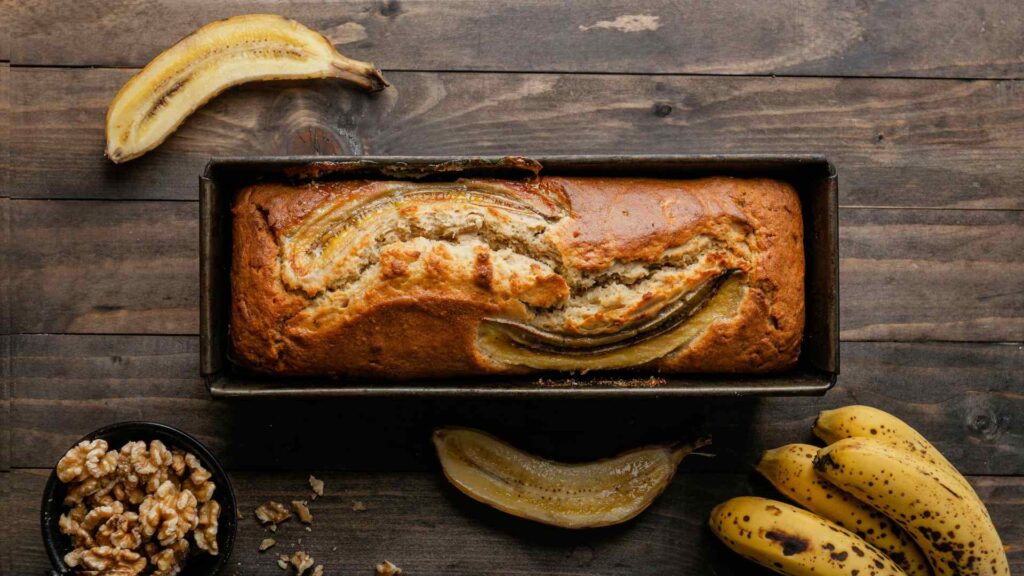
Plain fruit does not cancel butter, syrup, sugar, and portion size. Check mixes and toppings for raisins, chocolate, xylitol, or macadamias before deciding the recipe is fruit-based.
Savory banana bread and mix-ins
Savory banana bread, cheese loaves, and restaurant batters may add onion, garlic, chives, salt, oil, cheese, or fatty meat. Cheese, meat, and savory glazes make the recipe richer and less predictable.
Gluten-free banana bread
Gluten-free describes the grain proteins avoided for people, not overall safety for dogs. Almond flour, coconut flour, gums, starches, sugar, fat, and sweeteners still need review.
Banana bread is not a recommended treat
Dogs do not need banana bread to start the day, gain energy, or bond with the family. Complete dog food supplies planned nutrients, while banana bread mostly adds optional calories.
Making a tiny plain banana bread muffin especially for a healthy dog is possible, but it creates more work than using a piece of normal food as the breakfast-table reward. Regular feeding can teach begging and quietly displace balanced meals.
Hot surfaces and packaging
A fresh griddle, pan, butter, or syrup can burn the mouth and skin. Keep dogs out of the cooking zone and clean spills before the floor becomes a buffet.
Foil, plastic wrap, skewers, paper plates, syrup caps, and mix bags can choke or obstruct. Missing objects plus repeated vomiting, retching, drooling, abdominal pain, appetite loss, or reduced stool needs prompt assessment.
What to do after a banana bread raid
- Remove access and identify cooked banana bread, raw batter, dry mix, toppings, and missing objects.
- Save the recipe and labels for syrup, chocolate, nut butter, mix, supplements, and sweeteners.
- Record the amount, time, dog’s weight, symptoms, medical conditions, and medications.
- Call immediately for xylitol, raisins, currants, chocolate, macadamias, a large amount, or swallowed packaging.
- Seek urgent care for collapse, seizures, breathing trouble, repeated vomiting, marked pain, weakness, or severe lethargy.
A healthy adult dog that ate one small plain cooked bite and remains normal can usually be monitored. Keep water available and return to the regular complete diet.
Do not induce vomiting or give human stomach medicine unless a veterinary professional directs it. The recipe, timing, symptoms, and aspiration risk determine the safest response.
Frequently asked questions
Is plain banana bread toxic to dogs?
A small cooked plain bite is not a recognized toxin for most dogs. It is still an unnecessary calorie-dense extra that may upset sensitive digestion.
Can dogs eat banana bread glaze?
Ordinary syrup mainly adds sugar and calories, while sugar-free syrup demands an immediate xylitol check. Do not offer either intentionally.
Can dogs lick banana bread batter?
Do not offer it because raw flour and egg can carry pathogens. A large raw-batter exposure or symptoms deserves a call.
Can puppies eat banana bread?
A tiny cooked plain crumb is unlikely to be toxic, but puppies need nearly all calories from complete growth food. Raw batter and unsafe toppings are more concerning.
The bottom line
One plain baked banana bread bite is usually a minor dietary detour for a healthy adult dog, not a breakfast recommendation. Butter, ordinary syrup, and a large loaf add calories and digestive risk.
Sugar-free syrup, chocolate, raisins, currants, macadamias, raw batter, and packaging can require prompt action. Save labels, count what is missing, and let the exact recipe guide the call.