Can Cats Eat Lamb? Cooked Meat, Raw Lamb, Fat, and Portions
Cats can eat plain fully cooked boneless lamb in small amounts. I would choose a lean unseasoned bite, because lamb can be a perfectly reasonable protein until a fatty edge, cooked bone, garlic crust, or rich gravy tags along.
The quick lamb verdict for cats
Plain fully cooked boneless lamb can be an occasional treat for many healthy cats. It provides animal protein plus iron, zinc, selenium, vitamin B12, and other nutrients.
I cook lamb thoroughly, remove every bone and obvious fatty trimming, skip seasoning, let it cool, and offer a tiny portion. Complete cat food should remain the nutritional foundation.
Lamb also appears in many complete commercial cat foods and limited-ingredient formulas. A balanced lamb-based food is nutritionally very different from a bowl of plain lamb meat.
Plain cooked lamb can be a useful tiny topper
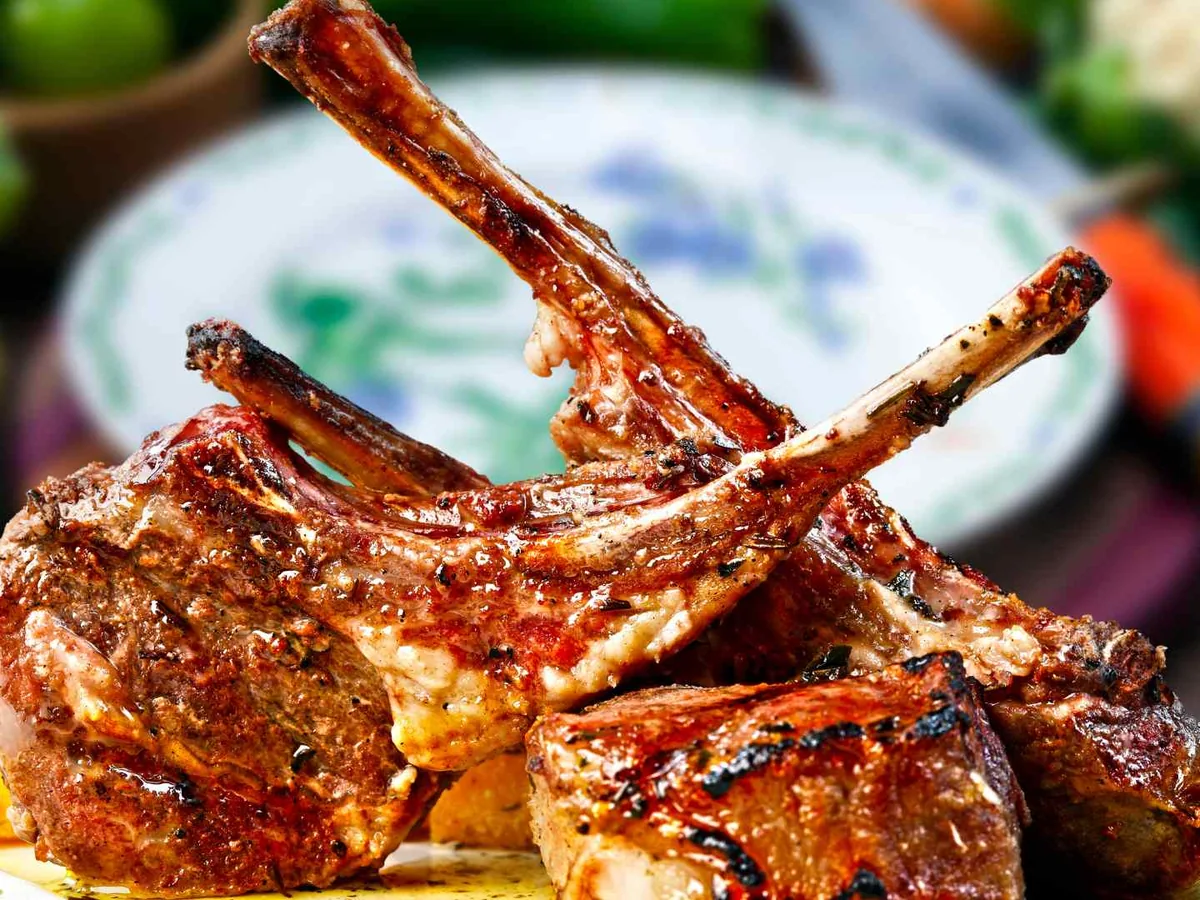
Lean cooked lamb can be a useful protein treat when a cat tolerates it well. One or two tiny pieces are enough to add variety without turning the treat into a second meal.
Cats are small, so a human-sized piece can become a substantial calorie contribution quickly. I would keep the serving tiny and count it as an extra.
If a cat is on a prescription diet for kidney, liver, gastrointestinal, urinary, allergy, or weight issues, I would check before adding lamb regularly.
Fatty lamb can upset a cat’s stomach
Lamb cuts can carry substantial visible fat. A small lean bite may be low risk, while a large fatty serving can cause vomiting, diarrhea, or abdominal discomfort.
Cats with pancreatitis, obesity, or chronic gastrointestinal disease have even less room for fatty trimmings. I trim the fat rather than treating it as the cat’s bonus.
Large amounts of lamb fat also add calories quickly and can work against weight-management plans even when no acute illness occurs.
Cooked lamb bones can splinter
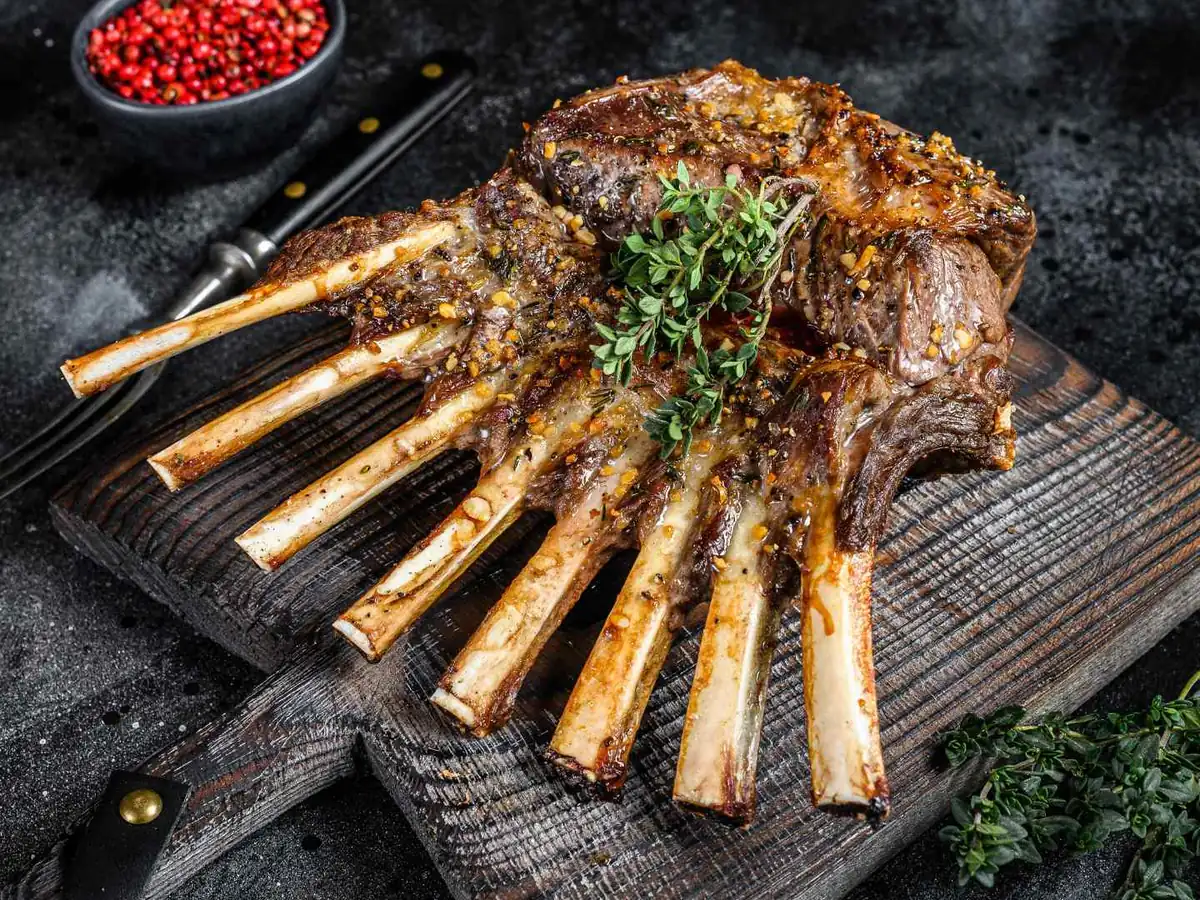
Cooked chop and rack bones can become brittle and fracture into sharp pieces. They can cause choking, lodge in the esophagus, damage teeth, injure the gastrointestinal tract, or cause intestinal blockage.
If a cooked bone was swallowed, call your veterinarian for case-specific advice. I would not induce vomiting at home because sharp fragments can cause additional injury on the way back up.
Gagging, drooling, repeated swallowing, regurgitation, vomiting, abdominal pain, blood in stool, black stool, or breathing trouble deserves urgent evaluation.
Raw lamb adds pathogen and parasite risk
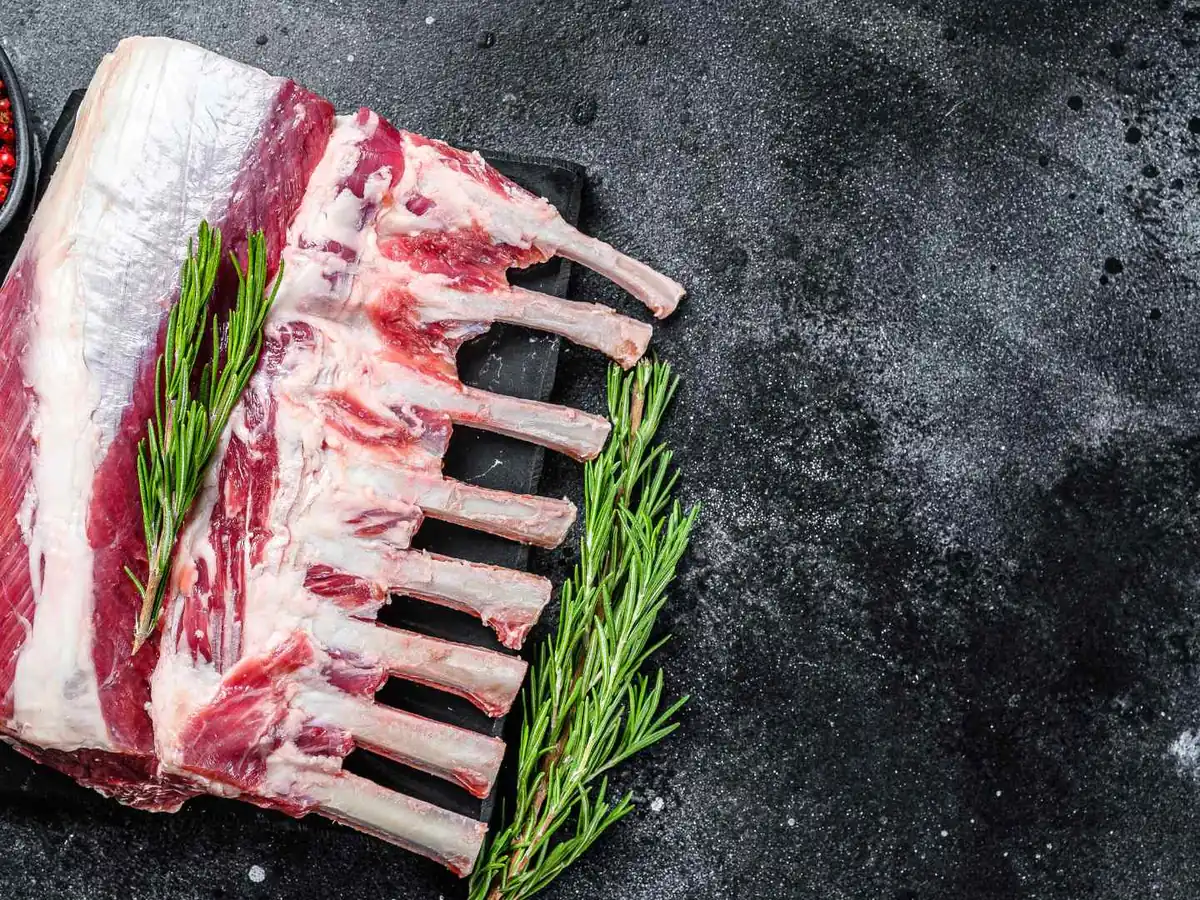
Raw meat can carry harmful bacteria and parasites and can contaminate bowls, counters, utensils, hands, saliva, and stool. Cooking thoroughly is a simple risk-reduction step.
A tiny accidental raw bite does not guarantee illness, but repeated vomiting, bloody diarrhea, fever, lethargy, dehydration, or abdominal pain deserves veterinary attention.
Kittens, seniors, pregnant cats, immunocompromised cats, and medically fragile cats deserve extra caution around raw animal products.
Freeze-dried raw lamb still counts as raw
Freeze-drying and dehydration remove moisture but should not automatically be treated as equivalent to cooking. If a product is marketed as raw, I would still consider pathogen control a question unless the manufacturer describes an effective kill step.
I would read the label rather than assume a dry crunchy texture means the meat was cooked.
Garlic and onion seasoning are bigger concerns than rosemary
Roast lamb is often prepared with garlic, onion, shallots, salt, butter, herbs, and gravy. Cats are particularly sensitive to alliums, and enough onion or garlic can damage red blood cells.
I set aside the cat’s portion before seasoning rather than scraping a finished roast. Plain meat is much easier to evaluate than a heavily rubbed chop.
Weakness, pale gums, rapid breathing, increased heart rate, dark or reddish urine, reduced appetite, or collapse after a meaningful allium exposure deserves veterinary attention.
Gravy, butter, and pan drippings make lamb much richer
Human lamb dinners often come with butter, gravy, pan drippings, cream sauce, or oil. Those additions can turn a lean bite into a much richer serving.
Cats with pancreatitis or gastrointestinal disease have especially little room for rich lamb leftovers. Plain meat is much easier to portion and predict.
Lamb sausage is not the same as plain lamb
Lamb sausage can contain added fat, salt, garlic, onion, pepper, herbs, preservatives, and curing ingredients. Some products are far fattier and saltier than plain lamb meat.
I would not use human lamb sausage as a routine cat treat. Cats with kidney disease, heart disease, obesity, or sodium restrictions have even less room for processed meat.
Ground lamb can be fine when cooked and drained
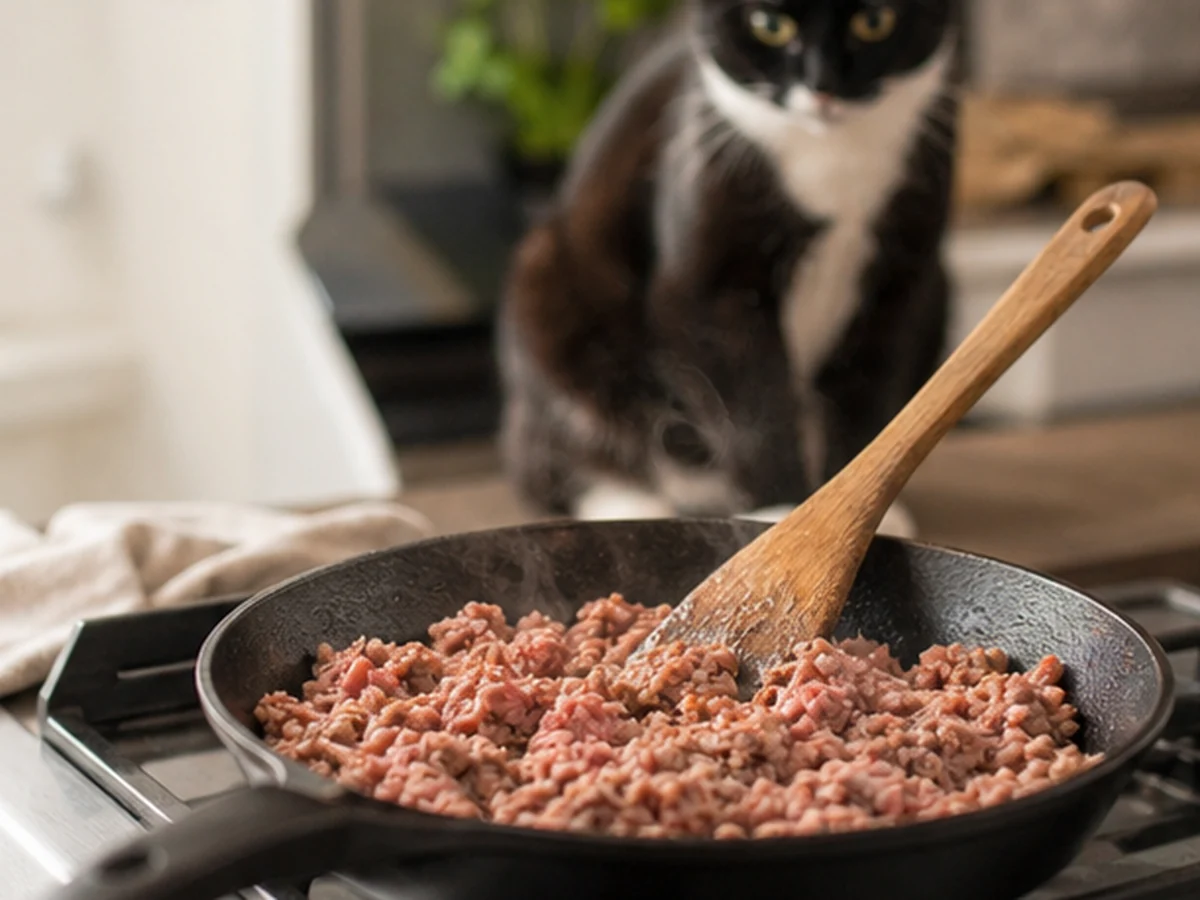
Plain ground lamb can be used as an occasional treat or diet ingredient when thoroughly cooked, but it can be fatty depending on the blend. Drain excess fat and avoid onion, garlic, salt, and spice mixes.
If ground lamb is a regular component of a homemade diet, the recipe needs proper nutritional formulation. Meat alone does not create a complete feline diet.
Lamb should stay an extra unless the diet is complete
Cats need taurine, essential fatty acids, vitamins, minerals, and amino acids in carefully balanced amounts. Plain lamb does not provide that complete balance by itself.
If lamb is a regular ingredient in a homemade diet, the recipe should be properly formulated. A cat’s enthusiasm for meat is not a nutritional spreadsheet.
Lamb can be useful in elimination diets
Lamb is sometimes used as a novel or less-common protein in veterinary elimination diets. In that context, the usefulness comes from controlled exposure, not from lamb being universally hypoallergenic.
Random treats, flavored medications, and table scraps can undermine the trial. Follow the veterinarian’s prescribed food list closely.
Commercial lamb cat food is different from plain lamb
A complete commercial lamb-based food is formulated to supply the full nutrient profile a cat needs. Plain lamb muscle meat is only one ingredient.
I would not assume a bowl of lamb is nutritionally equivalent to a complete lamb-based canned food just because both use the same protein source.
Kittens can have lamb only as a tiny extra
Kittens need complete growth food with carefully balanced protein, taurine, calcium, phosphorus, vitamins, and minerals. Plain lamb should not displace that diet.
A tiny cooked boneless piece can be an occasional treat for a healthy kitten, but homemade lamb-heavy diets are inappropriate without proper formulation during growth.
What to do if your cat ate raw lamb
- Remove the remaining raw meat.
- Estimate the amount eaten and the time.
- Save the package if one exists.
- Clean contaminated bowls and surfaces.
- Watch for vomiting, diarrhea, fever, lethargy, dehydration, or appetite loss.
- Call promptly if significant illness develops or the cat is medically fragile.
What to do if your cat swallowed a lamb bone
Estimate the bone size, whether it was cooked or raw, and how many pieces were swallowed. Call for case-specific advice, especially after sharp cooked fragments.
Do not try to induce vomiting at home or force bread. Follow the veterinary team’s instructions based on the actual foreign-body risk.
How I would serve lamb on purpose
I would use plain fully cooked boneless lean meat, trim visible fat, cut it into tiny pieces, and skip salt, garlic, onion, butter, gravy, and marinade.
If lamb is being used therapeutically as a diet-trial protein, I would follow the veterinarian’s plan rather than adding unrelated table foods.
Frequently asked questions
Can cats eat lamb chops?
A tiny amount of plain cooked boneless meat can be shared, but remove the cooked bone, fatty edge, salt, garlic, onion, and sauce.
Can cats eat raw lamb?
I would choose thoroughly cooked lamb because raw meat can carry bacteria and parasites.
Can kittens eat lamb?
A tiny piece of plain cooked lamb can fit as an occasional treat, but it should not displace complete kitten food during growth.
Can cats eat lamb fat?
I would limit it because a large fat load can cause gastrointestinal upset and is a poor choice for cats with pancreatitis or weight problems.
Bottom line
Plain fully cooked boneless lamb can be an occasional cat treat. I would trim excess fat, avoid cooked bones and raw meat, skip garlic and onion seasoning, keep processed lamb products modest, and use a properly balanced formulation if lamb becomes a regular diet ingredient.