Can Cats Eat Eggplant? Ripe Flesh, Plant Parts, Solanine, and Recipes
A tiny piece of ripe, fully cooked, plain eggplant flesh is unlikely to cause serious poisoning in most healthy cats, but there is no benefit to offering it. Leaves, stems, flowers, unripe or bitter fruit, large amounts, and heavily seasoned dishes deserve more caution because plant chemistry and recipe hazards differ.
Ripe flesh or garden plant?
Identify whether the cat licked a soft cooked cube, chewed raw grocery fruit, ate green plant material, or raided eggplant parmesan. Photograph the plant or package and retain the recipe before clearing the counter.
For one tiny bite of ripe, plain, thoroughly cooked flesh and a normal cat, remove access and monitor for drooling, vomiting, diarrhea, weakness, or appetite change. Most such tastes are expected to be uneventful.
Call promptly for leaves, stems, flowers, unripe or notably bitter fruit, a large amount, onion or garlic, repeated vomiting, severe drooling, confusion, dilated pupils, marked weakness, breathing changes, tremors, or collapse. Do not induce vomiting without veterinary direction.
Why the nightshade family needs precise language
Eggplant, tomato, potato, and peppers belong to the nightshade family, but family membership does not make every fruit, leaf, and tuber equally toxic. Species, cultivar, ripeness, plant part, growing conditions, and amount all influence glycoalkaloid exposure.
Eggplant contains glycoalkaloids, including compounds commonly discussed under the solanine umbrella, with greater concern around green plant parts and immature material. Reliable feline dose data for ordinary ripe eggplant flesh are limited, so both blanket reassurance and blanket panic go beyond the evidence.
The ASPCA’s toxic nightshade entry describes hypersalivation, appetite loss, severe gastrointestinal upset, drowsiness, confusion, weakness, dilated pupils, and slow heart rate. That general Solanum warning is most useful for plant-part or uncertain-species exposure, not proof that one ripe cooked cube carries the same dose.
Ripe cooked flesh is the lowest-risk form
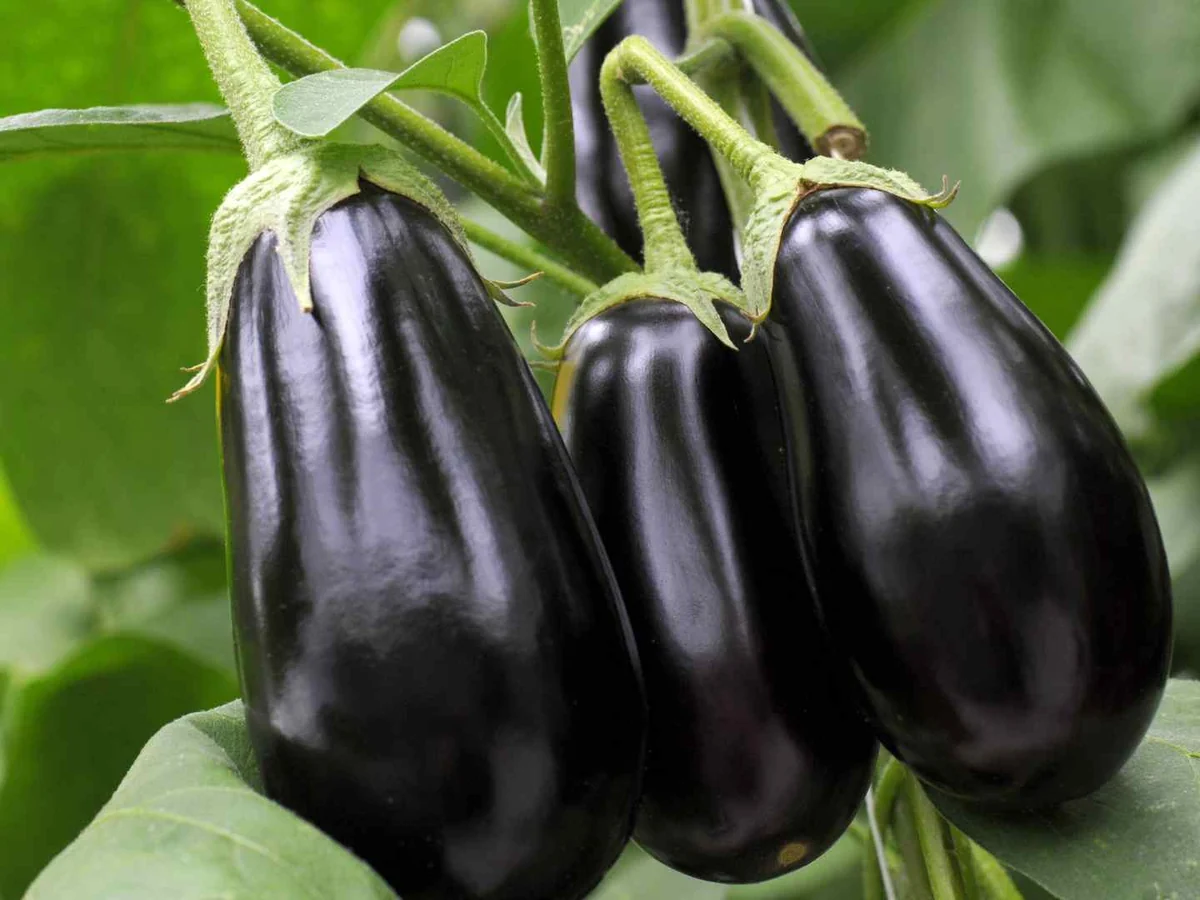
Choose a fully ripe, fresh eggplant with no green areas, spoilage, or unusually bitter taste, then wash, peel if desired, and cook until soft. Cut one plain piece smaller than a pea and let it cool completely.
This cautious taste is not a recommended serving, a medicinal dose, or a scientifically proven toxicity boundary. The safest portion is none because complete cat food already supplies the nutrition a cat requires.
The Cornell Feline Health Center emphasizes cats’ distinctive nutrient needs and complete diets. Human claims about eggplant fiber, antioxidants, or heart health do not establish feline benefit.
Cooking improves texture but does not erase every plant compound
Heating softens eggplant and makes a tiny bite easier to chew, which reduces a practical texture concern. Cooking should not be presented as guaranteed detoxification for leaves, stems, unripe fruit, or an unknown nightshade plant.
Boiling, roasting, grilling, or steaming without seasoning can produce soft flesh, while frying loads the porous vegetable with oil. A cooked leaf or stem remains inappropriate regardless of tenderness.
If an eggplant tastes strongly bitter, stop serving it to people and pets rather than hiding the flavor under sauce. Preserve a sample or photograph and call if the cat ate a meaningful amount or develops signs.
Leaves, stems, flowers, and garden scraps
Do not let cats chew eggplant foliage, stems, flowers, roots, seedlings, or pruned scraps. These are not culinary flesh and may expose the cat to more glycoalkaloid-containing material, sap, pesticides, fertilizer, or soil products.
Move potted plants and seed starts behind a closed barrier and collect fallen leaves promptly. Decorative eggplant varieties and related ornamentals can look edible while differing in identity and maturity.
After plant chewing, take clear photographs of the entire plant, leaves, flowers, fruit, stem, pot label, and damaged area. An app suggestion is not enough when a toxicologist needs a reliable species and part.
Raw eggplant is tougher and less predictable
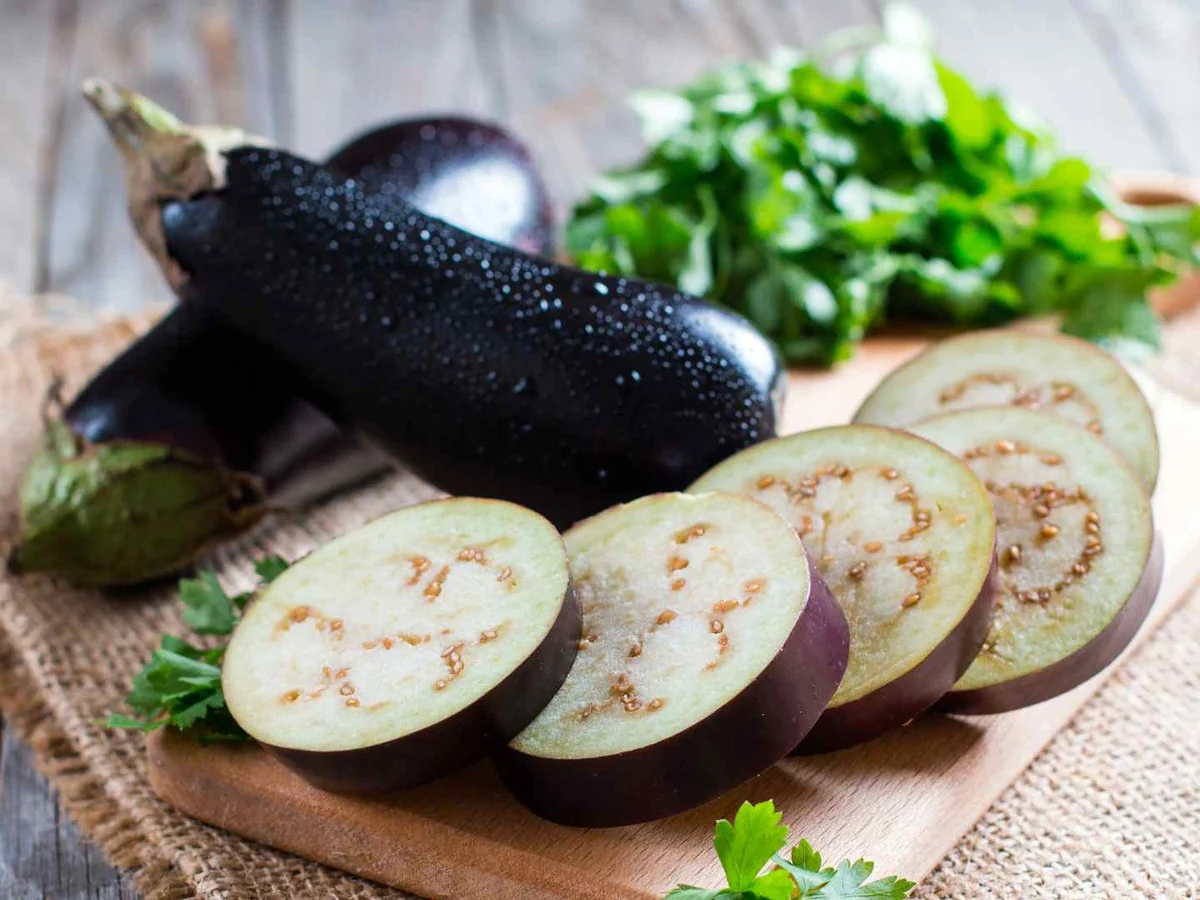
Raw ripe flesh is spongy, fibrous, and harder for a cat to break into safe bites. It may provoke gastrointestinal upset even when the glycoalkaloid exposure is not clinically significant.
Peel and firm raw cubes can be swallowed in awkward pieces, while the green calyx and stem cap should be removed completely. Call after a large raw portion or any green, unripe, or bitter material.
The Merck Veterinary Manual describes a variable obstruction picture that often includes vomiting and refusal to eat, with pain or lethargy also possible. Those changes following a swallowed chunk need examination rather than an assumption about solanine.
Eggplant parmesan is mostly a recipe problem
Eggplant parmesan typically combines fried or breaded eggplant with tomato sauce, garlic, onion, cheese, oil, and salt. Alliums can damage feline red blood cells, while fat and dairy can cause significant digestive upset.
The ASPCA’s people-food guidance notes that cats are especially susceptible to onion, garlic, and chives. Call after meaningful exposure and report pale gums, weakness, rapid breathing, vomiting, or dark urine urgently.
Cheese is not the primary toxin but adds fat, salt, and lactose-related digestive risk. Our cat cheese guide separates a dairy lick from an allium-containing casserole.
If the dish was served on pizza, the pizza guide for cats helps inventory dough, sauce, cheese, cured meat, and packaging. Do not let one vegetable name summarize the whole slice.
Fried, grilled, stuffed, and pickled forms
Fried eggplant absorbs oil readily and may be coated with flour, egg, breadcrumbs, salt, and seasoning. A greasy bite may cause vomiting or diarrhea, particularly in a cat with pancreatitis history or chronic gastrointestinal disease.
Grilled eggplant can be plain, but restaurant versions often use garlic marinade, chili, herbs, or smoky sauces. Stuffed eggplant may contain onion, meat, rice, cheese, raisins, nuts, or wooden picks.
Pickled eggplant brings brine, vinegar, salt, garlic, chili, and oil, making it unsuitable for cats. The pickle guide explains why brined vegetables require a complete label check.
Baba ghanoush is not plain eggplant
Baba ghanoush usually blends roasted eggplant with tahini, lemon, garlic, olive oil, and salt. Garlic makes intentional sharing inappropriate, while oil and sesame paste increase richness.
A tiny accidental lick does not guarantee allium poisoning, but check the recipe and call for more than a trace, uncertain concentration, or symptoms. Restaurant tubs may include additional spices, preservatives, and plastic seals.
Food preparation and pesticide questions
Wash intact eggplant under running water before cutting and avoid soap or household detergent. The FDA produce-safety guide recommends clean hands, clean tools, separation from raw meat, and discarding rotten areas.
Washing reduces surface dirt and some residues but does not make plant parts edible or remove systemic pesticide. Follow garden-product labels and keep cats away from treated plants for the stated interval.
Refrigerate cut or cooked eggplant promptly and discard spoiled leftovers. Mold, fermented odors, sliminess, or questionable storage creates a separate food-safety issue that reheating may not fix.
Eggplant allergy and individual sensitivity
Any new food can coincide with vomiting, diarrhea, itching, or facial swelling in an individual, but one event does not diagnose an eggplant allergy. A veterinarian may use a controlled elimination and challenge plan when food allergy is suspected.
Difficulty breathing, collapse, marked facial swelling, or severe sudden vomiting needs emergency care. Mild recurring skin or digestive changes should be recorded with every food and medication exposure.
Seeds, skin, and cultivar differences
The small soft seeds inside ripe culinary eggplant are not shaped like a stone-fruit pit and usually remain within cooked flesh. They do not need individual removal from a microscopic taste, although the entire serving remains optional.
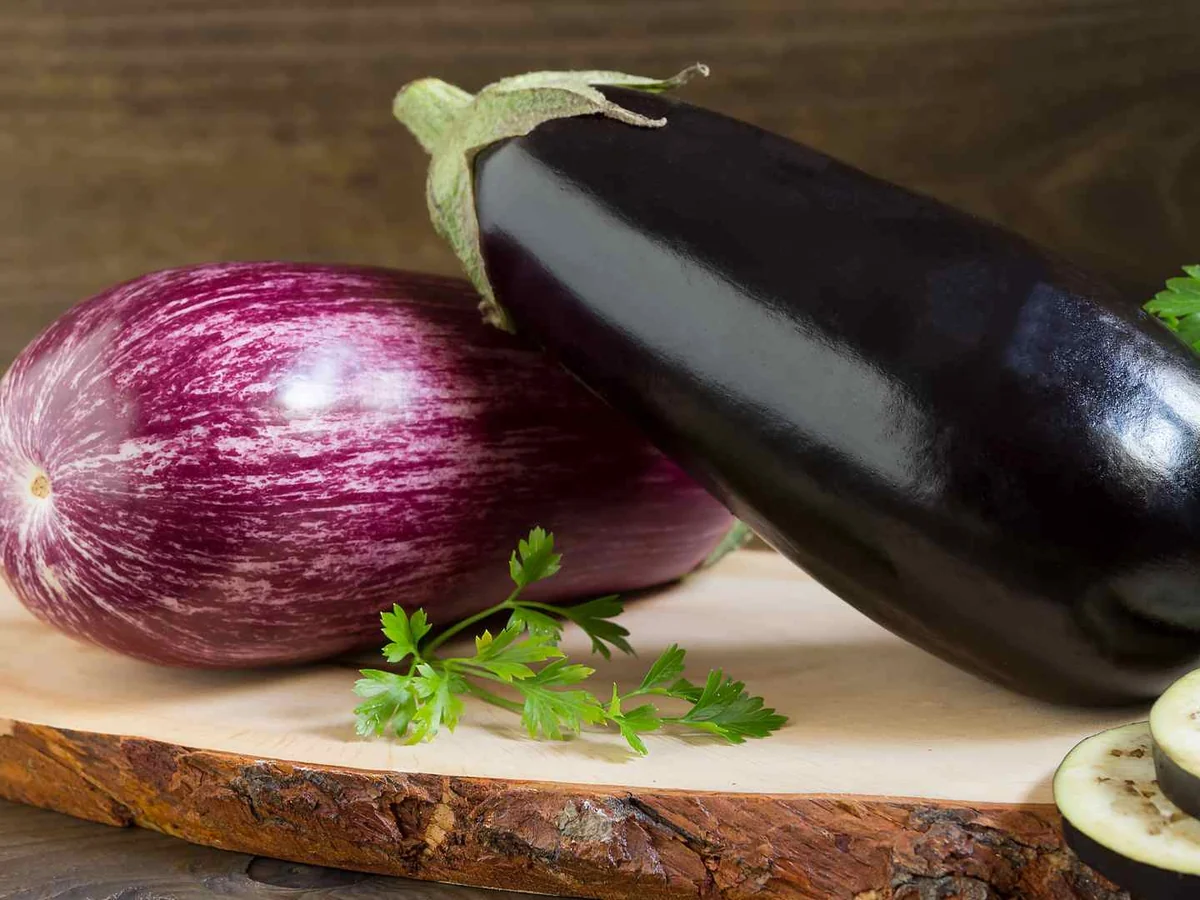
Skin can be tougher and more bitter than the interior, so peeling simplifies texture and removes one variable. Japanese, Chinese, Thai, white, striped, and miniature eggplants differ in size, skin, maturity at harvest, and culinary use, which argues against a single portion rule.
Only use a ripe cultivar sold for human food when identifying a tiny accidental taste. Ornamental fruit, roadside plants, and produce with uncertain maturity should be photographed and discussed with a professional.
Cats who should skip every form
Kittens, seniors with chewing trouble, and cats with chronic digestive disease, diabetes, obesity, previous obstruction, or prescription diets gain no useful benefit from eggplant. An elimination diet also depends on keeping unapproved vegetables out.
Do not offer eggplant as a weight-loss filler because reduced-calorie feline plans must preserve essential nutrient intake and muscle. Do not use it as a home anti-inflammatory, cholesterol treatment, or antioxidant supplement.
A better call to the clinic
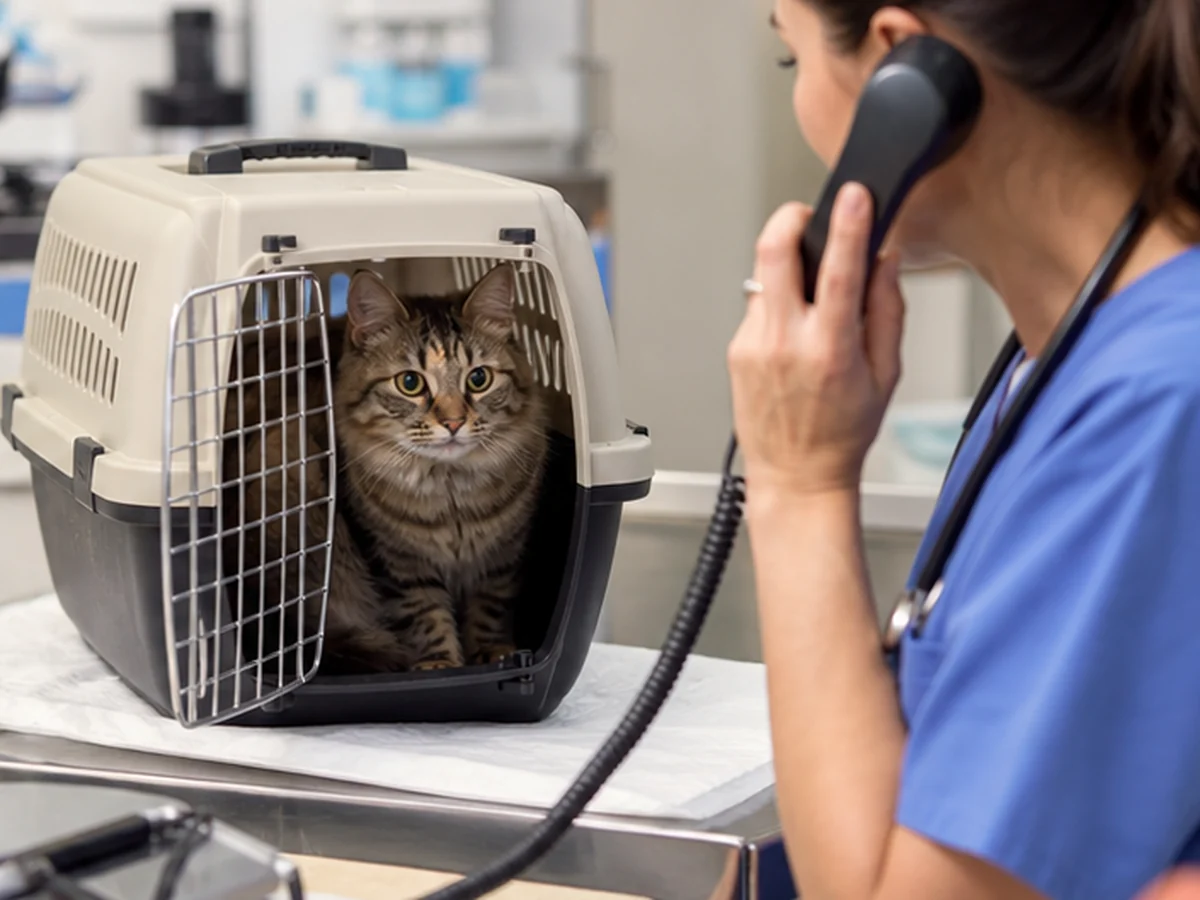
State whether the material was ripe flesh, peel, calyx, stem, leaf, flower, root, seedling, or unknown nightshade. Include raw or cooked status, recipe, possible amount, time, cat’s weight, medical conditions, medications, and symptoms.
Preserve plant photos and food labels, and mention pesticides, fertilizer, potting mix, skewers, or packaging. The exact part often changes the advice more than the common name eggplant.
The site’s eggplant overview helps household members distinguish ripe flesh, green parts, and prepared dishes. Its canine serving guidance should not substitute for feline toxicology.
FAQ
Is eggplant poisonous to cats?
Green plant parts, unripe material, and large exposures deserve concern because eggplant is a glycoalkaloid-containing nightshade. A tiny piece of ripe cooked plain flesh is much lower risk but remains unnecessary.
What if my cat ate raw eggplant?
Call for a large amount, unripe or bitter fruit, green calyx, plant material, or symptoms. One tiny ripe-flesh nibble often requires observation, but raw texture can still upset the gut.
Can cats eat eggplant parmesan?
Do not offer it because recipes commonly contain garlic, onion, oil, salt, breading, and cheese. Check the ingredients and call about alliums or a substantial theft.
Does cooking destroy solanine in eggplant?
Do not rely on ordinary cooking to detoxify leaves, stems, or unripe material. Cooking is recommended mainly because it softens ripe flesh and improves digestibility.
Bottom line
A minuscule bite of ripe plain cooked eggplant is usually low risk, but it offers no feline advantage. Keep plant parts, unripe fruit, bitter specimens, fried dishes, allium-heavy recipes, and garden chemicals away, and call when the exact exposure is uncertain.