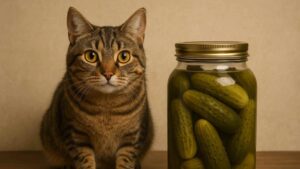
Can Cats Eat Cheddar Cheese? Lactose, Salt, Fat, and Mold Explained
A healthy adult cat may tolerate a tiny crumb of plain cheddar, but cheddar is not an ideal treat. It is calorie-dense, fatty, salty, and dairy-based, while large cubes, spicy blends, moldy blocks, wax, plastic film, and cheese sauces create problems that have little to do with lactose alone.
Cheddar is lower in lactose than milk, not magically cat food
During cheesemaking, much of milk’s lactose leaves with the whey, and bacteria use more as cheese ages. That is why a firm aged cheddar usually contains less lactose than a bowl of milk, but product values vary and feline tolerance is individual.
Many adult cats have limited lactase, the enzyme that digests lactose. The ASPCA notes that significant dairy can cause diarrhea or digestive upset in pets because they do not possess enough lactase.
Lower lactose does not address cheddar’s fat, sodium, calories, seasonings, or shape. It also does not turn cheese protein into a nutritionally complete feline diet.
For the broader dairy picture, the cat cheese guide compares several cheese styles and recipe hazards. Here, the useful question is how cheddar’s age and form change a stolen-bite decision.
Yogurt presents a different mix of lactose, cultures, sugar, flavorings, and texture. The feline yogurt guide is a better match when the stolen dairy came from a spoon rather than a cheese board.
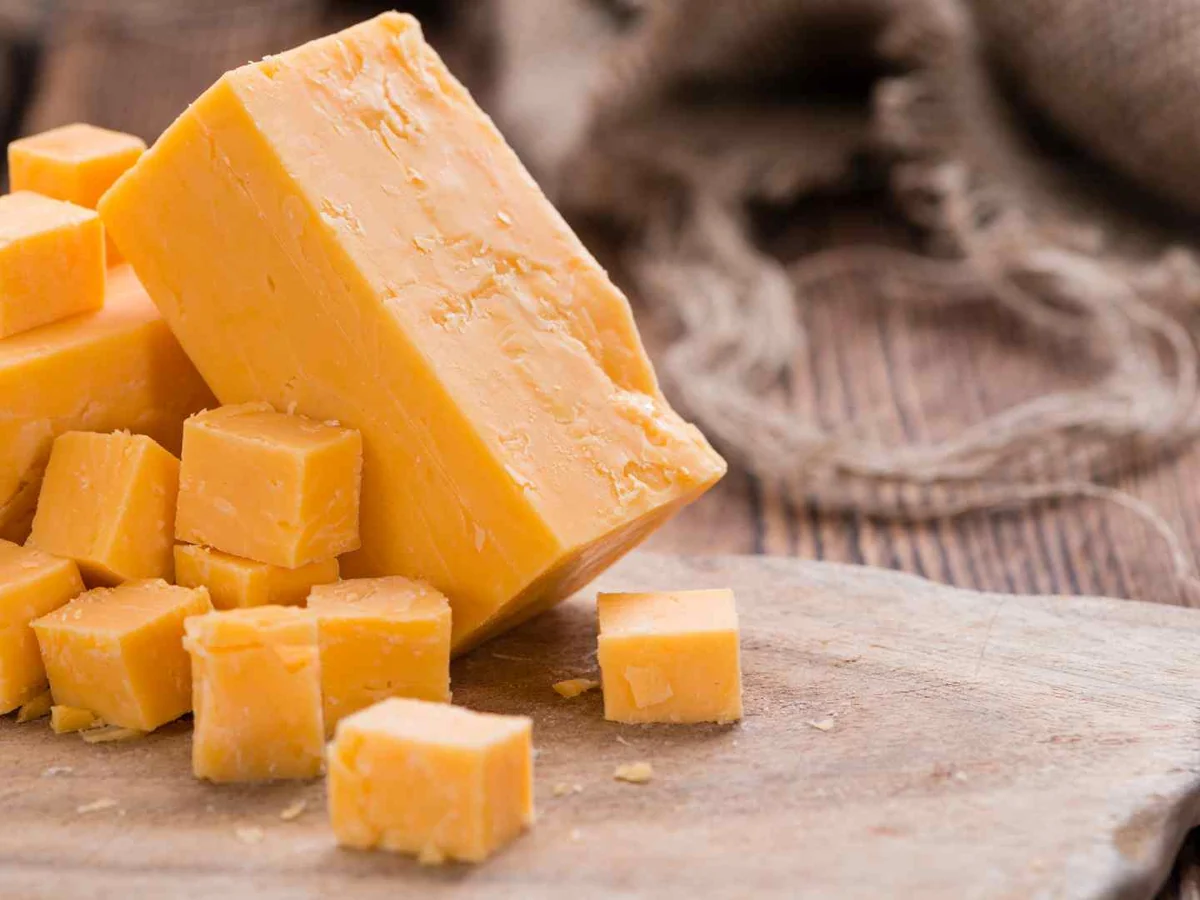
A cheddar map from plain block to loaded sauce
| Cheddar form | General answer | Main concern |
|---|---|---|
| Plain mild or sharp block | At most a tiny crumb for a healthy cat | Calories, fat, sodium, dairy tolerance, and cube size. |
| Reduced-fat cheddar | Not a health food for cats | Sodium and additives may remain while nutrition is still incomplete. |
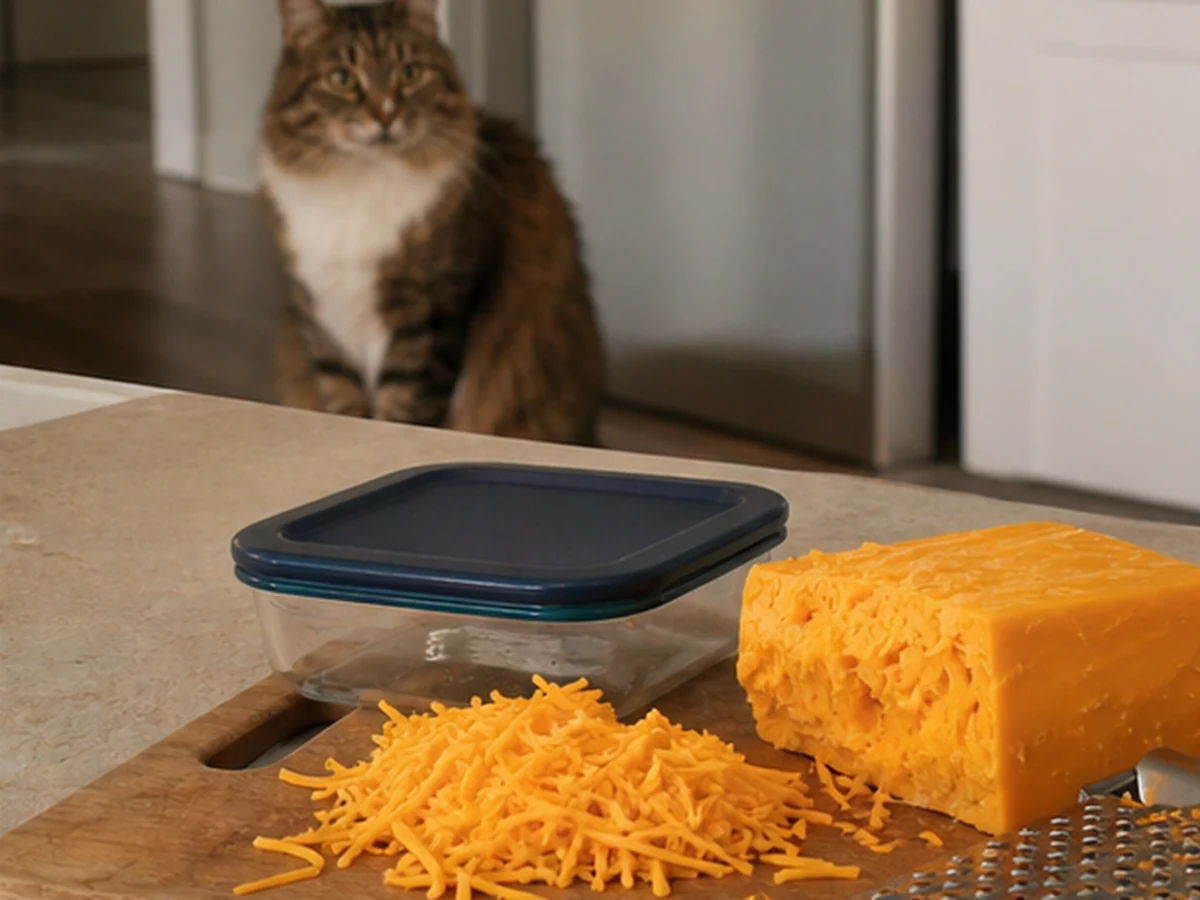
| Shredded cheddar | Easy to overestimate as harmless | Long shreds, anti-caking ingredients, salt, and rapid grazing. |
| Cheddar slice | Skip routine sharing | Processed slices may contain more sodium, emulsifiers, and wrappers. |
| Cheddar sauce or dip | Do not offer | Milk, butter, salt, onion, garlic, peppers, starch, and heat. |
| Moldy cheddar | Discard securely | Mold toxins, spoilage, and a larger unseen affected area. |
| Cheese wax or plastic | Not food | Choking and gastrointestinal obstruction. |
Portion size shrinks quickly for a cat
A human snack cube may look modest beside crackers, yet it can be a calorie-heavy mouthful for a ten-pound cat. Cheese treats become especially easy to forget when several household members each donate a piece.
If a veterinarian permits treats, shave off a crumb smaller than a pea and count it among the day’s extras. An eager response proves only that cheddar is appealing, not that the amount is nutritionally sensible.
Kittens should not fill their small stomachs with cheese when growth food supplies carefully balanced protein, minerals, vitamins, and energy. Obese cats and those on calorie-restricted plans have even less room for dense extras.
Cornell’s feline feeding guidance emphasizes nutritionally complete food and occasional treats. That framework matters more than trying to locate a special benefit in one cheddar crumb.
What digestive intolerance can look like
A cat who does not handle cheddar well may develop gas, a noisy abdomen, soft stool, diarrhea, vomiting, nausea, or reduced appetite. Signs can vary with the amount, cheese formulation, and what else was eaten.
Stop offering the food and monitor hydration, energy, appetite, vomiting, and litter-box output. Repeated vomiting, profuse diarrhea, blood, marked lethargy, obvious abdominal pain, or inability to keep water down calls for veterinary care.
Do not diagnose lactose intolerance from one episode after loaded nachos. Jalapeños, onion powder, garlic, grease, meat topping, spoiled dip, and swallowed packaging may be more important than the cheese.
Fat and sodium deserve their own column
Cheddar contains substantial fat and can be very rich for a cat accustomed to a consistent diet. A large raid may lead to vomiting, diarrhea, or abdominal discomfort, particularly in an animal with prior gastrointestinal or pancreatic trouble.
It is not accurate to declare that every fatty nibble causes pancreatitis. A cat showing repeated vomiting, a painful hunched posture, profound lethargy, or refusal to eat still needs veterinary assessment regardless of which label an owner suspects.
Salt concentration varies with brand, style, and processing. Cats with heart disease, kidney disease, hypertension, urinary conditions, or a prescribed sodium target should not receive cheese without approval from the clinician managing that diet.
Do not rely on “low-fat” or “reduced-sodium” marketing as permission. Read the serving size and ingredients, then remember that the product was formulated around human portions and preferences.
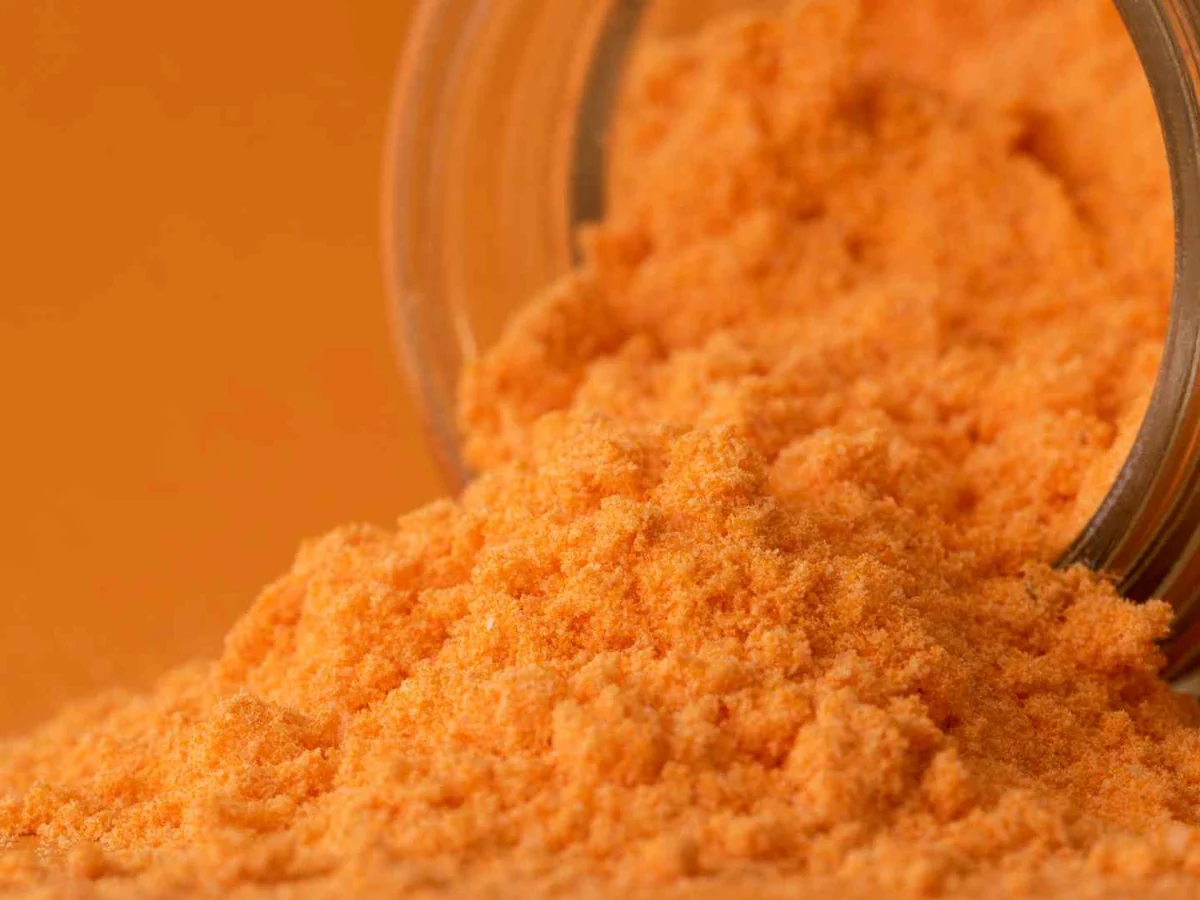
Cube shape can be the urgent issue
A firm cheddar cube can be gulped before it softens, especially when a cat steals it and runs. Large pieces may choke or lodge in the esophagus, while a hard refrigerated corner can be difficult for a cat with dental disease.
Gagging, repeated swallowing, drooling, regurgitation, pawing at the mouth, coughing, or distress after a missing cube needs prompt attention. Trouble breathing, blue-gray gums, or collapse is an immediate emergency.
Do not push a visible cube farther back and do not blindly sweep the throat. A conscious frightened cat can bite, and untrained manipulation may worsen an obstruction.
Sharp, extra-sharp, and aged describe flavor
Cheddar labeled sharp or extra-sharp has typically aged longer and developed a stronger taste. Sharpness is not the same as spiciness, and it does not mean the cheese contains hot pepper.
Aged cheddar may be relatively low in lactose, but it remains rich and salty. No age label cancels the need for a tiny portion, nor does it make cheddar appropriate for a cat with a dairy reaction.
Pepper Jack is not cheddar, and flavored cheddar needs a label
Jalapeño cheddar, chili cheddar, smoked cheese, onion cheddar, garlic-herb blocks, bacon cheddar, and beer cheese all add variables. Onion and garlic are particularly important because cats are susceptible to oxidative red-blood-cell injury.
The Merck Veterinary Manual warns that cooked and powdered Alliums remain hazardous and that anemia may appear days after ingestion. Contact a veterinarian after confirmed onion or garlic rather than waiting for pale gums or weakness.
Smoked cheddar is not automatically toxic, but it offers no feline advantage and may have higher sodium or added flavors. Cheese smoked at home also deserves food-safety scrutiny if temperature control and storage are uncertain.
Cheddar sauce collects multiple risks in one bowl
Nacho cheese, pub cheese, macaroni sauce, soup, queso-style dip, and broccoli-cheddar soup can contain milk, butter, processed cheese, starch, salt, garlic, onion, hot peppers, alcohol, and seasoned stock. A skin forming on top does not make a cooled pot safe for a cat to lick.
Hot sauce can burn the mouth, while cooled dip remains easy to lap in quantity. Keep saucepan temperature, recipe toxicity, and amount ingested as separate facts when speaking with a clinic.
Pizza adds dough, tomato sauce, processed meat, seasoning, grease, and possibly packaging. The cat pizza guide is the better framework when the cheddar arrived on a slice rather than by itself.
Mold is not a gourmet detail for cats
Cheddar can develop unintended mold after poor storage, and spoiled cheese may contain more than the visible patch. Do not trim the spot and give the “clean” remainder to a cat.
The Merck Veterinary Manual describes tremorgenic fungal poisoning across species, with possible vomiting, incoordination, tremors, rapid breathing, collapse, and convulsive spasms after moldy food. Suspected mold ingestion plus neurologic signs is urgent.
A deliberate blue-veined cheese is also not a suitable feline treat, and it should not be treated as equivalent to a plain cheddar crumb. When the cheese type or contamination is uncertain, save the package and call with the exact name.
Wax, plastic, paper, and little freshness packets
Cheese may be wrapped in plastic film, wax paper, foil, individual slice film, or a coated rind. None is digestible, and a cat attracted to dairy residue can swallow the wrapping surprisingly quickly.
Repeated vomiting, appetite loss, abdominal pain, low energy, straining, reduced stool, or a missing sheet of film warrants veterinary advice. Never pull string-like packaging from the mouth or rectum.
Some specialty boxes contain absorbent pads or freshness materials. Bring the outer package and an identical item if possible, because composition and obstruction risk cannot be identified from a vague description of “the little packet.”
Using cheddar to hide medicine
A minuscule cheese wrap can be tempting when a tablet has been rejected, but some medications must be given with specific foods or on an empty stomach. Dairy minerals, fat, and the cat’s medical diet can also affect the plan.
Ask the prescribing clinic whether cheddar is compatible with that exact drug and condition. If cheese causes diarrhea or the cat eats the coating but spits out the tablet, request a flavored liquid, compounded formulation, pill capsule, or demonstrated pilling method.
Never crush a tablet into cheese without approval, because extended-release, enteric-coated, hazardous, and extremely bitter medicines may not be safe to alter. Confirm that the full dose was swallowed before recording it as given.
A practical response to a cheese theft
- For one plain crumb: remove access and watch for digestive upset while continuing the cat’s regular meals and water.
- Call promptly: seek advice for onion or garlic, mold, a large amount, medication mixed into the cheese, severe spice, or uncertain ingredients.
- Count packaging: inspect wax, plastic, foil, paper, rind, absorbent material, and any missing toothpick from a cheese board.
- Seek emergency care: breathing difficulty, collapse, tremors, seizures, repeated retching, marked abdominal pain, or an obstructed throat cannot wait.
- Do not improvise: avoid inducing vomiting, forcing water, or feeding more dairy to move a swallowed object.
Give the veterinarian the brand, cheese form, amount missing, additions, time, cat’s weight, medical history, and current signs. A photograph of the label makes a sharper history than relying on the word cheddar.
Frequently asked questions
Can cats eat sharp cheddar cheese?
A tiny plain crumb may be tolerated by a healthy adult, but sharp cheddar remains calorie-dense, salty, and fatty. Its longer aging may reduce lactose without making it a balanced feline treat.
Is white cheddar safer than orange cheddar?
Color alone does not determine safety, and many orange cheddars use an approved coloring such as annatto. Compare sodium, fat, seasonings, portion shape, and the cat’s health instead of choosing by shade.
Can I give cheddar to a kitten?
Kittens need complete growth food and have little room for nutritionally incomplete extras. Use part of the kitten’s measured diet or a veterinarian-approved kitten treat rather than starting a cheese habit.
What if my cat ate moldy cheddar?
Call with the cheese type, amount, storage history, time, and any symptoms. Vomiting, incoordination, tremors, rapid breathing, collapse, or seizures after moldy food requires urgent care.
Bottom line
Cheddar is best viewed as an occasional stolen crumb to assess, not a feline food group. Keep portions microscopic if a veterinarian permits them, avoid loaded sauces and flavored blocks, secure every wrapper, and take mold or swallowing trouble seriously.