Can Dogs Eat Shrimp? Cooking, Shells, Portions, and Allergy
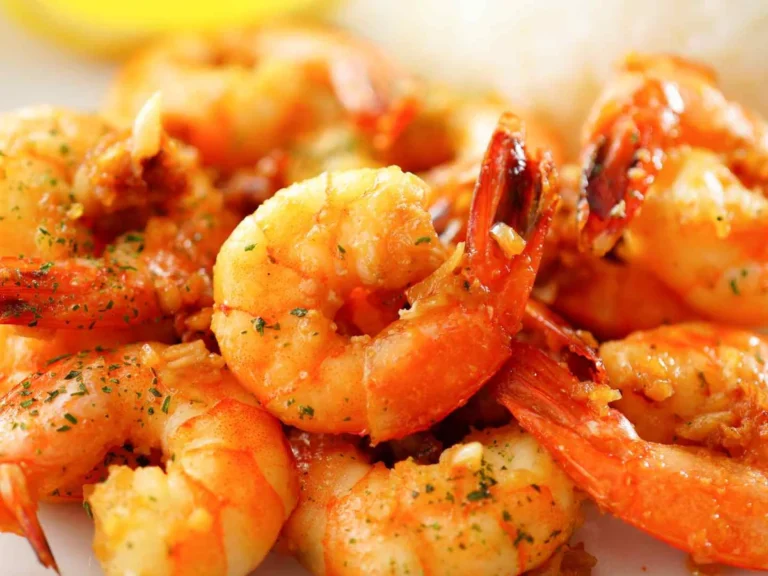
Many healthy adult dogs can eat a small piece of fully cooked, plain shrimp after the head, shell, legs, and tail are completely removed. Skip raw or undercooked shrimp, breading, frying oil, butter, garlic, onion, heavy salt, and sauces, and introduce only a tiny bite because shellfish allergy and digestive upset are possible.
The dog-safe shrimp checklist
- Fully cooked until firm, pearly, and opaque, not raw, cured, or merely marinated.
- Head, shell, tail fan, legs, and every hard fragment removed.
- Plain, with no salt, butter, oil, breading, garlic, onion, chili, or sauce.
- Cut into a small piece that suits the dog’s mouth and swallowing style.
- Offered as an occasional extra within the dog’s calorie plan, not as a meal or supplement.
Deveining is sensible because the dark intestinal tract may contain grit and makes the piece easier to inspect. The vein is not a special canine poison, so a missed trace is not the same emergency as xylitol or an Allium exposure.
If seafood is becoming a regular question, our broader fish guide for dogs explains why species, cooking method, bones, seasoning, and frequency matter. Shrimp is shellfish, but the same label-reading habit helps.
Cook shrimp thoroughly
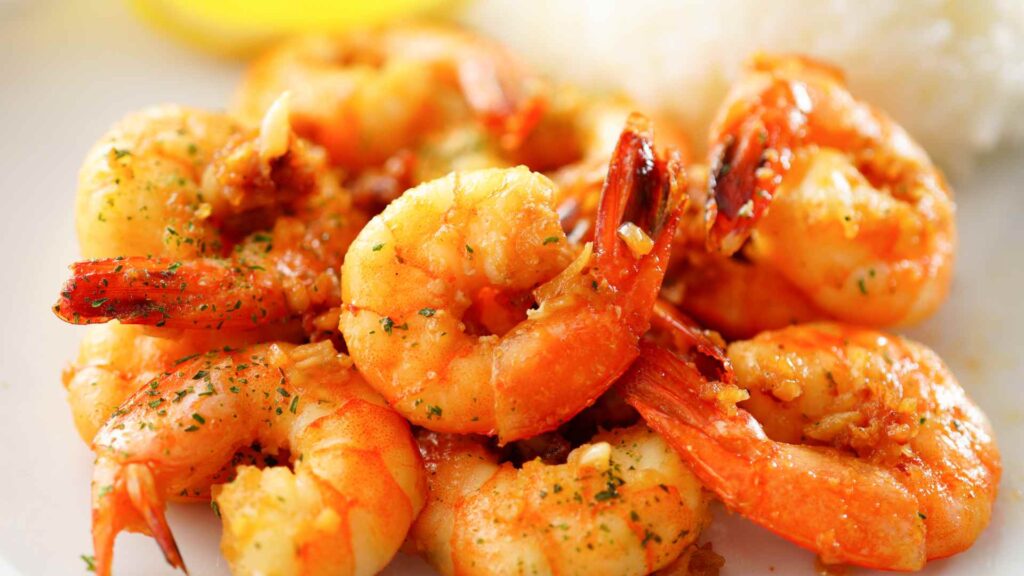
Raw seafood can carry bacteria and other pathogens, and freezing does not kill every harmful germ. Cooking also reduces the household cross-contamination risk from raw juices on hands, boards, utensils, counters, bowls, and the dog’s face.
The FDA seafood-safety guide advises cooking seafood thoroughly and says shrimp flesh should become firm, pearly, and opaque. It also recommends separating raw seafood from ready-to-eat food and washing hands and surfaces well.
The USDA safe-temperature chart lists 145°F for fish and shellfish. A clean food thermometer removes more uncertainty than judging only by curl or color.
Raw shrimp is not a canine wellness upgrade
Raw feeding does not unlock a unique shrimp benefit that outweighs pathogen risk. Dogs can become ill, carry organisms without obvious signs, and expose people through saliva, feces, surfaces, or food-preparation mistakes.
The FDA raw-pet-food guidance explains the bacterial risks to pets and household members. Children, older adults, pregnant people, and anyone with a weakened immune system deserve particularly careful protection.
Remove the shell and tail before the bowl appears
Shrimp shells, tails, legs, and heads are hard, pointed, and poorly suited to a dog that gulps. They can choke, scrape the mouth or esophagus, trigger vomiting, or contribute to a gastrointestinal obstruction.
Peeling after the shrimp is already in front of an excited dog invites a theft. Prepare the dog’s tiny portion on a separate board, count the discarded pieces, and put shells directly into a secured bin.
Cocktail picks, skewers, toothpicks, plastic rings, bags, foam trays, and absorbent pads also matter after a raid. Tell the veterinarian about every missing object, not only the shrimp.
What plain really means
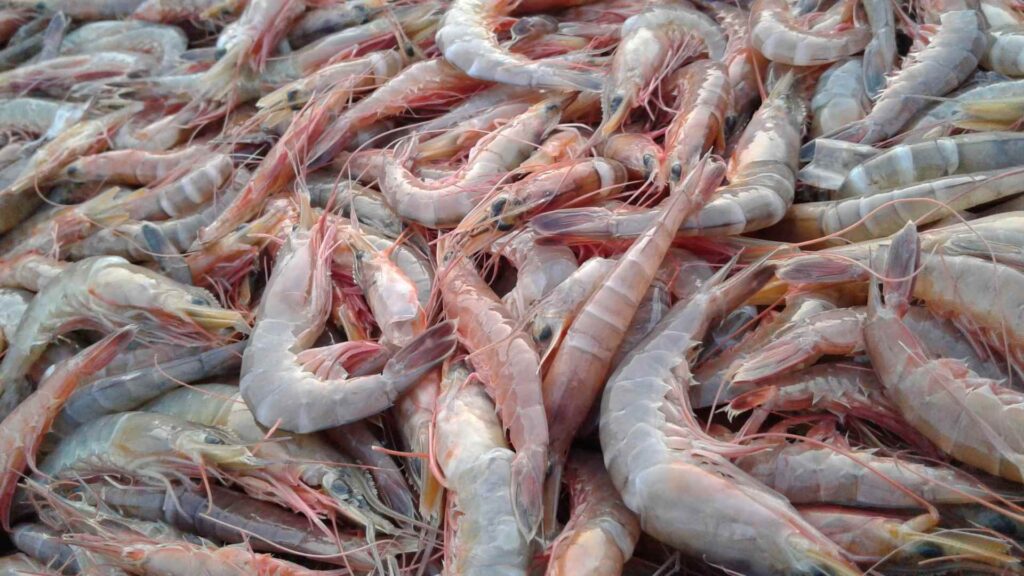
Boiled, steamed, baked, or grilled shrimp can all be suitable if the dog’s portion is fully cooked and set aside before seasoning. Let it cool, inspect again for shell, and cut it rather than tossing over a whole curled shrimp.
Butter, garlic butter, Cajun seasoning, Old Bay-style blends, onion, salt, pepper, lemon sauces, and pan drippings change the answer. A spice blend’s front label rarely tells the whole ingredient story.
Garlic is not neutralized by cooking, so check our garlic safety guide if seasoned shrimp disappears. Retain the recipe, package, or restaurant ingredient list for a more accurate risk assessment.
Frozen and precooked shrimp
Frozen plain raw shrimp still needs thorough cooking. Precooked frozen shrimp may be ready to eat for people after safe thawing, but it can contain added salt or preservatives and still needs complete shell removal.
Read the nutrition panel and ingredients instead of assuming all frozen bags are identical. Avoid damaged packages, evidence of thawing and refreezing, sour or ammonia odors, and shrimp left too long at room temperature.
Canned shrimp
Canned shrimp is often salty and may be packed with broth or additives. A tiny drained, rinsed piece may be tolerated by some healthy dogs, but plain home-cooked shrimp gives you more control.
Dogs on sodium-restricted diets or with heart, kidney, blood-pressure, or fluid-balance concerns need veterinary approval before salty products. Rinsing can reduce surface liquid but cannot prove how much sodium remains inside the food.
Fried, breaded, coconut, and sauced shrimp
Fried and breaded shrimp add oil, calories, salt, and sometimes onion or garlic powder. The coating can be richer than the shrimp itself, especially after several pieces or a spilled takeout box.
Coconut shrimp often includes sweet batter, frying oil, and dipping sauce rather than a useful amount of plain coconut. Tempura, popcorn shrimp, and shrimp chips are processed snack foods, not simple shellfish portions.
Shrimp scampi commonly brings butter, oil, garlic, wine, salt, and pasta. Gumbo, étouffée, fried rice, curry, tacos, and pasta sauces may add onions, garlic, hot spices, or fatty ingredients that require separate assessment.
Cocktail sauce often contains horseradish, salt, sugar, spices, and acidic ingredients. It is irritating and unnecessary even when it does not contain a classic toxin.
Portion by the dog, not by the appetizer platter
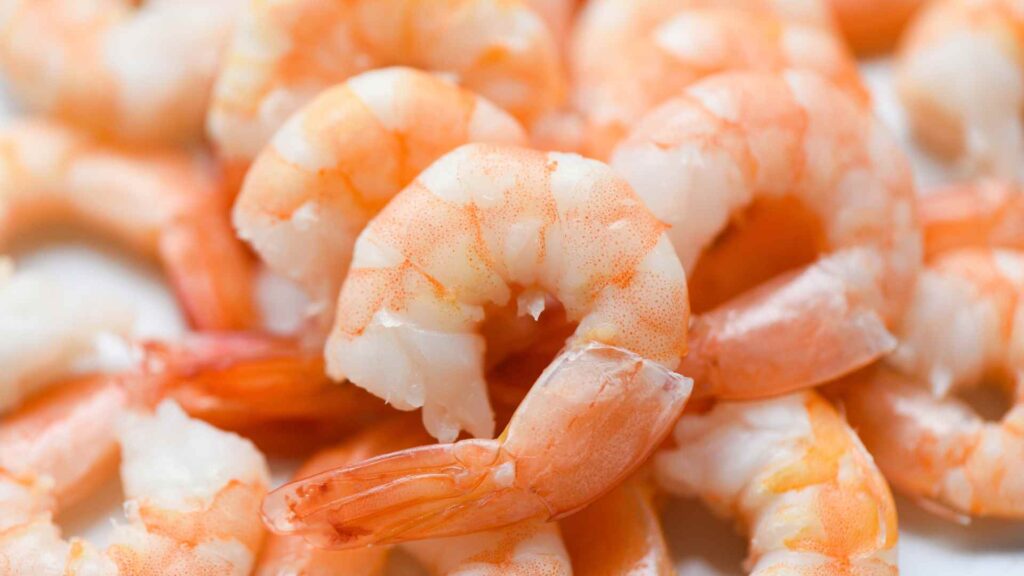
A single shrimp varies enormously in size, so one shrimp is not a dependable serving unit. Start with a thumbnail-sized piece for a first taste and make the portion smaller for tiny dogs or dogs that swallow quickly.
The UC Davis veterinary treat guideline recommends keeping treats and extras below 10 percent of daily calories. Shrimp shares that allowance with every training reward, dental chew, table scrap, and pill food.
Ten percent is a maximum, not a target, and it does not make any ingredient medically appropriate. Dogs with pancreatitis, obesity, hyperlipidemia, kidney disease, heart disease, gastrointestinal disease, or a therapeutic diet need individual guidance.
Protein, iodine, and nutrients do not make shrimp medicine
Shrimp contains protein and micronutrients, but a dog eating a complete and balanced food already receives nutrients in planned proportions. A treat-sized piece cannot correct a deficiency, rebuild muscle by itself, improve a coat on command, or treat thyroid disease.
Do not add shrimp or iodine-containing foods to manage a suspected thyroid problem without veterinary direction. Too little and too much of a nutrient can both be relevant, and diagnosis requires more than guessing from fatigue, weight, or coat changes.
A dog losing muscle, weight, appetite, stamina, or coat quality needs an examination and diet review. Sprinkling seafood over meals can mask reduced normal-food intake without treating the cause.
Shellfish allergy is possible, but do not diagnose it by hunch
Dogs can react adversely to food proteins, including proteins they have eaten before. Possible signs include vomiting, diarrhea, itching, hives, facial swelling, recurring ear or skin disease, or a combination, but those signs have many other causes.
The Merck Veterinary Manual food-allergy review describes a controlled elimination diet and rechallenge as the reference diagnostic approach. Hair, saliva, and convenient screening panels cannot replace that structured process.
Facial swelling, breathing difficulty, widespread hives, weakness, or collapse after shrimp is an emergency. For milder recurring signs, stop the new food and call the veterinarian instead of rotating proteins at random.
Do not feed shrimp during a veterinary elimination trial unless the prescribed plan explicitly allows it. A tiny treat can introduce the protein being tested and make weeks of careful feeding harder to interpret.
What to do after an accidental shrimp feast
- Remove access and separate the remaining shrimp, shells, sauce, skewers, bags, and packaging.
- Identify raw versus cooked, shell-on versus peeled, plain versus seasoned, and the approximate amount.
- Save the package or recipe and check for garlic, onion, xylitol, alcohol, chocolate, raisins, and very high salt or fat.
- Record the dog’s weight, time, symptoms, medical conditions, and any swallowed nonfood objects.
- Call for raw seafood, shells or skewers, a large rich amount, unsafe ingredients, symptoms, or a medically vulnerable dog.
One small piece of plain cooked peeled shrimp in a healthy adult dog can often be monitored. Keep water available, avoid adding more treats, and watch for vomiting, diarrhea, itching, swelling, discomfort, or lethargy.
Do not induce vomiting with peroxide, salt, oil, mustard, or fingers unless a veterinary professional gives explicit case-specific instructions. Sharp shell fragments and skewers make improvised vomiting especially risky.
Raw shrimp exposure
A stolen raw shrimp does not guarantee infection, but the amount, source, dog’s health, and household vulnerability matter. Clean contaminated surfaces, wash hands, prevent face licking, and call if the dog or a high-risk household member develops symptoms.
Shell or tail exposure
A tiny fragment may pass, while a whole tail, head, many shells, or a small dog creates more concern. Repeated vomiting, painful swallowing, drooling, food refusal, abdominal pain, reduced stool, or marked lethargy needs prompt care.
Seasoned or mixed-dish exposure
Do not estimate risk from shrimp alone when the dish contained garlic, onion, butter, alcohol, sauce, or breading. Ingredient concentration and total recipe amount guide the response.
Special cases that deserve a tailored answer
- Puppies, seniors, pregnant dogs, and dogs with weakened immune defenses.
- Tiny dogs and determined gulpers, because the physical size of a shell or whole shrimp matters more.
- Dogs with prior pancreatitis, hyperlipidemia, obesity, or a prescribed low-fat diet.
- Dogs with heart, kidney, blood-pressure, or sodium-restricted dietary needs.
- Dogs in a food-allergy elimination trial or with a history of facial swelling or hives.
- Dogs with swallowing disorders, gastrointestinal surgery, or previous foreign-body obstruction.
Being on this list does not prove that one crumb causes harm. It means the margin for casual experimentation is smaller and the veterinarian knows more about the individual risk.
Frequently asked questions
Can dogs eat shrimp tails?
No purposeful feeding is worth the choking and obstruction risk. Remove the complete shell, tail fan, head, legs, and hard fragments before offering any flesh.
Can dogs eat raw shrimp?
Raw shrimp adds avoidable pathogen and cross-contamination risk. Cook it thoroughly and use clean hands, utensils, surfaces, and bowls.
Can dogs eat boiled shrimp?
Yes, a small piece may suit many healthy adult dogs if it is fully cooked in plain water and then peeled, cooled, inspected, and cut. Seafood-boil liquid with salt and seasoning is not plain water.
Can dogs eat prawns?
The same rules apply to prawns: fully cooked, plain, shell-free, and portioned small. Name and size do not remove the need to inspect every hard part.
Is shrimp better than salmon or tuna?
No seafood is universally best, and each has different product and frequency questions. Read our guides to salmon and tuna before swapping one for another.
The bottom line
A small piece of plain, fully cooked, shell-free shrimp can be an occasional treat for many healthy adult dogs. Raw seafood, hard shells, tails, breading, frying fat, sodium, seasonings, and sauces are the parts that most often spoil the idea.
Prepare the dog’s portion separately and keep it modest. After an accident, identify the full dish and missing objects, then seek prompt help for breathing trouble, swelling, repeated vomiting, abdominal pain, collapse, or unsafe ingredients.