Can Cats Eat Spaghetti Squash? Plain Flesh, Bitter Squash, Seeds, and Sauces
A few soft strands of plain, non-bitter, cooked spaghetti squash are usually low risk for a healthy cat, but they are optional plant food rather than a feline need. An intensely bitter squash, tough rind, seeds, rich sauce, alliums, spoilage, or swallowed kitchen debris changes the response.
Before the squash disappears into dinner
Save the produce sticker, seed packet, recipe, and a sample of the squash where pets cannot reach it. Note whether it came from a grocery store, a garden, volunteer vines, a decorative display, or saved seed.
Identify raw or cooked flesh, rind, seeds, stringy pulp, sauce, oil, seasoning, and packaging. Estimate the amount eaten and whether the flavor was normal or strikingly bitter.
Call promptly for a bitter sample, repeated vomiting, severe diarrhea, abdominal pain, weakness, collapse, bloody stool, choking, or missing rind and utensils. Do not induce vomiting or force water.
Plain cooked strands can be low risk
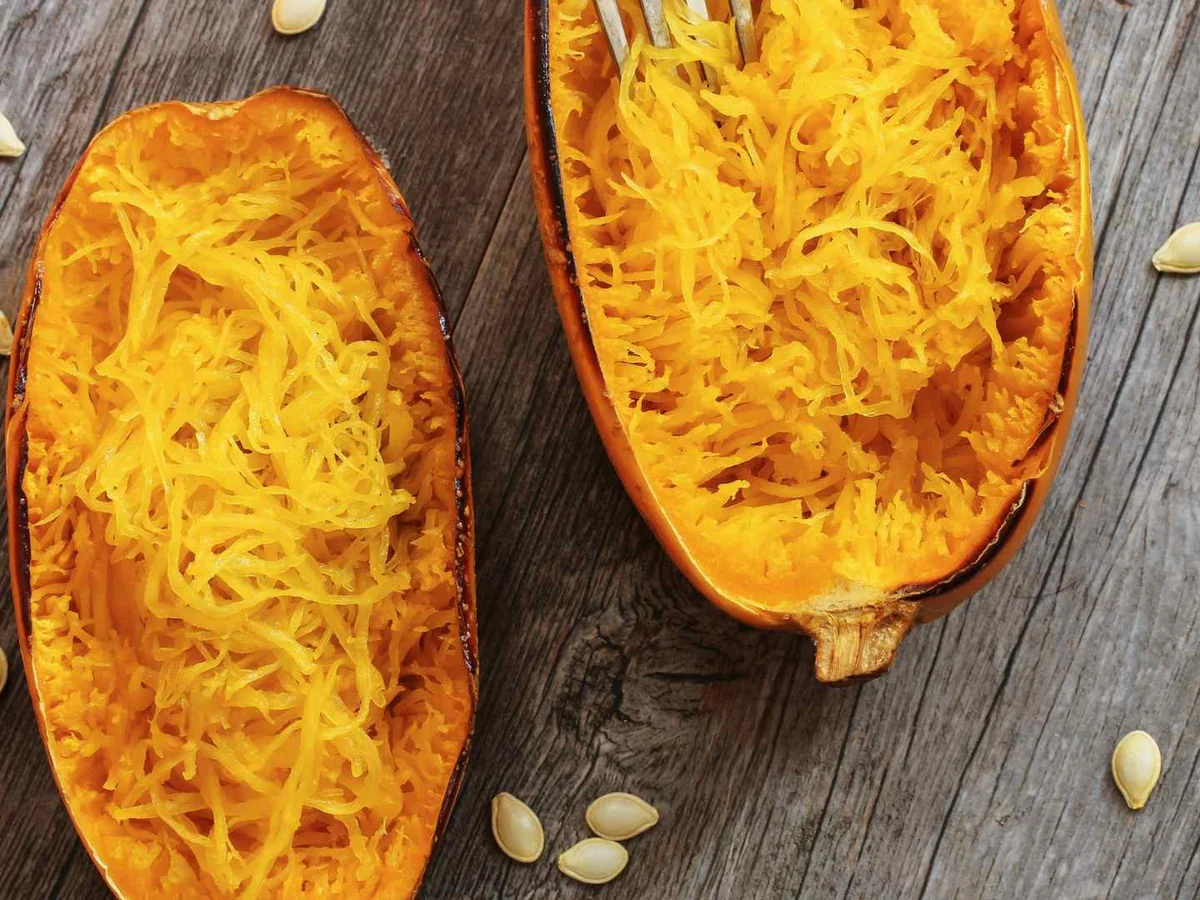
Spaghetti squash flesh becomes soft strands after cooking and may pass uneventfully in a tiny amount. It does not supply the balanced animal-derived nutrients that a cat needs from its main diet.
The Cornell Feline Health Center’s feeding resource describes the protein and nutrient balance required by cats. A vegetable’s human fiber reputation does not make it necessary cat food.
If a veterinarian approves a taste, serve it plain, cooled, and mashed free of rind and seeds. One or two soft strands are plenty for the experiment.
Bitterness is a genuine stop sign
Cucurbits can rarely contain high concentrations of intensely bitter cucurbitacins. Human poison-center reports describe rapid gastrointestinal illness, dehydration, and occasionally more severe effects after bitter squash.
The Poison Control toxic squash overview includes spaghetti squash and explains that cooking does not inactivate cucurbitacins. That evidence is primarily human, so no exact feline toxic dose should be invented.
A bitter squash should be discarded securely and never offered to a cat. If a cat ate it, call a veterinarian or animal poison service with the amount, timing, origin, and symptoms.
Why garden squash deserves extra questions
Edible squash can cross with ornamental or wild cucurbits when gardeners save seed, and volunteer plants may have uncertain parentage. Fruit can look ordinary even when its flavor is abnormally bitter.
France’s food-safety agency ANSES warns that inedible gourds contain irritating cucurbitacins and that the compounds resist cooking. Its public guidance advises discarding bitter squash.
Do not use a cat as a taste tester. Label seed sources, keep decorative gourds separate, and avoid feeding fruit from an unidentified vine.
Raw flesh is firm and awkward
Raw spaghetti squash is considerably harder than the cooked strands. Cubes and scraped pieces can be difficult to chew, while large chunks can obstruct the airway or digestive tract.
Coughing, gagging, frantic pawing, repeated swallowing, blue or gray gums, or open-mouth distress needs emergency care. Do not sweep a finger blindly through the throat.
A tiny raw shaving may only cause stomach upset, but a substantial amount or persistent vomiting deserves a call. Cooking plain flesh improves texture, not nutritional completeness.
The rind belongs in a closed bin
The outer shell is thick, tough, and not meant for feline digestion. Curved pieces can be swallowed after a cat chews oily scraps from a roasted half.
The FDA notes that food objects can obstruct the esophagus, stomach, or intestines. Repeated vomiting, appetite loss, lethargy, abdominal pain, straining, or reduced stool can appear after the kitchen looks clean.
Count discarded rind sections and use a lidded trash can. Do not pull plant material protruding from the mouth or anus without veterinary direction.
Seeds and stringy pulp
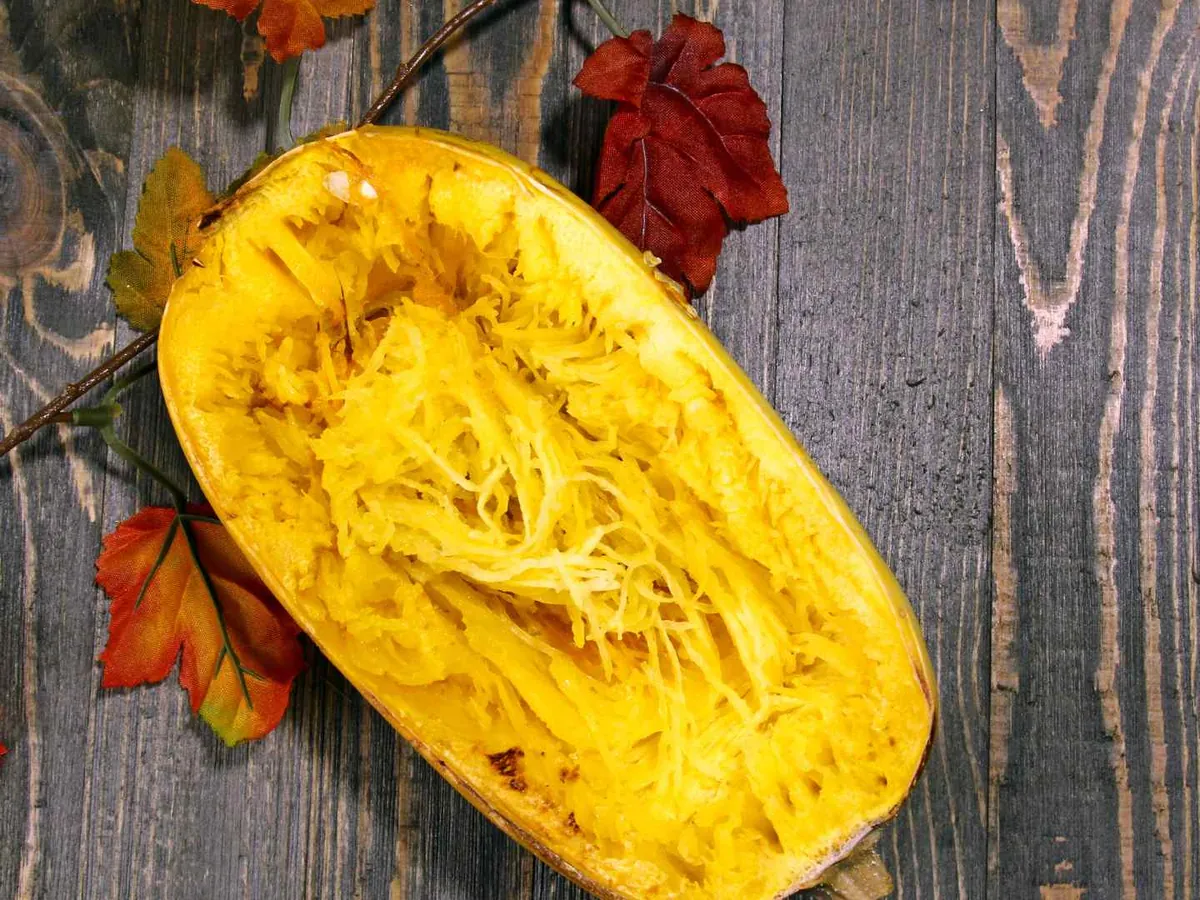
Spaghetti squash seeds are smooth but can travel with fibrous pulp in a sticky mass. A few separated seeds may pass, while a large mouthful adds choking and gastrointestinal concerns.
Roasted seeds may carry salt, oil, garlic, chile, or sugary coatings. The cat pumpkin-seed guide helps assess a closely related snack form without claiming the seeds are interchangeable.
Remove seeds before serving any veterinarian-approved squash taste. Keep the slippery pulp away from drains, disposals, and floor-level compost.
Butter turns strands into a rich side dish
Butter, cream, cheese, bacon fat, and oil increase calories and can provoke vomiting or diarrhea. A single buttery lick does not diagnose pancreatitis, but ongoing pain, vomiting, lethargy, or food refusal requires evaluation.
Cats with obesity, diabetes, gastrointestinal disease, or prior pancreatic trouble should not receive rich vegetable sides. Consistency matters more than finding a clever low-carbohydrate noodle substitute.
The cat cheese guide covers dairy and fat when parmesan or cream sauce appears.
Garlic and onion hide in savory recipes
Roasted spaghetti squash commonly contains garlic powder, onion, shallot, chives, stock, pesto, or seasoning blends. Cats are unusually susceptible to red blood cell injury from Allium plants.
Use the cat garlic guide for ingredient-specific triage. Pale gums, weakness, rapid breathing, dark urine, or collapse can be delayed and require urgent care.
Scraping visible seasoning off does not remove what soaked into moist strands. Preserve the recipe and estimate the portion eaten.
Tomato sauce, meat sauce, and casseroles
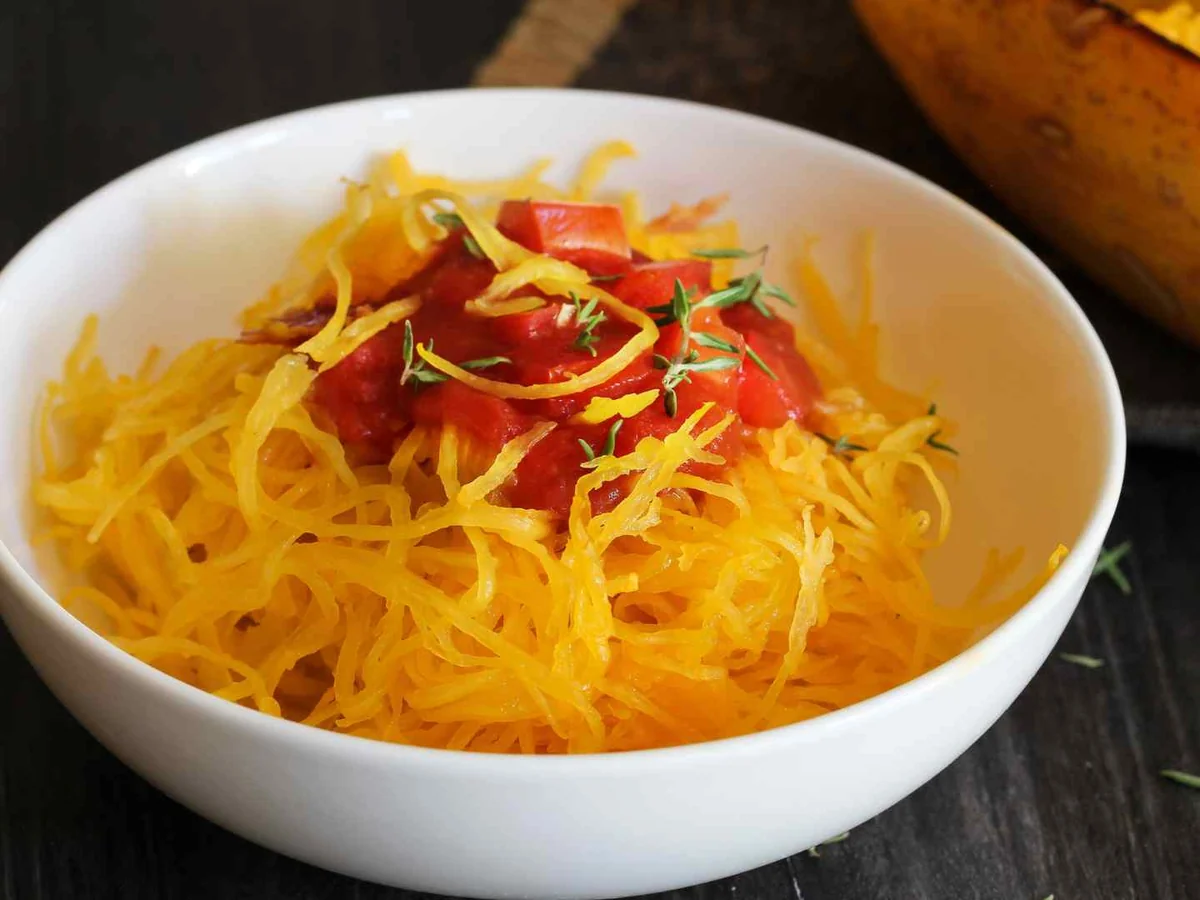
Spaghetti squash often substitutes for pasta under tomato sauce, meatballs, sausage, or chili. Salt, alliums, spicy peppers, fatty meat, bones, alcohol, and cheese may outrank the squash.
Photograph the whole plate before cleaning it. Restaurant staff may provide current allergen or ingredient information, but a menu description is not a feline safety guarantee.
A toothpick, foil corner, silicone band, or broken serving utensil adds a foreign-object question. Inventory equipment as carefully as ingredients.
Microwave preparation has practical hazards
Whole squash can release steam when pierced or cut, and cooked halves remain surprisingly hot. Burns from the dish, steam, or hot strands require prompt cooling advice from a professional, not butter or ice.
Microwave film, produce labels, elastic bands, and absorbent pads can retain food scent. Call when packaging is missing, even if the cat seems comfortable.
Cool cooked squash fully before storage and keep the cat away from the hot cutting board. The waiting period also makes the strands easier to handle.
Leftovers need ordinary food safety
Refrigerate cooked squash promptly in a clean covered container and discard portions with mold, slime, off odor, or questionable time at room temperature. Reheating does not erase every spoilage hazard.
Mixed dishes follow the storage needs of meat, dairy, egg, and sauces as well as squash. Save a date label when batch cooking.
Repeated vomiting, diarrhea, feverish behavior, marked lethargy, or appetite loss after spoiled food deserves veterinary advice. Household members who ate the same dish may need human medical guidance.
Fiber advice needs a diagnosis
Owners sometimes reach for squash during constipation or diarrhea, yet fiber type and amount can help one condition and worsen another. Obstruction, dehydration, pain, parasites, and chronic disease can look like a simple stool problem.
Do not use spaghetti squash to treat straining, prolonged diarrhea, blood, or absent stool without a veterinarian. Male cats straining to urinate can be mistaken for constipation and may have a life-threatening blockage.
Plain pumpkin puree is also not a universal home remedy. Use only a clinician-directed plan.
Kittens, seniors, and prescription diets
Kittens dehydrate quickly and need calorie-dense balanced growth food, while senior cats may have dental or swallowing trouble. Tough rind and long strands are poor choices for both.
Kidney, urinary, diabetic, allergy, and weight-control diets have specific goals. Adding human sides can disrupt monitoring without supplying a needed nutrient.
If appetite is poor, do not disguise the problem with buttered squash. Cats that stop eating deserve timely veterinary assessment.
Watching after a known plain taste
For a healthy adult that ate a few soft, non-bitter, unseasoned strands, offer normal food and water and watch appetite, vomiting, diarrhea, comfort, energy, and stool. Keep the remaining squash and recipe.
Call if signs appear, if the amount was larger than first thought, or if bitterness, alliums, rind, or packaging enters the history. A revised history should revise the plan.
Prevent repeat theft by scraping plates directly into a closed bin and storing cooked halves promptly. Cats love unattended strands because apparently vegetables become fascinating once they are forbidden.
Freezing and batch portions
Plain cooked strands can be frozen in small labeled containers for human meals, but thawed texture may become watery and stringy. Discard freezer-burned or unidentified portions rather than turning the cat into the household leftover inspector.
Never freeze a bitter squash in hopes that cold will neutralize cucurbitacins. Securely discard the whole fruit, any shared sauce, and scraps that reached compost.
When a veterinarian has prescribed a measured fiber addition, pre-portion exactly that plan and keep it distinct from seasoned family servings. Recheck before continuing if stool or appetite changes.
FAQ
Can cats eat plain cooked spaghetti squash?
A few soft, cooled, non-bitter, unseasoned strands are generally low risk for a healthy cat, but they are unnecessary and should not displace complete food.
What if spaghetti squash tastes bitter?
Discard it and call promptly if the cat ate any, because bitter cucurbitacins can cause serious gastrointestinal illness and cooking does not destroy them.
Can cats eat the rind or seeds?
Do not offer them. Tough rind can obstruct, while seeds and fibrous pulp add choking, seasoning, and digestive concerns.
Can squash treat cat constipation?
Not safely without a diagnosis. Straining can reflect dehydration, obstruction, pain, or urinary blockage, so seek veterinary guidance.
Bottom line
Plain soft strands may be a minor accident, but bitter squash is a real toxicology concern and rind, seeds, sauces, alliums, spoilage, and debris each change the call. Keep spaghetti squash as human food, not feline fiber therapy.