Can Cats Eat Pumpkin Seeds? Shells, Salt, Mold, and Mixes
One tiny piece of a plain, fresh, shelled pumpkin-seed kernel is not a known feline poison, but pumpkin seeds are hard, fatty, and unnecessary. Hulls, whole seeds, salt, flavor powders, mold, trail mix, supplements, and packaging create the practical risks.
Count seeds, shells, and package pieces
Find the bag and determine whether the seeds were shelled pepitas, whole in-shell seeds, raw, roasted, salted, flavored, moldy, or part of a mix.
A kernel crumb often needs observation. Call for choking, a large amount, shells, mold, allium seasoning, supplement products, or missing plastic and desiccants.
Breathing trouble, repeated vomiting, severe abdominal pain, tremors, seizures, weakness, or collapse requires urgent care. Do not induce vomiting.
Plain pepitas are optional, not beneficial
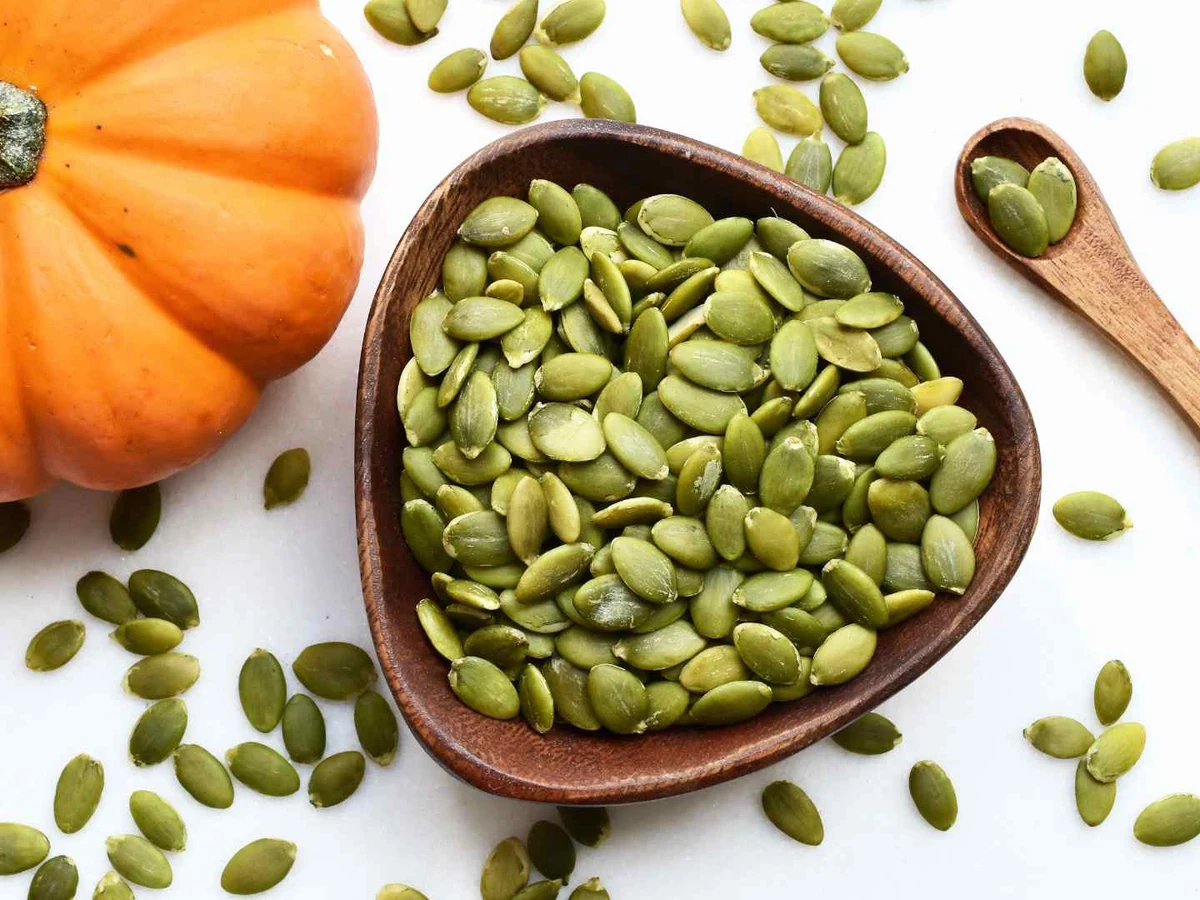
Pumpkin-seed kernels contain fat, protein, and minerals but do not provide complete feline nutrition. One small fragment may pass without signs.
The Cornell Feline Health Center emphasizes balanced cat food. Human superfood language does not establish a cat portion.
Do not sprinkle seeds over meals for urinary, parasite, coat, or antioxidant claims. Those conditions need evidence-based care.
Whole seeds can choke
A whole pepita is flat but firm, and several can clump with saliva. In-shell seeds are larger, sharper, and harder to chew.
Kittens, seniors, and cats with dental or swallowing disease should have no seed experiment. Seek emergency help if air movement stops.
Call after a large swallowed clump or later vomiting, food refusal, lethargy, or abdominal pain. Do not force water.
Hulls and shells are fibrous foreign material
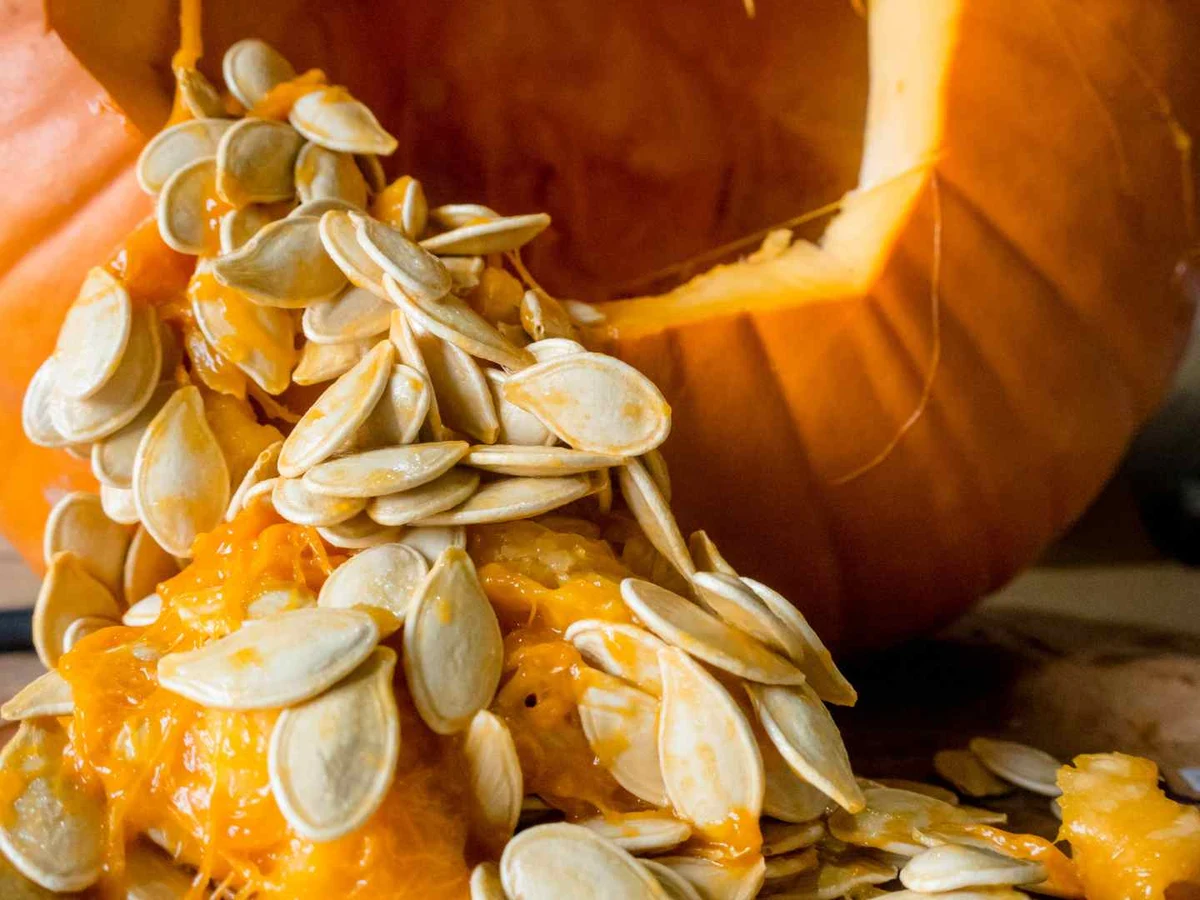
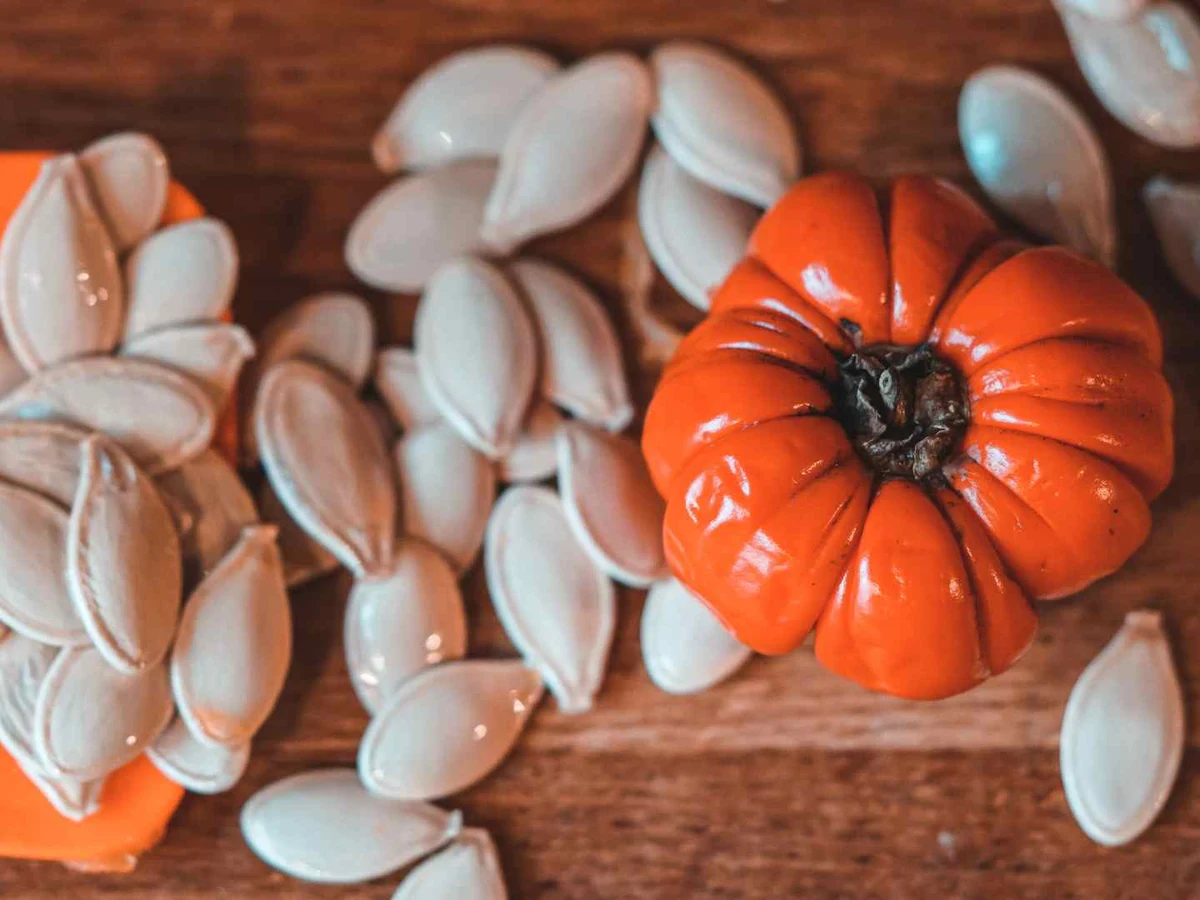
White pumpkin-seed hulls can splinter, lodge between teeth, irritate the gut, or contribute to obstruction. Roasting does not make them cat food.
The Merck Veterinary Manual shows that blockage can present with digestive signs, reduced appetite, low energy, abdominal discomfort, or systemic decline.
Never pull shell or plant fiber protruding from the mouth or anus. Call with the missing quantity and size.
Salt changes the exposure
Commercial roasted seeds may be heavily salted, and loose crystals collect at bag bottoms. One crumb rarely causes salt poisoning, while a bowl raid needs advice.
The FDA Nutrition Facts guide helps interpret sodium per serving and servings per package.
Vomiting, extreme thirst, weakness, disorientation, tremors, seizures, or collapse after substantial sodium exposure is urgent.
Garlic, onion, ranch, and barbecue flavors
Flavor powders can include garlic, onion, chives, cheese, chili, sugar, smoke, and sodium. Feline red blood cells are unusually vulnerable to allium injury.
The ASPCA people-food guidance supports calling with an allium-containing label rather than waiting for anemia signs.
Weakness, pale gums, rapid breathing, reduced stamina, or dark urine may appear later. Account for seasoning dust, not only seed count.
Raw and roasted seeds
Sound raw kernels are not known feline poisons, but they can carry microbes and are harder than a soft treat. Roasting changes texture without balancing nutrients.
Follow package storage directions and discard questionable seeds. Do not let cats lick raw pumpkin pulp from carving waste.
The live pumpkin-seed product guide helps distinguish forms, but canine portion advice remains canine.
Mold can cause neurologic illness
Seeds stored damp can mold, and some molds produce tremorgenic toxins. Musty odor, damp clumps, fuzz, discoloration, or damaged packaging is enough reason to discard.
Vomiting, feverish behavior, tremors, poor coordination, seizures, or profound weakness after moldy food is an emergency.
Do not sort visibly moldy seeds from the rest for pet feeding. Secure the entire batch.
Rancid fat is a separate issue
Pumpkin-seed oils can oxidize and create bitter, paint-like, stale, or sour odors. Rancid seeds may provoke digestive upset without the same mechanism as mold toxins.
Discard old or badly stored products. Call for persistent vomiting, belly pain, lethargy, or food refusal.
Store sealed, cool, dry, and within label directions. An open decorative bowl is poor long-term storage.
Trail mix and snack clusters
Pumpkin seeds may appear with raisins, chocolate, coffee beans, nuts, candy, granola, and dried fruit. Identify every component and freshness packet.
The cat grape guide keeps strong canine evidence separate from sparse feline evidence. Limited data does not prove raisins safe.
The most concerning item sets urgency. A seed’s low classic toxicity cannot clear a chocolate-raisin mix.
Seed butter and oil
Pumpkin-seed butter removes the whole-seed shape but remains thick, fatty, and label-dependent. It may contain salt, cocoa, sweeteners, or other nuts.
Food oil can coat fur and cause a greasy digestive exposure. Wipe a small surface smear with a damp cloth and prevent grooming.
Do not use pumpkin-seed oil as a supplement without veterinary direction. Human fatty-acid claims are not feline dosing evidence.
Powders, capsules, and deworming claims
Ground seed, protein powder, oil capsules, and parasite products may concentrate ingredients or add vitamins, herbs, and active compounds.
Pumpkin seeds are not a substitute for veterinary fecal testing or an effective prescribed dewormer. Untreated parasites can cause anemia, diarrhea, and poor growth.
Call with the Supplement Facts panel after a swallowed capsule or scoop. Never scale a human dose by body weight.
Carving leftovers
Jack-o’-lantern scraps can include stringy pulp, seeds, rind, candle wax, paint, glue, toothpicks, mold, and bacteria after sitting warm.
Discard carving waste promptly in lidded trash. A stale decorated pumpkin is not a fresh produce snack.
Count LED batteries, candles, and skewers after a display raid. Hardware may outrank the seed exposure.
Dental injuries
Hard shells and roasted kernels can crack compromised teeth or lodge between them. Drooling, pawing, blood, facial swelling, or sudden one-sided chewing needs examination.
Do not probe deeply inside a conscious cat’s mouth. A veterinary team can remove material and assess tooth roots safely.
Seeds should not be used as dental-cleaning treats. Species-designed dental products are more appropriate.
Cats on restricted diets
Obesity, diabetes, pancreatitis history, kidney or heart disease, food allergy, and gastrointestinal illness eliminate any reason to offer seeds.
Prescription urinary diets also depend on controlled mineral and calorie profiles. A mineral-rich human snack is not automatically helpful.
If a cat is losing weight or eating poorly, investigate the cause instead of adding seed fat.
Packages, clips, and desiccants
Plastic, mesh, zipper strips, clips, labels, and desiccant packets retain seed scent. Swallowed material can choke or obstruct.
The FDA pet-hazard guide supports securing food bags and household foreign objects.
Call whenever package material is missing. Leave visible seed-bag film in place and let a veterinary professional remove it safely.
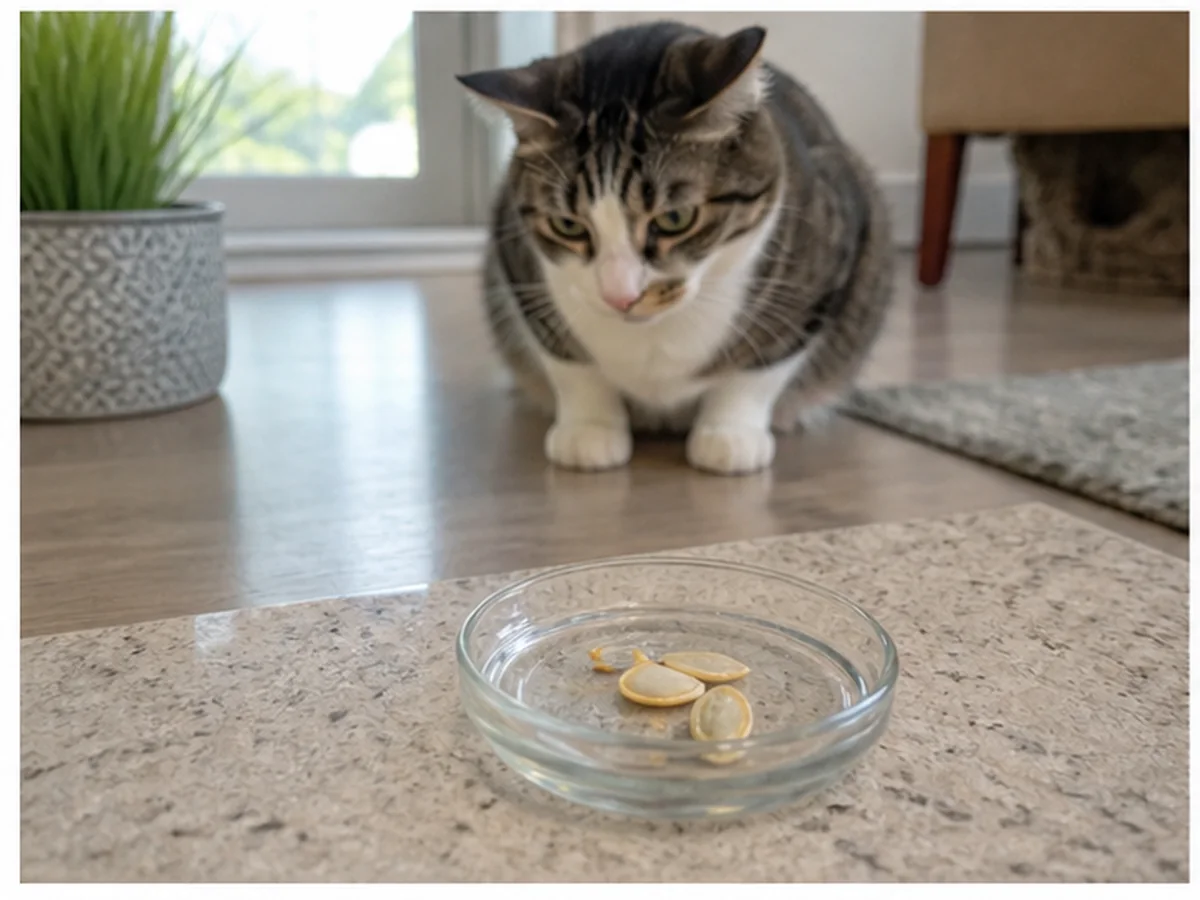
Monitoring one kernel crumb
Continue normal measured meals and fresh water while watching swallowing, appetite, vomiting, stool, energy, and abdominal comfort.
Call if signs recur or include pain, weakness, dehydration, neurologic changes, or food refusal. Mold, shell, salt, mix-ins, and packaging require faster advice.
One fresh plain shelled fragment is usually low risk, but shells, salt, seasoning, spoilage, mixes, supplements, and bags make pumpkin seeds poor cat treats.
Seed crackers and brittle combine pumpkin seeds with flour, sugar, salt, sesame, nuts, or hard caramel. A product that contains pepitas is not the same exposure as one plain kernel.
The cat granola guide helps evaluate seed-and-oat clusters, chocolate, raisins, hard pieces, and wrappers. It does not make mixed snacks feline treats.
Pumpkin-seed pesto may contain garlic, cheese, oil, salt, lemon, and other nuts. Report the whole sauce rather than focusing on the ground seed.
Seeds used as salad toppers may sit beside onion, grapes, raisins, croutons, dressing, and skewers. Photograph the plate before cleanup removes the ingredient map.
A cat that eats seed shells and then strains may have constipation, obstruction, or another problem. Do not administer laxatives until a veterinarian rules out a blockage.
Pumpkin seeds sold as bird food may include other seed species, dust, hulls, medication, or non-food contaminants. They are not appropriate pet snacks for cats.
Roasted seeds from a carved pumpkin may absorb salt, butter, garlic, chili, or smoke seasoning from a human recipe. Keep the baking sheet behind a closed door while cooling.
If several pets had access, preserve the remaining count and report the maximum each could have swallowed. Equal division is rarely a safe assumption.
A seed lodged beneath the tongue or between teeth can cause drooling and pawing. Do not probe deeply in a conscious cat’s mouth; arrange examination.
Keep gift bags, trail mixes, and carving kits in rigid containers because cats can puncture thin film. Sweep fallen hulls before they become toys.
The cat pecan guide is relevant when mixed nuts appear, particularly for shell and mold concerns. Identify each nut separately.
Seed granola pressed into a bar can hide raisins or chocolate beneath an innocent-looking oat surface. Break open a matching bar and photograph the interior when identifying the stolen product.
Pumpkin-seed cheese alternatives may use cultures, oils, salt, garlic, nutritional yeast, and stabilizers. Vegan formulation does not clear alliums, sodium, calories, or storage concerns.
A cat that repeatedly seeks seeds may simply enjoy fat, salt, or a rolling object; it does not diagnose a mineral deficiency. Discuss unusual appetite with a veterinarian.
FAQ
Can cats eat shelled pumpkin seeds?
One tiny plain fresh kernel fragment is not a known poison, but it is fatty, hard, and unnecessary.
Are pumpkin-seed shells safe?
No. Hulls can choke, injure, or obstruct and should not be offered.
What if the seeds were salted?
Call about a large amount or symptoms and report sodium per serving. One crumb is different from a bag raid.
Do pumpkin seeds deworm cats?
Do not rely on them. Cats need veterinary diagnosis and effective parasite treatment.
Bottom line
One fresh plain shelled fragment is usually low risk, but shells, salt, seasoning, spoilage, mixes, supplements, and bags make pumpkin seeds poor cat treats.