Can Cats Eat Stuffing? Alliums, Sausage, Raisins, and Thanksgiving Risks
I would not give stuffing to cats. The bread itself is usually the least important ingredient. Onion, garlic, shallots, sausage, butter, salty broth, raisins, currants, nuts, and drippings are what turn stuffing into a poor feline choice.
The quick stuffing verdict for cats
Stuffing is a recipe, not a single food. A plain bread cube is very different from holiday stuffing made with alliums, sausage, broth, butter, dried fruit, and pan drippings.
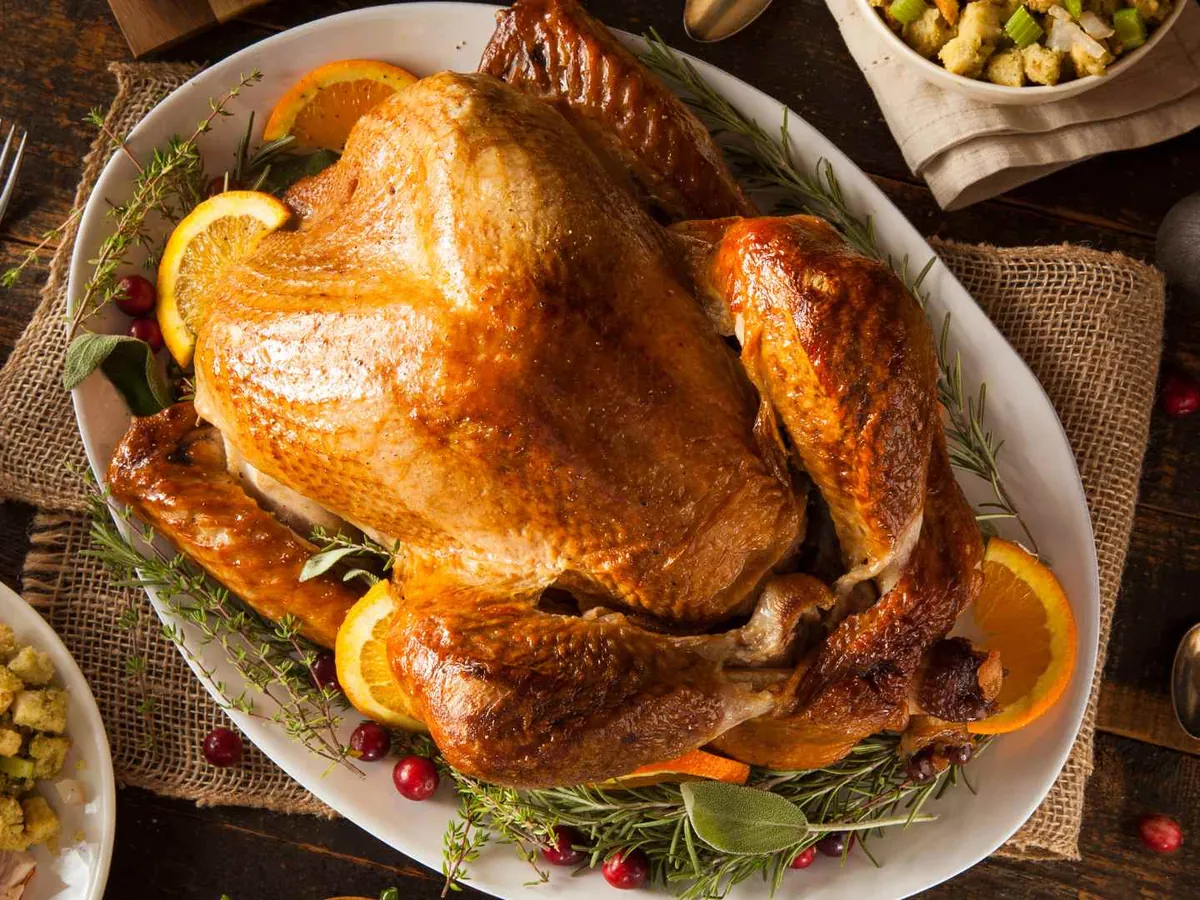
Cats gain no nutritional advantage from bread-based stuffing, so there is little reason to negotiate around the recipe. A tiny piece of plain boneless turkey is far easier to justify.
Onion and garlic are the biggest stuffing concerns for cats
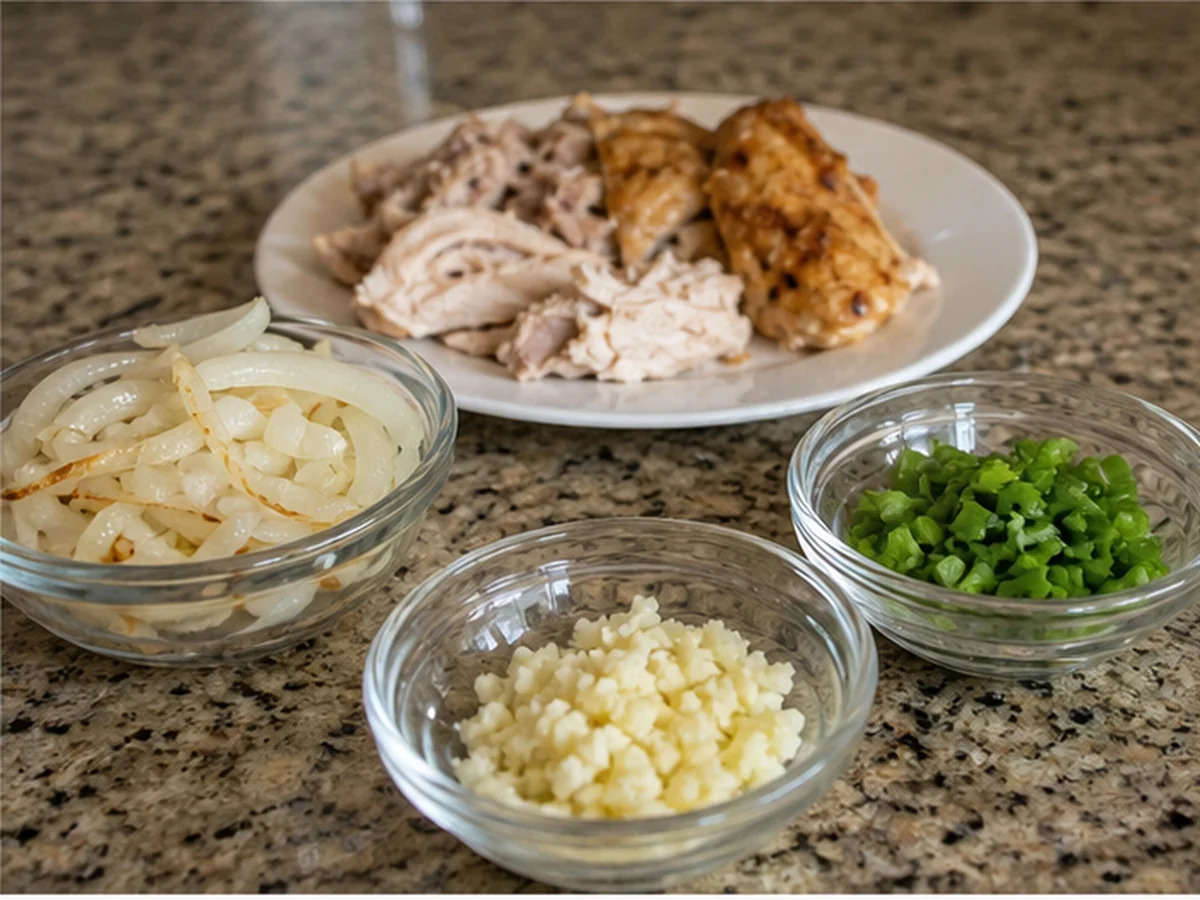
Onion, garlic, shallots, chives, and leeks can damage feline red blood cells, and cats are particularly sensitive to allium compounds. Stuffing frequently contains more than one allium source.
Cooking the alliums into stuffing does not reliably eliminate the toxicity. Powdered onion or garlic can also appear in broth, sausage, seasoning packets, and boxed stuffing mixes.
That means stuffing can contain concentrated alliums without any recognizable onion pieces. I would save the recipe or package after a meaningful exposure.
Allium-related anemia can be delayed
Vomiting, diarrhea, or reduced appetite can appear first, while red-blood-cell injury may become obvious later. Weakness, pale gums, rapid breathing, increased heart rate, dark or reddish urine, or collapse can occur after a meaningful dose.
I would not wait for pale gums if a cat ate a substantial amount of onion- or garlic-heavy stuffing. Early dose assessment is more useful than waiting for delayed anemia.
Raisins and dried currants do not belong in cat food
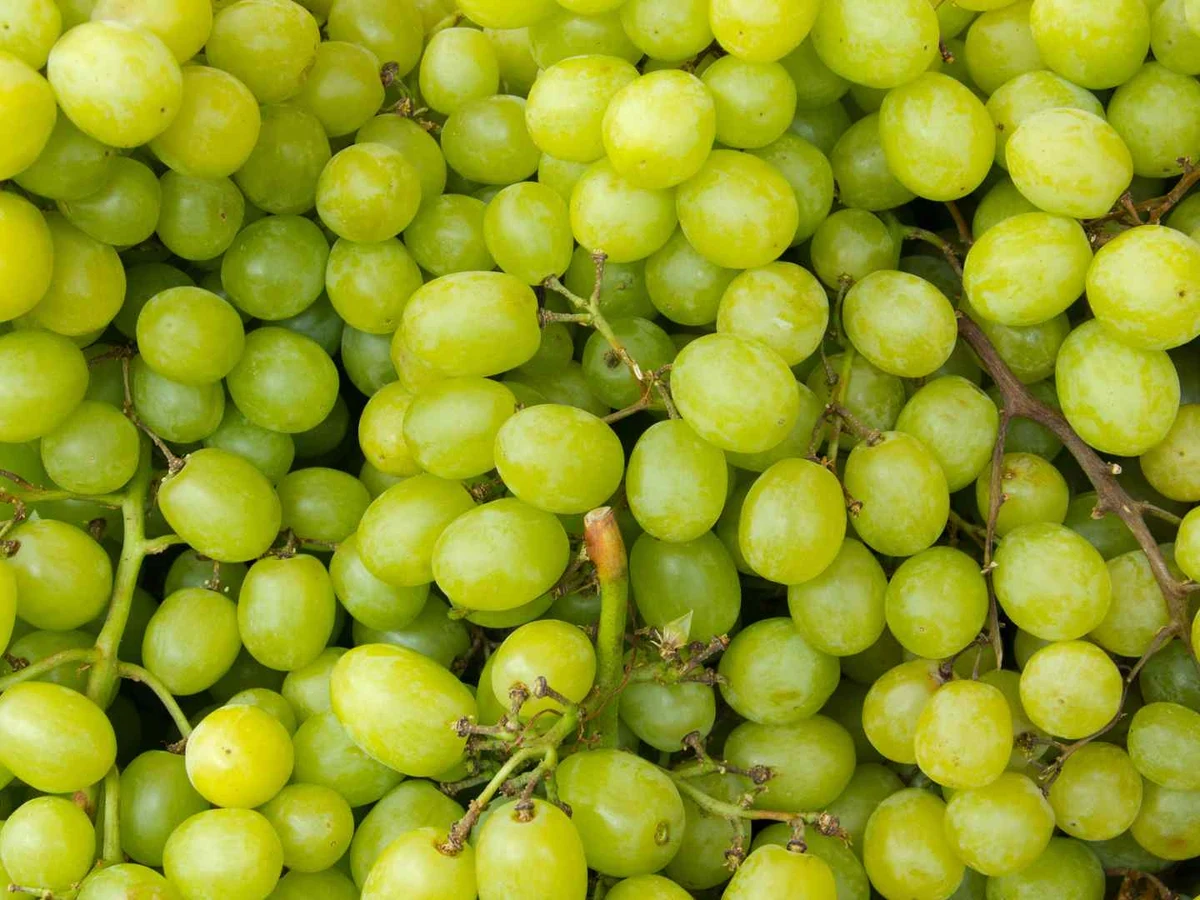
Some stuffing recipes use raisins, sultanas, or Zante or Corinth currants. These are dried grape products.
The unpredictable acute kidney injury syndrome is best established in dogs, while feline susceptibility is less clearly defined. That uncertainty is not a reason to intentionally expose cats to dried grapes.
If a cat eats a meaningful amount of stuffing containing raisins or dried grape currants, save the recipe and call for veterinary advice. I would rather ask than assume feline risk is zero.
Sausage stuffing is rich, salty, and often allium-seasoned
Sausage can add substantial fat, sodium, garlic, onion, pepper, and spices. A large rich serving can cause vomiting or diarrhea and is especially inappropriate for cats with pancreatitis, obesity, or gastrointestinal disease.
Processed sausage can also contain onion or garlic powder, which adds a separate allium exposure. I would not consider the meat a safe part of stuffing unless I know exactly how it was seasoned.
Butter and drippings add concentrated fat
Stuffing recipes often use butter, poultry drippings, bacon fat, or oil. Cats do not need that extra fat, and large servings can trigger gastrointestinal upset.
Cats with pancreatitis or obesity have especially little room for rich holiday leftovers. The bread does not dilute the fat into a nutritionally useful meal.
Broth and bouillon can hide even more alliums
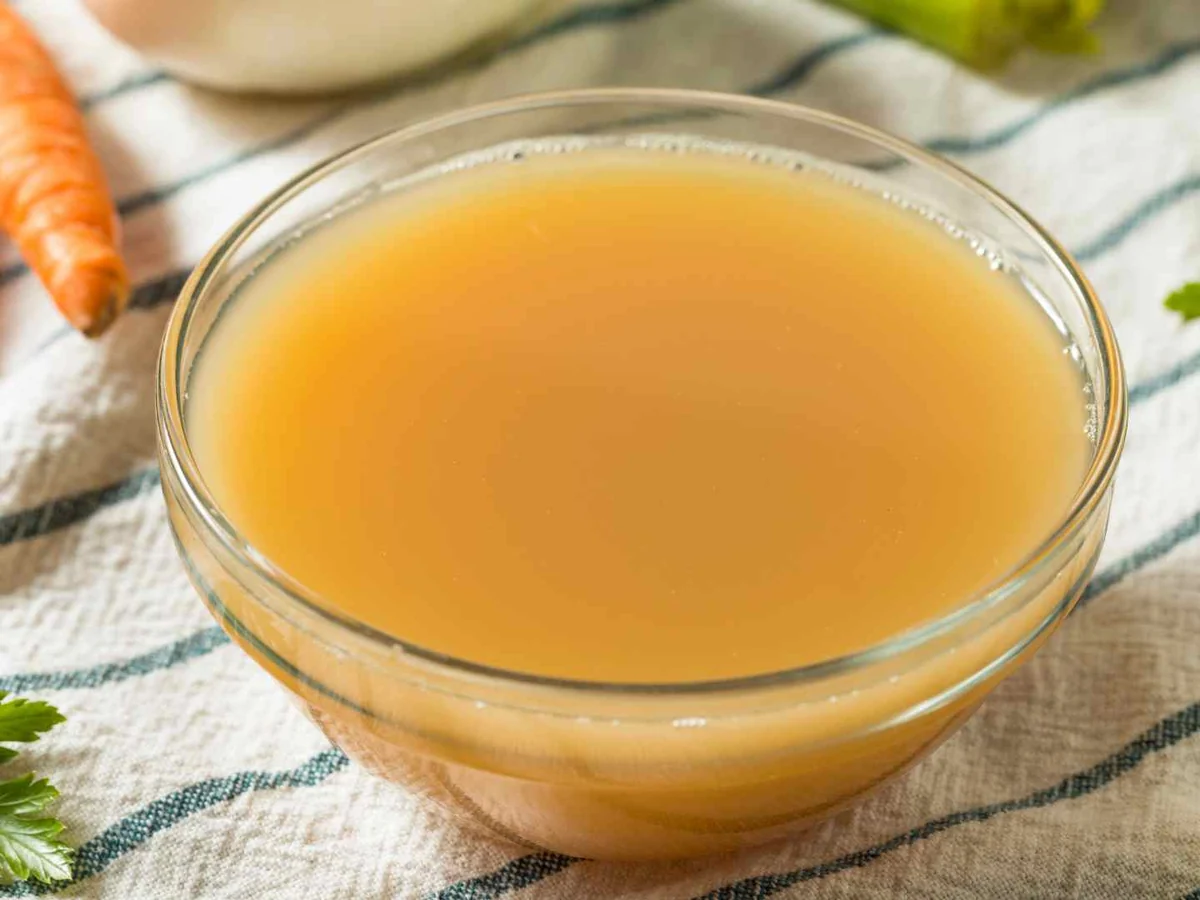
Chicken broth, turkey broth, bouillon cubes, stock concentrate, and seasoning packets can contain onion powder, garlic powder, and substantial sodium. Those ingredients may be invisible once the stuffing is baked.
Save the broth or mix label if a cat eats stuffing. “Homemade” does not tell me whether the stock came from a plain pot or a heavily seasoned carton.
Boxed stuffing can be especially concentrated before preparation
Packaged dry stuffing can contain onion powder, garlic powder, salt, fats, herbs, and flavor concentrates. A cat getting into the dry mix may consume a more concentrated seasoning load than the same volume of prepared stuffing.
Once prepared, butter and broth add more fat and sodium. Save the box and estimate whether the cat ate dry mix, prepared stuffing, or both.
Mushroom stuffing is usually a seasoning problem
Common edible grocery-store mushrooms are not generally the biggest concern in stuffing. Butter, onion, garlic, cream, sausage, and salt usually matter more.
Wild or unidentified mushrooms are a different situation and can be dangerous. If wild mushrooms were used, save a sample or photograph and call promptly.
Chestnut stuffing still contains a lot more than chestnuts
Plain cooked chestnut is not a classic cat toxin, but chestnut stuffing can include butter, onion, garlic, sausage, wine, herbs, and salty broth. The finished dish is not a useful feline food.
Large nut pieces can also be awkward for a cat to chew. I would not intentionally share nut stuffing.
Walnuts and pecans add fat and possible mold concerns
Nut-heavy stuffing can be calorie-dense and fatty. Moldy walnuts or pecans can contain tremorgenic mycotoxins that can cause vomiting, tremors, seizures, or other neurologic signs.
Macadamia toxicosis is best established in dogs rather than cats, but macadamias are still unnecessary feline food. I would keep nut stuffing away entirely.
Apple stuffing is not simply apple
A tiny piece of plain apple flesh may be low risk, but apple stuffing commonly contains onion, celery, sausage, butter, raisins, or currants. One harmless ingredient does not neutralize the rest of the recipe.
Cats do not need fruit or bread to balance their diet, so there is no nutritional reason to pull apple pieces from a finished stuffing dish.
Cornbread stuffing is still allium-heavy stuffing
Plain cornbread may be low risk in a tiny amount, while cornbread stuffing can contain onion, garlic, sausage, bacon, butter, broth, and salt. The corn base does not make the finished recipe cat-safe.
A cat gains far more from a tiny piece of plain turkey than from a bread-based side dish.
Stuffing cooked inside poultry can be even richer
Stuffing cooked in a turkey or chicken can absorb fat, juices, salt, and seasoning from the bird. That can make it richer than stuffing baked separately.
Food-safety rules matter too because the center of stuffing and poultry need to reach a safe temperature. Undercooked meat juices can add bacterial risk.
Leftover stuffing can spoil
Stuffing is moist and nutrient-rich and can support bacterial growth when held warm too long or refrigerated improperly. Old stuffing can cause vomiting, diarrhea, fever, lethargy, and dehydration.
Cats should not go long without eating, so repeated vomiting or appetite loss after questionable leftovers deserves veterinary attention sooner rather than later.
What to do if your cat ate stuffing
- Save the recipe, package, broth label, or stuffing-mix box.
- Estimate the maximum amount eaten and the time.
- Check specifically for onion, garlic, shallots, chives, raisins, currants, sausage, butter, nuts, and alcohol.
- Call promptly after a meaningful allium exposure, a dried-grape exposure, wild mushrooms, or a large unknown amount.
- Seek care for repeated vomiting, weakness, pale gums, dark urine, severe abdominal pain, collapse, or appetite loss.
Do not induce vomiting at home
Hydrogen peroxide should not be used to make cats vomit. Salt, mustard, oil, or other improvised home methods can also cause injury.
Call with the recipe, amount, timing, and symptoms. The veterinary team can decide whether observation, laboratory testing, or treatment is appropriate.
A cat-safe Thanksgiving alternative is much simpler
If I want the cat included, I use a few tiny pieces of plain fully cooked boneless turkey. I remove skin, bones, gravy, garlic, onion, and seasoning.
The cat does not need bread cubes to understand that Thanksgiving food has appeared. Plain meat is enough.
Frequently asked questions
Can cats eat plain stuffing?
A truly plain bread-based stuffing may be low risk in a tiny amount, but cats do not need it nutritionally and most stuffing is not truly plain.
Can cats eat stuffing with onions?
No. Cats are particularly sensitive to alliums, and cooked onion can still damage red blood cells after a sufficient dose.
Can cats eat stuffing with raisins?
I would avoid it. Dried grapes are not appropriate cat food, and a meaningful ingestion deserves veterinary advice.
Can cats eat boxed stuffing?
I would avoid it because boxed mixes commonly contain onion or garlic powder, salt, fats, and concentrated seasoning.
Bottom line
Stuffing is not a useful cat treat. Cats are especially sensitive to the onion and garlic commonly used in stuffing, while sausage, butter, broth, dried grapes, nuts, and spoilage add more risk, so a tiny piece of plain boneless cooked turkey is the much easier holiday share.