Can Cats Eat Stevia? Extracts, Blends, Erythritol, Xylitol, and Product Labels
Do not use stevia products as cat treats or home diabetes care. A tiny lick of a conventional tabletop product may cause no obvious problem, but purified extracts, whole leaf, erythritol blends, xylitol-containing products, supplements, baked goods, medication, and packets all need the exact label.
Start with the product, not the plant name
Save the packet, bottle, drops, plant tag, supplement, recipe, or food label and identify purified steviol glycosides, whole leaf, crude extract, tabletop blend, baking blend, flavored drops, or mixed sweetener. Estimate amount.
Check erythritol, dextrose, maltodextrin, inulin, xylitol, alcohol, caffeine, chocolate, medication, and other botanicals. Count caps, droppers, packet corners, and film.
Call promptly for an unknown concentrate, xylitol product, medication, repeated vomiting, profound weakness, tremors, collapse, seizures, breathing trouble, or missing packaging. Do not induce vomiting.
Stevia is an umbrella word
The stevia plant, dried leaf, crude extract, and high-purity steviol glycosides are not the same material. Commercial packets often contain far more bulking ingredient than sweetener.
FDA’s sweetener overview distinguishes high-purity stevia-derived ingredients from whole leaf and crude extracts in the U.S. food context. Human regulatory status does not establish a feline dose.
Photograph the full ingredient panel. The leaf graphic on the front cannot answer the exposure.
A tiny conventional lick is usually a label question
There is no strong evidence that one small lick of a standard food-grade stevia blend causes a specific severe feline poisoning. Gastrointestinal upset remains possible from the blend or carrier.
That modest statement does not support planned feeding or therapeutic use. Cats do not need sweetened foods.
The cat sugar guide separates ordinary sugar, sugar alcohols, and product context. Low calorie is a human marketing advantage, not cat nutrition.
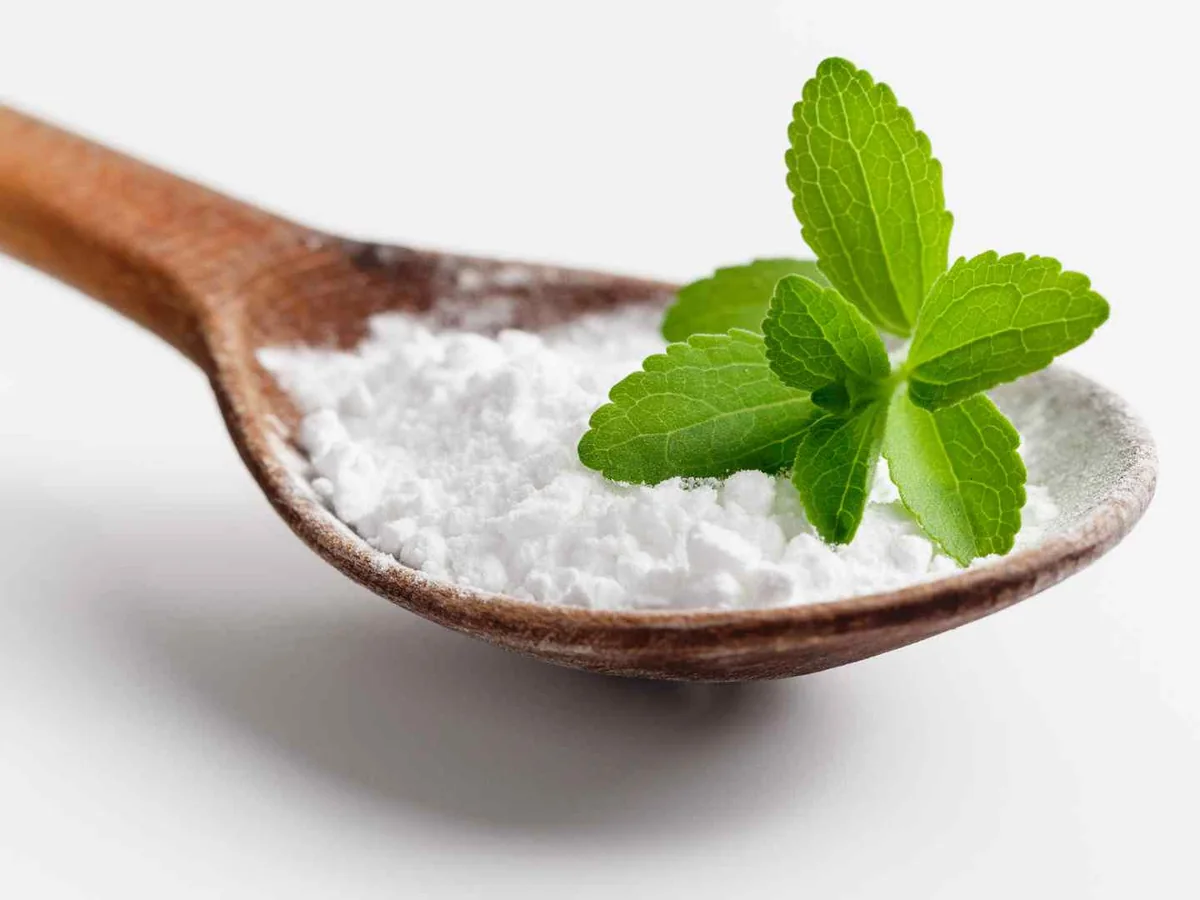
Erythritol is often doing the bulking
Many granular stevia products blend a small amount of high-intensity sweetener into erythritol so people can measure it by spoon. Other brands use dextrose, inulin, or maltodextrin.
Sugar alcohols can cause gastrointestinal effects depending on compound and amount, and feline product-specific evidence is limited. Do not invent an erythritol cat threshold from human serving guidance.
Report the full quantity and ingredients after a pantry raid. A teaspoon of one blend can be compositionally unlike another.
Keep xylitol evidence species-specific
Xylitol can cause profound hypoglycemia and liver injury in dogs, but an equivalent severe response has not been demonstrated in cats. Dog doses must not be copied into feline advice.
FDA’s current xylitol guidance says it does not seem as dangerous for cats, which is cautious language rather than a guarantee of safety.
Call with the exact mixed product, amount, and cat’s weight. Unknown sugar-free foods can include other hazardous ingredients.
Whole leaf and garden plants
A correctly identified stevia plant differs from powdered sweetener, but chewing foliage can still cause stomach upset. Soil, fertilizer, pesticide, netting, and plant tags may be involved.
Photograph the whole plant and chewed area. Do not rely on a plant app alone when symptoms are developing.
Whole-leaf stevia is not approved by FDA as a conventional food sweetener in the same way as high-purity glycosides. That human regulatory distinction still does not create cat therapy.
Drops and flavor concentrates
Liquid stevia may contain water, glycerin, alcohol, flavor, preservatives, or several sweeteners. Chocolate, vanilla, caramel, and coffee flavors add different concerns.
Weakness, wobbliness, unusual sleepiness, low temperature, slow breathing, or collapse after an alcohol-containing concentrate is urgent. Preserve alcohol percentage.
The cat coffee guide covers caffeine. Do not judge flavored drops from the word stevia alone.
Baking blends may contain real sugar
Cup-for-cup products can blend stevia with sugar or other carbohydrates to behave in recipes. Sugar-free, reduced-sugar, and baking blend mean different things.
Read serving size, ingredients, and recipe amount. One cake crumb and licking a bowl of concentrate are different exposures.
Raw batter adds uncooked flour, egg, yeast, chocolate, raisins, nuts, and sweetener questions. Save the full recipe.
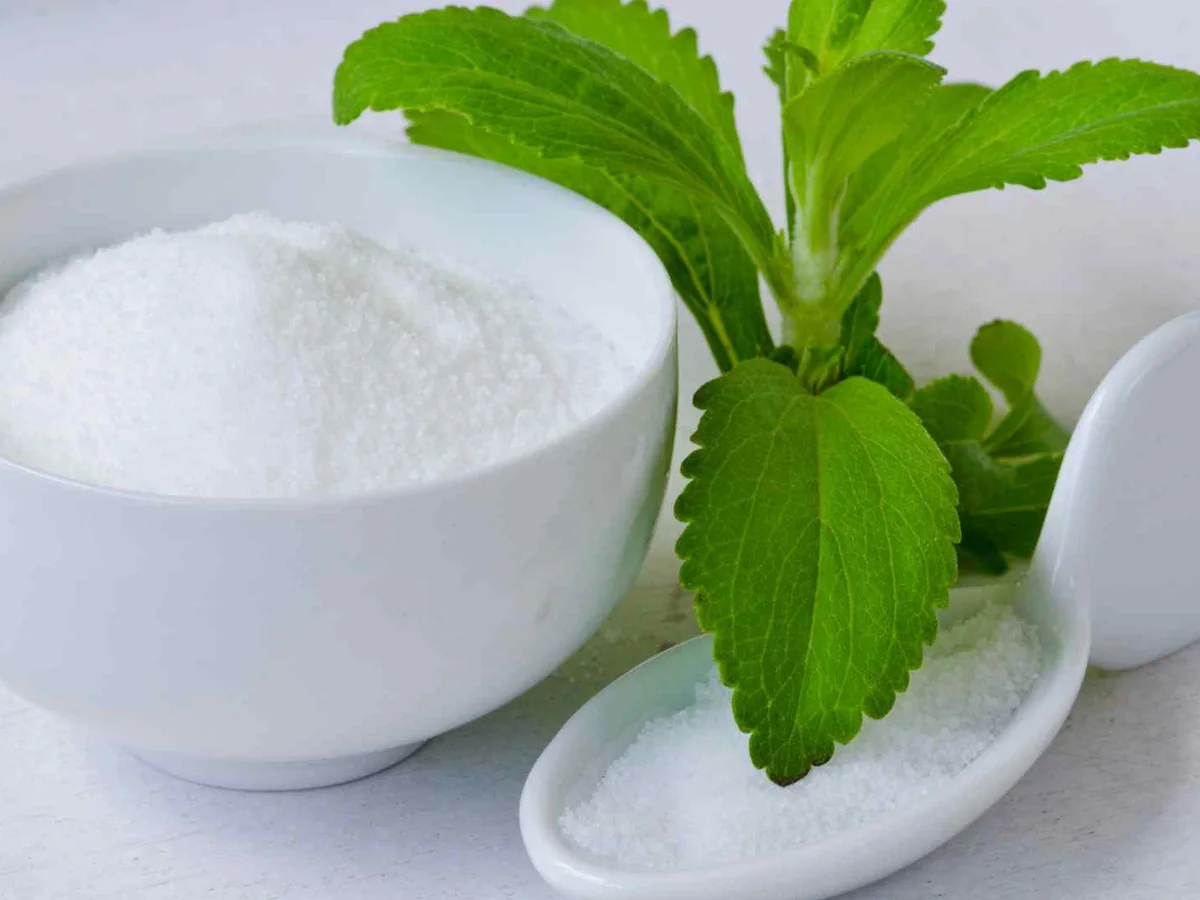
Chocolate and sugar-free candy
Stevia may appear in chocolate, gum, candy, protein bars, drink mixes, and desserts alongside caffeine, cocoa, xylitol, nuts, or wrappers. The finished food drives urgency.
The cat chocolate guide covers cocoa concentration and signs. Rapid heart rate, agitation, tremors, seizures, or collapse needs urgent care.
Do not feed more food to dilute chocolate. Follow professional direction.
Protein powders and supplements
Stevia is common in protein powder, greens blends, vitamins, electrolytes, pre-workout, and herbal supplements. These may contain caffeine, vitamin D, iron, botanicals, or medication-like actives.
The FDA supplement primer explains the distinct regulatory framework for these human products. Human scoop directions cannot be converted to a cat.
Move a coughing cat away from powder without raising more dust. Save Supplement Facts and lot information.
Diabetes myths and glucose monitoring
Replacing sugar with stevia does not treat feline diabetes, reduce insulin requirements predictably, or make desserts appropriate. Diabetes management depends on diet, insulin when prescribed, glucose trends, weight, and concurrent disease.
Never change insulin because a cat ate or refused a sweetened food without contacting the treating team. Hypoglycemia itself can be an emergency.
Use the prescribed food and measured cat treats. A no-sugar label does not mean no carbohydrate or no calories.
Medication and oral-care products
Stevia can flavor chewable vitamins, liquid medicine, toothpaste, mouth rinse, and supplements. The active ingredient may be vastly more important.
Inventory every bottle and call immediately after a possible human-medication ingestion. Do not use human toothpaste on cats.
The FDA pet emergency resource directs owners to veterinarians, emergency hospitals, or animal poison control for dangerous ingestions.
Packets, droppers, and tubs
Paper-plastic packets, hard caps, pipettes, scoop handles, desiccants, and foil liners may be swallowed while coated with sweetener. Count every component.
FDA’s household pet-hazard guidance supports securing food packaging and small objects. Missing rigid pieces deserve prompt advice.
Leave any film emerging from the cat in place and seek veterinary guidance because internal attachment can make pulling harmful. Vomiting, food refusal, pain, or reduced stool may signal obstruction.
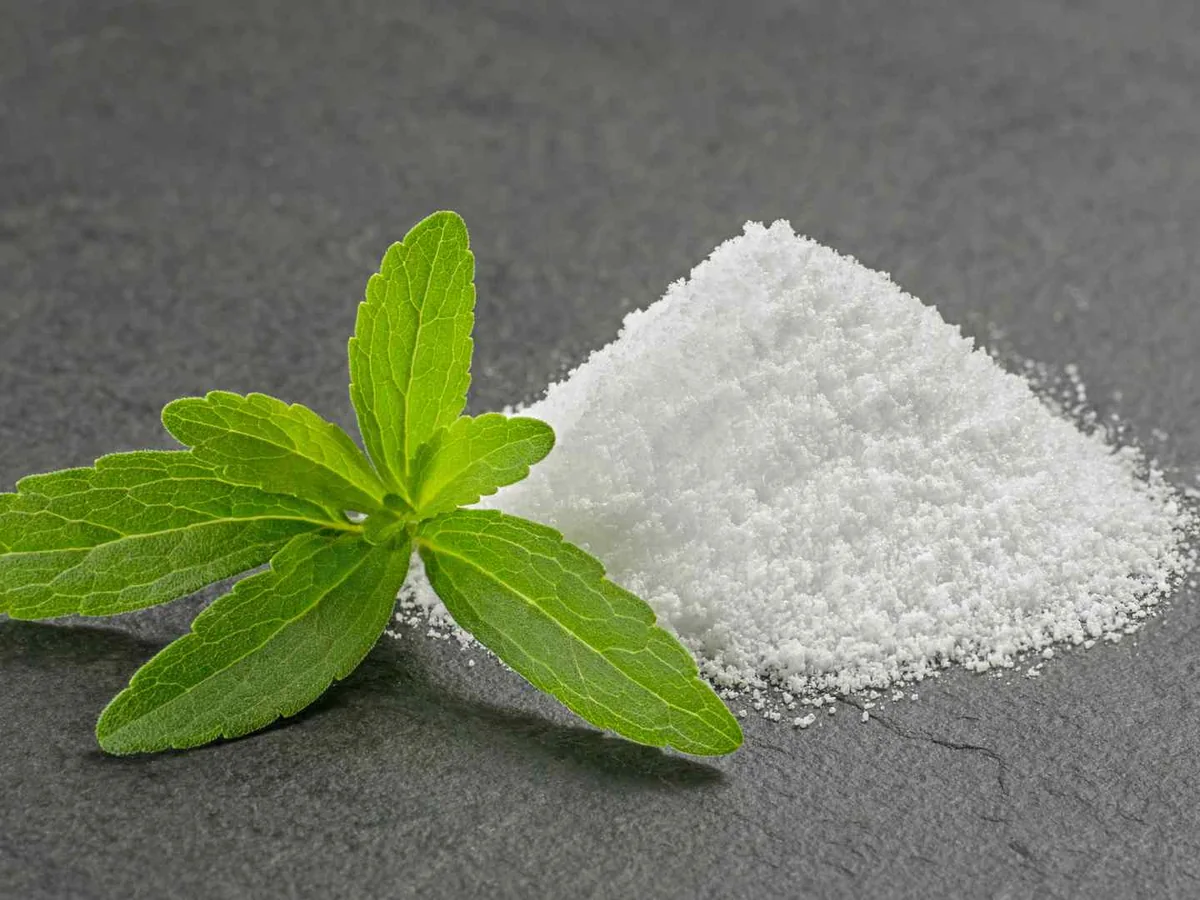
Powder on fur and in eyes
Fine sweetener powder becomes airborne and clings to paws. A cat may inhale it or turn a floor spill into prolonged grooming.
Move the cat away, prevent grooming, and ask how to clean a large spill. Do not use scented products or oil.
Persistent coughing, squinting, eye discharge, or breathing changes needs veterinary attention. Keep the packet beside the phone.
Watching after a tiny known lick
For a healthy adult that licked a small amount of a known food-grade stevia blend without xylitol, caffeine, chocolate, medication, or missing packaging, continue normal food and water while watching vomiting, diarrhea, appetite, energy, and gait.
Call if signs appear, more is missing, or the ingredients change on review. Kittens and cats with chronic disease merit quicker advice.
Close sweetener tubs inside a cabinet. The cat has no need for a zero-calorie coffee companion.
Stevia-sweetened drinks
Drink mixes can combine stevia with caffeine, electrolytes, vitamins, acids, botanicals, medication-like ingredients, or alcohol. A zero-sugar claim answers only one label question.
The cat Gatorade guide covers human electrolyte products, powders, and dehydration myths. Save the beverage label.
Do not use stevia drinks to manage heat, vomiting, or diabetes. Fresh water and veterinary care remain the appropriate pathways.
Skin creams and personal care
Stevia extracts may appear in cosmetics, lip products, toothpaste, or flavored oral-care products with essential oils, fluoride, xylitol, medication, and detergents. These are not food exposures.
Prevent grooming after a spill and call with the complete product before washing. Eye contact or breathing changes requires prompt advice.
Do not use human toothpaste on cats. Choose veterinary dental products and follow the label.
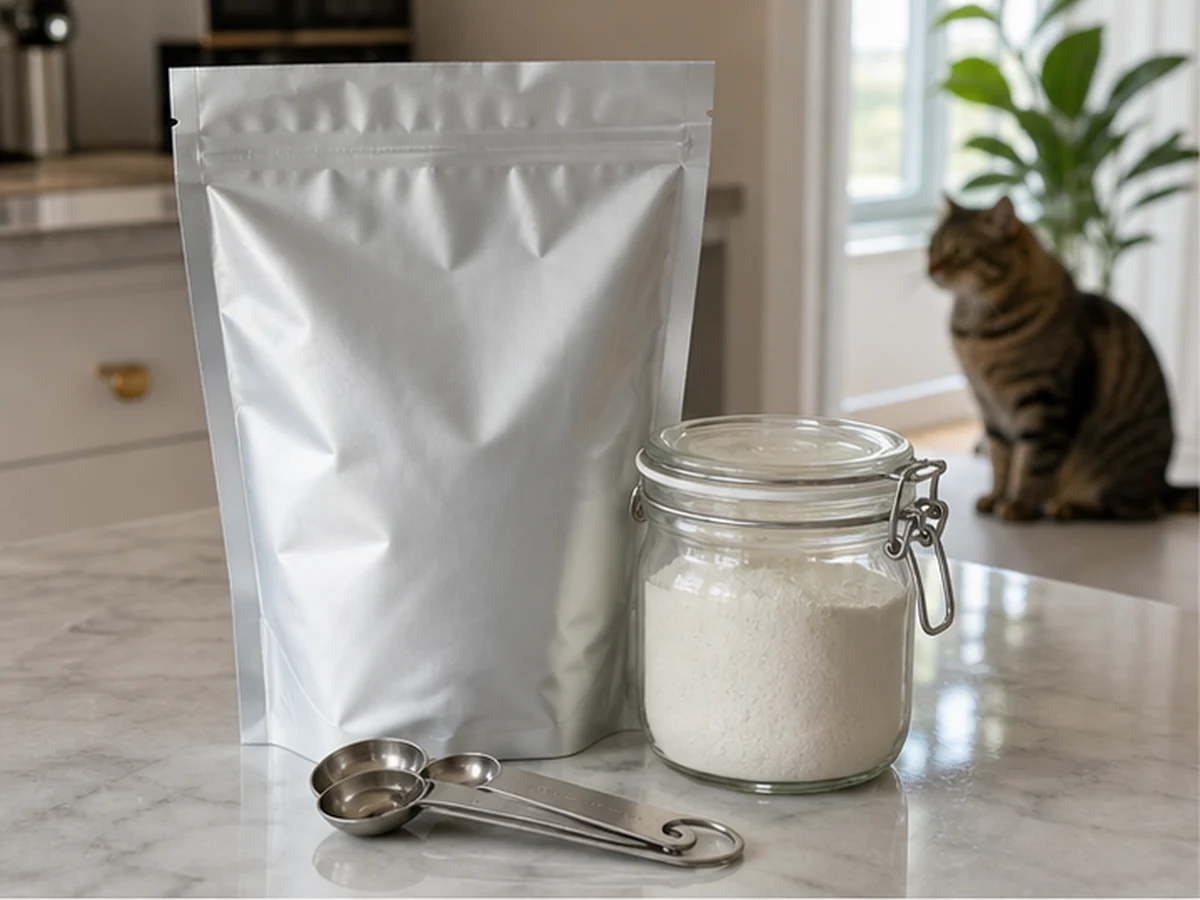
Bulk bags and measuring spoons
A bulk baking bag can spill hundreds of servings and coat fur, cupboards, and paws. A cat may also swallow the scoop, zipper strip, or desiccant.
Photograph the spill before cleanup and estimate missing weight from the package. Move the cat away without creating airborne dust.
Count every tool and package part. A missing rigid scoop or film requires foreign-object advice.
Stevia packets used beside coffee may sit next to human medication, caffeine tablets, gum, chocolate, or nicotine products. Inventory the entire tabletop when a packet is torn.
A missing tablet or stimulant is far more urgent than the sweetener dust. Save every container and call immediately rather than waiting for symptoms.
Stevia-sweetened yogurt and nut butter also carry dairy, fat, protein, calorie, and packaging questions. The front claim cannot clear the finished food.
When several cats share a spill, separate them and track vomiting, stool, appetite, gait, and behavior individually. Report each weight and medical history.
Do not divide the missing amount equally without witnessing who licked it. One normal cat cannot reassure the household about the others.
FAQ
Is stevia toxic to cats?
A tiny lick of a conventional food-grade blend is not known to cause a specific severe poisoning, but products vary and should not be fed.
Do stevia packets contain erythritol?
Many do, while others use dextrose, inulin, maltodextrin, sugar, or different blends, so read the exact ingredients.
What if a stevia product contains xylitol?
Call with the label and amount, keeping the evidence feline-specific rather than applying established dog toxic doses.
Can stevia help a diabetic cat?
No. It does not replace prescribed food, insulin, glucose monitoring, weight management, or veterinary care.
Bottom line
Stevia is a product-family question, not one ingredient answer. Separate purified glycosides, whole leaf, erythritol blends, xylitol products, flavored drops, supplements, medication, baked goods, and packaging, then preserve the feline evidence boundary.