Can Cats Eat Tuna? Fresh, Canned, Raw, and Everyday Feeding
Yes, most healthy adult cats can have a few flakes of plain, fully cooked tuna once in a while. Tuna meant for people is not a complete feline diet, though, and raw fish, bones, brine, oil, seasonings, and frequent servings each bring their own problems.
\n\nThe useful answer in one minute
\n\n| Type of tuna | Best call | Why |
|---|---|---|
| Plain cooked fresh tuna | Tiny occasional treat | Cook through, remove every bone, and serve without oil or seasoning. |
| Canned tuna in water | A few drained flakes on rare occasions | Human tuna is not nutritionally complete for cats and may contain sodium. |
| Tuna in oil | Skip as a routine treat | The added fat can upset the stomach and adds calories quickly. |
| Raw or seared-rare tuna | Do not offer | Raw seafood can carry pathogens, and an all-raw-fish pattern can disrupt nutrition. |
| Tuna salad or casserole | Do not share | May contain onion, garlic, mayonnaise, dairy, salt, or other troublesome ingredients. |
| Complete cat food with tuna | Follow its label | A nutritional adequacy statement matters more than the fish pictured on the package. |
Why cats act as if tuna is a life event
\n\nTuna has a strong marine aroma, moist texture, and savory compounds that can interest a cat from three rooms away. That enthusiasm is real, but it does not make the contents of a human-food can suitable for the dinner bowl.
\n\nCats are obligate carnivores, yet that phrase does not mean any single animal protein supplies everything they require. Feline diets need the right amounts and relationships of amino acids, fatty acids, vitamins, minerals, and energy across time.
\n\nThe FDA explains that a “complete and balanced” claim identifies food intended to provide all required nutrients for a stated life stage. A can from the grocery seafood aisle makes no equivalent promise.
\n\n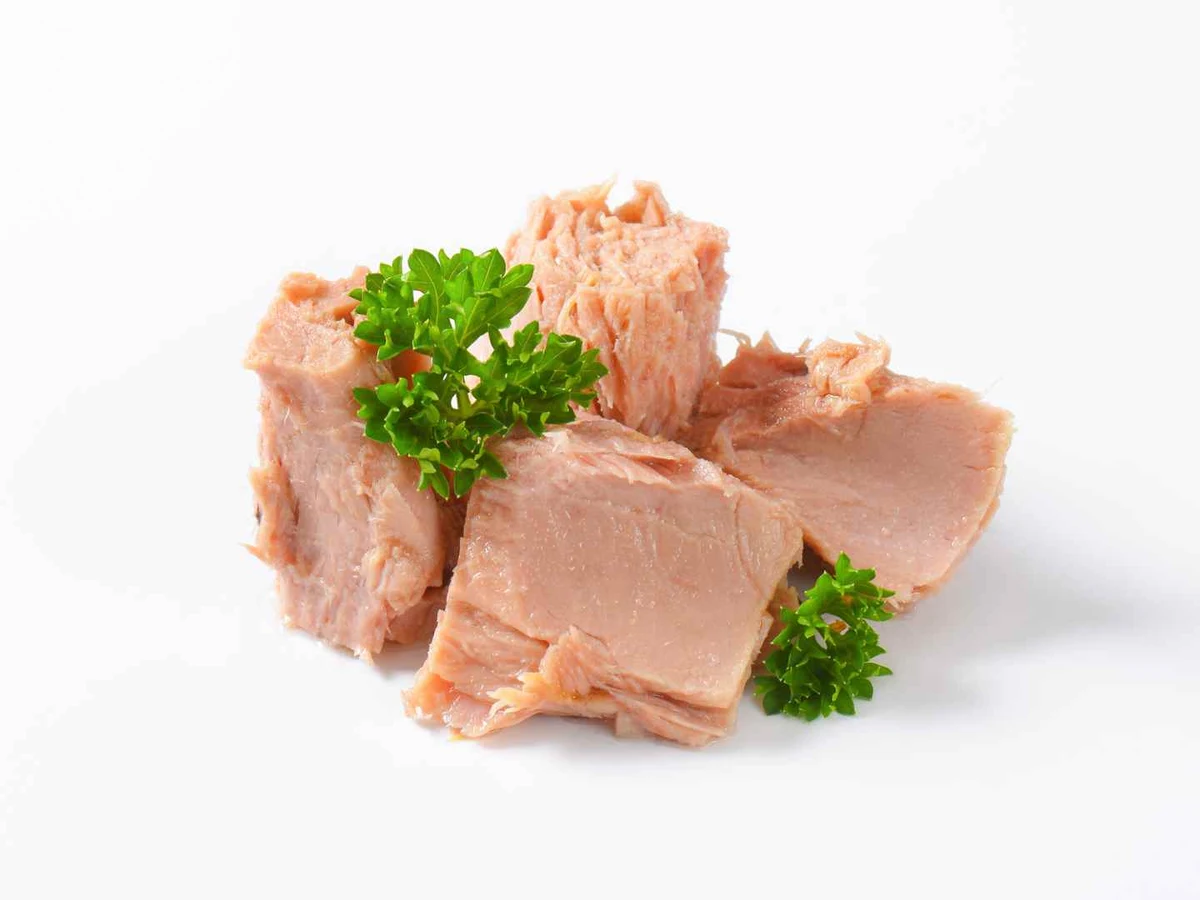
Fresh tuna: cook it plainly and keep the portion small
\n\nA thoroughly cooked, boneless piece is the simplest version to assess. Bake, poach, or steam it without salt, butter, cooking spray, garlic, onion, lemon, sauce, or spice rub.
\n\nAfter cooking, break the fish apart with clean fingers and inspect it under good light for fine bones. Offer a few flakes, not a steak-shaped portion that could crowd out the cat’s normal meal.
\n\nThere is no universal gram allowance for every cat because calorie needs differ with body size, age, activity, health, and the rest of the day’s food. For a first taste, a teaspoon-sized amount is already plenty for most healthy adults, and less is perfectly reasonable.
\n\nLet the fish cool before it reaches an impatient nose. Discard any serving that sat out too long, smells off, or came into contact with raw seafood utensils after cooking.
\n\nCanned tuna is not all one product
\n\n“Tuna in water” sounds plain, but the label may list broth, vegetable ingredients, or added salt. Drain it, read the entire ingredient panel, and remember that lower sodium is helpful without turning the food into a balanced cat meal.
\n\nTuna packed in oil brings more fat and energy than the same fish packed in water. A lick is unlikely to be a crisis for a healthy cat, but oily spoonfuls can produce vomiting or diarrhea and are a poor match for weight control.
\n\nAlbacore, skipjack, yellowfin, and light tuna are different fish and can differ nutritionally. No responsible home rule can convert those differences into a guaranteed safe everyday feline portion, so variety and restraint are more useful than chasing a supposedly perfect can.
\n\nOur focused guide to canned tuna for cats covers brine, oil, sodium, can lids, leftovers, and label reading in more detail. It is worth checking when the evidence is sitting on the counter in a metal tin.
\n\nWhy tuna should not become the whole diet
\n\nA cat can look delighted while a diet quietly becomes unbalanced. Human tuna by itself does not provide a tested feline nutrient profile, and repeatedly replacing complete meals can create deficiencies or excesses long before an owner sees an obvious sign.
\n\nCornell’s current cat-feeding guidance notes that treats are not complete nutrition and reports serious neurologic problems in some cats fed canned fish products meant for people. That is a warning against a pattern, not a reason to panic over two stolen flakes.
\n\nTuna can also become a powerful preference. If it appears every time a cat hesitates at dinner, the clever diner may learn to hold out for the fragrant upgrade, which makes future therapeutic diets and appetite assessment harder.
\n\nUse it, if at all, as a measured garnish rather than a bargaining system. A teaspoon divided over several meals delivers aroma without letting the topper take charge of the menu.
\n\n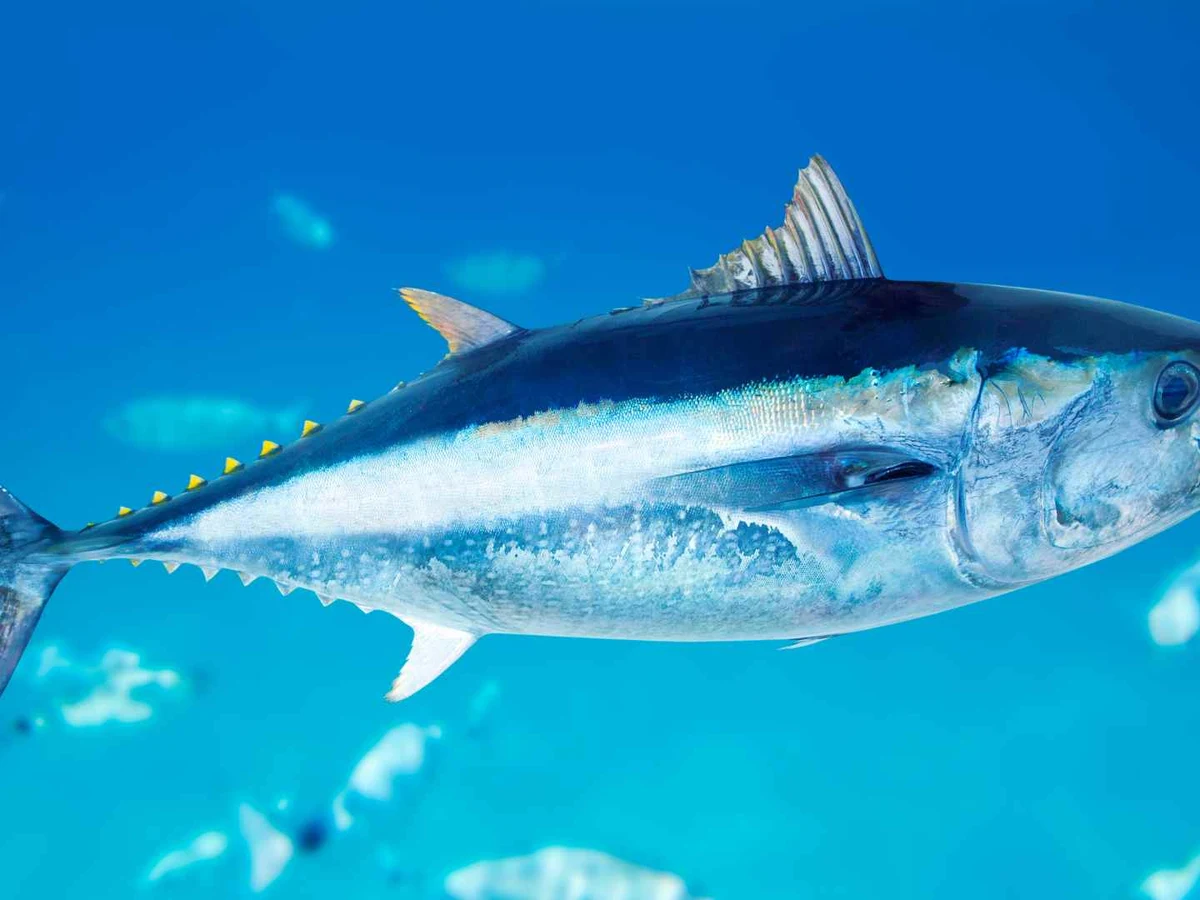
Mercury deserves perspective, not a made-up cutoff
\n\nLarge predatory fish can accumulate methylmercury, and tuna species and products do not all contain the same amount. Veterinary medicine has not established a dependable “one can per week” style limit for cats that owners can apply across brands, fish species, body weights, and feeding histories.
\n\nThat uncertainty is another reason not to make human tuna a daily habit. A tiny occasional taste is a very different exposure from feeding tuna as a substantial portion of every meal for months.
\n\nIf your cat has already eaten a tuna-heavy diet for a long period, bring the product label and an honest feeding estimate to the veterinarian. Do not start random vitamin or mineral supplements, since adding nutrients without knowing the whole diet can create a second imbalance.
\n\nRaw tuna and rare centers are avoidable risks
\n\nSushi-grade describes sourcing and handling for people; it does not make raw fish sterile or nutritionally complete for cats. Freezing may reduce some parasite risks under specific commercial conditions, but it does not reliably remove every bacterial hazard.
\n\nThe FDA advises that raw pet food is more likely to carry Salmonella than other pet-food types. Raw seafood also creates a kitchen hygiene problem when juices reach hands, counters, bowls, and curious whiskers.
\n\nSome raw fish contain thiaminases, enzymes that break down vitamin B1, although the amount varies by species. The Merck Veterinary Manual explains that cooking destroys fish thiaminases and that diets dominated by limited ingredients can be inadequate.
\n\nA single bite of raw tuna does not automatically cause thiamine deficiency, which develops from an ongoing nutritional problem. Still, raw fish offers no advantage here that justifies making it a planned treat.
\n\nFor the broader differences among species, preparation methods, parasites, and fish bones, see our raw fish guide for cats. Tuna is only one member of a surprisingly complicated seafood counter.
\n\n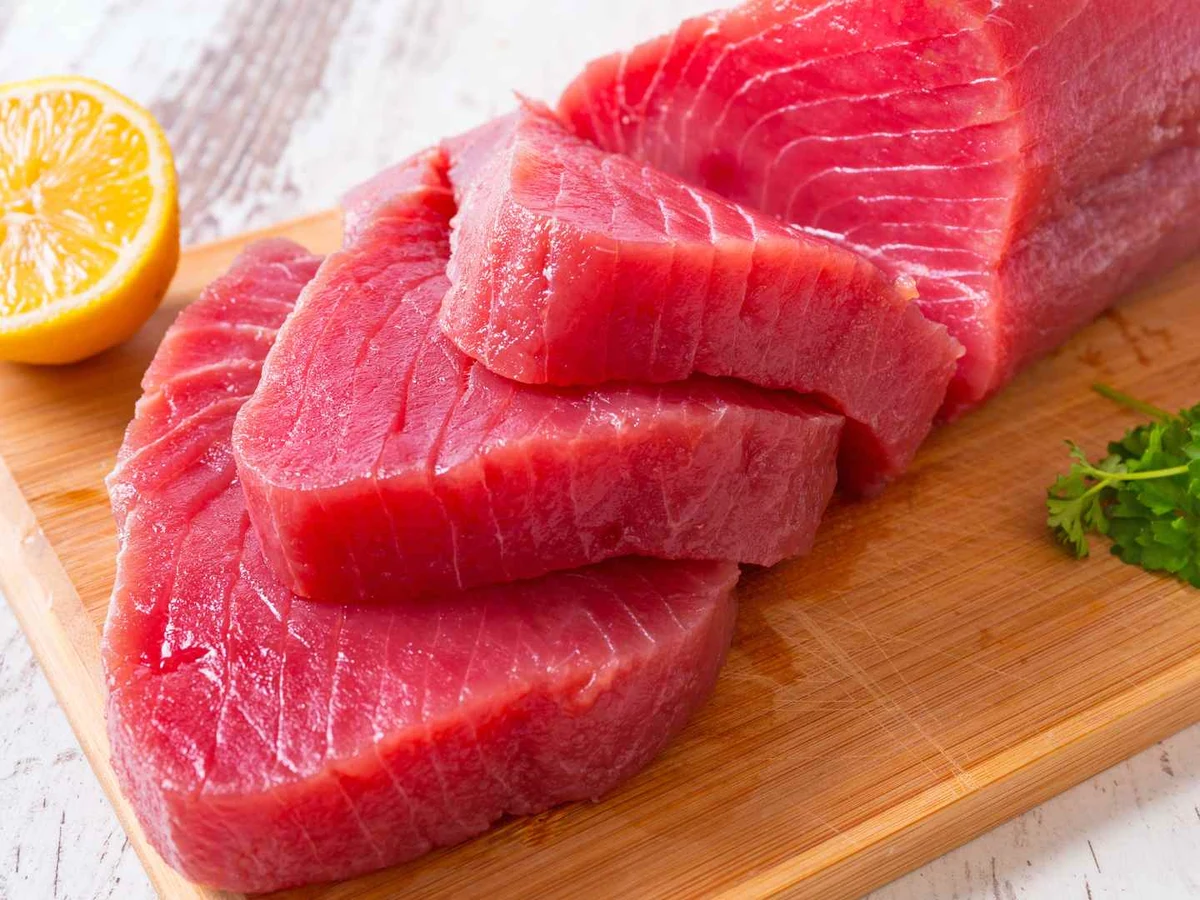
Bones, pouches, and cans count as part of the exposure
\n\nFresh tuna portions can contain slender bones even when sold as fillets. A bone may lodge in the mouth or throat, injure the digestive tract, or trigger gagging and repeated swallowing.
\n\nDo not pull a deeply embedded object or sweep blindly through the mouth. Trouble breathing, blue or gray gums, frantic pawing at the face, collapse, or an obvious obstruction calls for immediate emergency care.
\n\nAn opened can has a sharp rim, and foil pouches can be chewed and swallowed. Transfer leftovers to a covered container, refrigerate promptly, and put the package where a cat cannot perform a countertop recycling inspection.
\n\nTuna recipes often hide the real problem
\n\nTuna salad commonly includes mayonnaise, onion, relish, mustard, pepper, and plenty of sodium. Even when one recipe is harmless in a pinhead lick, another may contain enough allium seasoning to justify a veterinary call.
\n\nCasseroles, melts, pasta dishes, sushi rolls, and pizza add cheese, cream, butter, garlic, sauces, seaweed products, or raw ingredients. Evaluate the complete recipe rather than letting the word tuna end the investigation.
\n\nIf the stolen item was a cheesy slice, our cat pizza safety guide sorts out dough, toppings, and sauce. For a plain oily fish alternative, the sardine guide explains its own bones, salt, and packaging issues.
\n\nCats who need a more cautious answer
\n\nKittens, pregnant cats, seniors, and cats with kidney, heart, urinary, digestive, pancreatic, or endocrine disease should not receive improvised tuna portions without veterinary guidance. The same applies to cats on prescription or elimination diets.
\n\nA food can be non-toxic and still be wrong for a particular medical plan. Sodium, phosphorus, fat, protein, calories, and unfamiliar ingredients may matter differently depending on the diagnosis.
\n\nA cat with a fish allergy may develop itching, ear or skin problems, vomiting, or diarrhea after exposure. Sudden facial swelling, breathing difficulty, weakness, or collapse requires urgent care rather than a wait-and-see food trial.
\n\n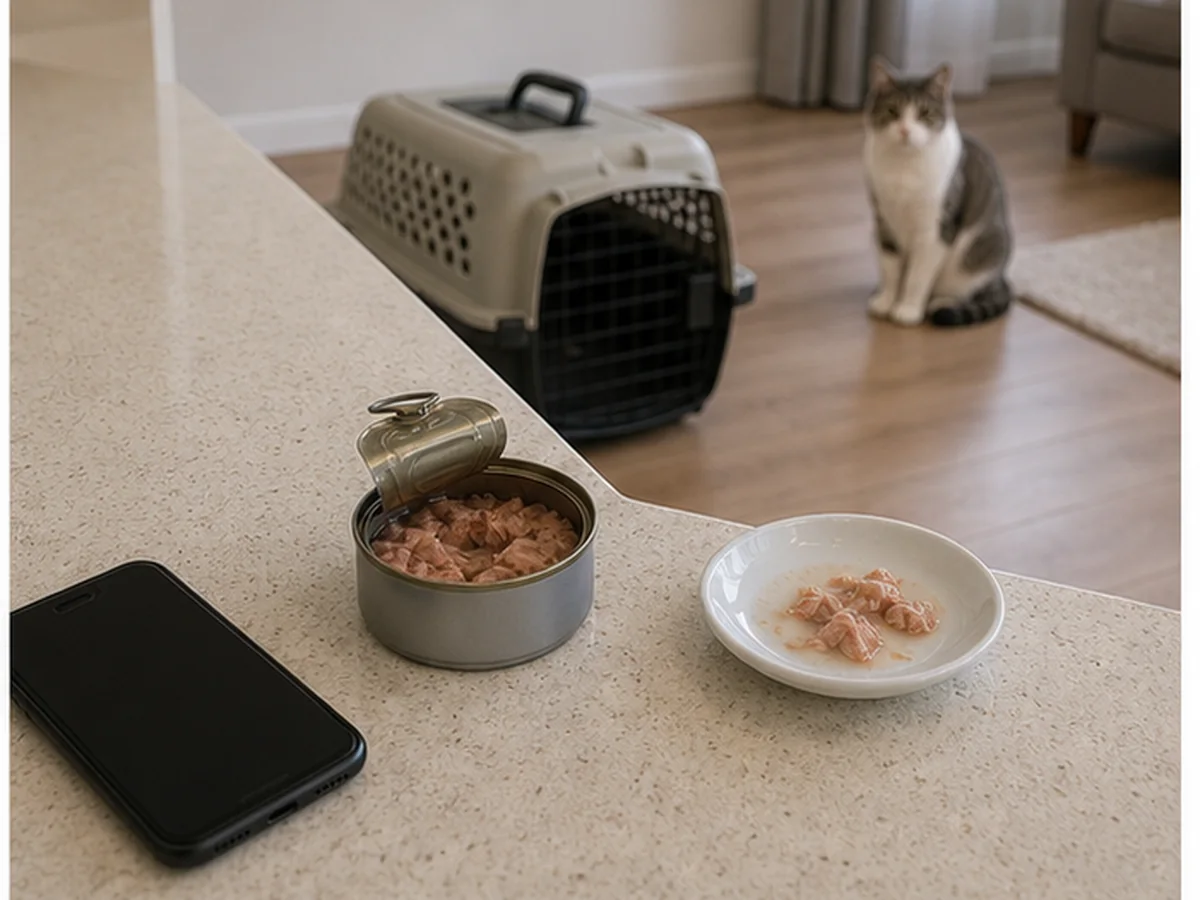
What to do if your cat ate tuna
\n\n- Identify the version. Save the can, pouch, restaurant description, ingredient list, or recipe.
- Estimate the maximum amount. Count missing fish, oil, brine, bones, wrappers, and seasonings.
- Check your cat now. Note vomiting, diarrhea, drooling, wobbliness, pain, gagging, or breathing changes.
- Call for complicated exposures. Contact a veterinarian for raw fish in a vulnerable cat, bones, packaging, toxic add-ins, a very large amount, or any symptoms.
- Skip home fixes. Do not induce vomiting or give oil, milk, salt, or supplements unless a veterinary professional directs you.
A healthy cat who stole one small piece of plain cooked tuna will usually need observation, not a dramatic intervention. Provide normal water and food, record what happened, and call if stomach signs persist or anything about the product remains uncertain.
\n\nFrequently asked questions
\n\nCan cats eat tuna every day?
\n\nHuman tuna should not be an everyday food because it is not complete and balanced for cats, and repeated feeding increases nutritional and contaminant concerns. A complete commercial cat food that uses tuna is different when its label states the intended life stage and nutritional adequacy.
\n\nCan I use tuna water to encourage drinking?
\n\nA small splash from unsalted tuna packed only in water may tempt some cats, but broth, brine, and seasoned liquid are poor choices. Ask the veterinarian first for a cat with kidney, heart, urinary, or dietary restrictions.
\n\nIs tuna in spring water better than tuna in oil?
\n\nIt is usually simpler and less fatty, provided the ingredient list confirms there is no added salt or broth. It remains a treat, not a substitute for nutritionally adequate cat food.
\n\nWhat if my cat refuses food unless tuna is added?
\n\nA sudden appetite change deserves a veterinary call, especially if the cat eats little or nothing for a day or has other symptoms. Do not let tuna mask an illness or turn an urgent appetite problem into a prolonged negotiation.
\n\nBottom line
\n\nPlain, fully cooked, boneless tuna can be a tiny occasional pleasure for a healthy adult cat. Keep human tuna out of the daily meal plan, avoid raw and seasoned versions, inspect every package and bone, and let complete cat food do the serious nutritional work.