Can Dogs Eat Nuts? A Nut-by-Nut Safety Guide
Dogs should not be offered mixed nuts, and macadamia nuts are toxic to them. A few plain peanuts or cashews are not poisonous to most healthy dogs, but high fat, choking, shells, salt, coatings, mold, and mystery ingredients make nuts a poor default treat.
Can dogs eat nuts? Start with the exact nut
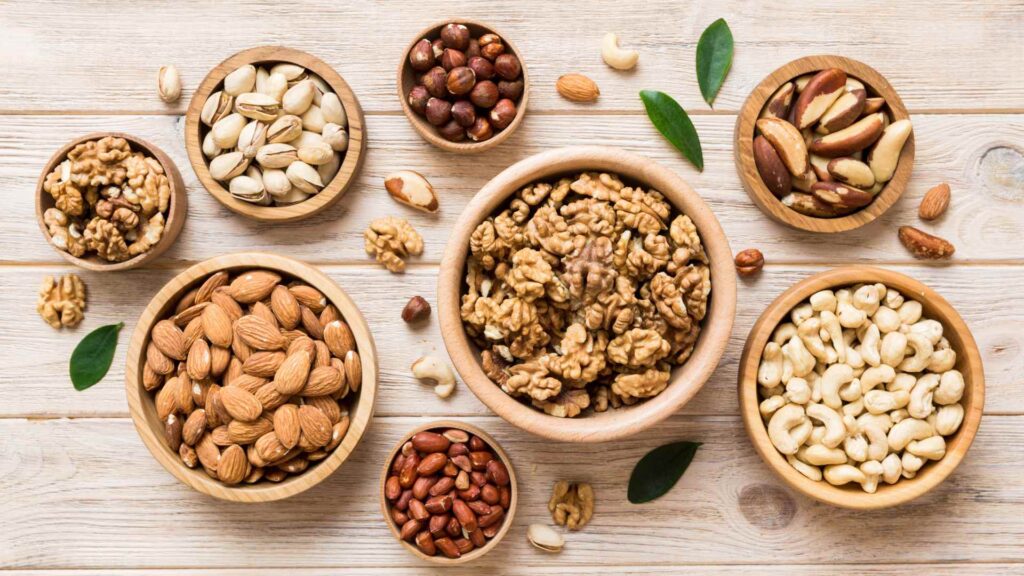
The word nuts covers foods with very different risks, and a party mix may contain several of them at once. Before deciding what to do, identify the nut, the preparation, the amount, when it was eaten, and whether any shell or packaging disappeared too.
Macadamias call for prompt veterinary or poison-control advice because dogs can develop a characteristic toxicosis. Plain peanuts and cashews are usually a calorie and digestion problem rather than a poisoning problem, while moldy nuts can cause a neurologic emergency.
The practical answer is simpler than the botany: dogs do not need nuts. A measured piece of regular dog food or a lower-fat produce treat is usually easier to portion and far less dramatic.
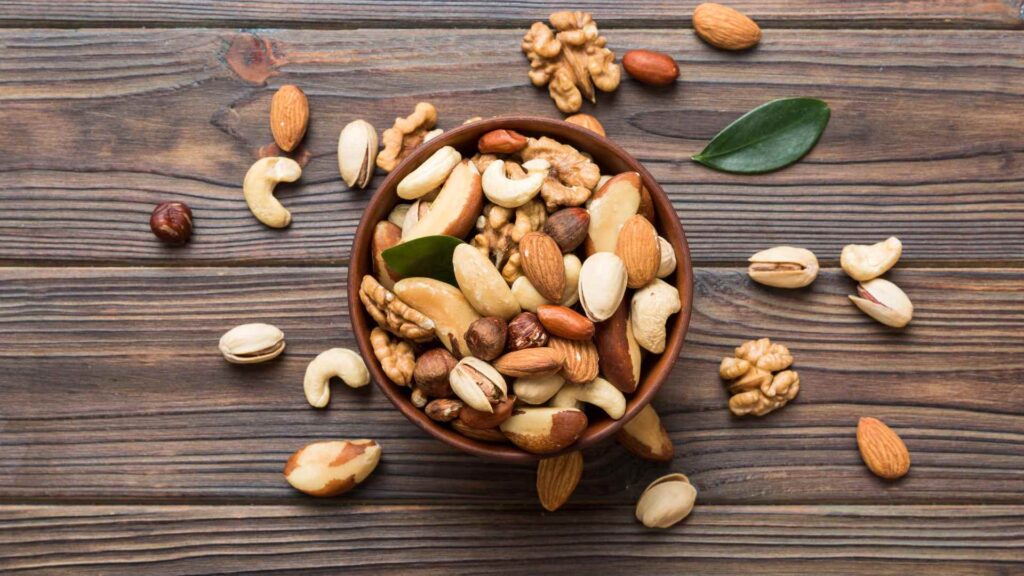
A nut-by-nut safety guide
Macadamia nuts: do not feed
Macadamia nuts cause a canine-specific syndrome. The Merck Veterinary Manual macadamia review lists vomiting, weakness, incoordination, tremors, increased body temperature, and central nervous system depression among typical signs.
Signs often develop within 12 hours and many affected dogs recover, but that does not make an exposure safe to manage by guesswork. Call a veterinarian or animal poison-control service promptly, especially if the amount is unknown, chocolate is involved, or the dog already seems unwell.
Peanuts: non-toxic does not mean unlimited
Peanuts are legumes, but they live in the nut aisle and create the same snack problems. Plain, shelled, unsalted peanuts can be an occasional tiny treat for some healthy dogs, as explained in our peanuts and dogs guide.
Skip honey-roasted, chili, barbecue, chocolate-covered, and salted versions. Shells are fibrous, hard to digest, and unnecessary, so remove them rather than asking the dog’s stomach to finish the job.
Cashews: a small plain piece at most
A plain roasted cashew is not known as a canine toxin, but it is rich and energy dense. Our cashews for dogs guide covers preparation and portion concerns in detail.
Never assume a cashew in a mixed container is alone. Macadamias, raisins, chocolate, garlic seasoning, and heavy salt can turn the surrounding snack into the real problem.
Almonds: best skipped
Almonds are not macadamias, but their size and shape can cause choking or digestive trouble, and their fat adds calories quickly. Read our focused guide to almonds and dogs before treating non-toxic as a recommendation.
Flavored almonds are especially unhelpful because coatings may include onion, garlic, cocoa, salt, or sweeteners. Almond butter also needs a xylitol check every time.
Walnuts: type and condition matter
Fresh English walnuts are not automatically poisonous like macadamias, but they are fatty, awkwardly shaped, and prone to becoming rancid or moldy. Black walnuts, fallen hulls, and any visibly moldy walnut deserve greater concern.
The Merck guide to tremorgenic mycotoxicosis explains that mold on foods including walnuts and peanuts can produce toxins associated with vomiting, incoordination, tremors, heightened sensitivity, rapid heart rate, and seizures.
Our walnuts and dogs guide separates ordinary English walnuts from black-walnut and mold hazards. For the kitchen, the safest rule is to keep all walnuts out of the dog’s snack rotation.
Pecans and pistachios: avoid as treats
Neither plain pecans nor pistachios are classified like macadamias, but both are high in fat and can carry shells, salt, seasoning, or mold. Pistachio shells can be swallowed, and pecans from the ground may be spoiled before they look obviously fuzzy.
That makes avoidance more useful than debating a safe count. If one was eaten, identify the exact nut, check for shells and seasonings, and call the veterinarian if the amount was large or symptoms develop.
Hazelnuts, Brazil nuts, and other culinary nuts
A clean, plain hazelnut or Brazil nut is not a recognized canine toxin, but each remains a dense, fatty object that can be gulped. Brazil nuts are especially large, and nut assortments make ingredient identification unreliable.
Chestnuts are lower in fat than many nuts, yet roasted street-food versions may be salted and whole pieces can still be swallowed badly. There is no nutritional reason to make any of these routine dog treats.
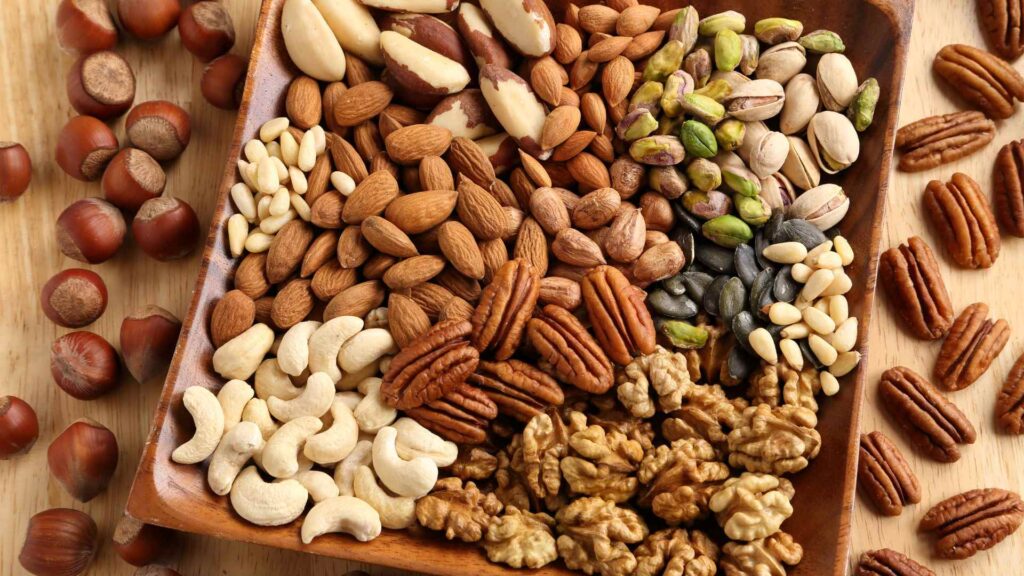
Why even non-toxic nuts cause trouble
Fat and calories
Nuts pack substantial energy into a small volume, which makes human portions deceptive for dogs. Repeated extras can contribute to weight gain and unbalance a diet even when each individual snack looks tiny.
Dogs with pancreatitis are commonly managed with fat restriction, and nuts do not belong in that plan without veterinary approval. The Merck Veterinary Manual pancreatitis review notes dietary indiscretion as a common risk factor in dogs and emphasizes low-fat feeding for affected patients.
Choking and obstruction
Whole nuts are smooth, firm, and just the right size for an enthusiastic dog to inhale instead of chew. Shells, bags, plastic tubs, and oxygen-absorber packets can create additional foreign-body risks.
Trouble breathing, blue or pale gums, collapse, or an inability to swallow is an emergency. Repeated vomiting, abdominal pain or swelling, appetite loss, marked lethargy, or difficulty passing stool after swallowing shells or packaging also warrants prompt veterinary care.
Salt and savory coatings
Ordinary salted nuts are more likely to cause thirst or stomach upset than salt poisoning after one small theft, but large quantities and heavily seasoned snacks can be dangerous. Dogs with heart, kidney, or blood-pressure concerns may have an even tighter sodium plan.
Onion and garlic powders are common in savory mixes and can damage canine red blood cells in sufficient amounts. Save the package so a veterinarian can assess the complete recipe rather than just the nut name.
Chocolate, raisins, and alcohol
Chocolate-covered nuts add methylxanthine toxicity, while trail mix may contain raisins that can cause acute kidney injury in dogs. Rum, liqueur, and dessert coatings introduce still more hazards, so these exposures deserve prompt professional advice.
Xylitol in nut butter
Some peanut and nut butters contain xylitol, a sweetener that can cause profound hypoglycemia and other severe effects in dogs. The FDA advises checking every nut-butter label and calling a veterinarian, emergency clinic, or animal poison-control center immediately after suspected ingestion.
Xylitol may also be labeled birch sugar, wood sugar, or birch bark extract. Do not wait for vomiting, weakness, staggering, collapse, or seizures before seeking help.
How many nuts can a dog have?
There is no sensible universal nut table because the correct answer depends on the nut, the dog, and the product. Macadamias are never a treat, while a plain peanut may fit some healthy dogs but not one with pancreatitis, obesity, allergies, or a prescription diet.
The UC Davis veterinary treat guidance recommends that all treats and additional foods stay below 10 percent of daily calories. The other 90 percent or more should come from a complete and balanced diet.
Use 10 percent as a ceiling, not a goal. For a dog who can safely eat a non-toxic nut, one small chopped piece is enough to provide the experience without pretending nuts are necessary nutrition.
Dogs that should skip nuts entirely
- Dogs with previous pancreatitis, hyperlipidemia, or a prescribed low-fat diet.
- Dogs with obesity or a closely managed calorie allowance.
- Dogs on elimination or prescription diets unless the veterinarian approves the ingredient.
- Dogs with swallowing problems, dental disease, or a habit of gulping food.
- Dogs with chronic vomiting, diarrhea, or a known reaction to a nut ingredient.
- Puppies whose growth diet and small calorie budget leave little room for rich extras.
Age alone does not make nuts toxic, but senior dogs are more likely to have medical or dental reasons to avoid them. A measured portion of regular food is often the least complicated reward.
What to do if your dog ate nuts
- Remove access and keep every wrapper, jar, shell, or ingredient label.
- Identify the nut and estimate the amount, time of exposure, and dog’s current weight.
- Check for macadamias, xylitol, chocolate, raisins, mold, alcohol, onion, garlic, and missing packaging.
- Call a veterinarian or animal poison-control service promptly for a toxic ingredient, unknown mix, large amount, or any symptoms.
- Follow professional instructions and do not induce vomiting unless specifically directed.
Call now for macadamias or xylitol
A dog can look normal early in either exposure. Fast advice lets the veterinary team decide whether decontamination or monitoring is appropriate before the situation becomes harder to manage.
Treat mold and neurologic signs as urgent
Drooling, tremors, incoordination, extreme sensitivity to sound or touch, high body temperature, or seizures after access to moldy nuts requires emergency care. Keep a sample of the suspected food in a sealed container if it can be collected safely.
Monitor a small plain-nut theft carefully
If a healthy dog ate one plain peanut or cashew, no shell, and no dangerous coating, serious poisoning is unlikely. Monitor for vomiting, diarrhea, pain, swelling, or unusual behavior, and call the veterinarian if signs develop.
Frequently asked questions
Are all walnuts toxic to dogs?
No, fresh English walnuts are not equivalent to macadamia nuts, but walnuts are still a poor treat because of fat, choking, and mold concerns. Black walnuts and fallen moldy nuts warrant more caution.
Can dogs eat peanut butter?
A tiny amount of plain, xylitol-free peanut butter can suit some healthy dogs, but it is calorie dense. Check our peanut butter safety guide and read the label each time.
Can dogs drink almond milk?
A lick of plain unsweetened almond beverage is unlikely to poison most dogs, but flavored products may contain sugar, chocolate, or sweeteners and offer little nutritional value. Water remains the proper hydration choice.
Do nuts improve a dog’s coat?
Nuts are not a reliable coat treatment. Persistent itching, hair loss, scaling, or ear trouble needs veterinary assessment, and any fatty-acid supplement should be selected and dosed for the dog’s complete diet.
The bottom line
Skip mixed nuts and never deliberately feed macadamias. Plain peanuts or cashews are not toxic to most healthy dogs, but tiny portions do not erase the fat, calorie, choking, and ingredient risks.
If the snack contains macadamia, xylitol, chocolate, raisins, mold, or an unknown mix, call a veterinary professional promptly. A precise label and an early phone call are more useful than a heroic home remedy.