Can Dogs Eat Mandarin Oranges? Flesh, Peel, and Portions
Most healthy adult dogs can eat a small piece of fresh mandarin flesh. Remove the peel, pith, seeds, stem, and leaves; skip canned fruit, juice, essential oil, and sweetened products; and keep this sugary citrus fruit firmly in occasional-treat territory.
Can dogs eat mandarin oranges?
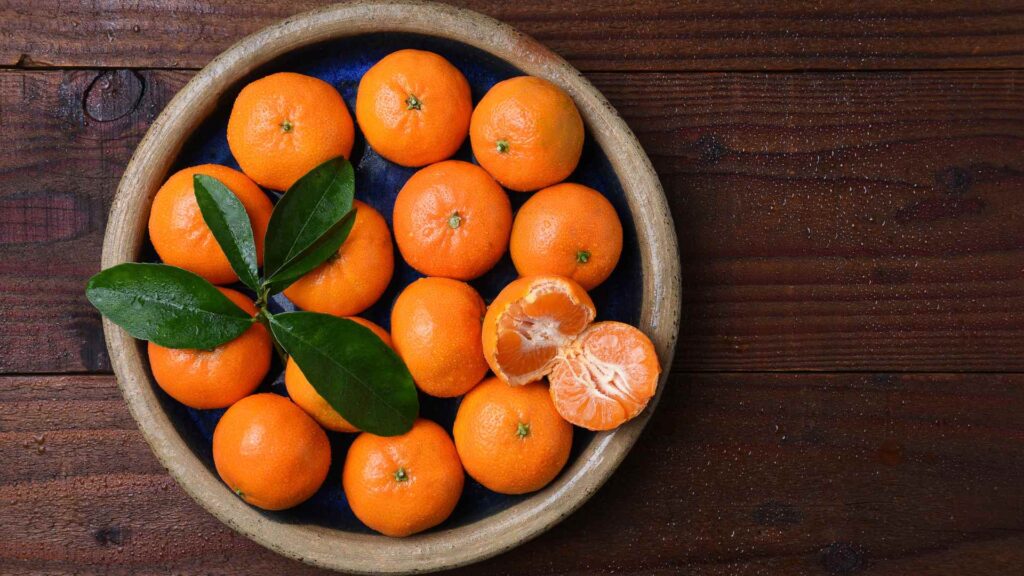
Mandarins, tangerines, clementines, and satsumas are closely related citrus fruits with easy-peeling skins and sweet segmented flesh. The edible flesh is not considered poisonous to dogs, but the peel and other plant material deserve a different answer.
The ASPCA orange safety entry states that orange fruit is edible while skins and plant material can cause problems because citrus contains essential oils and psoralens. That distinction is the heart of safe preparation.
A dog who steals one clean segment is usually facing a possible stomach upset, not a poisoning crisis. A dog who chews a bottle of citrus essential oil, eats a large pile of peel, or swallows packaging needs more urgent professional advice.
The 30-second preparation checklist
- Wash the fruit before peeling so residue does not transfer to the flesh.
- Remove every bit of peel, stem, leaf, and any obvious seed.
- Pull away thick strings of pith if the dog tends to gulp food.
- Cut one segment into smaller bites for a small dog.
- Offer a single bite first and stop if it causes vomiting, diarrhea, or discomfort.
- Count the fruit with all other treats in the day’s calorie allowance.
Do not offer an entire mandarin just because the pieces are naturally portioned. Nature designed those segments for the fruit, not for a dog’s individual calorie plan.
What mandarins provide, and what dogs actually need
Mandarin flesh contains water, carbohydrate, fiber, vitamin C, and other micronutrients. The USDA FoodData Central database is a reliable place to examine human-food composition, but nutrient content alone does not turn a food into a canine supplement.
Healthy dogs synthesize vitamin C, so mandarin is not required to boost immunity or help a dog recover from illness. A complete and balanced dog food already supplies the planned nutrient profile, while fruit adds optional flavor and calories.
The water in a segment is not a hydration strategy either. Fresh drinking water should always be available, and a dog who is dehydrated, repeatedly vomiting, or refusing water needs veterinary care rather than citrus-infused encouragement.
Fiber can change stool consistency, but mandarin is not a constipation remedy. Straining, pain, blood, black stool, recurrent diarrhea, or ongoing constipation deserves a veterinary assessment so the cause is not missed.
How much mandarin can a dog have?
There is no evidence-based segment chart that makes two pieces correct for every small dog and four pieces correct for every large dog. Segment size varies, and so do canine calorie needs, medical conditions, and tolerance.
The UC Davis School of Veterinary Medicine treat guidance recommends keeping all treats and extra foods below 10 percent of daily calories. At least 90 percent should come from a complete and balanced diet.
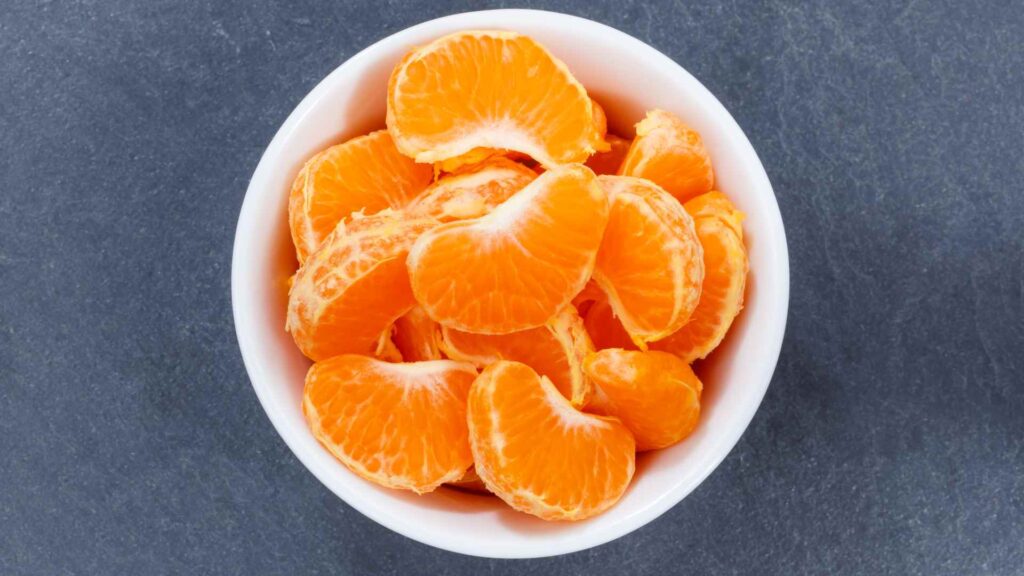
For a first taste, one bite cut from a segment is enough. If a healthy dog tolerates it, an occasional segment divided into small pieces may fit some dogs, while a toy breed may need much less and a medically restricted dog may need none.
Ten percent is a ceiling, not a fruit assignment. Training rewards, dental chews, table scraps, pill foods, and mandarin all share the same limited space.
Why the peel stays off the menu
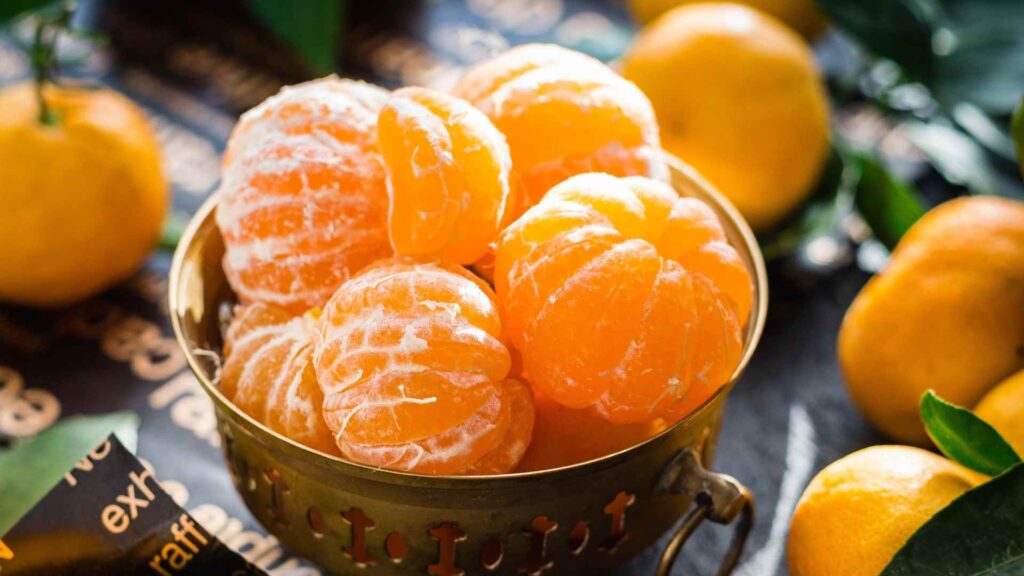
Mandarin peel is fibrous, bitter, and rich in aromatic oils compared with the flesh. It can irritate the gastrointestinal tract, and a large folded piece may become a choking or foreign-body concern.
One small chewed scrap does not guarantee toxicity or obstruction, so avoid panic. Remove the remaining peel, estimate what is missing, and call the veterinarian if a small dog swallowed a large piece or any dog develops repeated vomiting, abdominal pain, appetite loss, or marked lethargy.
General veterinary produce advice from VCA Animal Hospitals recommends removing thick peels, rinds, stems, seeds, pits, and cores to reduce fractured-tooth, choking, and gastrointestinal blockage risks. That is a sound habit for mandarins too.
Pith and membrane
The white pith and thin segment membrane are not the concentrated oil-rich outer peel, but they add fibrous material and can be stringy. Remove excess pith for dogs that gulp, although a tiny strand on a prepared segment is unlikely to be an emergency.
Seeds
Many mandarins are seedless, but seeded varieties exist. Remove visible seeds to simplify chewing and reduce choking risk, not because mandarin seeds carry the same well-known cyanide warning as apple seeds.
Leaves and stems
These are plant material rather than edible fruit flesh and should not be shared. Keep fallen citrus, pruned branches, and houseplant-style citrus trees away from dogs that chew indiscriminately.
Fresh, canned, dried, juiced, or flavored?
Fresh mandarin
Fresh peeled flesh is the easiest version to assess. You control the preparation, can remove seeds, and do not need to decode syrup, sweetener, or spice ingredients.
Canned mandarin oranges
Canned segments may be packed in water, juice, light syrup, or heavy syrup. Even water-packed fruit is softer and easy to overfeed, while syrup and juice add sugars that offer no advantage to a dog.
Check for xylitol or another unfamiliar sweetener in reduced-sugar products, although xylitol is not a routine canned-fruit ingredient. If xylitol appears and the dog ate the product, call a veterinarian or animal poison-control service immediately.
Dried mandarin
Drying removes water and concentrates the fruit’s sugars and calories into a small chewy piece. Commercial dried fruit may also contain added sugar, preservatives, or other fruits, so fresh flesh is the more straightforward choice.
Mandarin juice
Juice removes much of the chewing and portion feedback while delivering sugar and acidity quickly. Dogs do not need fruit juice, flavored water, or a squeeze of citrus in the bowl, and plain water should remain plain.
Citrus essential oil and extract
Concentrated oil is not interchangeable with a fruit segment. The ASPCA essential-oil guidance advises against directly applying concentrated oils to pets because concentration and formulation change the risk.
Do not put mandarin oil on a dog’s coat, paws, collar, food, or water. Call a veterinary professional promptly after ingestion or significant skin exposure, and follow instructions about bathing or transport.
Dogs that need extra caution
Dogs with diabetes
Mandarin naturally contains sugar, but it is too simplistic to say one bite will spike every diabetic dog’s glucose. The safe choice is to follow the treating veterinarian’s food and insulin plan and avoid unapproved fruit.
Dogs with obesity
A small piece may fit a calorie plan, but sweeter fruits are easy to add on top of existing treats. Lower-calorie choices or measured kibble may deliver more rewards for the same daily allowance.
Dogs with gastrointestinal disease
Dogs with chronic vomiting, reflux-like signs, inflammatory bowel disease, pancreatitis, or a prescription gastrointestinal diet should not receive casual citrus experiments. The acidity and fiber may be poorly tolerated even when the flesh is not toxic.
Dogs on elimination or prescription diets
An elimination trial works only when unapproved foods stay out. A single segment can muddy the results, and prescription kidney, liver, urinary, or cardiac diets may also limit extras for reasons unrelated to citrus.
Puppies
Puppies do not have to wait until adulthood because mandarin flesh becomes magically safer on a birthday. They do, however, need complete growth nutrition and have small stomachs and calorie budgets, so familiar puppy treats are usually more useful.
Dogs with swallowing or dental problems
Soft fruit may look easy, but slick whole segments can be gulped. Cut the flesh into small pieces and choose another treat if the dog coughs, gags, or struggles with food.
Signs that a mandarin did not agree with your dog
- Vomiting or repeated retching.
- Diarrhea, marked gas, or obvious abdominal discomfort.
- Drooling, pawing at the mouth, or refusal to eat after peel or oil exposure.
- Unusual tiredness, weakness, wobbliness, or depression.
- Coughing, gagging, breathing difficulty, or trouble swallowing.
A single soft stool in an otherwise comfortable adult dog may only require stopping the new treat and monitoring. Repeated vomiting, severe diarrhea, pain, breathing trouble, neurologic signs, collapse, or illness in a tiny puppy or medically fragile dog needs prompt care.
What to do after an accidental mandarin raid
- Take away the fruit, peel, plant material, essential oil, and packaging.
- Determine which parts were eaten and estimate the amount and time.
- Photograph any product label and note whether sweeteners or other fruits are present.
- Call a veterinarian or animal poison-control service for essential oil, a large peel ingestion, xylitol, missing packaging, or symptoms.
- Do not induce vomiting or give oil, milk, or another home remedy unless a veterinary professional directs you.
For a healthy dog who ate a few peeled segments and feels normal, monitoring is usually reasonable. Keep normal water available, avoid more treats that day, and contact the veterinarian if gastrointestinal signs persist or intensify.
Better fruit comparisons
Mandarin is sweeter and more acidic than many crunchy options, so a dog that dislikes citrus is not missing anything important. Compare it with apples for dogs, with the core and seeds removed.
For small training pieces, blueberries may be easier to portion, though round berries can still be squashed or cut for tiny dogs. Watermelon offers a high-water option when the rind and seeds are removed.
Ordinary oranges have essentially the same flesh-versus-peel distinction, and our oranges and dogs guide explains it. Pick one treat rather than assembling a canine fruit salad that multiplies sugar and digestive variables.
Frequently asked questions
Can dogs eat clementines or satsumas?
Yes, the same basic rule applies to their fresh flesh: remove peel, plant material, and seeds, then offer a tiny amount. Sweetness and segment size vary, so start smaller than the fruit suggests.
Can dogs eat mandarin peel?
Do not offer it. Peel contains more essential oils than flesh, is difficult to digest, and can become a choking or foreign-body concern in larger pieces.
Can dogs eat mandarins every day?
They do not need to, and a daily sweet extra can crowd out more useful rewards. If fruit is offered regularly, ask the veterinarian to fit it into the complete calorie and health plan.
Can mandarins help a constipated dog?
Do not use them as treatment. Constipation has many causes, and a dog that strains repeatedly, seems painful, vomits, or cannot pass stool needs veterinary assessment.
Is frozen mandarin safe?
A tiny peeled piece can be frozen, but hard slippery chunks may be gulped and whole segments are larger than they look. Thaw or cut it small, and supervise.
The bottom line
A small piece of fresh, peeled, seed-free mandarin flesh can be an occasional treat for many healthy adult dogs. It is not an immune booster, hydration treatment, or digestive remedy, and dogs with medical diets may need to skip it.
Keep peel, plant material, essential oil, canned syrup, juice, and mystery sweeteners away from the bowl. When an exposure involves concentrated oil, xylitol, missing packaging, a large peel, or concerning symptoms, call a veterinary professional promptly.