Can Dogs Have Protein Powder? Xylitol, Cocoa, Caffeine, and Supplements
Do not add human protein powder to your dog’s food unless your veterinarian specifically recommends that product and amount. If your dog got into a tub, the powder itself is only half the story because sweeteners, cocoa, caffeine, vitamins, supplements, and a missing scoop can matter more than the protein.
Read the ingredient list before you clean the counter
- Move the tub, scoop, lid, packet, and spilled powder out of reach.
- Photograph the full ingredient panel and nutrition or supplement facts.
- Look for xylitol, cocoa, chocolate, coffee, caffeine, guarana, tea extracts, and other stimulants.
- Estimate the largest number of scoops or servings missing.
- Note whether the dog inhaled powder, swallowed packaging, or ate a dry clump.
- Call promptly if a toxic ingredient is present, the amount is large, or the formula is uncertain.
I would not assume a powder is safe because it came from the “health” aisle. Human supplements are built around human serving sizes, and a small dog can turn one scoop into a very different dose.
Plain protein is usually not the emergency ingredient
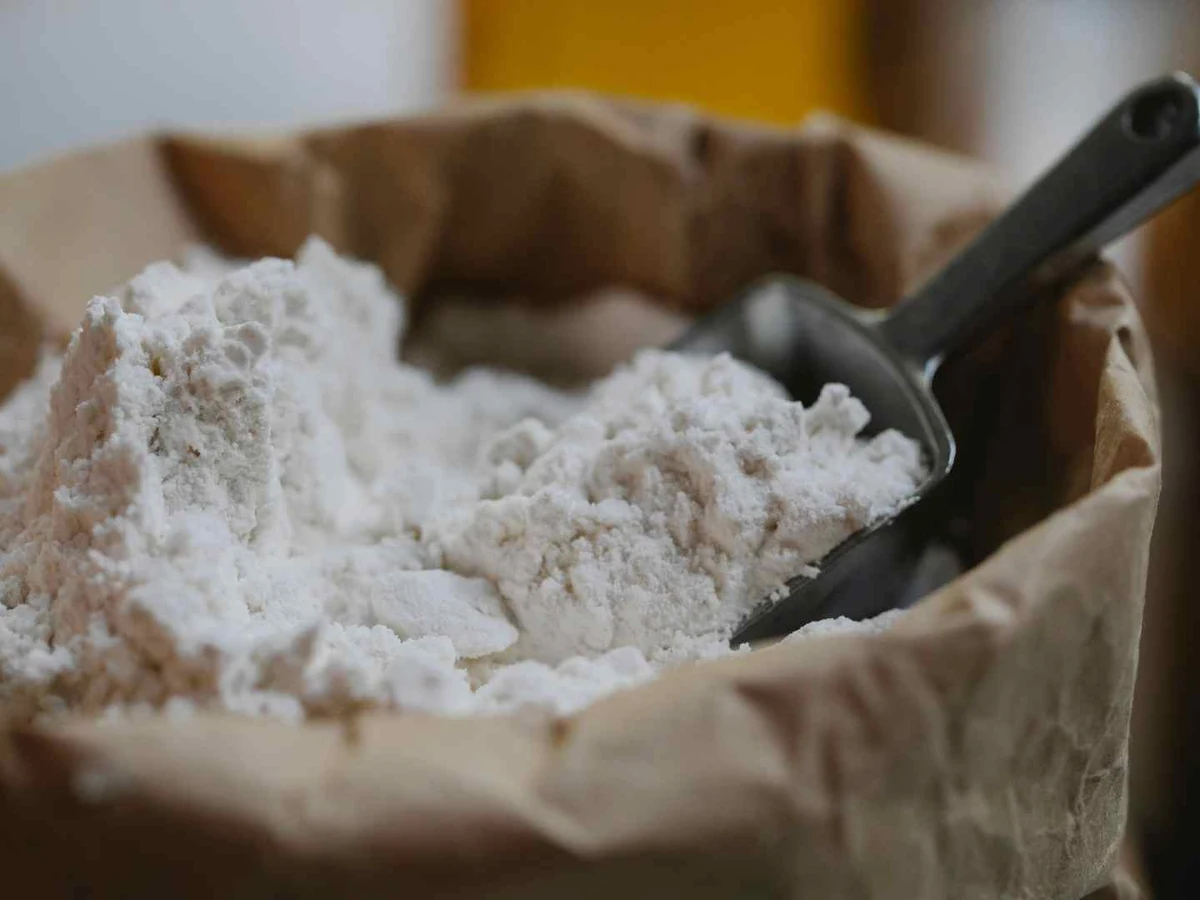
Whey protein, casein, egg protein, soy protein, pea protein, collagen, and similar protein sources are not automatically toxic to dogs. A small accidental taste of a plain powder may cause no problem or only stomach upset, especially if the dog does not tolerate dairy or that particular protein well.
That does not make routine supplementation useful. Most dogs eating a complete and balanced diet do not need random human protein powder added on top, and extra calories can quietly turn “fitness powder” into a weight-management problem.
Dogs with kidney disease, liver disease, food allergies, gastrointestinal disease, or prescribed diets need more individualized advice. Tell the veterinarian the exact protein source rather than saying only “protein powder.”
Xylitol can turn a scoop into an emergency
Some low-sugar powders, drink mixes, and flavored supplements use xylitol. In dogs, xylitol can trigger a rapid insulin release that causes dangerous hypoglycemia and, at larger exposures, can be associated with serious liver injury.
If xylitol is listed, call immediately even if your dog looks normal. Our xylitol guide explains why waiting for weakness, tremors, or seizures wastes valuable time.
Do not estimate safety from how sweet the powder tastes or where xylitol appears on the ingredient list. What matters is the actual concentration, the amount swallowed, and your dog’s weight.
Chocolate and cocoa powders can be concentrated
Chocolate-flavored protein powder may contain cocoa powder, cacao, chocolate pieces, or other methylxanthine sources. Cocoa powder is much more concentrated in theobromine and caffeine than ordinary milk chocolate, so a large dry-powder exposure deserves careful assessment.
Possible chocolate-related signs include vomiting, diarrhea, restlessness, increased thirst or urination, rapid heart rate, abnormal heart rhythm, tremors, overheating, seizures, and collapse. Our chocolate guide covers the importance of chocolate type and amount.

Pre-workout blends can add caffeine and other stimulants
Some protein products are blended with coffee, caffeine, green tea extract, guarana, yerba mate, or pre-workout ingredients. Concentrated stimulants can affect a dog’s heart, blood pressure, muscles, body temperature, and nervous system.
Report the caffeine amount per scoop and the number of servings the dog could have reached. A tub labeled mocha, coffee, energy, thermogenic, or pre-workout deserves more scrutiny than a plain unflavored whey powder.
Our coffee and caffeine guide explains why powders and supplements are more concerning than a lick of diluted coffee. Do not exercise a restless dog in an attempt to burn off stimulation.
Fortified powders can contain more than food ingredients
Meal-replacement and performance powders may include iron, vitamin D, herbal extracts, amino acids, electrolytes, creatine, or other concentrated ingredients. A single normal human serving is not automatically toxic, but a dog that eats several scoops or an entire packet can receive a much larger dose than intended for its body size.
Bring the supplement facts panel rather than trying to summarize it from memory. If the formula includes medicines, sleep aids, stimulants, or unfamiliar concentrated ingredients, call with the exact names and amounts.
Dry powder can irritate the airway
A dog that plunges its face into a tub can inhale fine powder while licking it. Coughing, gagging, sneezing, noisy breathing, repeated retching, or visible breathing difficulty after a powder cloud deserves prompt veterinary attention.
Move the dog into clean air and avoid creating another cloud while cleaning. Do not flush the mouth or nose aggressively, and never force water into a coughing or distressed dog.
A dry scoop can become a choking mess
Fine powder can clump when it hits saliva, especially if a dog swallows a large mouthful quickly. Most dogs will manage small amounts, but coughing, frantic pawing at the mouth, blue or pale gums, collapse, or inability to move air is an emergency.
The plastic scoop is another object worth counting. Dogs sometimes swallow the tool, lid seal, desiccant packet, or torn pieces of a pouch along with the powder, creating a foreign-body issue that has nothing to do with protein.

Dairy-based powders can upset sensitive stomachs
Whey and casein powders can contain lactose or other milk components, depending on the product. Dogs that do not tolerate dairy well may develop gas, diarrhea, vomiting, or abdominal discomfort after a larger serving.
Those symptoms are generally a different category of concern from xylitol, chocolate, or caffeine toxicity. The label helps you separate an upset-stomach exposure from one that needs immediate poison assessment.
Plant proteins are not automatically gentler
Pea, soy, rice, hemp, and other plant-based protein powders can still contain flavorings, sweeteners, chocolate, caffeine, vitamins, minerals, and herbal ingredients. “Vegan” tells you where the protein came from, not whether the complete formula is dog-safe.
Some dogs also have individual food sensitivities. If a plant-based powder causes repeated vomiting, diarrhea, facial swelling, hives, or breathing difficulty, seek veterinary advice rather than assuming the problem must be lactose.
A shake creates a different exposure than dry powder
Once powder is mixed into a shake, the dog may also encounter milk, chocolate syrup, coffee, nut butter, fruit, sweeteners, supplements, or ice. The liquid volume can make it harder to estimate how much powder was actually swallowed.
Save the recipe or shaker bottle and report the number of scoops used. Do not describe a caffeinated chocolate shake as “mostly milk,” because dilution changes concentration per sip but does not erase the total dose already in the cup.
Do not induce vomiting without case-specific advice
Vomiting may be considered by a professional after some recent ingestions, but powder inhalation, neurologic symptoms, stimulant effects, swallowed objects, and underlying disease can change that decision. A coughing, weak, trembling, sedated, or poorly coordinated dog is not a candidate for casual home emesis.
Do not use salt, mustard, oil, fingers, or another improvised method. If a veterinarian directs hydrogen peroxide for a suitable dog, follow the exact instructions rather than guessing the dose.

Store supplement tubs like the concentrated products they are
Keep protein powder, pre-workout, vitamins, and drink mixes in closed cabinets rather than on gym-room floors, counters, or open shelving. A screw-top lid is not much protection from a large dog that has decided vanilla whey is tonight’s entrée.
Clean powder spills before letting pets back into the room and wipe dusty paws or fur so the dog does not groom more product off later. Check the ingredient list again when a household buys a new flavor because formulas can change.
Frequently asked questions
My dog licked plain protein powder. Is that dangerous?
A small lick of a plain powder without toxic additives may cause no problem or mild stomach upset, but confirm the full ingredient list first. Call if xylitol, cocoa, caffeine, drugs, or other concerning ingredients are present.
Can dogs have whey protein?
Whey itself is not generally considered a dog toxin, but human whey supplements may contain sweeteners, flavors, caffeine, cocoa, vitamins, or other additives. Routine use should be discussed with your veterinarian rather than added casually to a balanced diet.
What if my dog ate a whole scoop?
Check the formula and serving size immediately. A scoop of plain protein is very different from a scoop containing xylitol, cocoa, caffeine, pre-workout ingredients, or a concentrated vitamin blend.
Can I give my dog protein powder to build muscle?
Do not use a human supplement for that purpose without veterinary or veterinary-nutrition guidance. Exercise, total calories, medical conditions, and the overall diet matter more than chasing a high protein number from a scoop.
Bottom line
Human protein powder is not a routine dog supplement, and an accidental exposure should be assessed from the full formula rather than the protein source alone. Check first for xylitol, cocoa, caffeine, concentrated supplements, inhaled powder, and swallowed packaging, then call promptly when the ingredients or amount raise concern.