Can Dogs Eat Cheesecake? Ingredients, Flavors, and Accidents
A tiny crumb of plain cheesecake is unlikely to poison a healthy dog, but cheesecake is a rich dessert, not a dog treat. Fat, sugar, dairy, lactose, milk-protein allergy, xylitol, dangerous flavors, crust ingredients, homemade egg safety, storage, and packaging can quickly matter more than the cheese.
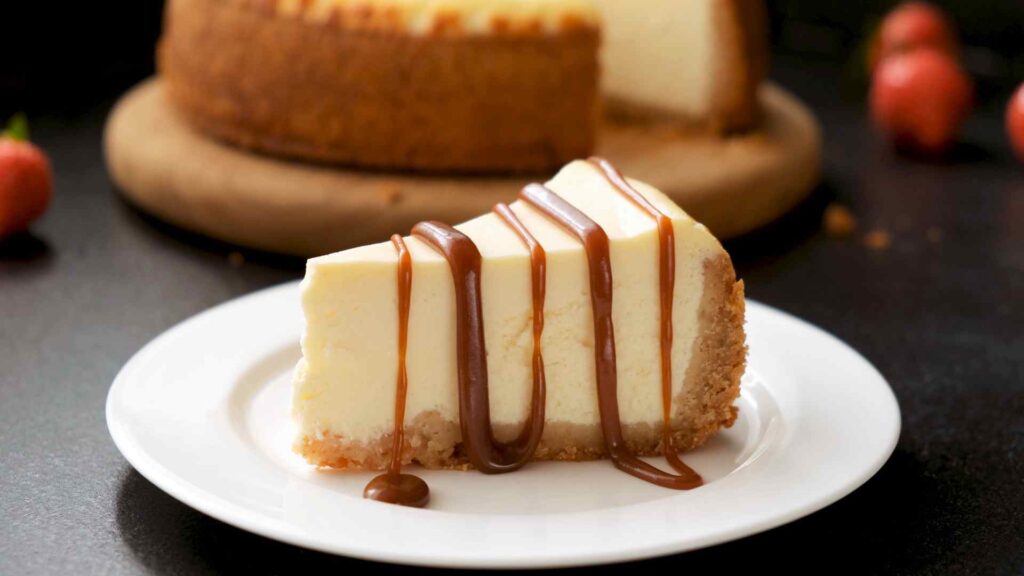
Plain cheesecake is still a mixed food
A basic recipe may include cream cheese, sour cream, sugar, eggs, butter, and a cookie or graham crust. Each component adds calories or digestive variables even before toppings appear.
One lick from an empty plate is different from a missing slice or whole cake. Estimate the amount by weight or fraction of the cake and compare it with the dog’s size and health history.
A rich dessert can cause vomiting, diarrhea, gas, abdominal discomfort, or appetite loss without containing a classic toxin. That does not make repeated feeding sensible.
Fat and pancreatitis concerns
Cream cheese, sour cream, butter, cream, and crust can make cheesecake very high in fat. Large rich servings are particularly concerning for a dog with prior pancreatitis or a prescribed low-fat diet.
Merck’s pancreatitis guide describes vomiting, abdominal pain, weakness, dehydration, and reduced appetite among possible signs. A large dessert raid deserves an earlier call than one crumb.
Do not try to balance the fat with rice, bread, pumpkin, or fasting unless a veterinarian gives a plan. Home fixes can delay care and add more food to an irritated gastrointestinal tract.
Dogs with obesity, diabetes, high blood lipids, intestinal disease, or recent surgery also need a lower threshold for advice. Calories in dense desserts are easy to underestimate.
Lactose intolerance and milk-protein allergy are different
A lactose-intolerant dog may develop gas, bloating, diarrhea, or vomiting after dairy. Cream cheese often contains less lactose than milk, but recipe and individual tolerance vary.
Milk-protein allergy is an immune reaction and is not solved by lactose-free ingredients. It may contribute to persistent itching, ear or skin disease, or gastrointestinal signs.
The dairy guide separates lactose, milk proteins, fat, sodium, sugar, and product labels. Cheesecake should not be marketed as calcium or probiotic support.
Merck’s food-allergy guidance explains that elimination followed by controlled rechallenge is the reliable diagnostic method. A cheesecake reaction alone cannot identify the culprit.
Sugar-free can be an emergency
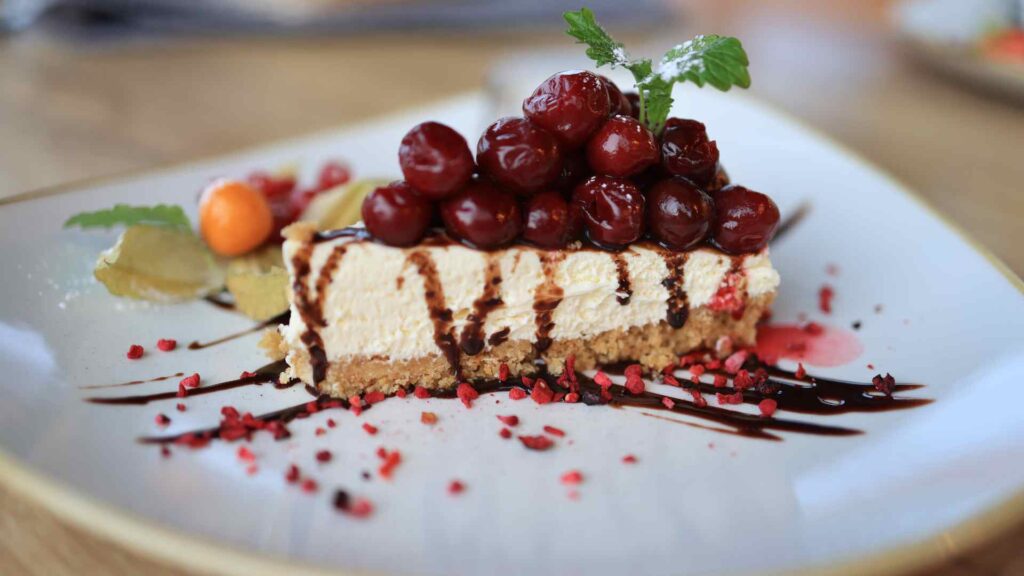
Sugar-free, keto, low-carb, and reduced-sugar recipes vary widely. Some use xylitol, while others use erythritol, stevia, allulose, or different ingredients, so the actual label or recipe is essential.
Merck’s xylitol guide describes rapid hypoglycemia and possible liver injury in dogs. Confirmed xylitol, birch sugar, or wood sugar exposure requires immediate veterinary or poison-service contact.
Do not wait for weakness, vomiting, wobbliness, tremors, seizures, or collapse. Bring the recipe, brand, amount, dog weight, and earliest exposure time.
Never assume a bakery’s sugar-free label answers the sweetener question. Ask the bakery or manufacturer while arranging professional advice.
Flavors and toppings change urgency
Chocolate cheesecake can contain cocoa powder, baking chocolate, chips, ganache, or white chocolate in very different concentrations. Coffee and espresso versions add caffeine.
Rum, bourbon, Irish cream, amaretto, coffee liqueur, and no-bake recipes may retain alcohol. Wobbliness, unusual sleepiness, weakness, vomiting, low body temperature, tremors, or breathing changes is urgent.
Raisin, grape, or currant toppings create a Vitis toxicity concern with no established safe dose. Macadamia nuts can cause weakness and neurologic signs, while other nuts add fat and choking concerns.
Cannabis-infused cheesecake, edible decorations, or concentrates need immediate case-specific advice. Save dispensary packaging and report every active ingredient honestly.
The ice cream guide covers many of the same dangerous dessert flavors. Frozen cheesecake also adds hard chunks and sticks rather than becoming a cooling therapy.
Crusts are not harmless scenery
Graham, cookie, brownie, nut, pastry, and gluten-free crusts have different ingredients. Butter, cocoa, macadamias, raisins, xylitol, salt, and raw flour can hide under the filling.
A dog with wheat or egg allergy can react to crust or filling even when dairy is tolerated. Gluten-free does not mean allergen-free, low-calorie, or dog-safe.
Hard frozen crust pieces can be gulped or lodge in the mouth. Toothpicks, cake dowels, candles, ribbons, and decorative picks create sharper physical hazards.
Homemade cheesecake and egg safety
Baked cheesecake recipes usually cook the egg, but no-bake, mousse, batter, and homemade toppings may use raw or lightly cooked egg. Ask how the dessert was prepared.
The FDA egg-safety guide notes that clean uncracked eggs can carry Salmonella and recommends pasteurized egg products for foods served raw or undercooked. Dogs should not be offered batter as a taste.
The egg guide separates fully cooked plain egg from raw batter, shells, and rich preparations. Egg does not turn cheesecake into a protein supplement.
Raw flour in crust dough is another pathogen concern until cooked. Keep dogs away from mixing bowls, beaters, and floor spills during baking.
Refrigeration is part of safety
Cheesecake is perishable; the FDA storage guide recommends refrigerating perishables within two hours, or one hour above 90°F. A party cake left out overnight should be discarded.
Keep the refrigerator at 40°F or below and cover leftovers. Mold, sour odor, slime, leaking filling, or repeated warming and cooling are reasons to discard, not to repurpose the dessert for a dog.
Foodborne illness can affect dogs and people, and organisms may spread through bowls, saliva, stool, hands, and counters. Clean the raid area before another animal finds it.
Packaging and serving pieces
Plastic wrap, foil pans, parchment, cardboard rounds, absorbent pads, clamshells, forks, and cake servers may disappear with dessert. A chewed glass dish or metal pan creates an immediate injury concern.
Account for candles, matches, toothpicks, skewers, dowels, ribbon, and artificial decorations. Missing foreign objects plus retching, vomiting, pain, appetite loss, or swelling needs prompt veterinary care.
What to do after a cheesecake raid
- Identify plain, flavored, sugar-free, baked, no-bake, frozen, homemade, or commercial cheesecake.
- Save the label or recipe and flag xylitol, chocolate, coffee, alcohol, raisins, grapes, currants, macadamias, and cannabis.
- Estimate the amount, time, dog weight, symptoms, conditions, medications, and normal diet.
- Account for crust, raw batter, toppings, wrappers, pans, glass, forks, candles, toothpicks, and decorations.
- Call immediately for xylitol or other dangerous ingredients, and promptly for a large rich serving, significant symptoms, medical restrictions, or missing objects.
A healthy adult dog that licked one tiny crumb of plain cheesecake and remains comfortable can often be monitored. Keep normal water available and return to the complete diet.
Do not induce vomiting or give salt, oil, charcoal, lactase, antacids, insulin, sugar, or human medicine unless directed. Ingredient and timing determine the right response.
Portion math matters more than a safe-bite chart
Cheesecakes differ dramatically in slice size, crust thickness, fat, sugar, and toppings, so there is no responsible slice-per-pound table. A first accidental crumb cannot be scaled into a recommended serving.
All optional foods share one calorie budget; the WSAVA treat guide recommends keeping extras below 10 percent of daily calories. A dense dessert can use that allowance before accounting for training treats or chews.
Puppies need balanced growth nutrition and have little room for empty calories. Seniors, toy breeds, and inactive dogs may also exceed daily needs with a surprisingly small-looking piece.
Do not use cheesecake to help an underweight dog gain. Unplanned fat and sugar do not diagnose the weight loss or supply the balanced nutrients a recovery plan may require.
Sour cream, toppings, and substitutions
Many recipes blend cream cheese with sour cream; the sour cream guide separates one plain lick from fat, lactose, allergy, flavored dips, and Allium add-ins. Combining two dairy products does not cancel either concern.
Vegan cheesecake is not automatically dog-safe or low-fat. Coconut cream, cashews, chocolate, coffee, xylitol, alcohol, macadamias, and concentrated flavorings can still appear.
Protein cheesecake may use powders, bars, sweeteners, supplements, or very concentrated flavor systems. Read every active ingredient and do not assume a fitness label means pet-safe.
Fruit toppings also need identification. Plain strawberry sauce differs from grape, raisin, currant, cherry pit, citrus peel, or sugar-free fruit products.
Medical diets and allergy trials
Cheesecake can disrupt diabetic, weight-loss, renal, cardiac, low-fat, gastrointestinal, or elimination diets. Call the managing clinic when the amount is meaningful or the dog has strict feeding instructions.
Do not hide medication in cheesecake unless the prescriber approves it. Dairy, fat, food timing, and flavored crust may affect a diet trial or the way a medication should be given.
If itching, ear trouble, vomiting, or diarrhea recurs after dairy, keep a detailed food and symptom history. Diagnosis should be supervised rather than tested with another slice.
A calmer way to prevent repeat raids
Refrigerate cheesecake at the back of a shelf, use a secure container, clear serving plates promptly, and close the trash. Management is more reliable than teaching a dog to resist an unattended dessert.
At parties, assign one person to track the dog and collect plates, napkins, forks, and decorations. Guests may not recognize sugar-free ingredients or know that a tiny handout can join several others.
Frequently asked questions
Is one bite of cheesecake toxic?
One plain bite is usually more likely to cause digestive upset than poisoning, but dog size, recipe, amount, health, and missing packaging matter.
Can dogs eat sugar-free cheesecake?
Do not offer it. Check immediately for xylitol and call if xylitol, birch sugar, or wood sugar appears.
Does cheesecake provide calcium or probiotics?
It should not be used for either purpose. Complete dog food supplies balanced minerals, and a dessert does not provide a standardized clinically tested probiotic.
The bottom line
A crumb of plain cheesecake is usually a minor accident for a healthy dog, but the dessert is too fatty, sugary, and calorie-dense for intentional feeding. Lactose and milk-protein tolerance also vary.
Xylitol, chocolate, coffee, alcohol, raisins, macadamias, cannabis, raw batter, unsafe storage, and packaging can change urgency fast. Evaluate the entire recipe, not just the cream cheese.