Can Cats Eat Sour Patch Kids? Sticky Texture, Sugar, Acids, and Wrappers
Sour Patch Kids are not appropriate cat treats. The standard candy is mostly sugar and starch rather than a classic feline poison, but sticky chew texture, acidic coating, stomach upset, large sugar exposure, product variants, mixed candy, wrappers, and sugar-free lookalikes make a bag raid worth a careful label check.
Verify the bag before searching the candy name
Original, Watermelon, Extreme, tropical, seasonal shapes, theater boxes, multipacks, gummies, beverages, and licensed products can have different formulas. The manufacturer’s SmartLabel for a U.S. Original bag says to use the physical product label for the most accurate ingredient and allergen information.
| Incident clue | Question |
| One standard candy | Was it chewed and swallowed comfortably? |
| Several candies | How many, which size, and any vomiting? |
| Sugar-free lookalike | Which sweetener and brand? |
| Chocolate or coated variant | Is cocoa or chocolate listed? |
| Mixed movie candy | What else was in the bowl? |
| Torn bag or box | Are plastic, film, cardboard, or freshness pieces missing? |
The sticky chew is the immediate cat-sized problem
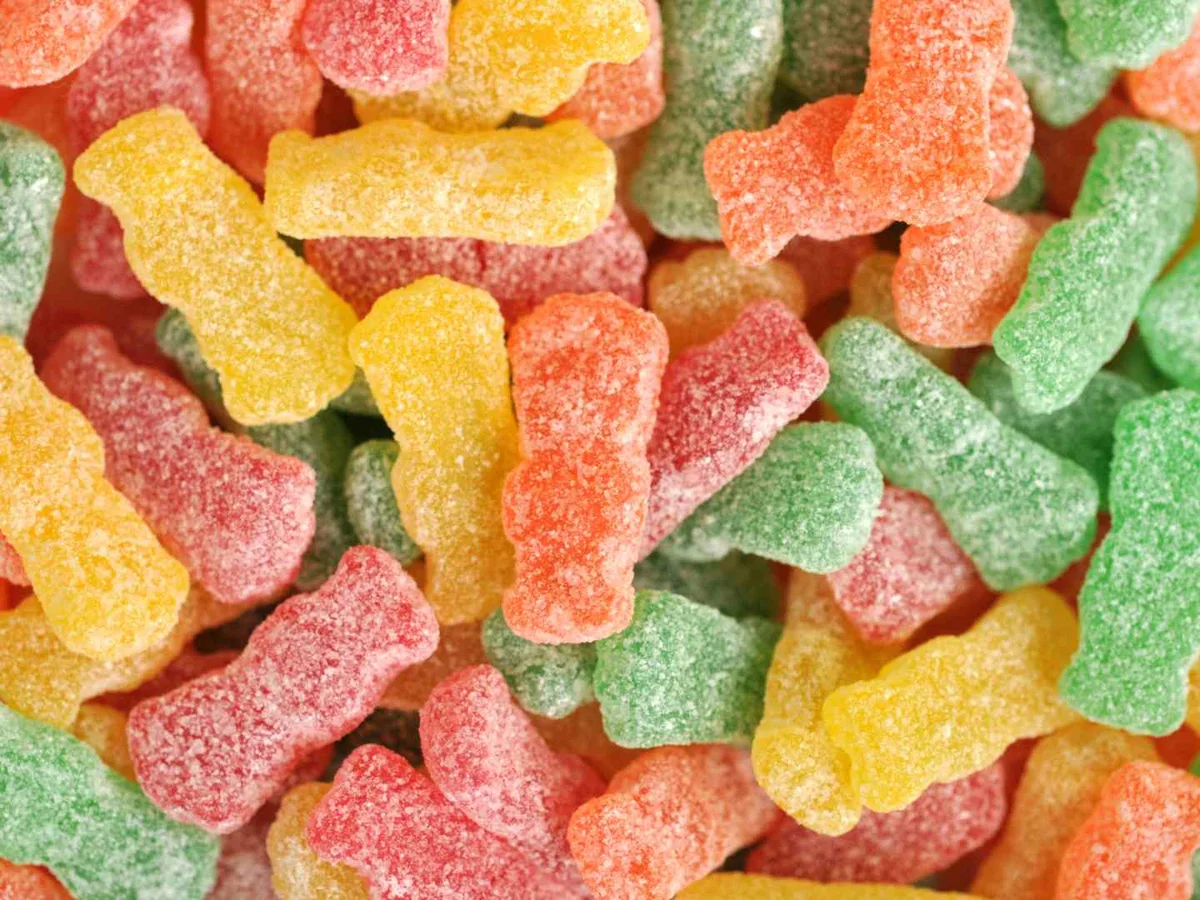
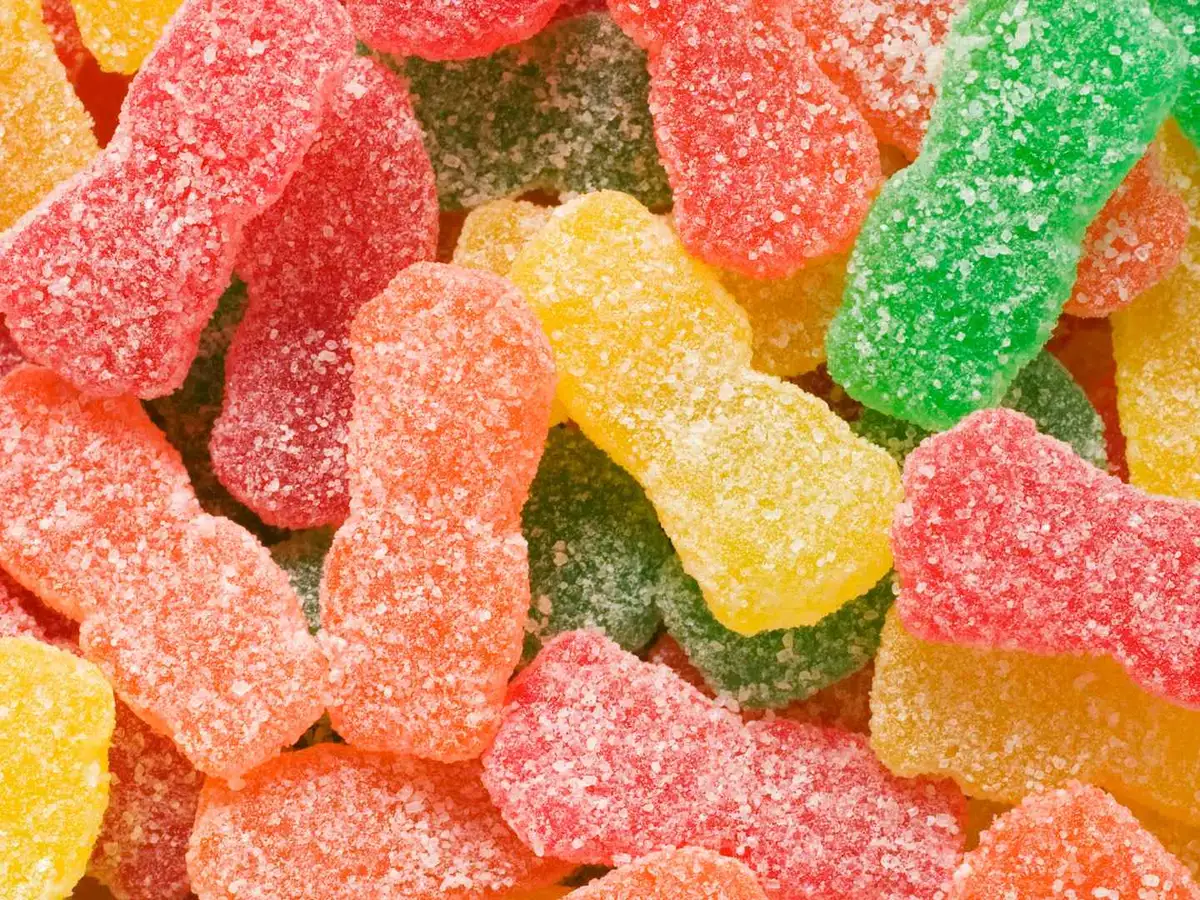
A Sour Patch Kid softens with warmth and can stick to teeth, palate, tongue, or fur. A small cat that gulps one whole may gag or struggle with a tacky lump long before sugar metabolism becomes the interesting issue.
Breathing difficulty, frantic mouth pawing, blue or pale gums, collapse, or obvious choking requires emergency care. Do not sweep blindly inside the mouth, pour water behind the candy, or push it deeper with food.
Sour coating can irritate without systemic poisoning
Citric, tartaric, or other food acids create the sour surface and can sting oral ulcers, eyes, or abraded skin. A cat may drool, smack the lips, paw at the mouth, squint, or groom frantically after powder lands on the face.
Move the cat away from loose crystals, prevent rubbing, and ask the veterinarian how to rinse eyes or clean fur when irritation persists. Do not neutralize acids with baking soda, milk, antacid, or another improvised chemistry lesson.
Sugar is nutritionally pointless, not instant feline poison
The original candy’s nutrition panel lists a large amount of sugar per human serving, but one piece does not make diabetes appear overnight. A larger quantity can cause vomiting, diarrhea, gas, appetite disruption, and a substantial calorie load.
Cats with diabetes, obesity, gastrointestinal disease, or therapeutic diets have even less reason to share candy. Regular tiny handouts can undermine weight or glucose plans without ever producing a dramatic emergency.
Xylitol facts must remain species-specific
FDA states that xylitol is highly dangerous to dogs and does not seem as dangerous to cats, but that is not a license to serve sugar-free products. Feline evidence is limited, formulas can include multiple sweeteners, and mixed-pet homes need dog-specific urgency.
Standard U.S. Original Sour Patch Kids should be judged from its current label rather than assumed to contain xylitol. For any sugar-free, imported, homemade, counterfeit, or mixed candy, call with the exact sweetener, concentration, amount, species, and weight.
Color is useful for inventory, not a toxicity ranking
Food colors help distinguish flavors, and FDA explains that certified color additives appear on ingredient labels. A red candy is not inherently more poisonous to a cat than a blue one merely because the dye name sounds chemical.
Individual reactions can occur, but vomiting or facial swelling needs veterinary assessment rather than internet color elimination. Save the bag and lot information if a product appears defective or a reaction follows.
Extreme sour and giant sizes change exposure
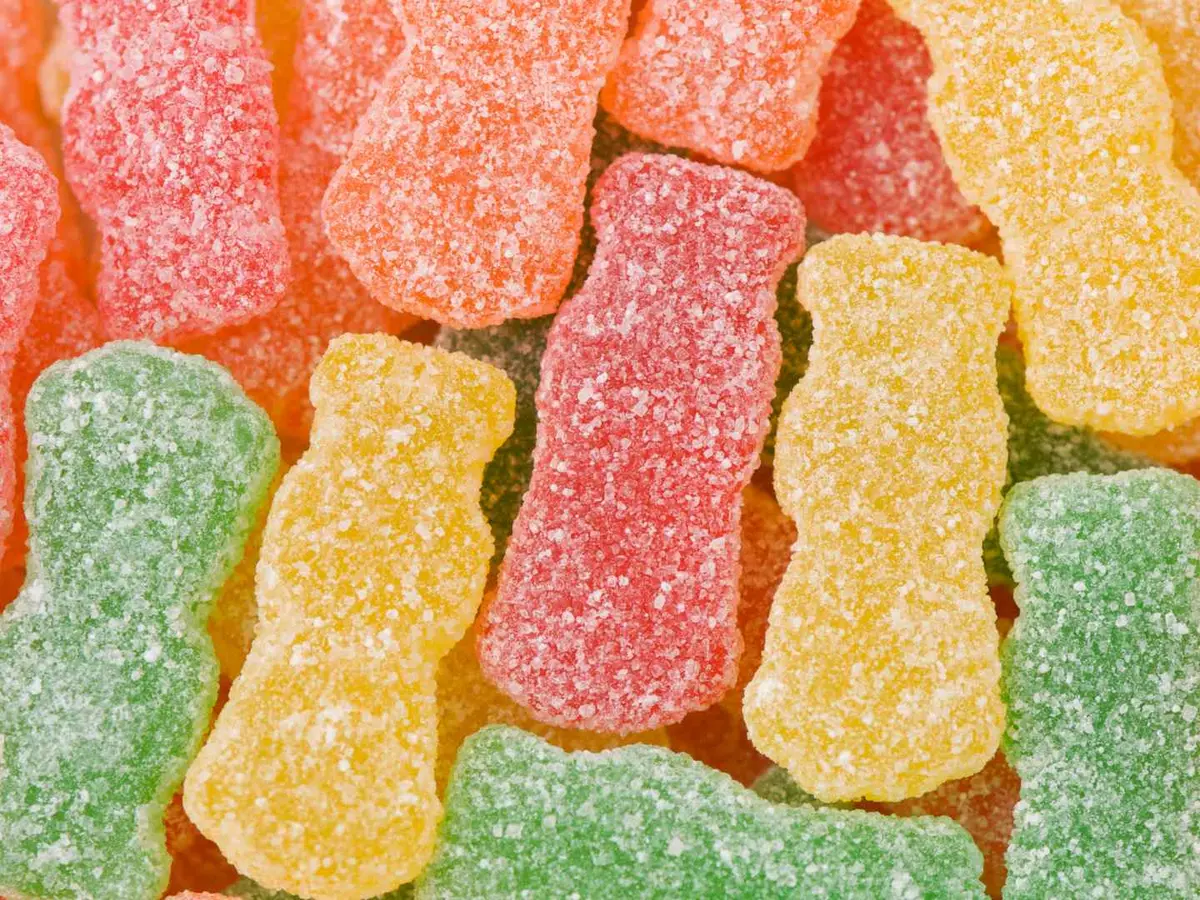
Larger pieces provide a bigger sticky object, while extreme-sour versions may carry more acidic coating and prompt more drooling or oral discomfort. Mini candies reduce individual size but make it easier for a cat to swallow several before anyone counts.
Estimate grams or compare the bag’s starting and remaining weight when piece count is unclear. “Some gummies” is less useful than a photograph showing the product size and half-empty package.
Mixed candy bowls need a full roll call
Halloween and movie bowls can contain chocolate, raisins, gum, hard candy, caffeine products, nut clusters, xylitol-sweetened items, lollipops, and wrappers. The cat may choose one aromatic piece while carrying several others under furniture.
Separate and count every type, then use the cotton candy guide for spun sugar or the marshmallow guide for soft confectionery. Do not average all candy into one risk.
Licensed drinks and supplements are not gummy candy
A Sour Patch-branded energy drink, pre-workout, protein powder, ice pop, dessert, or flavor syrup can contain caffeine, concentrated acids, sweeteners, vitamins, alcohol, or other active ingredients absent from the standard candy. Branding describes flavor inspiration, not formula equivalence.
Call promptly for caffeine, workout supplements, alcohol, unfamiliar sweeteners, or a meaningful unknown beverage amount. Keep the container, serving scoop, and ingredient panel.
Wrappers can become the larger emergency
Individual plastic, multipack film, resealable strips, cardboard tabs, and flexible bags retain a candy odor. FDA warns that snack bags can seal around a pet’s face and cause suffocation.
Remove a bag immediately and call an emergency clinic after head entrapment even when breathing seems normal. Missing plastic, repeated vomiting, abdominal pain, reduced stool, or food refusal raises a separate obstruction concern.
Candy stuck to fur becomes a second serving
A softened gummy can mat paw fur or tail hair, encouraging repeated licking and ingestion of whatever was on the floor. Blot with lukewarm water if the cat tolerates handling and avoid solvents, essential oils, or cutting close to skin without help.
Call for persistent skin redness, eye exposure, distress, or a candy stuck deeply between teeth. A veterinarian can remove adhesive material without turning grooming into a bite or laceration emergency.
Dental damage is not a cute sour face
Sticky sugar adheres around teeth and offers no dental benefit, while a cat with resorptive lesions, gingivitis, broken teeth, or oral ulcers may show sudden pain. Chattering, dropping food, one-sided chewing, bleeding, or persistent mouth pawing warrants an oral examination.
Do not brush immediately with human toothpaste or force the mouth open. Human toothpaste can contain ingredients inappropriate for pets, and painful cats defend themselves quickly.
The bag-raid response
- Collect the bag, mixed candy, wrappers, box pieces, and anything dragged away.
- Verify product, country, size, sweeteners, chocolate, caffeine, and serving weight.
- Estimate pieces and time, then note weight, diabetes, diet, dental disease, and signs.
- Call for choking, sugar-free uncertainty, hazardous mixed candy, large amount, packaging, or symptoms.
- If observation is advised, offer the regular diet and water and monitor vomiting, stool, appetite, mouth comfort, and energy.
Do not induce vomiting or give oil, milk, peroxide, salt, charcoal, antacid, or insulin adjustments without veterinary direction. The label and patient determine whether this is a sticky-object problem, ingredient exposure, or simple digestive observation.
Candy never earns daily calories
Sour Patch Kids contain no complete feline nutrient profile and should not be used for training, medication, low blood sugar, or weight gain. The FDA’s pet-food adequacy statement is the appropriate standard for meals.
Use measured cat treats or pieces reserved from the normal ration. Store candy in a closed cabinet and provide a cat-safe toy before movie night begins, when attention is still available and wrappers are still accounted for.
Heat changes gummy texture in cars and pockets
Candy left in a warm car, near a heater, or inside a pocket can fuse into a larger sticky mass, making piece count and choking size harder to judge. Melted sugar can also coat coins, medication, nicotine products, or other bag contents that are far more concerning than candy.
Photograph the entire contaminated area and identify every missing object before cleaning. Do not assume a multicolored lump contains only one branded product simply because that bag was open.
Party favors can add string, toys, and glow products
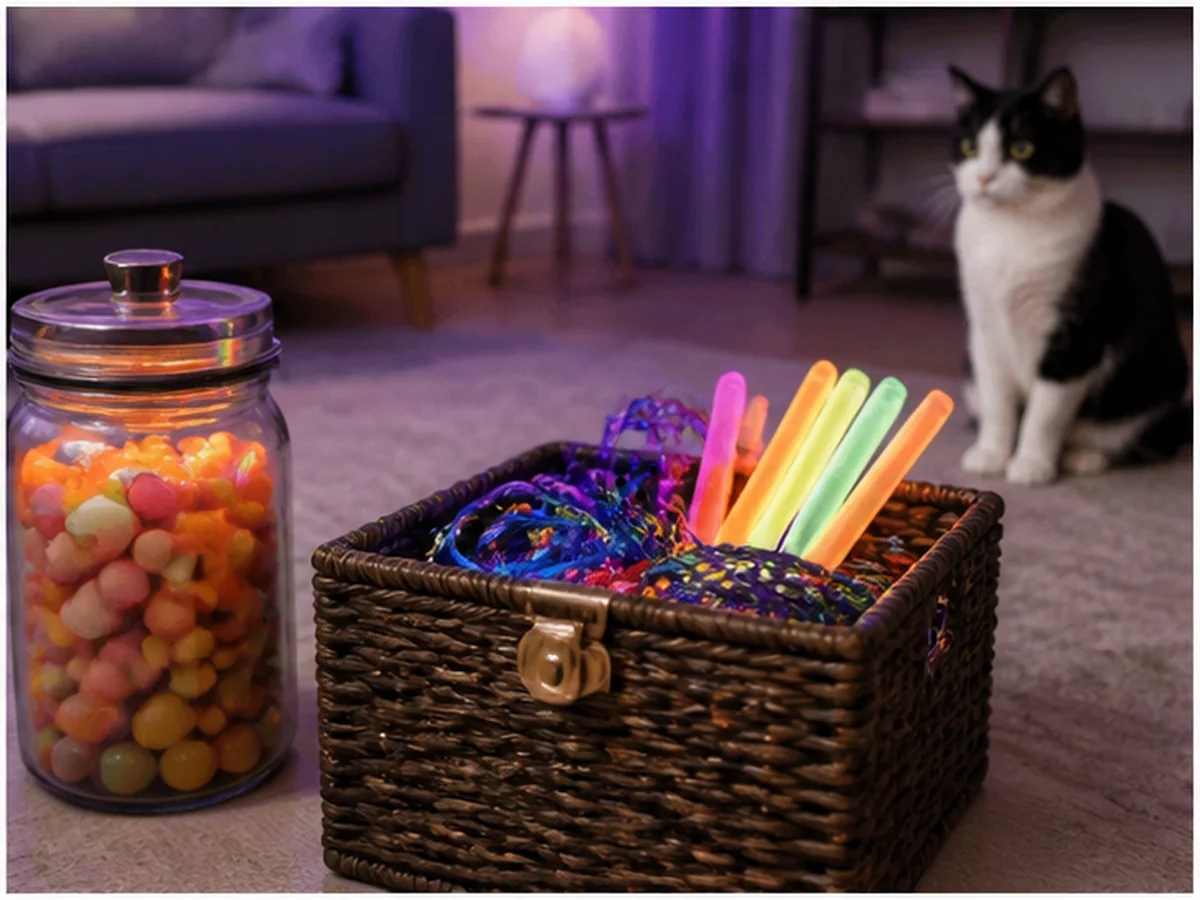
Candy may arrive in tied cellophane bags with ribbon, elastic, staples, small toys, glow sticks, confetti, or plastic scoops. Cats often choose the moving ribbon after ignoring the sweet candy itself.
Never pull swallowed string from the mouth or anus, and call for a chewed glow product, battery, toy part, staple, or missing ribbon. Keep party-favor contents in rigid closed containers rather than open bowls at floor height.
Sour gummies used on cupcakes, ice cream, cocktails, or gingerbread inherit frosting, chocolate, alcohol, skewers, candles, and other decorations. The site’s cheesecake guide illustrates why a candy garnish cannot summarize the dessert beneath it.
If a cat steals a decorated serving, keep the recipe and count every topper before separating leftovers. A single swallowed cocktail pick or birthday-candle fragment can be more urgent than the gummy itself.
Frequently asked questions
Are regular Sour Patch Kids toxic to cats?
Standard candy is not formulated as a classic feline poison, but it is sticky, acidic, sugary, and nutritionally useless. Check the current bag because product and market formulas can change.
What if my cat ate one Sour Patch Kid?
Remove access, confirm the product, and watch swallowing and behavior; call for a small cat, whole-piece gulp, sugar-free product, mixed candy, or any gagging, vomiting, pain, or lethargy.
Do Sour Patch Kids contain xylitol?
Do not answer from memory; read the physical ingredient list for that variety and market. Standard U.S. Original product information should not be transferred to sugar-free, imported, licensed, or lookalike candy.
Can sour candy harm a cat’s mouth?
Acidic coating and sticky texture can irritate sore tissue or adhere around teeth. Persistent drooling, bleeding, mouth pawing, or food refusal needs veterinary attention.
Bottom line
Sour Patch Kids belong in a closed human candy cabinet, not a cat treat jar. Verify the exact product, protect against choking and wrappers, preserve feline xylitol uncertainty, and call for large amounts, mixed candy, concerning ingredients, or abnormal signs.