Can Cats Eat Basmati Rice? Cooking, Portions, Storage, and Spices
A healthy adult cat can usually eat a teaspoon of fully cooked, plain basmati rice, but it is optional carbohydrate rather than necessary feline nutrition. Butter, salt, onion, garlic, broth, curry, raw grains, hot steam, spoiled leftovers, foil, packets, and a medical diet can matter far more than whether the rice is white or brown.
Start with preparation and additions
Move the dish and determine whether the rice was plain, pilaf, biryani, curry, fried rice, pudding, microwavable pouch, or takeaway food. Save the recipe and packaging, estimate the amount and time, and note symptoms or missing objects.
- One teaspoon of cooled water-cooked rice: offer normal water and observe.
- A large serving, rich sauce, or cat on a prescribed diet: call for individualized advice.
- Onion, garlic, raisins, alcohol, bones, skewers, foil, or a swallowed packet: contact a veterinarian promptly.
- Collapse, breathing difficulty, repeated vomiting, seizures, or extreme weakness: obtain emergency care.
Do not induce vomiting or give more food to push packaging through. Hot rice and steam can burn, so let the clinic know if the theft happened directly from a cooker or pan.
Basmati describes aroma and grain, not a cat-food category
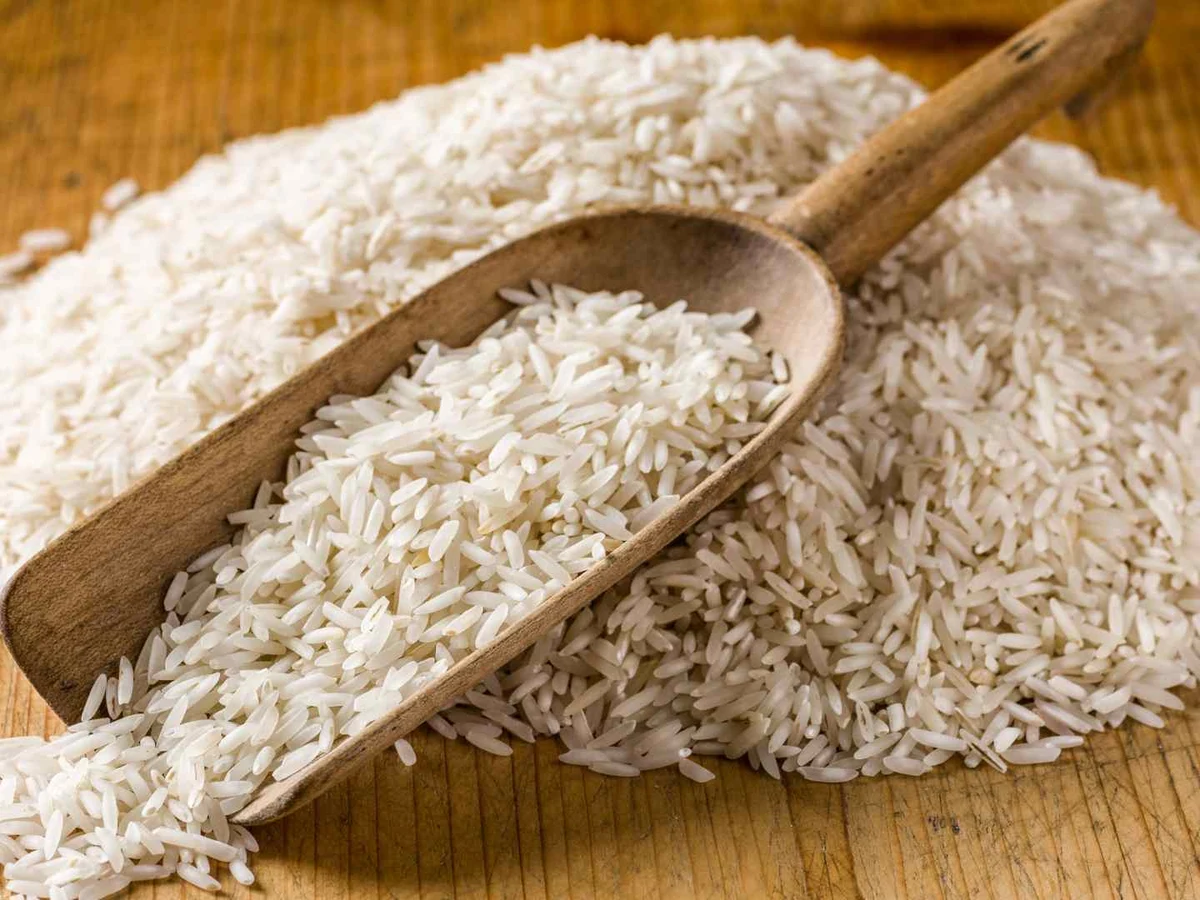
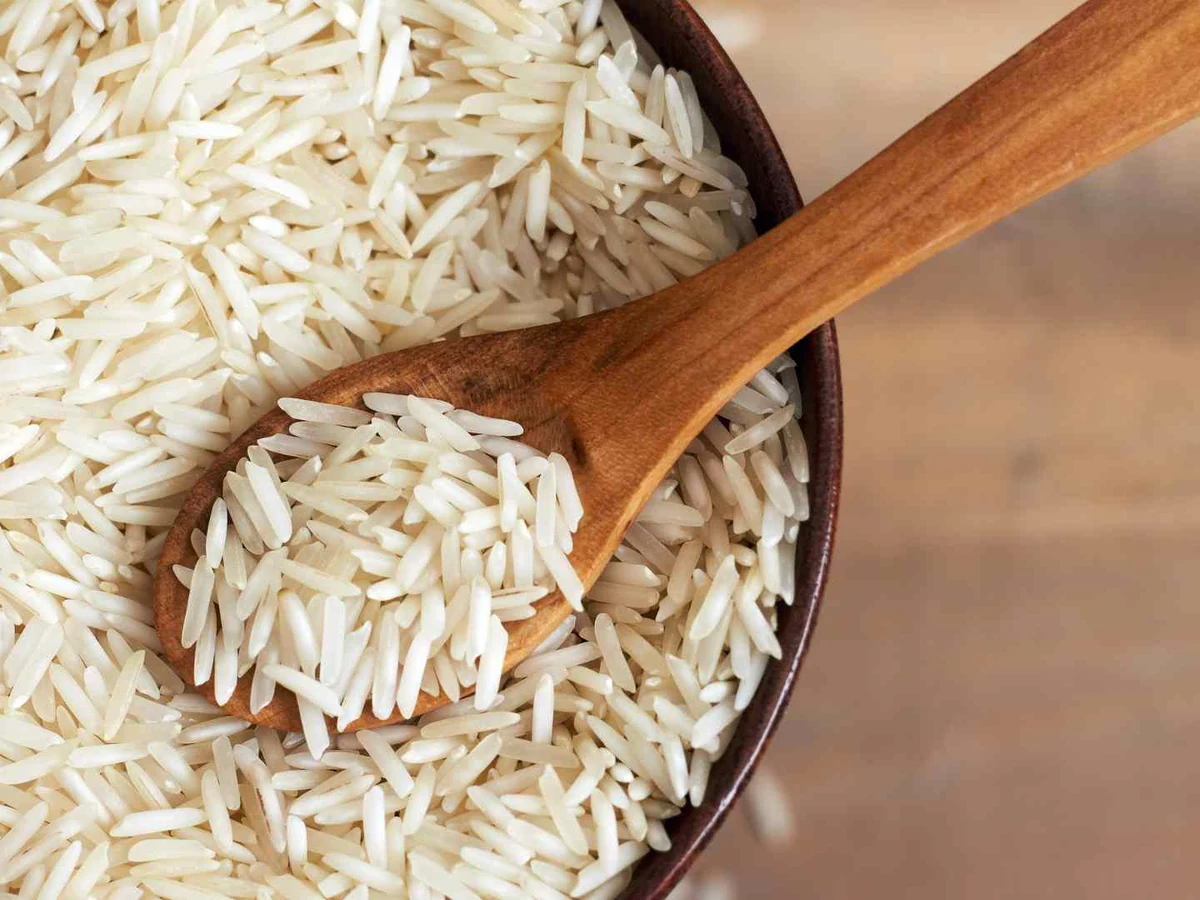
Basmati is a long-grain aromatic rice traditionally associated with South Asia. Its fragrance and texture differ from other varieties, but these culinary qualities do not create a special feline benefit.
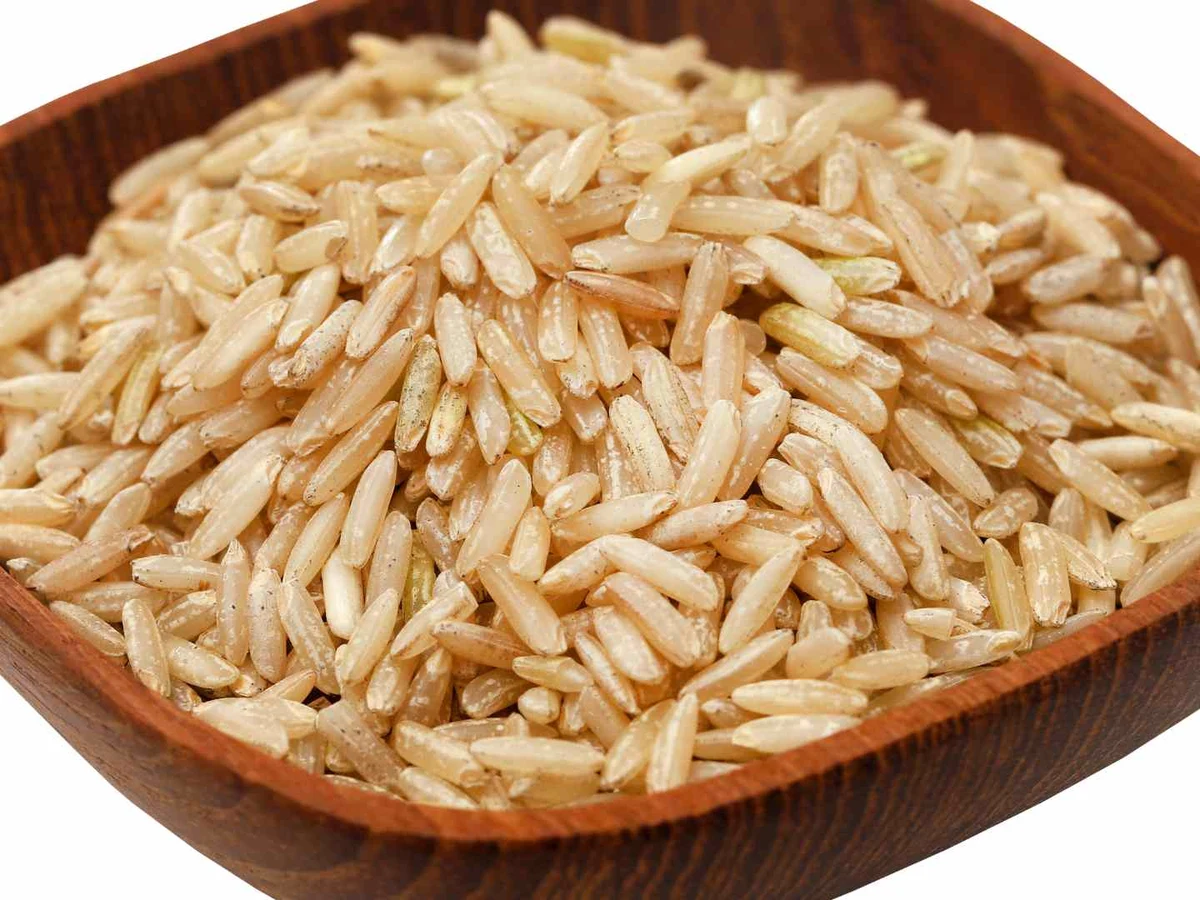
White basmati has the bran and germ removed, while brown basmati retains them. Neither version supplies the complete animal-derived nutrient pattern cats require.
Cats remain obligate carnivores
The Merck Veterinary Manual nutrition chapter explains feline requirements for taurine, arachidonic acid, preformed vitamin A, and other nutrients. Plain rice cannot replace meat-based complete food or balance an improvised homemade diet.
Rice can appear in commercial cat food as part of a professionally formulated recipe. The nutritional adequacy of the finished product matters more than judging one ingredient in isolation.
A cat-sized portion is tiny
One level teaspoon of soft cooked rice is a cautious maximum for an occasional approved taste. A human side portion is excessive and may displace the protein-rich complete meal.
Treat calories accumulate alongside pill pockets, table tastes, and training rewards. Measure before approaching the cat, since bargaining beside a fragrant pot rarely produces a smaller scoop.
Cook the grain fully in water
Rinse according to the package, cook until tender, and serve only after it has cooled throughout. Dry or undercooked rice is hard, expands with moisture, and can be awkward to swallow.
Do not offer crunchy grains from the floor as toys. A cat that repeatedly seeks dry pantry staples may need environmental enrichment or evaluation for pica.
Brown basmati has more fiber, not automatic superiority
Retained bran changes fiber, texture, fat, and micronutrients, yet a cat receives only a token serving. Extra fiber may cause gas or stool changes in an animal accustomed to a controlled diet.
Cats with bowel disease should not be used to compare rice varieties at home. Ask whether either fits the existing therapeutic plan.
Onion and garlic are common recipe hazards
Pilaf, biryani, curry, stock, seasoning packets, and restaurant rice often contain onion or garlic in fresh, cooked, dried, or powdered forms. Their presence can be invisible after simmering.
The Merck Veterinary Manual Allium review describes oxidative red-cell damage and cats’ heightened susceptibility. Weakness, rapid breathing, pale or yellow gums, and dark urine may be delayed, so call from the recipe rather than symptoms alone.
Salt, butter, ghee, and oil
Restaurant rice may be sautéed in butter, ghee, or oil and cooked in salty stock. These additions raise calorie density and can trigger vomiting or diarrhea without making the grain more nutritious for a cat.
A kidney, heart, urinary, pancreatic, or weight-management patient needs a lower tolerance for unmeasured table food. Plain does not mean “only the visible toppings were removed.”
Biryani is a mixed-dish investigation
Biryani can include onion, garlic, chili, raisins, nuts, yogurt, bones, rich fat, and whole spices such as cloves or cardamom pods. Takeaway containers may add foil, sharp lids, skewers, and elastic bands.
Our guides to onions, garlic, Greek yogurt, and pistachios help separate components. Keep the restaurant description and ingredient list.
Curry and spicy rice
Curry is not one ingredient; recipes can combine Alliums, chili, coconut milk, dairy, salt, oil, tomato, stock, and many spices. Capsaicin may cause drooling, mouth discomfort, vomiting, or diarrhea.
Do not offer milk to extinguish spice or add another home remedy. Wipe residue from fur, provide access to water, and seek advice for persistent pain or gastrointestinal signs.
Rice pudding is dessert
Basmati pudding may contain milk, cream, sugar, raisins, nuts, cardamom, saffron, or sweeteners. Many adult cats digest lactose poorly, and the finished dish is far richer than plain rice.
Evaluate the recipe rather than rinsing off one spoonful. A sticky serving can also mat fur and encourage additional ingestion during grooming.
Cooked-rice storage is important
Cook only what can be cooled and refrigerated promptly, divide deep batches into shallow containers, and follow trustworthy storage guidance. Cooked rice can support bacterial growth when held warm or at room temperature too long.
Reheating does not reliably reverse every toxin formed during poor storage. Discard questionable leftovers and mention the time-temperature history if vomiting or diarrhea follows a raid.
Microwave pouches and steam burns
Ready-rice pouches may include oil, salt, broth, flavor, and seasoning, while tear strips and plastic corners can be swallowed. Steam escaping from a hot pouch can burn the face or mouth.
Open products away from the cat, stir, and test temperature before any approved taste. Drooling, mouth pawing, sudden food refusal, or visible oral redness after hot rice needs examination.
Rice and diabetes
Cooked rice is starch-rich and can complicate a diabetic feeding and insulin plan. Do not use it as a routine treat or as an improvised response to suspected low blood sugar unless the veterinary team’s written instructions say so.
Weakness, tremors, confusion, seizures, or unresponsiveness in a diabetic cat is urgent. Follow the established emergency protocol while contacting veterinary care.
Rice is not a complete bland diet
A vomiting or diarrheic cat needs the cause, hydration, age, and medical history considered. Rice alone lacks adequate protein and essential nutrients for recovery.
Do not withhold normal food for extended periods or feed rice-heavy homemade meals without veterinary direction. Cats can develop serious consequences after sustained inadequate calorie intake.
Complete food remains the baseline
The FDA pet-food label guide explains nutritional adequacy statements. Choose a staple appropriate to species and life stage, then treat rice as an optional measured extra.
Cornell’s cat-feeding guidance similarly centers complete food and keeps treats limited. A few pieces of the regular kibble make a simpler reward than opening a rice pouch.
Arsenic questions need proportion
Rice can contain inorganic arsenic from soil and water, with levels varying by origin and processing. This is a long-term dietary exposure topic, not a reason to treat one teaspoon of cooked rice as an acute poisoning emergency.
Cats eating a complete commercial diet should have that finished food evaluated as a whole. Do not design a homemade rotation of grains to manage contaminants without veterinary nutrition expertise.
Rinsing and cooking methods
Follow package directions and public-health guidance rather than internet detox rituals. Rinsing can change surface starch and some nutrients, while cooking method affects texture and water content.
Never add salt, stock, onion, garlic, or butter to a portion intended for a cat. Set aside the tiny plain piece before seasoning the family pot.
Fried rice adds several hazards
Fried rice often includes onion, garlic, soy sauce, oil, egg, meat, peas, and sometimes chili. Takeaway versions may be much saltier and richer than expected.
Raw or undercooked egg and meat introduce food-safety concerns, while bones or shell fragments add physical risk. Save the recipe rather than describing the dish as plain rice.
Rice cakes and crackers are different
Puffed cakes can be hard, dry, salted, flavored, chocolate-coated, or sweetened. Their crumbly texture creates choking dust without delivering a useful feline nutrient.
Packaging, clips, and seasoning deserve attention after a bag raid. Use a cat treat designed for the animal’s mouth instead of breaking a human rice cake by eye.
Food allergy assumptions
Rice is sometimes included in veterinary elimination diets, but that does not make it universally hypoallergenic. A strict trial depends on the exact prescribed food and complete avoidance of unapproved extras.
Do not add home-cooked basmati during a diet trial unless the supervising veterinarian approves it. One casual spoon can make weeks of skin or bowel observations harder to interpret.
Preventing cooker and takeaway raids
Keep rice cookers away from counter edges, route cords securely, and close takeaway cartons before leaving the room. Put foil, rubber bands, condiment packets, and skewers into a secured bin.
Serve the cat’s meal before unpacking fragrant food and provide a perch outside the workspace. Kitchen management is more dependable than hoping aroma will inspire restraint.
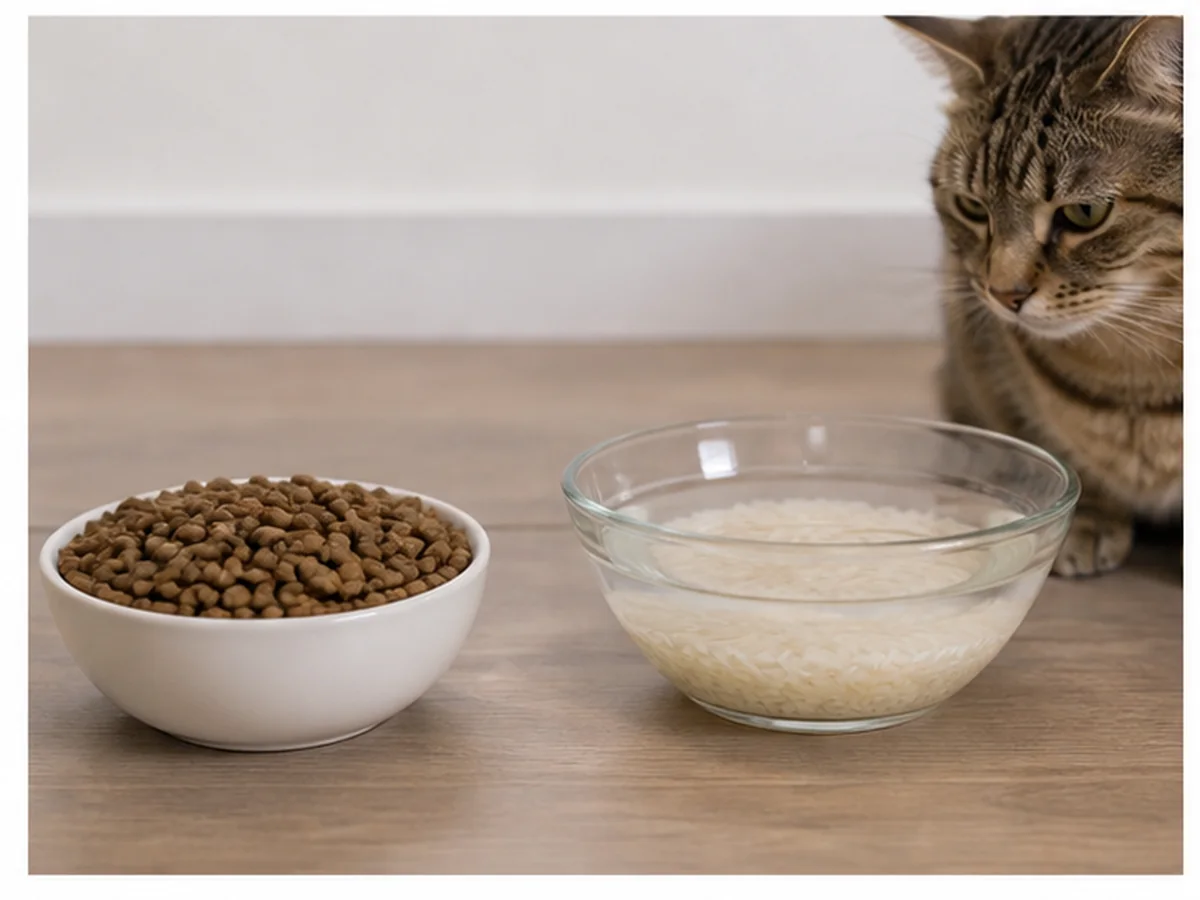
Rice water is not a balanced drink
The cloudy cooking liquid contains starch but does not deliver a complete feline nutrient profile. It may also carry salt, broth, onion, garlic, oil, or heat from the pot.
Do not substitute rice water for fresh drinking water or use it as an unmeasured diarrhea remedy. Hydration plans should match the cause of illness and the cat’s electrolyte needs.
Saffron color does not identify saffron content
Yellow restaurant rice may use saffron, turmeric, annatto, food coloring, seasoning powder, or a mixture. Appearance cannot reveal the recipe or concentration.
Save the menu and contact the restaurant when an exposure involves an unknown seasoned dish. Accurate ingredients matter more than guessing from the grain’s color.
Frequently asked questions
Can kittens eat basmati rice?
Kittens should use their small stomach capacity for complete growth food. Rice can displace the protein, energy, vitamins, and minerals they need.
Can cats eat basmati rice every day?
There is no nutritional reason to add it daily unless a veterinary nutrition plan specifically includes it. Routine extras can unbalance intake and add calories.
Is plain rice good for diarrhea?
Not automatically. Diarrhea has many causes, and a rice-only approach can delay diagnosis while failing to meet feline nutrition needs.
The bottom line
A teaspoon of cooled basmati cooked only in water is usually low risk for a healthy adult, but cats do not need it. Seasoning, rich mixed dishes, improper storage, hot steam, medical diets, and missing packaging determine when veterinary advice is warranted.