Can Dogs Eat Flaxseed? Whole, Ground, and Oil
Dogs can eat flaxseed as an ingredient in a complete food, but most do not need an extra scoop. Whole seeds, ground meal, oil, capsules, and baked products behave differently, so use the exact form and label when deciding whether a small taste is harmless or a supplement spill needs veterinary advice.
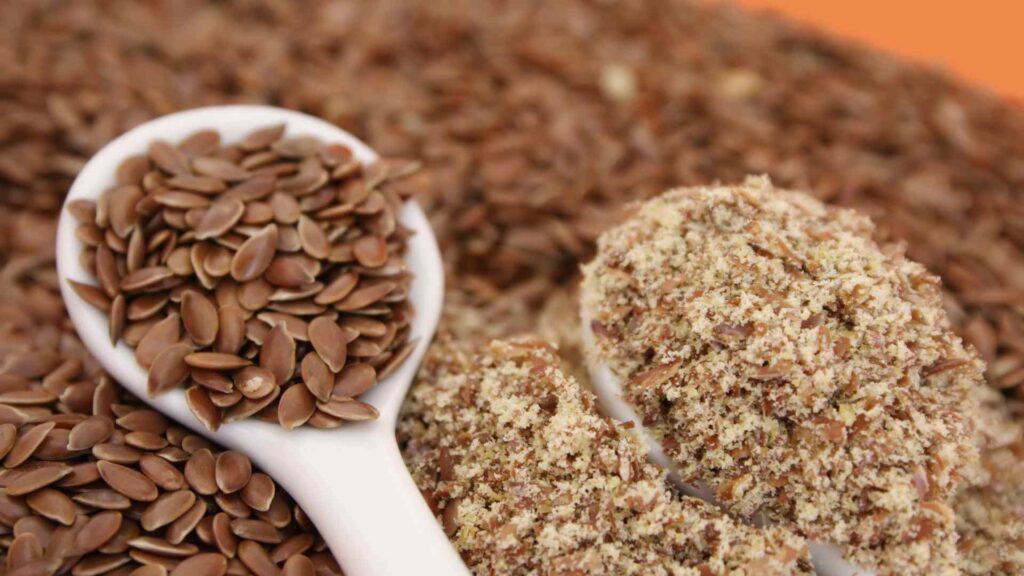
First, identify the form
Whole brown or golden seeds include the fiber-rich outer layer and oily interior. Ground flaxseed, also called flax meal, exposes more surface area and spoils faster, while flaxseed oil supplies fat without the seed’s fiber.
A capsule may contain plain oil, a concentrated blend, flavoring, vitamins, herbs, or other oils. Breads, cereal, granola, smoothies, and treats can add raisins, chocolate, xylitol, macadamias, raw dough, salt, or substantial sugar.
Flaxseed is not inherently a poison
Flaxseed is used in some commercial dog foods and has been studied in canine diets. That does not prove that any household dose, oil blend, or supplement is appropriate for every dog.
The Merck Veterinary Manual identifies flaxseed oil as a dietary source of alpha-linolenic acid, while also noting that essential fatty-acid deficiency is extremely rare in dogs eating properly preserved complete and balanced food.
Whole seeds
A few plain whole seeds scattered on the floor are usually a minor exposure for a comfortable healthy dog. Many may pass with limited breakdown, so they are a poor reason to chase a claimed nutrient benefit.
A dry mouthful is different from a few seeds because loose material can be inhaled, coughed, or gulped. Call for persistent coughing, gagging, breathing difficulty, repeated vomiting, or a large quantity swallowed by a small dog.
Ground flaxseed
Ground flax mixes with moisture and adds a concentrated load of fiber and calories. Too much can cause gas, loose stool, abdominal discomfort, or vomiting, especially when introduced suddenly.
Do not use a universal teaspoon table from the internet. The amount that fits one diet depends on total calories, fiber, fat, health conditions, other supplements, and the goal the veterinarian is trying to achieve.
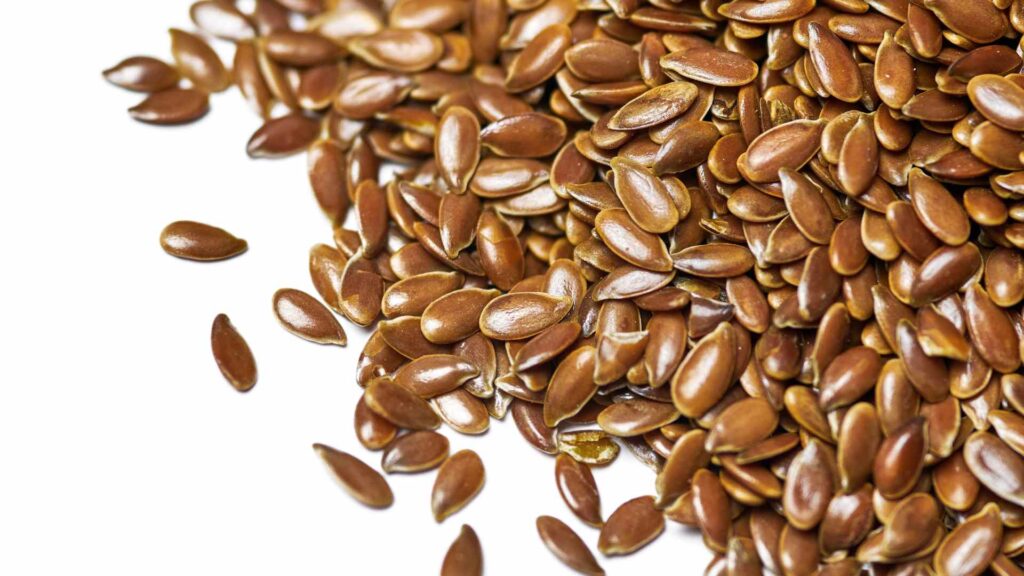
Flaxseed oil is mostly fat
Oil does not provide the same fiber as seed meal, and a tablespoon is much more calorie-dense than a sprinkle of whole seeds. A tipped bottle can therefore produce a sizable fat and calorie exposure quickly.
Dogs with prior pancreatitis, high blood triglycerides, a prescribed low-fat diet, chronic intestinal disease, diabetes, or weight concerns need individualized advice before flax oil is added. Our sunflower oil guide explains the same practical difference between a tiny culinary film and drinking oil.
What research actually shows
A small study of 18 healthy dogs found temporary coat-score changes after flaxseed or sunflower-seed supplementation, but the improvement was not sustained beyond 28 days. Read the canine flaxseed study abstract on PubMed before turning a limited result into a promise.
Another canine comparison found fish and krill sources increased the measured omega-3 index, while flaxseed cake did not significantly change it during the study. The published comparison of flaxseed, fish, and krill is a useful reminder that ALA from plants is not interchangeable with preformed EPA and DHA.
No coat, joint, or immune miracle
Do not promise that a pantry seed will cure itching, arthritis, inflammation, kidney disease, heart disease, or cancer. A dull coat and itchy skin can reflect parasites, infection, allergy, endocrine disease, nutritional imbalance, or other problems that need diagnosis.
Our fish guide separates safe preparation from medical omega-3 claims. If a veterinarian recommends a fatty-acid product, use the specified product and dose rather than swapping oils by spoonful.
No constipation or diarrhea prescription
Fiber can change stool, but flaxseed is not a universal fix for either constipation or diarrhea. Obstruction, dehydration, pain, parasites, dietary indiscretion, medication, and systemic illness can create similar signs.
Call if a dog strains without producing stool, passes blood, vomits repeatedly, has a swollen or painful abdomen, becomes weak, or cannot keep water down. Adding more dry fiber can delay care and may worsen some cases.
Calories and diet displacement
Seeds and oil are calorie-dense, so repeated “healthy” sprinkles can quietly compete with the balanced ration. The UC Davis School of Veterinary Medicine recommends keeping treats and extra foods below 10 percent of daily calories.
That allowance includes training treats, table scraps, chews, toppers, supplements that provide calories, and baked snacks. It is not ten percent for each category.
Medicines and medical conditions
Tell the veterinarian about anticoagulants, blood-pressure drugs, insulin, other diabetes treatment, surgery plans, pregnancy, kidney or liver disease, and every supplement before starting concentrated flax oil. Evidence and product composition vary, so caution should be tailored rather than converted into blanket bans.
Do not stop medication, change insulin, or delay surgery because of something read on a seed label. Bring the bottle, ingredient panel, amount, and intended use to the veterinary discussion.
Human supplements are not simple food
Softgels and gummies may combine flax oil with fish oil, vitamins A or D, minerals, herbs, melatonin, caffeine, or sweeteners. A dog that eats a bottle has swallowed both active ingredients and capsules, and may also take the desiccant or lid liner.
The FDA explains that products for animals are regulated as food or drugs based partly on composition and intended use. Marketing language such as natural, veterinary strength, or wellness support does not replace evidence or individualized dosing.
Baked goods and breakfast foods
Flax bread may contain raisins, onion, garlic, xylitol, nuts, chocolate, or excessive salt, while raw yeast dough can expand and produce alcohol. Granola may include grapes, macadamias, coffee, or candy.
Check the entire recipe and count missing wrappers or liners. Our oats guide covers another plain ingredient that becomes a different decision once sweeteners and mix-ins arrive.
Peanut butter and seed crackers
Flaxseed crackers may be salty, sharp, and dry, while peanut-butter treats need a repeated xylitol label check. Do not assume a homemade or gluten-free label means dog-safe.
A small plain cracker crumb is usually an observation issue, but a bag raid adds sodium, calories, packaging, and possible co-ingredients. Save the ingredient and Nutrition Facts panels.
Rancidity matters
Ground seed and oil can oxidize because their fats are exposed to air, light, and heat. Follow the manufacturer’s storage directions, close containers promptly, and discard a product that smells paint-like, bitter, stale, or otherwise different.
Do not mask rancid oil with food or feed it because the bottle was expensive. Buy a size that can be used within the labeled period and keep it away from the stove, sunny window, and humid storage.
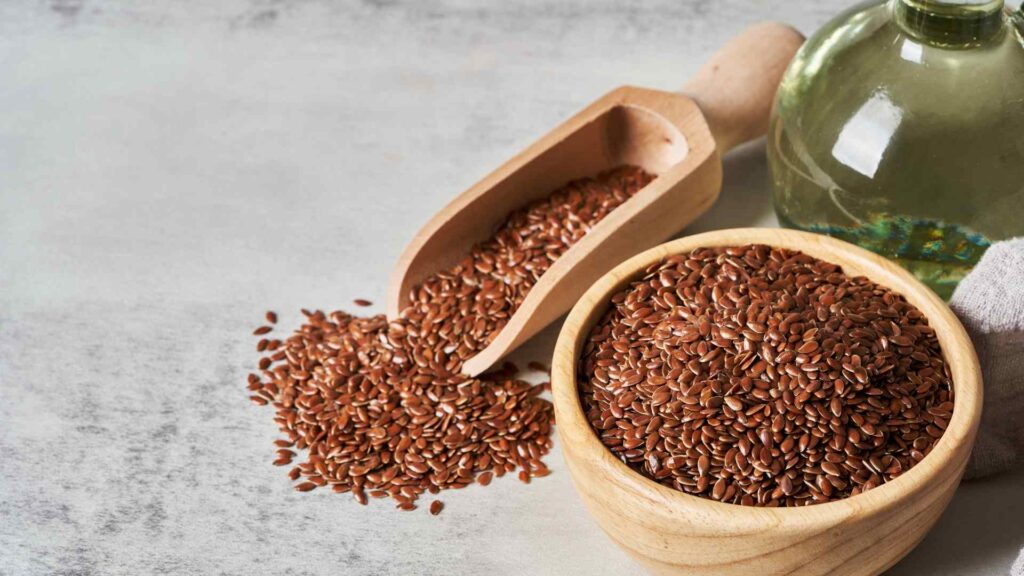
A spill on fur or paws
Oil on the coat encourages licking and can make floors dangerously slick. Blot excess, wash the affected fur with a pet-safe cleanser if needed, prevent continued licking, and clean the floor thoroughly.
Call for coughing or breathing trouble after oil was inhaled or aspirated. Do not pour oil or any liquid into the mouth of a distressed dog.
The pantry bag matters too
A torn seed or meal bag may shed paper, plastic lining, clips, zipper strips, and oxygen absorbers. Count those pieces because a dog can swallow packaging while eating an amount of flax that would otherwise cause only digestive upset.
Store bulk products in a rigid closed container above counter level rather than trusting a folded bag. Label the container so the exact product, lot, and expiration date remain available after a spill.
Cooking does not create a treatment dose
Flaxseed baked into a complete commercial food has been included as part of a formulated recipe. Toasting seed or mixing meal into a homemade dish does not tell you how its calories, fiber, and fatty acids fit the dog’s entire nutrient intake.
If flaxseed is already listed in the regular food, adding more is not automatically better. Bring the food label to the veterinarian before layering a seed, oil, and omega-3 capsule on top of one another.
Dogs with new digestive signs
Stop the new flax product if gas, loose stool, or vomiting begins, but do not assume the seed explains every symptom. Note the timing, amount, other foods, stool appearance, appetite, and energy so the veterinarian can distinguish a simple intolerance from a more urgent illness.
Persistent vomiting, a painful or swollen abdomen, blood, black stool, collapse, breathing trouble, or inability to keep water down is not a wait-and-see reaction. Seek prompt care rather than testing a smaller serving the next day.
What to do after a flaxseed raid
- Remove seeds, meal, oil, capsules, food, containers, and packaging from reach.
- Identify the exact form and every ingredient, then estimate the amount and time.
- Record the dog’s weight, symptoms, diet, medical conditions, medications, and supplements.
- Count capsules, gummies, desiccants, lids, wrappers, and missing pieces of the container.
- Call promptly for a large or uncertain amount, concentrated mixed supplement, serious symptoms, or swallowed packaging.
Do not induce vomiting or give oil, salt, milk, charcoal, extra fiber, or a laxative unless a veterinarian specifically directs it. Different forms and co-ingredients require different decisions.
Bottom line
Flaxseed in a complete commercial diet is different from adding a daily household supplement. A few plain seeds are generally low concern, while ground meal, oil, capsules, mixed foods, rancidity, calories, health conditions, medication, and packaging deserve form-specific attention without miracle claims or invented dose tables.