Can Cats Eat Honey? What a Sweet Lick Really Means
Plain honey is not considered a routine poison for cats, and one small lick is usually a monitoring situation rather than a crisis. It is still concentrated sugar with no useful role in a balanced feline diet, while flavored honey, baked goods, packets, glass, and bee products can change the risk.
First, identify what the cat actually licked
Move the jar, spoon, pastry, or packet out of reach and read every ingredient. Note the amount, time, product name, whether packaging is missing, and whether the cat has diabetes, digestive disease, dental trouble, or a prescribed diet.
- A smear of plain honey: wipe sticky fur or paws with a damp cloth, offer water, and observe.
- A large amount or repeated vomiting: call your veterinarian for advice tailored to the cat.
- Honey mixed with chocolate, coffee, alcohol, raisins, onion, garlic, cannabis, medicine, or an unknown sweetener: call promptly.
- Trouble breathing, collapse, tremors, seizures, or severe weakness: seek emergency care now.
Do not make the cat vomit or force food, oil, milk, or water. If fur is coated, prevent grooming while you gently remove the residue, since the cat can swallow far more during cleanup than during the original taste.
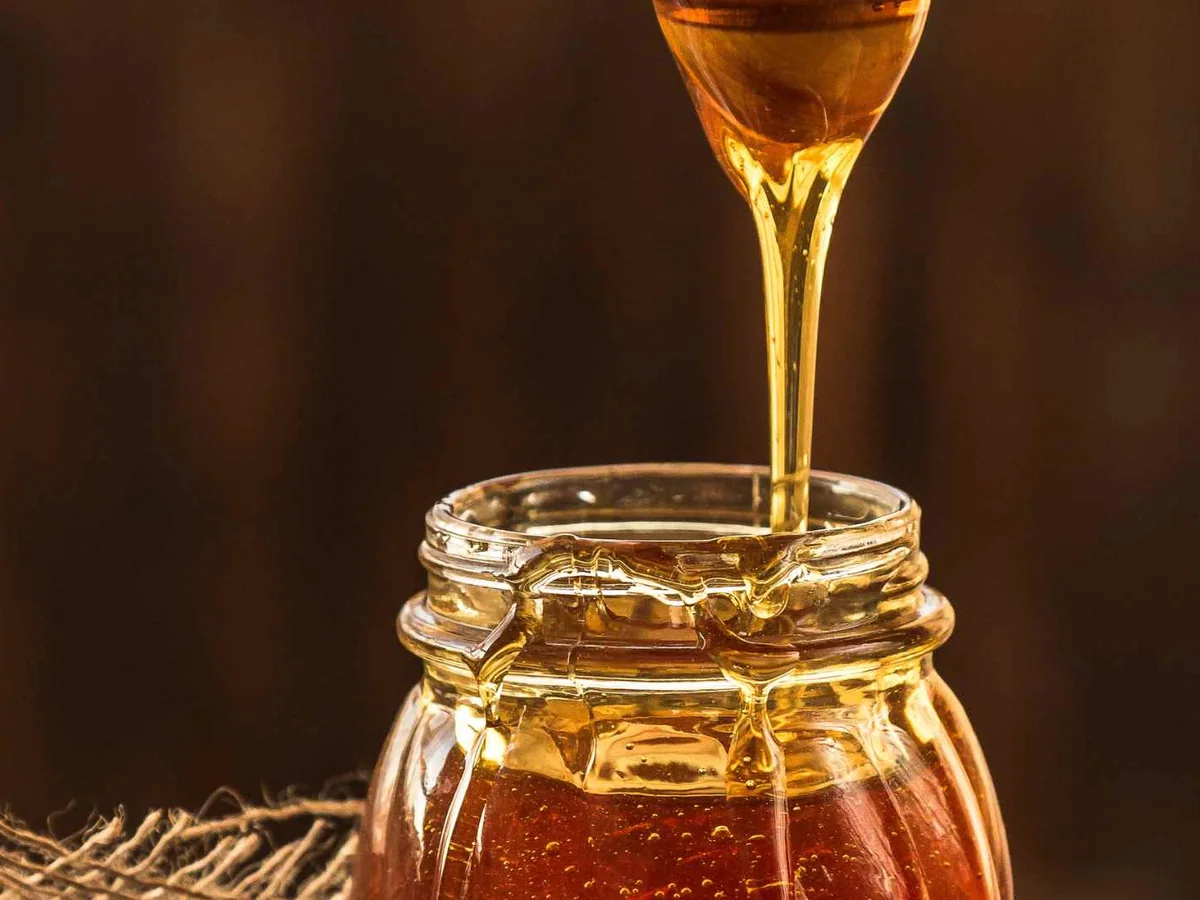
Why honey is a poor cat treat
Honey is mostly simple carbohydrate and water, with small amounts of other compounds that do not turn it into feline nutrition. Cats are obligate carnivores, so their core needs are met by correctly formulated animal-based food rather than spoonfuls from the tea tray.
The Merck Veterinary Manual’s feline nutrition overview describes cats’ distinctive needs for nutrients such as taurine, arachidonic acid, and preformed vitamin A. Honey supplies sweetness, not that carefully balanced package.
A teaspoon looks modest to a person but is an outsized extra for a small animal. Repeated servings can displace balanced food, add calories, and reinforce a determined habit of visiting cups, counters, and breakfast plates.
Cats do not need a sugar tasting menu
Cats have different sweet-taste biology from people, so a cat investigating honey may be responding to smell, texture, fat from another ingredient, or simple curiosity. Interest does not prove a nutritional need or make the food a sensible reward.
If your cat keeps seeking human food, look at meal timing, enrichment, portion size, and any change in appetite or body weight. A suddenly ravenous cat deserves a veterinary conversation, especially if thirst, urination, vomiting, or weight loss has also changed.
Diabetes, weight concerns, and therapeutic diets
Do not intentionally give honey to a cat with diabetes unless the treating veterinarian has supplied a specific emergency instruction. Diabetes treatment depends on coordinated food and insulin plans, and improvising with sugar can complicate that plan.
Honey is also an awkward choice for cats on weight-loss, kidney, urinary, gastrointestinal, or allergy trials. The issue is not that one molecule of honey cancels treatment, but that unmeasured extras make a controlled diet less controlled.
Cornell’s cat-feeding guidance recommends choosing complete, balanced food for the appropriate life stage and limiting extras. If a treat is wanted, a measured piece of the normal ration is wonderfully unglamorous and reliably suitable.
Sticky texture creates its own problems
Honey can mat long fur, coat paw pads, glue debris to whiskers, and prompt frantic grooming. Use lukewarm water on a soft cloth, work slowly, and avoid essential oils, solvents, or fragranced cleaners on the coat.
A blob can also make dry food, pills, plastic, foil, or plant material cling together. Check what was under and around the spill instead of assuming the only swallowed item was honey.
Honey in tea, cough products, and supplements
A honey-sweetened drink may contain caffeine, chocolate, alcohol, citrus oils, concentrated herbal extracts, or hot liquid. A cough drop or syrup may contain medications and sweeteners that deserve product-specific advice, so keep the package.
“Natural” does not mean formulated for cats, and multi-ingredient wellness products are especially hard to assess from the front label. Ask a veterinarian before giving honey, propolis, royal jelly, pollen, or herbal honey blends for coughing, wounds, allergies, or immune support.
What about xylitol in sugar-free products?
Xylitol causes a well-established, potentially fatal poisoning syndrome in dogs, while the evidence and clinical pattern are not the same in cats. That uncertainty is not permission to feed a cat sugar-free syrup, candy, baked goods, gum, or supplements.
The FDA xylitol warning explains the dog hazard and lists products where the sweetener may appear. If a cat eats an xylitol product, call with the label because other ingredients and the swallowed packaging may be important.
Raw honey, pasteurized honey, and botulism claims
Do not use raw honey as a health supplement for a kitten, sick cat, or immunocompromised cat. Claims borrowed from human infant guidance or internet discussions do not provide a reliable feline dose, benefit, or safety guarantee.
Pasteurization may alter microbes and texture, but it does not remove the central dietary issue: honey remains concentrated sugar. A boutique label, local hive, darker color, or higher price does not make it complete cat food.
Manuka honey is not a home wound-care shortcut
Medical-grade honey dressings are manufactured and used in controlled clinical contexts; the breakfast jar is not an interchangeable product. A cat licking a wound also introduces trauma and contamination, so unexplained sores need veterinary assessment.
Do not spread culinary honey on burns, abscesses, surgical incisions, mouth ulcers, or irritated skin. A cone, prescribed dressing, pain control, drainage, or antibiotics may be needed, and sweetness can encourage relentless licking.
Honey baked into foods
Granola, cereal bars, pastries, glazed meats, yogurt cups, and sauces add more variables than the honey itself. Chocolate, raisins, macadamia nuts, coffee, alcohol, onion, garlic, high fat, salt, and wrappers should all be checked.
Our guides to Greek yogurt, peanut butter, marshmallows, and fruit can help separate the components. Use the exact recipe rather than guessing from a bakery name.
Kittens and senior cats
Kittens have tiny stomachs and need nutrient-dense growth food, so honey can crowd out what they actually need. Their small mouths also make sticky blobs and bits of wrapper proportionally more troublesome.
Senior cats are more likely to have dental disease, weight loss, kidney disease, diabetes, or prescribed diets that change the advice. Ask before using honey to tempt appetite, because appetite loss itself may require prompt investigation.
Safer rewards for a honey-interested cat
Offer part of the usual wet food, a measured commercial cat treat, or a pea-sized piece of plain fully cooked meat approved for that cat. Food puzzles, brushing, a paper bag with handles removed, and a short wand-toy session reward without adding sugar.
The FDA explanation of complete and balanced pet food is a useful label-reading primer. Choose a staple carrying an appropriate nutritional adequacy statement, then keep treats genuinely small.
Honey and medicine do not mix casually
Do not coat a pill in honey unless the prescribing veterinarian approves both the food and the method. Some tablets should not be crushed, split, or chewed, and sticky medicine can be smeared onto fur instead of swallowed.
If a cat spits out a honey-covered dose, do not automatically repeat it because part may already have been consumed. Call the clinic or pharmacy with the drug name, strength, and what remains so the next dose is handled safely.
Bees, comb, wax, and hive debris
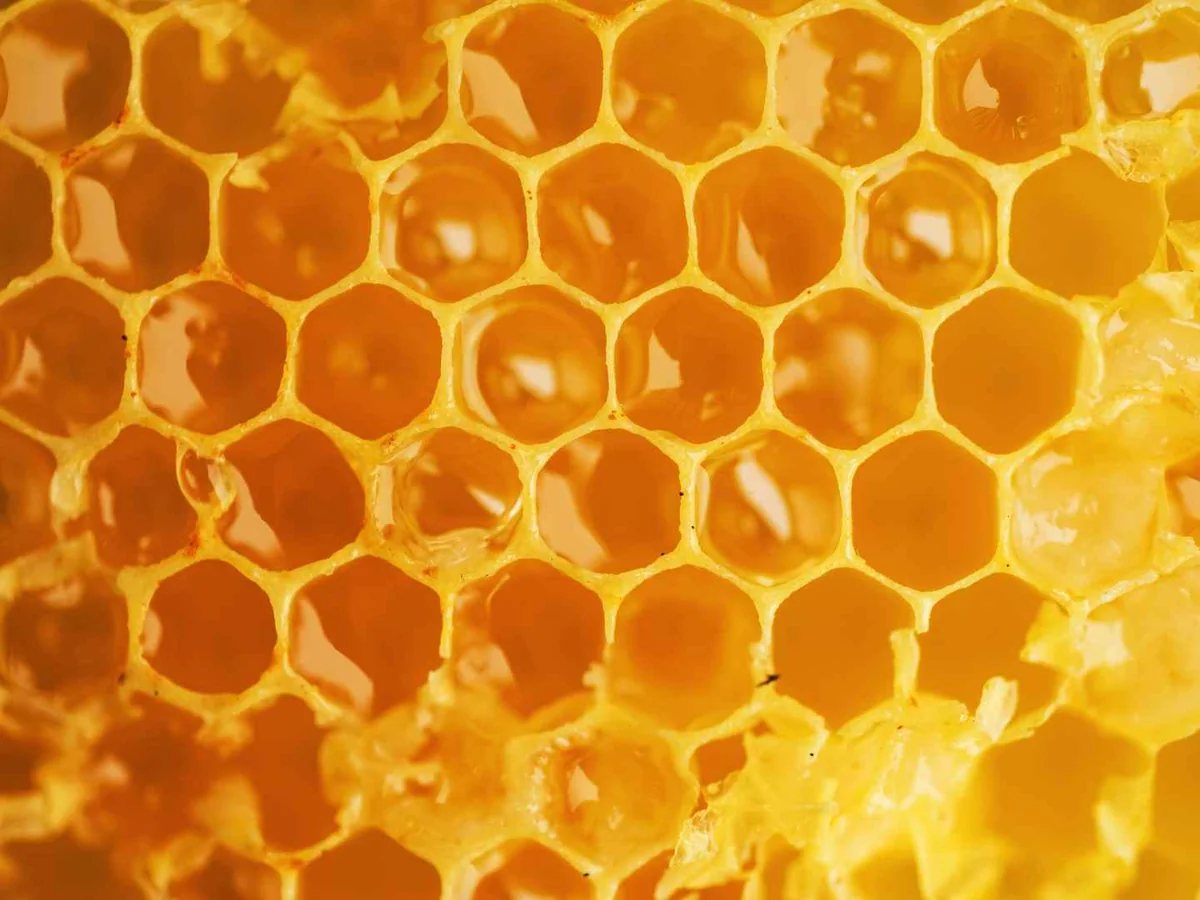
Honeycomb adds wax and chewy structure but no nutritional reason to share it. A small wax nibble may pass uneventfully, while a larger piece can cause vomiting, diarrhea, choking, or obstruction.
A live bee or wasp near a honey spill creates a more urgent problem than the sweetener. Facial swelling, repeated pawing at the mouth, vomiting, collapse, or breathing difficulty after a possible sting requires immediate veterinary care.
How to monitor without guessing
Write down the exposure time and check the cat periodically for normal breathing, walking, appetite, water intake, and litter-box use. A simple note prevents household members from offering conflicting estimates when the clinic calls back.
Mild loose stool after a tiny plain taste may settle, but repeated vomiting, pain, marked lethargy, dehydration, or refusal of food should not be attributed to “just sugar.” Cats can hide illness, and the timing may be coincidence.
Why honey is not an appetite treatment
A cat that refuses food needs the cause addressed, not merely a sweeter topping. Dental pain, nausea, kidney disease, infection, stress, medication effects, and many other problems can reduce appetite.
Call promptly when an adult cat eats nothing for a day, and sooner for a kitten, diabetic cat, or visibly ill cat. The veterinarian can recommend an appropriate recovery food, appetite strategy, and urgency based on the whole picture.

A tidy storage routine
Wipe jar threads and bottle caps so they do not attract licking, and store squeeze bottles upright behind a closed door. Put single-serve packets and sticky takeout rubbish directly into a lidded bin.
Check mugs and spoons before leaving the room, particularly if tea contains other ingredients. The cat may regard an unattended breakfast as community property, but the ingredient list disagrees.
Frequently asked questions
Can honey soothe a cat’s cough?
Do not treat a feline cough at home with honey. Coughing can involve asthma, infection, parasites, heart disease, inhaled material, or other causes that need the right diagnosis.
Can cats eat honey every day?
No good dietary reason supports a daily serving. Repeated sugar calories and displacement of balanced food outweigh any plausible benefit.
My cat licked a honey packet. What matters most?
Check whether any plastic, foil, or cap is missing, then read the complete ingredient list. A lick of plain honey is usually low risk, but a swallowed wrapper or hazardous add-in changes the call.
The bottom line
One lick of plain honey is usually a sticky cleanup job, not a poisoning emergency. Skip intentional servings, investigate mixed products and missing packaging, and call promptly for symptoms, a large amount, or a medically vulnerable cat.