Can Cats Eat Sunflower Seeds? Kernels, Shells, Salt, Butter, and Oil
Sunflower seeds are not needed by cats. A few plain shelled kernels may pass without illness, but striped shells, hard clumps, salt, ranch or barbecue seasoning, chocolate, seed butter, oil, mold, birdseed, freshness packets, allergy, and supplement claims turn a casual snack into several distinct questions.
Kernel versus shell
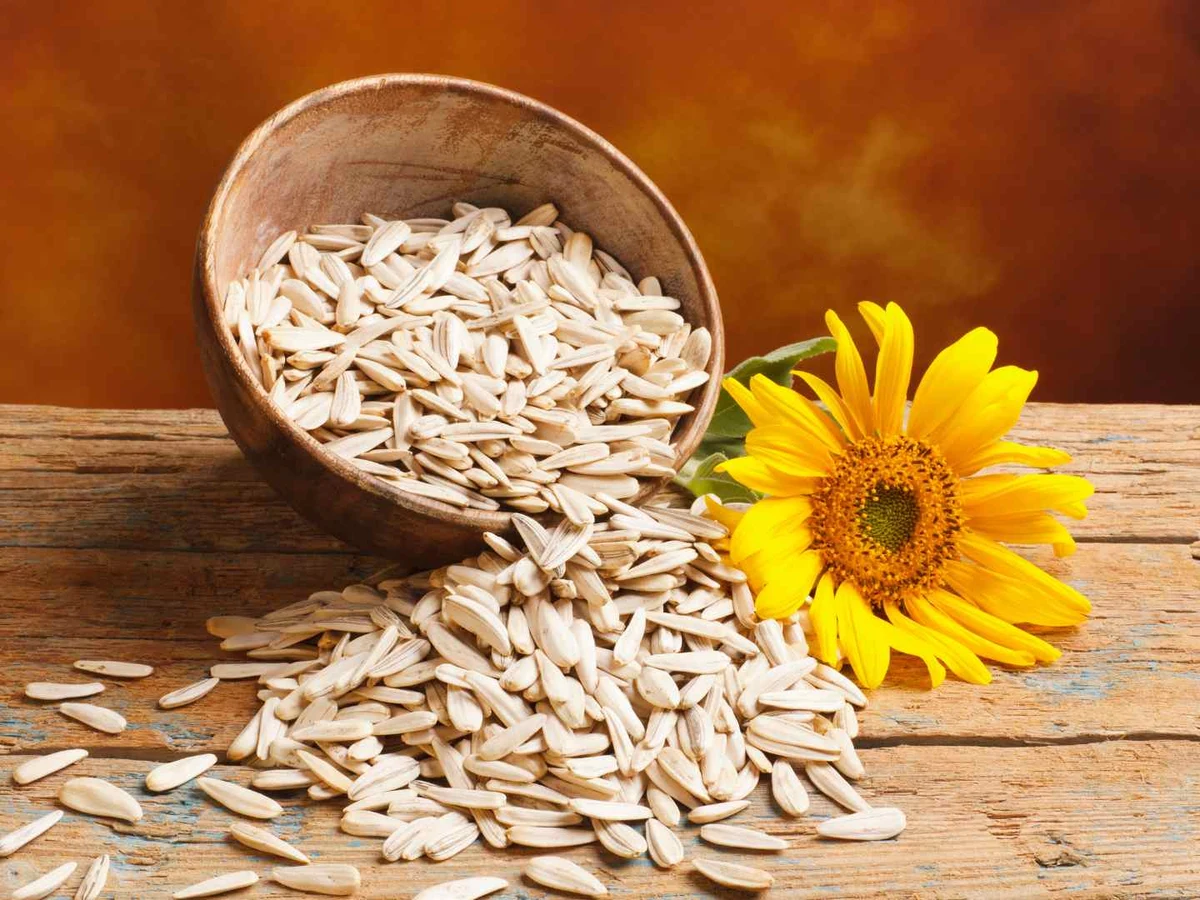
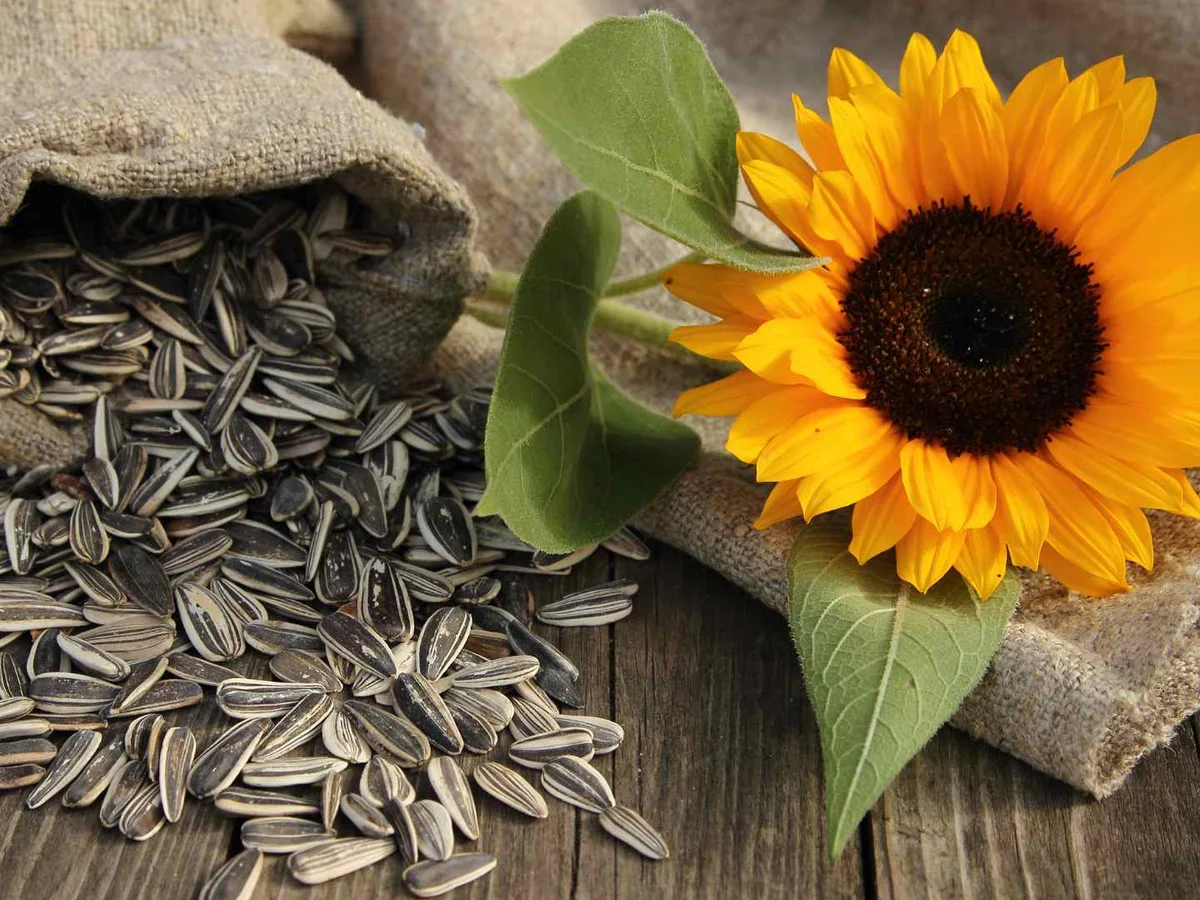
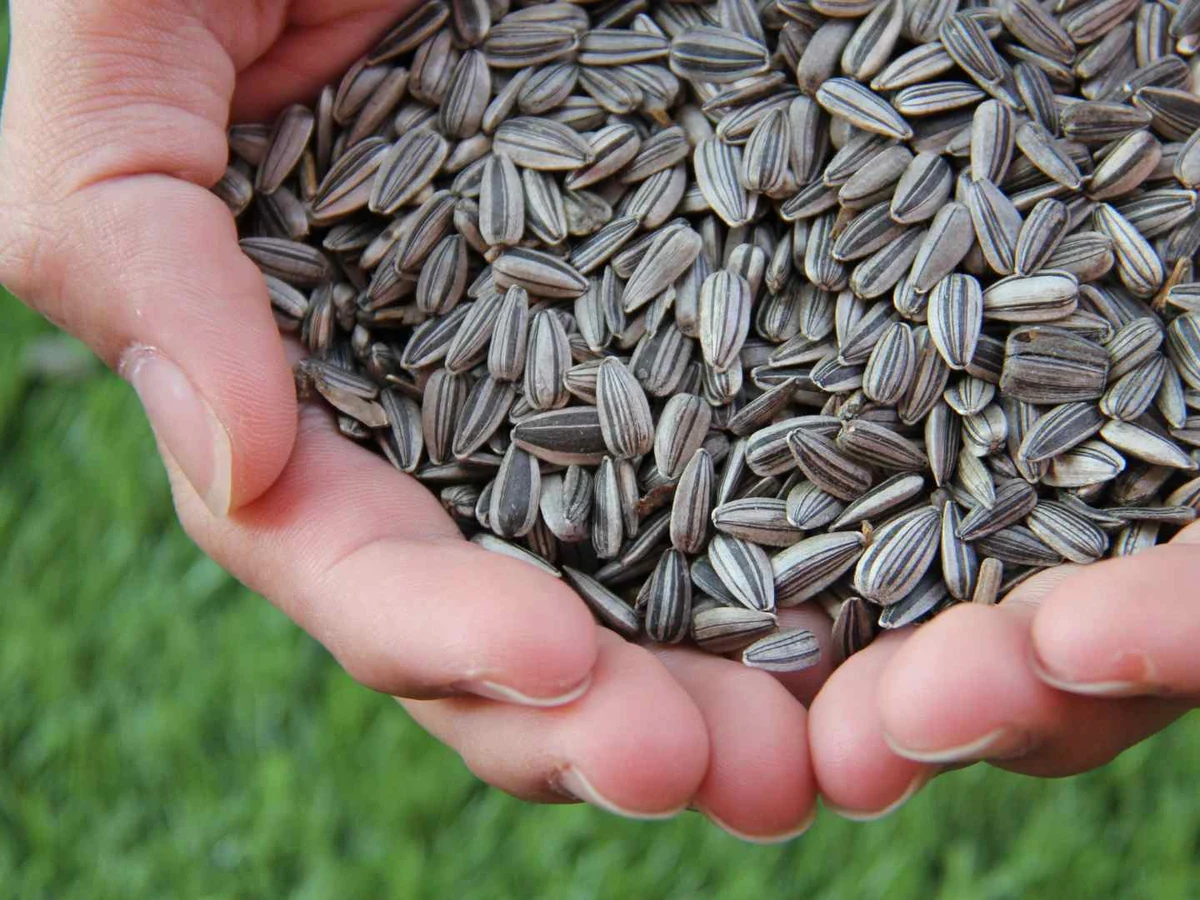
A hulled kernel is softer than a striped shell. For a cat, shells can splinter, choke, lodge, or obstruct.
Never offer shell-on seeds Use the actual label and the cat’s current condition instead of a broad food-category assumption.
Tiny does not mean unlimited
Many kernels can be swallowed rapidly from a spill. That scene changes when fat and calories accumulate in a small cat.
Estimate weight rather than counting a few visible seeds Record what is missing before cleanup makes the estimate harder.
Salted snack bags
Human sunflower snacks may carry heavy surface sodium. This matters for cats because medical diets and large raids have less margin.
Keep water available and call rather than forcing fluids Keep the product, recipe, amount, and time available if veterinary advice is needed.
Seasoning dust
Ranch, barbecue, dill, chili, onion, and garlic coatings vary. The practical concern is Alliums can damage feline red blood cells.
Preserve the ingredient panel after meaningful access A normal first hour does not erase a swallowed object, concentrated ingredient, or delayed sign.
Seed butter
Sunflower butter concentrates many kernels into sticky paste. For a cat, salt, sugar, cocoa, and sweeteners may appear.
Check the jar and prevent large licking sessions Use the actual label and the cat’s current condition instead of a broad food-category assumption.
Oil
Sunflower oil is concentrated fat without a proven feline treatment dose. That scene changes when large licks can cause vomiting or diarrhea.
Do not use it for hairballs, skin, or constipation Record what is missing before cleanup makes the estimate harder.
Birdseed is different
Outdoor mixes can contain unknown seeds, mold, dust, feces, and treatments. This matters for cats because food-grade assumptions do not apply.
Keep feeder debris and storage bins inaccessible Keep the product, recipe, amount, and time available if veterinary advice is needed.
Mold and rancidity
Poorly stored oily seeds can become rancid or moldy. The practical concern is neurologic signs after mold are urgent.
The Merck fungal-poisoning guide supports rapid care for tremors or seizures A normal first hour does not erase a swallowed object, concentrated ingredient, or delayed sign.
Peanut comparison
The cat peanut guide covers another snack seed product. For a cat, shell, butter, mold, and coating details differ.
Use the actual bag Use the actual label and the cat’s current condition instead of a broad food-category assumption.
Almond comparison
The cat almond guide addresses harder kernels and extracts. That scene changes when nut-family shorthand can mislead.
Do not transfer one product verdict Record what is missing before cleanup makes the estimate harder.
Pistachio comparison
The cat pistachio guide highlights shells and salt. This matters for cats because sunflower shells remain their own mechanical hazard.
Count shell fragments carefully Keep the product, recipe, amount, and time available if veterinary advice is needed.
Bakery products
Bread and cookies add dough, chocolate, raisins, and wrappers. The practical concern is the seed may be the least concerning ingredient.
Review the entire recipe A normal first hour does not erase a swallowed object, concentrated ingredient, or delayed sign.
Salads and pesto
Seeds may sit with onion, garlic, cheese, dressing, and skewers. For a cat, rinsing cannot restore a plain kernel.
Set aside nothing after seasoning Use the actual label and the cat’s current condition instead of a broad food-category assumption.
Allergy boundaries
Human seed allergy data do not establish feline prevalence. That scene changes when sudden swelling or breathing trouble remains urgent.
Do not repeat exposure to diagnose at home Record what is missing before cleanup makes the estimate harder.
Supplements
Vitamin E and antioxidant claims do not establish a cat dose. This matters for cats because concentrates can unbalance nutrition.
Use the FDA supplement overview when judging labels Keep the product, recipe, amount, and time available if veterinary advice is needed.
Complete nutrition
The FDA adequacy guide distinguishes treats from diets. The practical concern is kernels cannot complete homemade cat food.
Keep regular meals measured A normal first hour does not erase a swallowed object, concentrated ingredient, or delayed sign.
Packaging
Clips, shells, bags, and oxygen absorbers retain odor. For a cat, swallowed film can obstruct.
Inventory every object Use the actual label and the cat’s current condition instead of a broad food-category assumption.
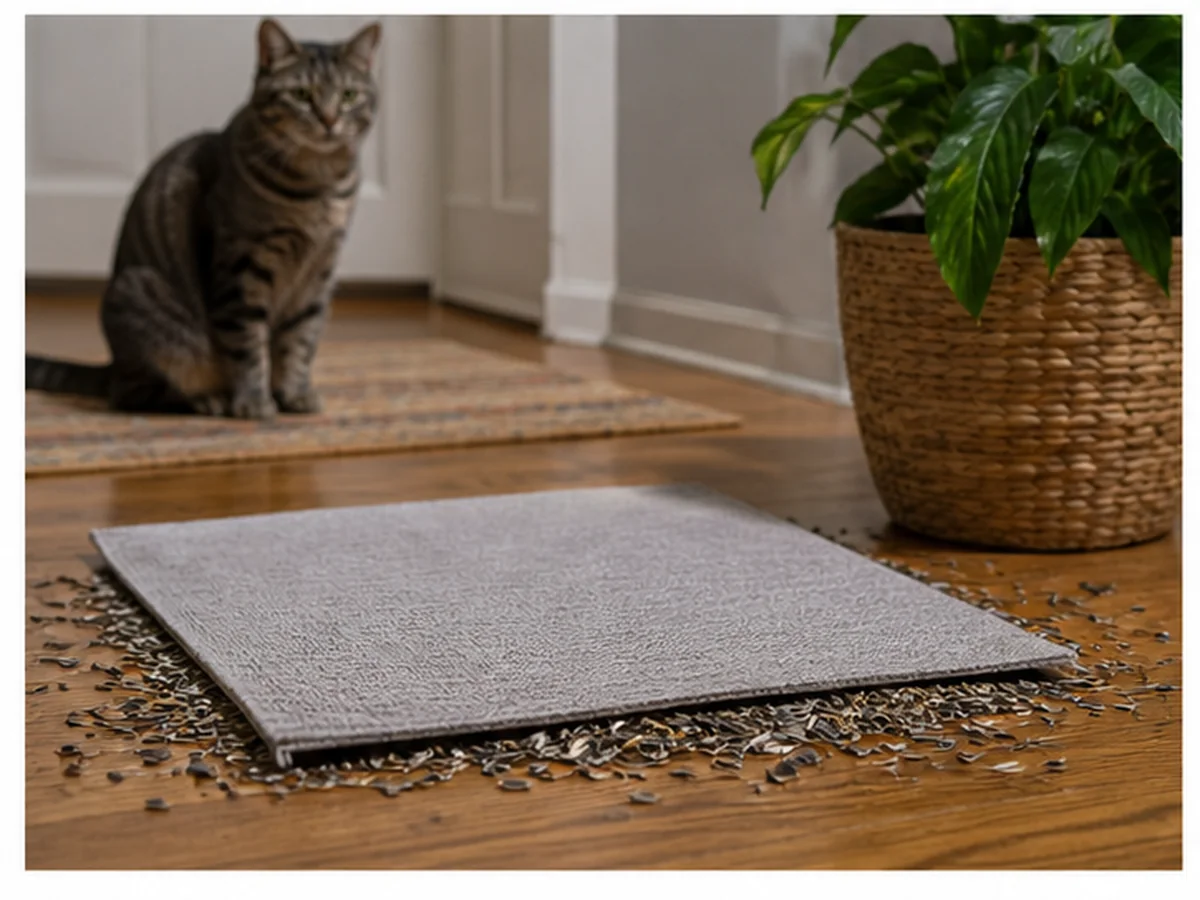
A spill plan
Confine the cat before gathering scattered seeds. That scene changes when sweeping dust toward the face can irritate.
Call for coughing, squinting, vomiting, tremors, or pain Record what is missing before cleanup makes the estimate harder.
Frequently asked questions
Can kittens eat sunflower seeds?
Skip them because growth food is more useful and shells, salt, and packets add risks.
Can cats eat seed butter?
Do not offer it routinely; concentrated calories, sticky texture, salt, sugar, and flavors vary.
Are shells digestible?
Do not rely on digestion because shells can splinter, lodge, or obstruct.
Do seeds improve a cat’s coat?
No dependable feline dose supports that claim; use complete nutrition and veterinary care.
Bottom line
A few plain shelled sunflower kernels may stay low concern, but cats gain no needed benefit from them. Shells, salt, seasoning, butter, oil, mold, birdseed, supplements, and packaging provide better reasons to close the snack cupboard.
Keep feeder refills and human snack bags in separate latched cupboards, since a familiar striped shell cannot reveal salt, mold, treatment, or intended species. Prevention also keeps clips, ties, oxygen absorbers, and dusty bag seams out of a later veterinary inventory.
Seeded breads and veggie burgers press sunflower kernels into dough, salt, oil, onion, garlic, soy, cheese, or sauce, so scraping the visible seeds away cannot restore a plain food. Preserve the recipe and wrapper, then estimate total product weight because a cat may swallow the base, coating, and freshness material together.
Sunflower-seed shells accumulate in party bowls with saliva, salt, paper, bottle caps, cigarette debris, and spilled alcohol, then smell strongly of food despite being waste. Move the entire bowl to secured trash, estimate how many shells are missing, and call for gagging, repeated vomiting, abdominal pain, poor appetite, lethargy, or reduced stool.
Sunflower kernels sold for baking may be raw, roasted, toasted, chopped, sprouted, or ground, and bulk bins add uncertain cross-contact and freshness. Raw sprouts deserve particular microbial caution because warm humid production can support bacteria; do not treat a delicate sprout as safer than a dry seed merely because it is soft.
Sunflower-seed flour and protein powder can become airborne and may include sweeteners, vitamins, minerals, cocoa, caffeine, or other plant proteins. Move a cat away from a dust cloud, avoid blowing powder toward its face, and obtain advice for persistent coughing, wheezing, squinting, tremors, repeated vomiting, or a large concentrated ingestion.
Seed bars and granola can combine sunflower kernels with raisins, chocolate, honey, nuts, coconut, salt, oil, protein powder, and freshness packets. Grape and raisin kidney injury is established in dogs while a dependable feline dose is not, so meaningful cat exposure warrants prompt product-specific advice without copying canine certainty.
Garden sunflowers introduce fibrous stalks, leaves, flower heads, soil, fertilizer, pesticide, stakes, ties, netting, insects, and moldy fallen seed. Photograph the plant and treatment labels, prevent grooming after wet chemical contact, and report compost access because coffee grounds, Alliums, bones, string, and fermented waste can share the pile.
Commercial seed mixes marketed for hamsters, parrots, or wild birds are formulated and handled for other species and may contain shells, grit, dried fruit, pellets, dust, or supplements. A cat should not receive them as enrichment, and any punctured oxygen absorber or unknown packet should remain with the outer bag for identification.
A seed lodged beneath the tongue or between painful teeth can produce drooling, mouth-pawing, bad breath, one-sided chewing, or food refusal even without intestinal illness. Do not probe a distressed cat’s mouth blindly; an oral examination may require veterinary lighting, instruments, and safe restraint.
If a veterinarian recommends observation after a few plain shelled kernels, keep the cat indoors with normal food and water while recording appetite, vomiting, stool, breathing, gait, and comfort. A shell pile, seasoned bag, rancid product, supplement, oil spill, missing film, or symptomatic cat is outside that low-concern scenario.
Discarded shell bowls at parties can contain saliva, salt, paper, bottle caps, cigarette debris, and spilled alcohol, then remain powerfully food-scented. Move the whole bowl into secured trash and estimate missing shell volume rather than assuming every striped fragment stayed on the table.
Sunflower flour, protein powder, and finely ground meal can form an airborne cloud and may include cocoa, caffeine, sweeteners, vitamins, or other plant proteins. Move the cat to fresh air without blowing powder from its face, and call for persistent coughing, wheezing, squinting, tremors, or repeated vomiting.
Garden sunflower heads bring woody stalks, fibrous leaves, fertilizer, pesticide, stakes, ties, netting, insects, and damp moldy seed into the exposure. Photograph the plant and treatment labels, prevent grooming after wet chemical contact, and report compost access as a separate mixed-waste incident.
A seed lodged beneath the tongue or between painful teeth may cause drooling, bad breath, mouth-pawing, one-sided chewing, or food refusal without intestinal disease. Avoid probing a distressed mouth blindly because veterinary lighting, instruments, and safe restraint may be needed to find a small kernel or shell.
Never add seed butter or sunflower oil to increase calories in a sick cat without a nutrition plan. Weight loss and appetite decline can signal serious disease, while concentrated plant fat may worsen nausea, obscure intake records, and displace nutrients the cat still requires.