Can Dogs Eat Peaches? Safe Flesh, Dangerous Pits, and What to Do
Yes, most dogs can eat a little ripe peach flesh after it is washed, stripped of every bit of pit, stem, and leaf, then cut into pieces the dog can comfortably swallow. The juicy part is an optional treat, while the hard pit and other plant parts belong firmly off the menu.
The quick peach safety check
A peach is shareable only after you have separated the soft flesh from everything woody. That means no pit, no pit fragments, no stem, and no leaves tucked against the fruit.
Offer a small amount the first time and watch for vomiting, loose stool, itching, or unusual discomfort. A dog with diabetes, pancreatitis, weight-management needs, a prescription diet, or a history of food reactions should get a veterinarian’s approval before fruit joins the snack rotation.
Peach does not improve a complete diet in any predictable clinical way. Think of it as a pleasant bite, not a vitamin treatment, constipation remedy, or substitute for water.
Why peach flesh and peach pits are different
The ripe flesh is not considered toxic to dogs. Its practical drawbacks are the same ones that follow many sweet, fibrous extras: too much can add calories or turn a normal afternoon into a gassy, loose-stool situation.
The pit creates two separate concerns, and the physical one is often the most immediate. A whole pit can lodge in the throat or become a gastrointestinal foreign body, especially in a small dog, while sharp chewed pieces can injure the mouth or digestive tract.
Pet Poison Helpline’s peach-pit guidance explains that cyanide-containing compounds are inside the seed and are released when it is thoroughly chewed. It also notes that cyanide poisoning is unlikely after an intact pit is swallowed, but obstruction remains possible.
That distinction matters because it keeps the advice useful. One intact pit is not an automatic cyanide crisis, yet it still deserves a prompt veterinary phone call because the dog’s size, the pit’s size, and whether it was crushed change the risk.
What cyanogenic plant material actually means
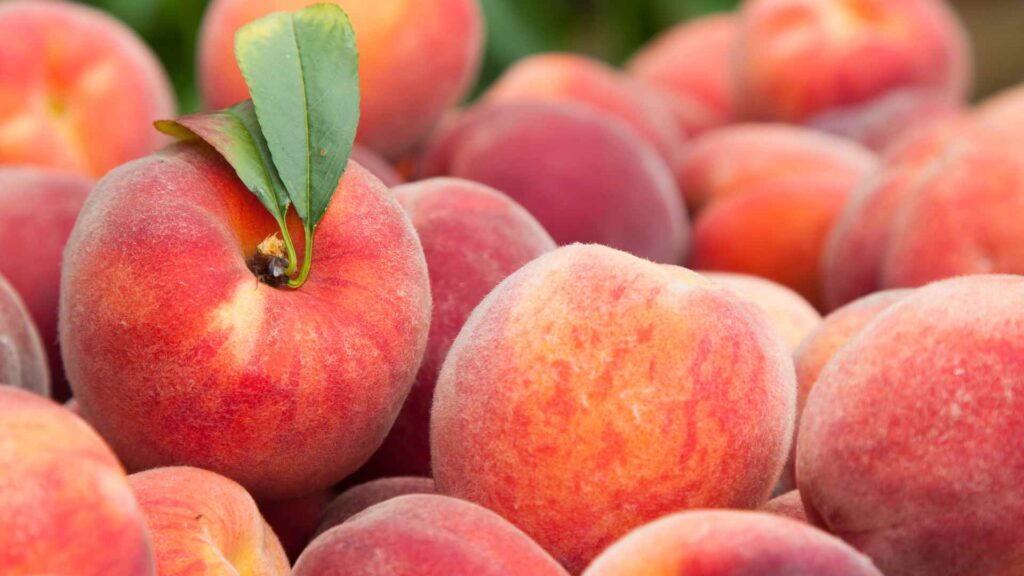
Peach trees belong to the Prunus group, whose seeds, stems, and leaves contain cyanogenic glycosides. The ASPCA lists peach plant parts as toxic, with wilted plant material posing particular concern.
The Merck Veterinary Manual says severe poisoning in small animals is uncommon unless a large amount is eaten. It also explains that an intact swallowed seed is not expected to release cyanide in the way a chewed or ground seed can.
Call an emergency veterinarian immediately if exposure to crushed pits, leaves, or stems is followed by trouble breathing, bright red gums, weakness, collapse, or seizures. Do not wait for every textbook sign to appear, because a dog in respiratory distress needs urgent care regardless of the suspected cause.
Backyard trees deserve more respect than a sliced grocery-store peach. Pick up fallen fruit, pits, pruned branches, and wilted leaves before a curious dog can turn orchard cleanup into an unscheduled buffet.
How to prepare a peach for your dog
- Choose a ripe peach without mold, leaking areas, or a fermented smell.
- Rinse it under running water before cutting, even if you plan to peel it.
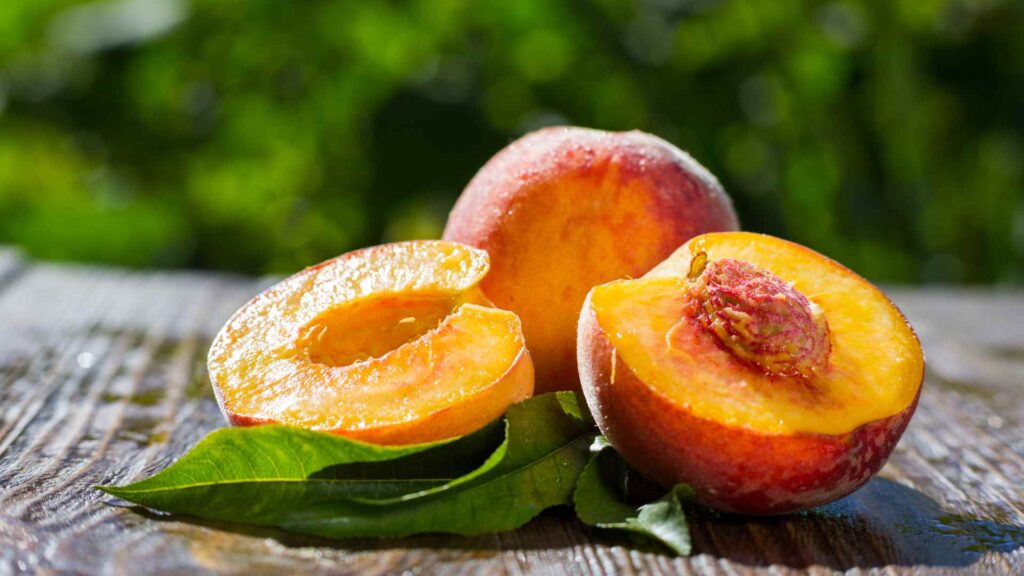
- Slice around the pit and remove the pit, stem, leaves, and any hard fragments.
- Cut the flesh into small pieces, making them smaller or lightly mashing them for toy breeds and dogs that gulp.
- Serve it plain, without sugar, syrup, butter, spices, cream, or sweetener.
The FDA recommends washing produce under running water rather than using soap, detergent, or commercial produce wash. Refrigerate cut fruit promptly and discard pieces that look rotten or have sat out long enough to become questionable.
Peeling is optional for most healthy dogs, but it can make the bite easier for a sensitive stomach. The skin is not poisonous, so there is no need to panic if a properly washed piece still wears its fuzzy jacket.
How much peach is sensible?
There is no universal peach serving that fits a Chihuahua, a Labrador, and a dog on a therapeutic diet. Start with one tiny piece for a small dog or a couple of bite-size pieces for a larger dog, then let tolerance and total daily calories guide future portions.
The World Small Animal Veterinary Association’s treat guide recommends keeping treats below 10 percent of daily calories. That ceiling includes training rewards, dental chews, table scraps, and every other extra, not 10 percent for peach alone.
A small taste is enough to discover whether your dog even likes it. If the answer is a polite sniff and a retreat, there is no nutritional reason to negotiate.
Fresh, frozen, canned, and dried peaches
Fresh peach is the easiest version to inspect and portion. Plain frozen peach can also work after thawing, provided the ingredient list contains only peach and every pit fragment was removed before freezing.
A rock-hard frozen chunk can be a choking or tooth hazard for a small dog or enthusiastic gulper. Thaw it, dice it, and skip the social-media-worthy ice cube if your dog tends to swallow first and consider texture later.
Canned peaches are usually packed in juice or syrup and may carry far more sugar than a dog needs from a treat. If your dog steals one ordinary canned slice, stomach upset is more likely than poisoning, but canned fruit is still a poor routine choice.
Dried peach concentrates sugar and calories into a deceptively small piece, and its chewy texture may be awkward for some dogs. Check mixed dried-fruit bags carefully because raisins and grapes are dangerous to dogs and need urgent veterinary attention.
Peach cobbler, pie, yogurt, and jam
Peach desserts are not simply peach in a festive outfit. Cobbler, pie, ice cream, and pastries add sugar and fat, while recipes may also include raisins, chocolate, alcohol, or a sugar substitute that changes the safety question completely.
Plain cinnamon in a baked recipe is different from inhaling loose powder, but the spice does not make dessert dog-friendly. Butter-heavy food may also be a poor fit for a dog with pancreatitis or a history of fat-sensitive digestive trouble.
Jam and “no sugar added” products require a label check for xylitol, sometimes listed as birch sugar. If xylitol may have been eaten, call a veterinarian or animal poison service immediately rather than waiting for weakness or wobbliness.
A spoonful of sweetened peach yogurt can also bring more sugar and lactose than expected. Dogs vary in their ability to handle dairy, so the simple peach cube remains the cleaner choice.

What to do if your dog ate a peach pit
First, take away the remaining fruit and look for clues without putting your fingers into an alert dog’s mouth. Note your dog’s weight, the number and approximate size of pits, whether they were whole or chewed, when it happened, and whether leaves or stems were involved.
Call your veterinarian, an emergency clinic, ASPCA Animal Poison Control, or Pet Poison Helpline for case-specific advice. A large dog that swallowed one intact small pit and a tiny dog that crunched several pits do not have the same problem.
Do not induce vomiting or give bread, oil, salt, hydrogen peroxide, or another home remedy unless a veterinary professional specifically directs it for this dog. Bringing a pit back through the esophagus can create another hazard, and improvised treatments can make the situation worse.
Go to emergency care for choking, repeated retching, breathing difficulty, collapse, severe weakness, repeated vomiting, a swollen or painful abdomen, or inability to keep water down. Foreign-body signs can appear later, so follow the monitoring window and feeding instructions your veterinarian gives you.
Dogs who need extra caution
Puppies, toy breeds, seniors with poor teeth, and dogs that gulp are more vulnerable to badly sized pieces. For them, mash a tiny amount into food or choose a different reward that is easier to control.
Dogs with diabetes, obesity, chronic digestive disease, pancreatitis, food allergies, or a prescription diet should not receive casual additions without veterinary guidance. The same caution applies during an elimination diet, when one innocent peach bite can muddy the results.
If a dog has diarrhea, peach is not a treatment plan. Pause novel snacks, maintain access to fresh water, and ask a veterinarian about persistent, bloody, painful, or illness-associated diarrhea.

Peach questions, answered without the fuzz
Can puppies eat peaches?
A weaned puppy eating a complete puppy diet may taste a tiny piece of plain, pit-free flesh if the veterinarian has no concerns. Keep the piece soft and very small, because puppies need their calorie budget for balanced growth rather than a fruit sampler.
Can dogs eat peach skin?
Washed peach skin is not toxic, but some dogs tolerate peeled fruit better. If your dog has a sensitive stomach, remove it and keep the first portion modest.
Are peaches better than bananas or cranberries?
There is no fruit leaderboard every dog needs to climb. Our guides to bananas and cranberries cover their different preparation and product risks, but all three remain optional treats.
Is a small stolen piece an emergency?
A small piece of plain flesh without pit, stem, or leaf is usually a monitor-at-home event for a healthy dog. Confirm what was eaten, offer no more, and call the veterinarian if symptoms develop or the ingredients are uncertain.
The bottom line
Ripe, washed peach flesh can be a cheerful occasional treat when it is plain, pit-free, and cut for the dog in front of you. Keep pits and tree material inaccessible, call promptly after a pit is swallowed or chewed, and let complete dog food do the serious nutritional work.