Can Dogs Eat Bananas? Safe Portions, Peels, and Treat Ideas
Yes, most healthy dogs can eat a little peeled banana. Serve soft bite-size pieces as an occasional treat, keep the peel away, and remember that banana is naturally sugary and calorie-bearing, not a remedy for diarrhea, constipation, low energy, or potassium problems.
The banana decision in one glance
- Safe form: ripe banana flesh, peeled and cut into pieces your dog can swallow comfortably.
- Start small: offer one tiny piece and see how the digestive system responds.
- Skip: the peel, large frozen chunks, sweetened banana chips, banana pudding, and most banana bread.
- Ask first: if your dog has diabetes, obesity, chronic digestive disease, kidney disease, or a prescription diet.
The American Kennel Club’s veterinarian-informed banana guide identifies peeled banana as a reasonable occasional treat and warns that peels are difficult to digest. That is the useful middle ground between “superfood” enthusiasm and unnecessary alarm.

What banana contributes, and what it does not
Bananas contain carbohydrate, natural sugars, fiber, potassium, vitamin B6, and other micronutrients. A small piece can provide variety and a soft texture that many dogs enjoy.
A dog eating complete and balanced food should already receive potassium, vitamins, energy, and fiber in appropriate proportions. Banana therefore belongs in the treat category, not the supplement cabinet.
Calling banana a “healthy treat” also requires context, because a food can contain useful nutrients and still be easy to overfeed. The sweet fruit adds calories, and repeated extras may gradually work against weight-control goals.
Banana does not deliver a reliable athletic energy boost, fix an electrolyte deficiency, or strengthen nerves on demand. A dog who seems weak, unusually tired, wobbly, or exercise-intolerant needs veterinary assessment rather than fruit.
How much banana can a dog eat?
Dog size alone cannot determine a perfect serving, because calorie needs also vary with age, activity, body condition, reproductive status, health, and the regular diet. For a first taste, try a thumbnail-size piece for a small dog or one or two small slices for a larger dog.
Those examples are cautious introductions, not an everyday dose. Wait to see whether vomiting, loose stool, gas, itching, or discomfort appears before considering banana again.
The World Small Animal Veterinary Association’s treat guidance recommends that all treats together provide no more than 10 percent of daily calories. Banana, dental chews, training rewards, table scraps, and medication snacks all share that same allowance.
A very small dog can reach its limit with surprisingly little fruit, while a large working dog may have more calorie room but no greater nutritional need for banana. Your veterinarian can help convert the day’s calorie target into a practical treat budget.
The safest way to serve banana
- Choose a fresh banana without mold, fermentation, or spoilage.
- Remove the entire peel and keep it away from the dog.
- Cut or mash the flesh into small portions.
- Serve it plain, with no chocolate, sweetener, whipped cream, or syrup.
- Count the banana toward the day’s treat calories.
Fresh banana can be mashed onto a lick mat or tucked into a food toy, but enrichment does not make calories disappear. Measure the portion before spreading it around, because a thin smear can look smaller than it is.
Frozen banana is fine in small pieces, but a hard round chunk can be swallowed whole or challenge damaged teeth. Mash it before freezing or thaw the piece slightly for small dogs, seniors, and enthusiastic gulpers.
Why banana peels stay in the trash
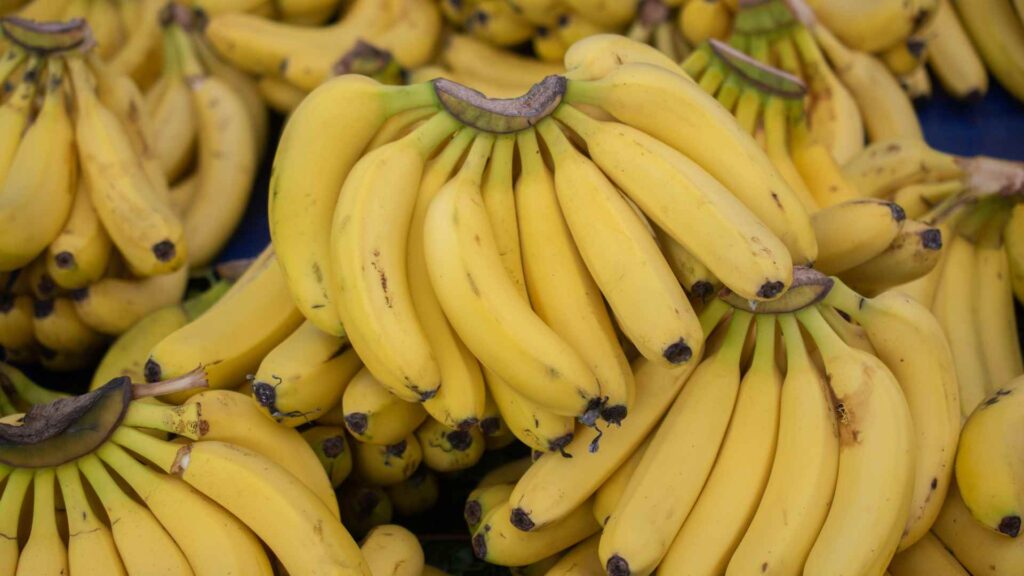
Banana peel is not generally classified as a canine toxin, but it is fibrous, tough, and difficult to digest. A swallowed peel may cause vomiting, abdominal discomfort, or a gastrointestinal obstruction, especially in a smaller dog.
Do not deliberately feed peel for “extra fiber.” Fiber is not automatically helpful, and a thick strip of plant material is a poor way to manage constipation.
If your dog swallows a peel, note whether it was whole or chewed, estimate the time, and call your veterinarian for guidance. Repeated vomiting, loss of appetite, lethargy, a painful abdomen, or straining requires prompt examination.
Banana products need their own safety check
Banana chips
Commercial banana chips may be fried, sweetened, coated with honey, or heavily calorie-dense after water is removed. A tiny unsweetened dehydrated piece may be tolerated, but fresh banana is simpler and easier to portion.
Banana bread and muffins
These usually contain sugar and fat and may also include chocolate, raisins, macadamia nuts, nutmeg, or xylitol. Evaluate the entire recipe rather than assuming the banana makes the loaf dog-friendly.
If you are sorting out a stolen slice, our guides to chocolate and grapes and raisins explain two urgent ingredient risks. Call a veterinarian or animal poison-control service before waiting for symptoms.
Banana with peanut butter
This combination can be tasty but is much more calorie-dense than banana alone. Confirm the spread contains no xylitol, then measure both ingredients rather than filling a toy by eye.
The U.S. Food and Drug Administration warns that xylitol can cause dangerous hypoglycemia in dogs, with signs including weakness, staggering, collapse, and seizures. Our peanut butter guide shows where this label check matters.
Banana pudding, smoothies, and yogurt bowls
These recipes may add dairy, sugar, chocolate, coffee, protein powder, raisins, or artificial sweeteners. Plain banana is safer than auditing a crowded human dessert and hoping every scoop agrees with the dog.
Can banana help diarrhea or constipation?
Banana fiber may change stool consistency, but the direction and degree are unpredictable in an individual dog. Too much can cause loose stool, while a fibrous peel can create a blockage rather than solving constipation.
Do not use banana to treat repeated diarrhea, straining, blood in stool, vomiting, abdominal pain, or lethargy. These signs can result from infection, parasites, obstruction, pancreatitis, dietary indiscretion, or other conditions that need a diagnosis.
Puppies, seniors, toy breeds, and dogs with chronic disease can become dehydrated or unstable more quickly. Call earlier for those patients instead of running a home fruit trial.
Dogs who need a more cautious answer
Dogs with diabetes: Banana contains carbohydrate and natural sugar that must fit a controlled feeding and medication schedule. Ask the treating veterinarian before adding it.
Dogs with obesity: Banana may be lower in fat than some treats, but it still adds calories. Replacing a rich reward can help, while adding fruit on top of every existing reward cannot.
Dogs with kidney or heart disease: Do not assume a potassium-rich human food is helpful or harmful without knowing the dog’s laboratory results, medication, and therapeutic diet. These patients need individualized advice.
Dogs on elimination diets: An unapproved banana bite can muddy the results of a strict food trial. Feed only permitted foods, treats, supplements, and flavored medications.
Puppies: A tiny piece of peeled banana may be tolerated, but growth-formulated food deserves nearly all the calorie budget. Large frozen pieces and peel are especially poor choices.
Dogs with swallowing or dental problems: Mash the fruit if the veterinarian approves it, or choose a familiar softer reward. A treat should not turn mealtime into a choking test.
What to do after an accidental banana raid
If a healthy dog eats some peeled banana and acts normal, remove the rest, provide fresh water, and monitor for vomiting or diarrhea. A large amount may warrant a call because the dog’s size and medical history change the risk.
If peel was swallowed, contact your veterinarian and watch for obstruction signs. If banana bread, a smoothie, or dessert was eaten, collect the ingredient list and identify xylitol, raisins, chocolate, macadamia nuts, coffee, alcohol, and medication powders.
Seek emergency care for choking, trouble breathing, collapse, seizures, repeated vomiting, a swollen painful abdomen, or profound weakness. Do not induce vomiting unless a veterinary professional gives specific instructions.
Banana questions, peeled down
Can dogs eat bananas every day?
They do not need to, and daily banana can make calorie accounting surprisingly messy. An occasional measured serving leaves more room for balanced food and other rewards.
Is green or ripe banana better?
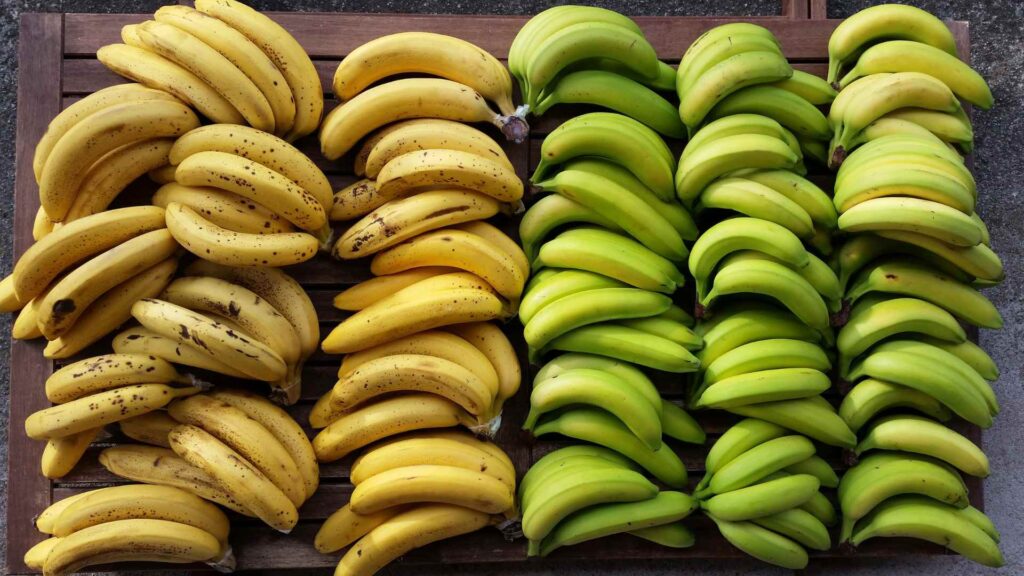
Ripe banana is softer and easier to chew, while very green fruit is starchier and may be less palatable. Neither version has a therapeutic advantage for a healthy dog.
Can bananas replace electrolyte supplements?
No, because electrolyte abnormalities need diagnosis and precise treatment. A banana cannot safely correct dehydration, kidney dysfunction, heart disease, or medication-related potassium changes.
Are apples a lower-sugar alternative?
Fruit composition differs, but portion size still determines the calorie and sugar load. Our apple guide covers safe preparation, including removing the core and seeds.
Keeping bananas from becoming a kitchen hazard
Store fruit bowls away from counter-surfing dogs and put peels directly into a secured bin. A peel dangling over the edge of an open trash can is practically an invitation to investigate.
Discard fermented, moldy, or alcohol-smelling fruit rather than sharing it. Fermentation and spoilage create a different exposure from fresh banana, especially when a dog raids several pieces at once.
When children prepare snacks, make the household rule simple: only an adult-approved piece of peeled fruit may be shared. That prevents accidental handoffs of peel, chocolate-dipped banana, or a large frozen chunk.
The bottom line
Peeled banana can be a pleasant occasional treat for many dogs when the pieces and calories stay small. Keep peels and risky banana products out of reach, and leave digestive, electrolyte, and medical problems to the veterinary team rather than the fruit bowl.