Can Cats Eat Coconut? Flesh, Milk, Water, Shell, and Portions
A tiny taste of plain coconut flesh is unlikely to seriously harm most healthy cats, but coconut is fatty, calorie-dense, and nutritionally unnecessary. Sweetened flakes, coconut milk, coconut water, shell, baked goods, and flavored products each bring different concerns, so check the exact form before sharing.
The safest answer
If your healthy adult cat seems determined to taste coconut, offer one shred of fresh, soft, unsweetened flesh no larger than a pea. Wait until the next day before considering another taste and stop if vomiting, loose stool, gas, or appetite changes appear.
There is no nutritional reason to make coconut a routine treat. Cats need a complete and balanced feline diet, while coconut mostly adds fat, fiber, and calories that can displace food designed for them.
The ASPCA’s people-food guidance says small amounts of coconut products are unlikely to cause serious harm but notes that coconut flesh and milk contain oils that may cause stomach upset, loose stool, or diarrhea. That is a useful distinction between low toxicity and good treat design.
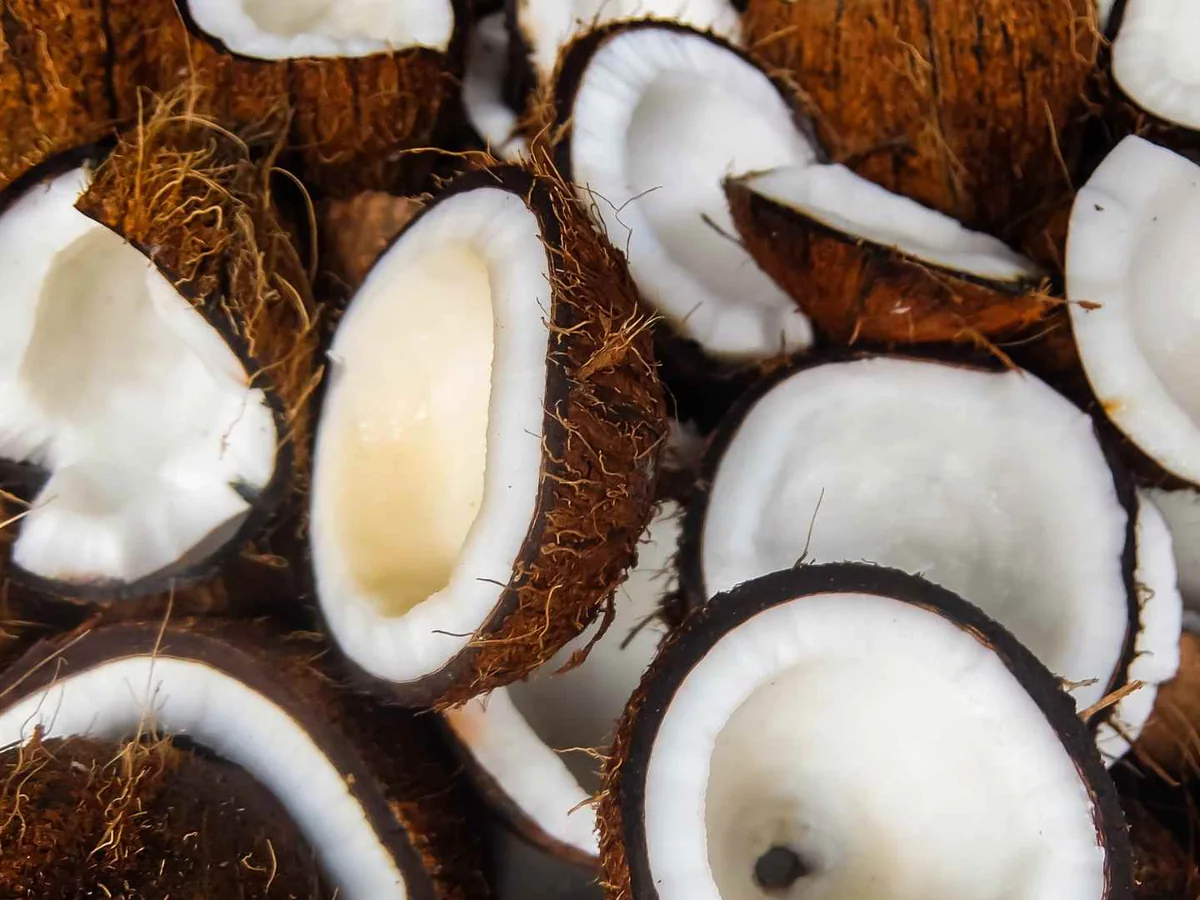
Fresh coconut flesh
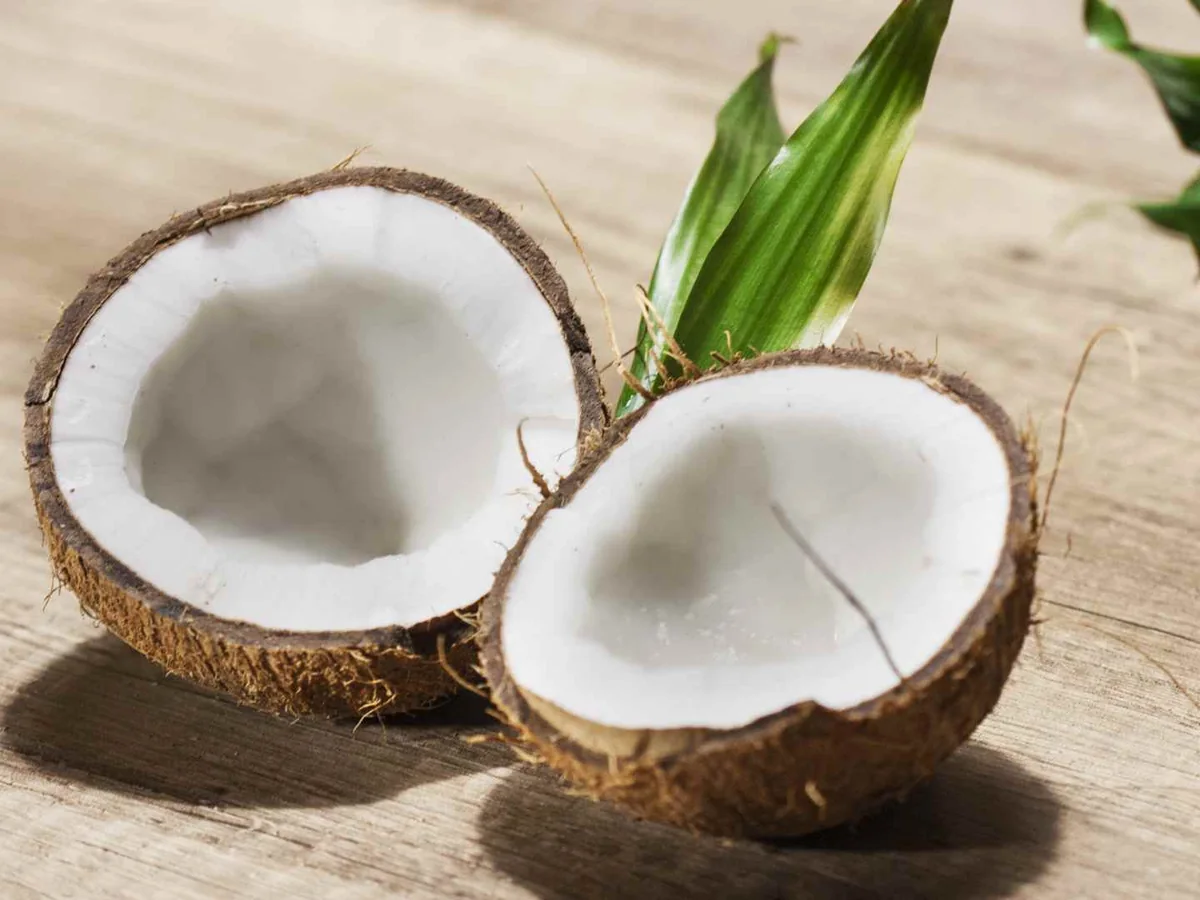
Fresh white flesh should be removed completely from the hard shell and brown outer material, then chopped very finely. Thick cubes are chewy, slippery, and easier to gulp than a single soft shred.
Do not offer old coconut that smells sour, fermented, or rancid. Mold and spoilage create hazards that have nothing to do with the coconut’s usual nutrient profile.
Wash hands and utensils, especially if the coconut was opened with tools that touched the floor or outdoor surfaces. Store cut flesh covered in the refrigerator according to the package or food-safety instructions.
Dried and shredded coconut
Unsweetened dried coconut is more concentrated and tougher than fresh flesh, so it is easy to overfeed. Dry shreds can also catch in the mouth or be inhaled if a cat dives nose-first into a bag.
Sweetened baking coconut adds sugar and may include preservatives or other ingredients. Toasted coconut can carry butter, oil, salt, caramel, chocolate, or spice, which turns a simple fruit taste into a label-reading assignment.
Keep plastic bags and twist ties secured because the aroma lingers after the flakes are gone. Packaging can choke, tangle, or obstruct even when the food itself would only have caused an upset stomach.
Coconut milk and coconut cream
Canned coconut milk is an emulsion made from coconut flesh and water, while coconut cream is generally richer and thicker. Both can deliver a large amount of fat in a few licks and may cause vomiting or diarrhea.
Carton coconut beverages are often diluted and fortified, with gums, flavors, sweeteners, vitamins, minerals, salt, or other plant ingredients. Unsweetened on the front does not mean unflavored, additive-free, or useful for cats.
Do not use coconut milk to replace water, kitten formula, or a balanced meal. The Cornell Feline Health Center recommends complete feline nutrition and clean fresh water rather than improvised beverages.
Coconut water is a different product
Coconut water is the liquid from inside the fruit, not coconut milk. It contains potassium and sugars, and bottled varieties may include added flavors, sweeteners, fruit juice, or electrolytes.
Do not offer it as a hydration treatment, especially to a cat with kidney disease, heart disease, urinary disease, diabetes, or a prescribed electrolyte plan. A dehydrated or unwell cat needs diagnosis and controlled fluid therapy, not a tropical sports drink.
A few accidental licks of plain coconut water are generally a lower concern than drinking a bowl, but check the label and monitor. Our coconut water and oil guide for dogs helps identify product differences, while feline medical decisions should stay cat-specific.
Coconut shell and husk are not edible
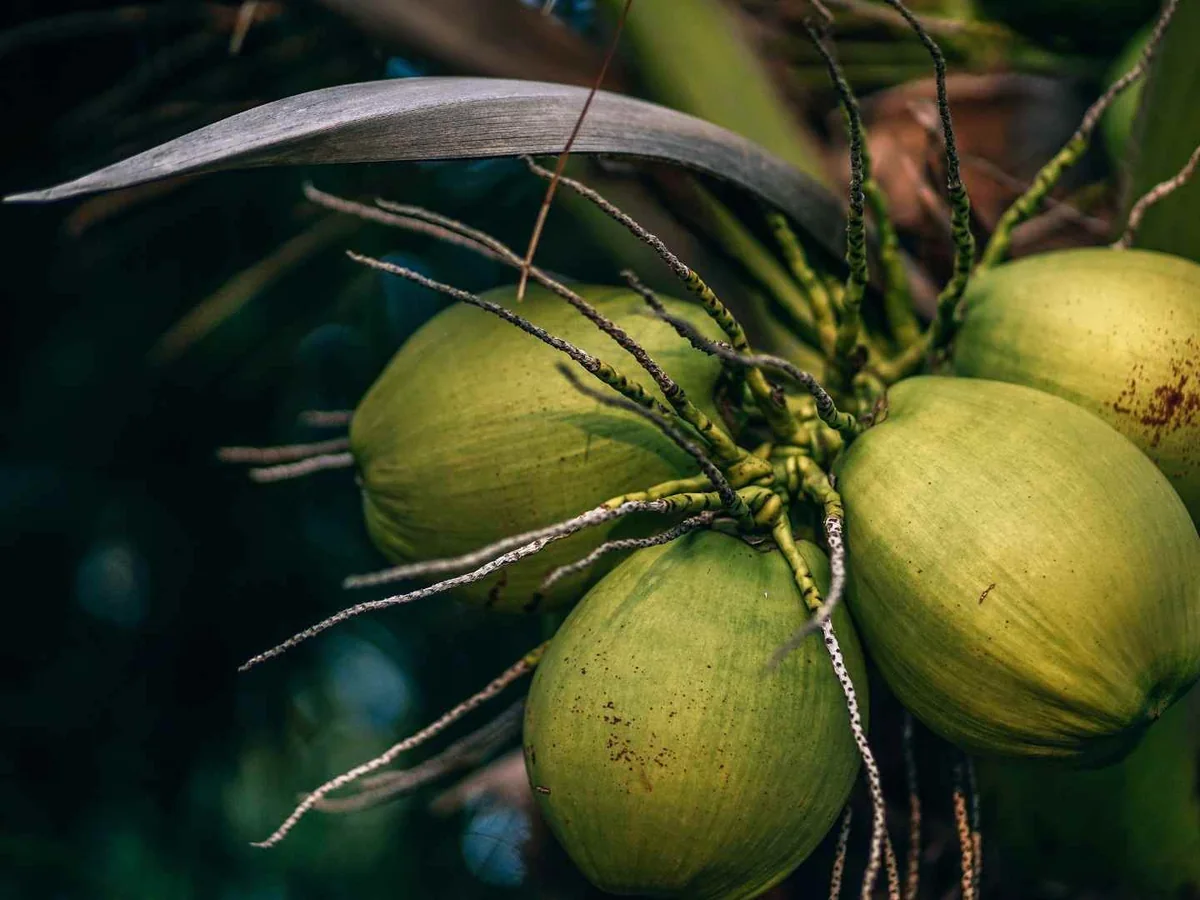
Hard shell fragments can cut the mouth, break teeth, lodge in the throat, or obstruct the digestive tract. Fibrous husk can be swallowed in strands and is not a safe chew, toy, bowl, or enrichment material.
If shell or husk is missing, call your veterinarian and describe the fragment’s likely size and shape. The Merck Veterinary Manual treats gastrointestinal obstruction as an emergency and lists vomiting and appetite loss among common signs.
Do not induce vomiting or feed bulky food to push a fragment through. Watch for drooling, repeated swallowing, gagging, vomiting, abdominal pain, hiding, lethargy, refusal to eat, or reduced stool, then follow the clinic’s timing and imaging advice.
Coconut flour, chips, and yogurt
Coconut flour: Dry powder can irritate the airways and expands as it absorbs moisture, while raw baking mixtures add flour, eggs, chocolate, sweeteners, or yeast. It offers no sensible advantage as a feline treat.
Coconut chips: These may be fried, toasted, salted, sweetened, or heavily seasoned. Hard curved pieces can also be awkward to chew, so leave the snack bag to the humans.
Coconut yogurt: Plant-based does not guarantee low fat or a simple ingredient list. Check for chocolate, coffee, granola, fruit preparations, sweeteners, gums, and probiotic claims that were not studied as treatment for your cat.
Coconut ice cream: Sugar, fat, flavorings, nuts, chocolate, and cones make it an unsuitable choice. A tiny dropped lick is different from eating a serving, so estimate the real amount and identify every mix-in.
Macaroons, cake, curry, and mixed dishes
Coconut macaroons may contain large amounts of sugar, egg, chocolate, and sometimes alcohol flavoring. Coconut cake adds frosting, dairy, oils, and decorations, while plastic wrap or cupcake liners create foreign-body risk.
Coconut curry commonly includes onion, garlic, chile, salt, and rich sauce. Alliums are particularly concerning for cats because they can damage red blood cells, and removing visible pieces does not remove powders or cooked-in juices.
A coconut-coated shrimp may also include shell, tail, frying oil, batter, and dipping sauce. Assess the full plate, not the one ingredient named in the recipe title.
Can cats eat coconut oil?
One lick of plain food-grade coconut oil is usually a monitoring situation, but oil is even more calorie-dense than flesh and can trigger gastrointestinal signs. Daily spoonfuls are not an evidence-based way to improve coat, immunity, hairballs, or weight.
Topical use leads to oral exposure when the cat grooms and may hide the cause of a skin problem. See our dedicated coconut oil guide for cats for spill cleanup, supplement claims, and essential-oil blends.
Never assume a coconut carrier makes an essential oil safe. Concentrated botanical oils can be absorbed through feline skin and lungs or swallowed from the coat.
Possible allergy and intolerance
Any food can be associated with an individual adverse reaction, but digestive upset after a fatty coconut dessert does not prove a coconut allergy. Ingredients, spoilage, amount, and sudden diet change may be more plausible explanations.
Recurring itch, skin lesions, vomiting, or diarrhea needs a veterinary workup. Food allergy is usually evaluated with a strict elimination diet and controlled challenge, not a home taste test or unvalidated sensitivity panel.
During a prescribed diet trial, avoid coconut treats unless the veterinarian included them. One flavored snack can introduce multiple proteins and oils that make the result harder to interpret.
Cats who should skip coconut
Cats with obesity, pancreatitis history, chronic gastrointestinal disease, diabetes, or fat-sensitive symptoms are poor candidates. Cats with kidney or heart disease should not receive coconut water or other electrolyte-rich drinks without veterinary direction.
Kittens need calorie space for complete growth food, while seniors may have dental trouble chewing tough pieces. Cats on prescription renal, urinary, gastrointestinal, allergy, or weight diets should stay with the intended plan.
A cat who is not eating should not be coaxed for days with coconut milk or rich treats. Appetite loss in cats can become dangerous, so contact the veterinary team promptly.
What to do after a coconut raid
Remove the food and packaging, identify the exact product, and estimate the largest possible amount. Note shell, husk, wrappers, skewers, alcohol, chocolate, coffee, raisins, alliums, or essential oils.
For a tiny taste of plain flesh and a healthy cat acting normally, monitor for digestive upset. Call promptly after a large amount, shell ingestion, mixed product, repeated vomiting, significant diarrhea, abdominal pain, lethargy, or refusal to eat.
Do not give human antidiarrheals and do not withhold food for an extended period without instructions. Keep fresh water available and follow the veterinary team’s specific monitoring window.
Better treat choices
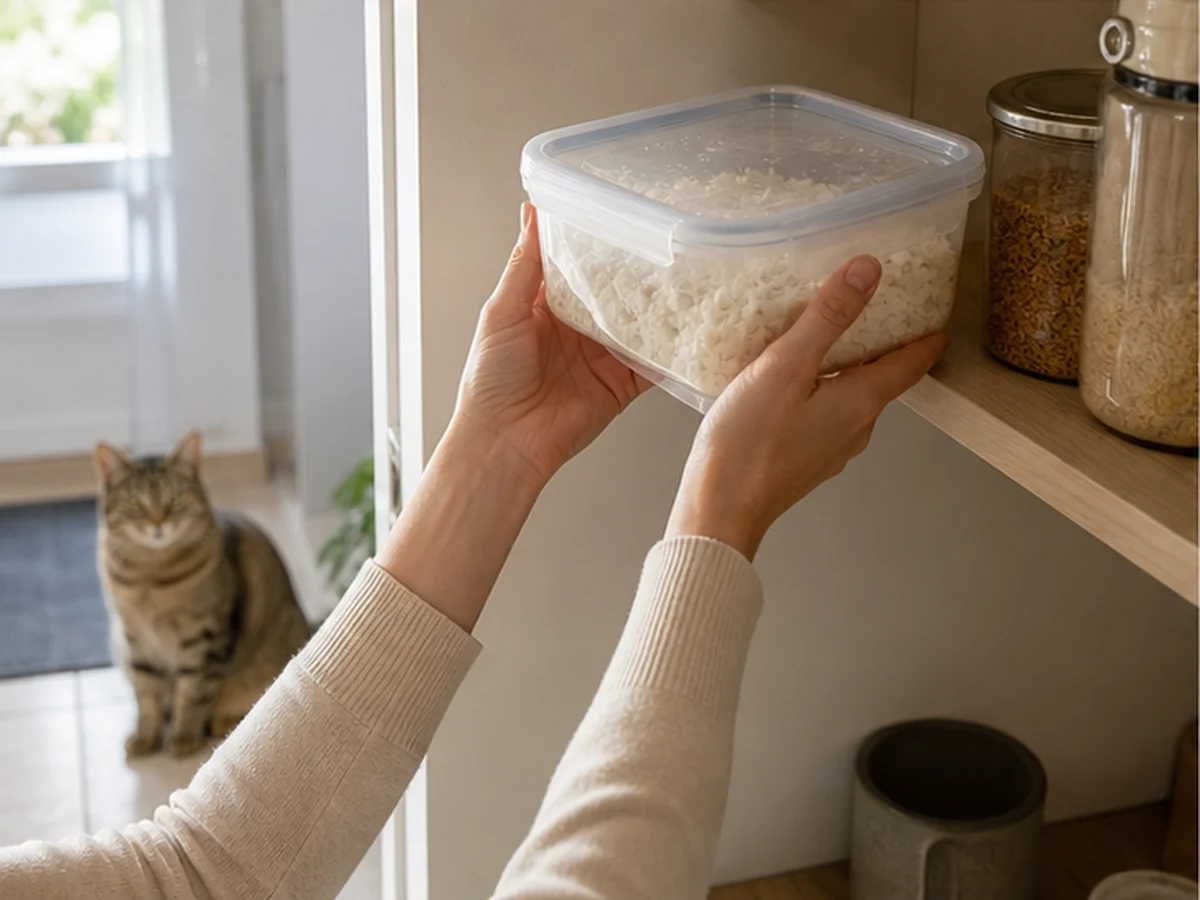
Use a few pieces of the measured daily kibble or a teaspoon of the usual wet food as a reward. A commercial cat treat with a calorie statement is easy to portion and less likely to smuggle in a pantry’s worth of secondary ingredients.
Plain fully cooked boneless chicken can be an occasional option for many healthy cats if your veterinarian has no objection. Keep any extra small enough that complete food still supplies almost all daily nutrition.
For another rich-food comparison, our butter guide explains why a low-toxicity lick can still be a poor routine. Helpful feeding decisions sit above the bare minimum of not poisonous.
Frequently asked questions
Can kittens drink coconut milk?
No, coconut milk does not replace a queen’s milk or properly formulated kitten milk replacer. Contact a veterinarian or experienced rescue for an orphaned kitten feeding plan.
Can cats have coconut water in hot weather?
Offer fresh plain water, cool indoor space, and veterinary care for heat illness. Coconut water is not a feline electrolyte treatment and may be inappropriate for cats with medical conditions.
Can cats eat coconut shrimp?
It is usually fried, breaded, salty, and served with seasoned sauce, while shell or tail may remain. A tiny plain piece of fully cooked peeled shrimp is a simpler question than the restaurant dish.
Bottom line
One pea-sized taste of plain soft coconut flesh is generally low risk for a healthy cat, but fat, calories, shell, sweeteners, seasoning, and product additives make routine sharing unhelpful. Keep shells and mixed dishes away, use fresh water rather than coconut drinks, and call your veterinarian when the amount, form, or symptoms are concerning.