Can Cats Eat Raw Chicken? H5N1, Bacteria, Bones, and What to Do
Do not feed cats raw or undercooked chicken. It can carry Salmonella, Campylobacter, and other pathogens, while current H5N1 evidence adds a serious feline-specific reason to avoid raw poultry and raw poultry pet food; bones, packaging, and unbalanced recipes create separate risks.
After a theft, remove access, save the package, and call your veterinarian, especially for raw poultry, symptoms, a vulnerable cat, or missing bone and packaging. Do not induce vomiting at home.
Raw chicken by form
| Form | What matters | Practical answer |
|---|---|---|
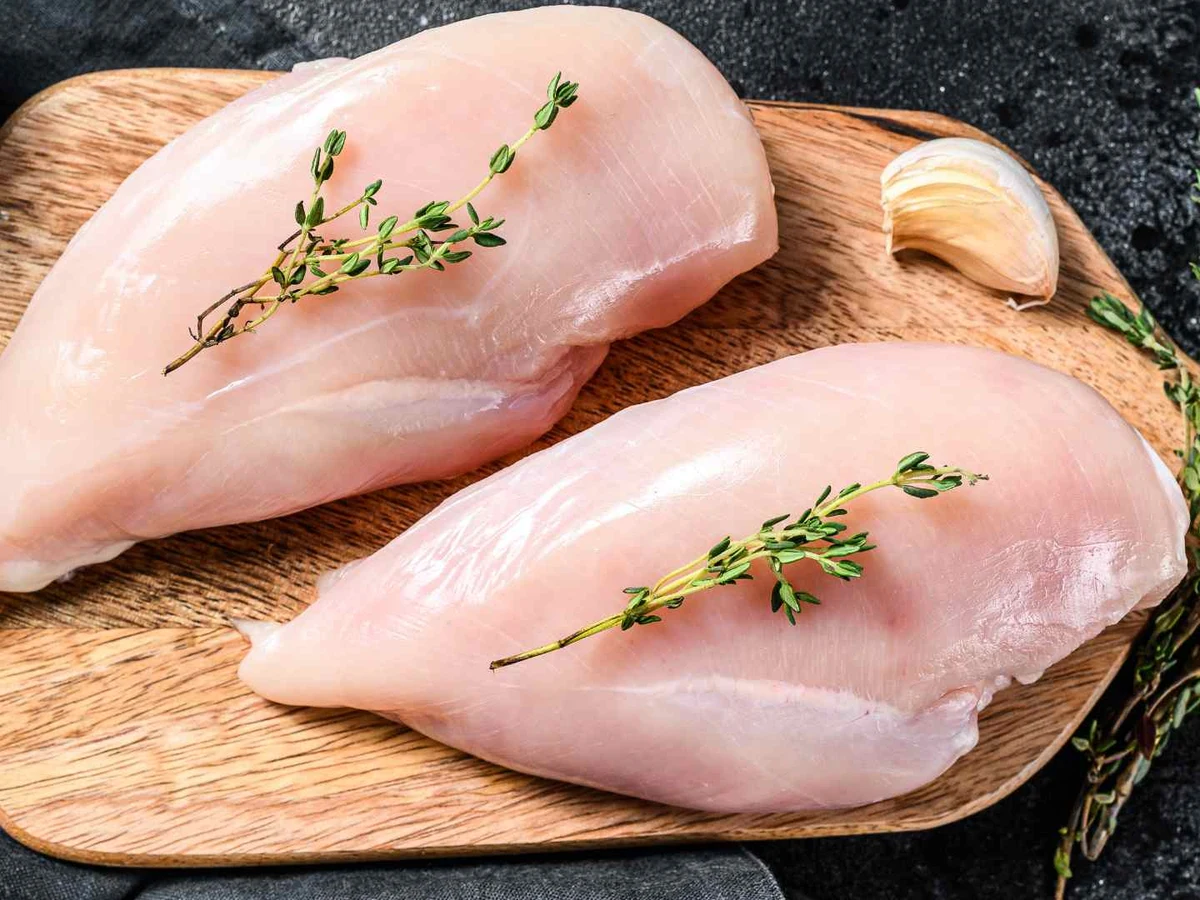
| Raw breast or thigh | Bacterial contamination and H5N1 concern | Do not feed; cook thoroughly before offering a tiny plain bite. |
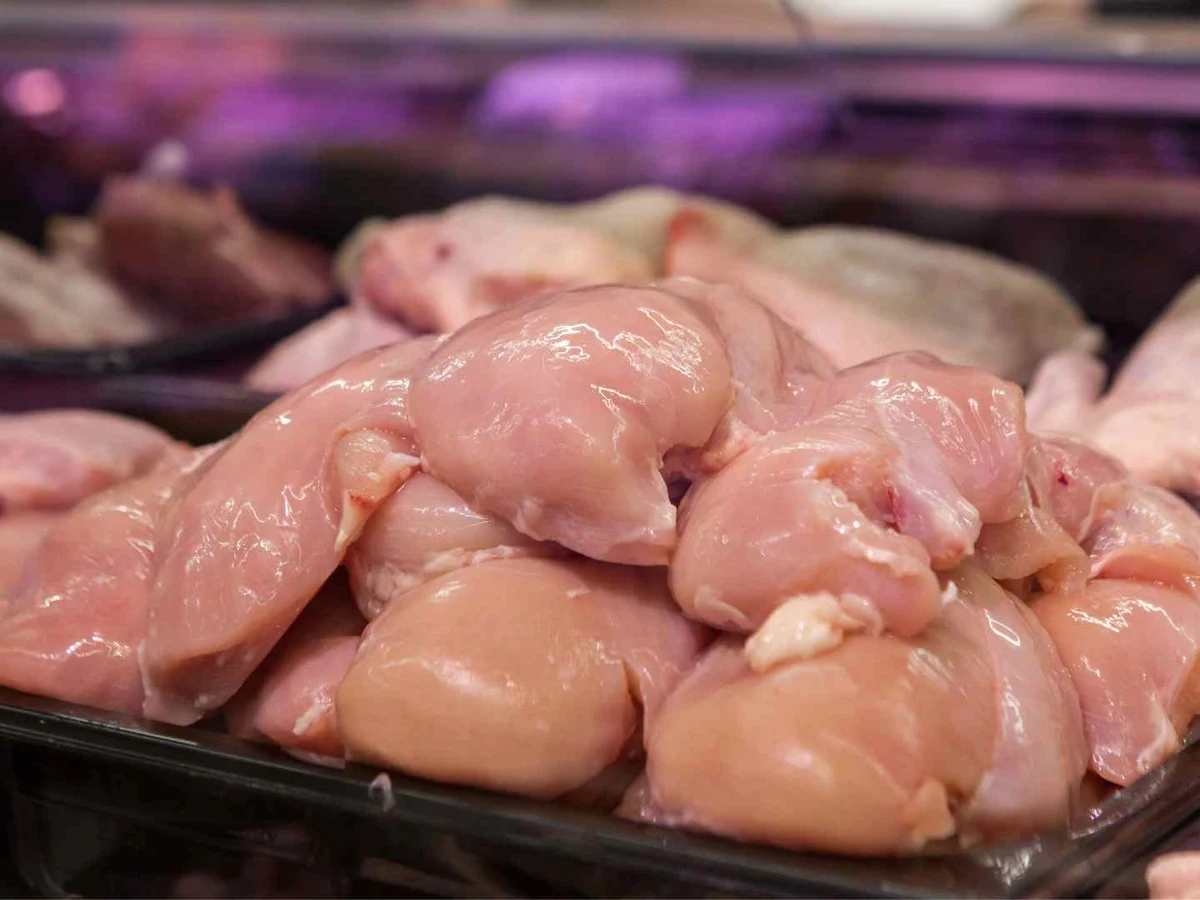
| Ground chicken | Grinding spreads surface contamination throughout | Cook to 165°F and avoid raw feeding. |
| Liver, heart, gizzard, neck | Pathogens, H5N1, bones, and nutrient imbalance | Cook boneless portions; do not improvise a diet from organs. |
| Wings, backs, feet, carcass | Bones can fracture teeth, choke, obstruct, or perforate | Keep away whether raw or cooked. |
| Frozen or freeze-dried raw chicken | Cold and drying do not reliably eliminate all pathogens | Treat as raw unless a validated kill step is documented. |
| Commercial raw chicken cat food | Pathogen, H5N1, and nutritional-adequacy questions | CDC advises against raw pet food; check recalls and the adequacy statement. |
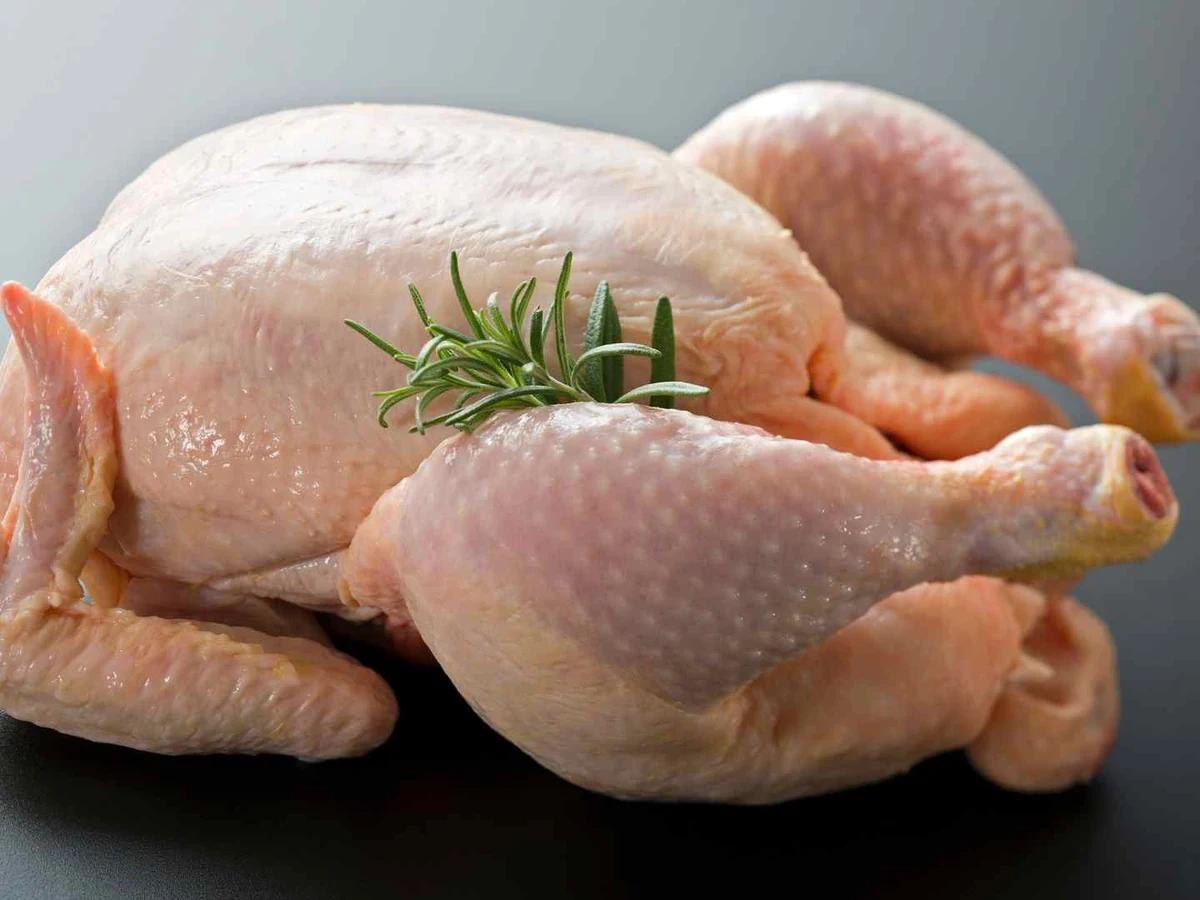
| Raw juice, tray, pad, or marinade | Contamination plus absorbent-pad or wrap ingestion | Block access, clean safely, and call if swallowed. |
H5N1 made raw poultry a sharper risk for cats
Cats are susceptible to severe and fatal illness from highly pathogenic avian influenza A(H5N1). Feline infections in the United States have been linked to affected farms, raw milk, raw meat, and commercially produced raw pet food.
The CDC advises pet owners not to feed raw pet food or unpasteurized milk and to prevent contact with sick or dead birds. Indoor-only status does not protect a cat when contaminated food enters the kitchen.
FDA testing linked H5N1 in a cat and specified lots of a frozen raw chicken cat food through whole-genome sequencing. The FDA RAWR Chicken Eats notice identifies the lots and explains the evidence, which is why owners should retain lot codes and best-by dates.
Relevant signs include fever, profound tiredness, low appetite, red or inflamed eyes, eye or nose discharge, breathing difficulty, tremors, seizures, poor coordination, circling, or blindness. Call the clinic before arriving after a possible H5N1 exposure so staff can give infection-control instructions.
Minimize contact with a potentially infected cat, keep the cat away from other animals, and follow veterinary and public-health guidance. A 2026 CDC report found serologic evidence of H5N1 infection in a veterinary professional exposed to an infected cat, so infection control protects people as well as pets.
Bacteria remain a major reason to cook
Chicken can carry Salmonella, Campylobacter, and other microbes without looking or smelling spoiled. A grocery package inspected for human sale is meant to be handled and cooked safely, not served raw to a cat.
The FDA tested 196 commercial raw dog and cat foods and found 15 positive for Salmonella and 32 positive for Listeria monocytogenes. Raw products were more likely to contain disease-causing bacteria than other pet-food categories tested.
Cats may develop vomiting, diarrhea, fever, reduced appetite, or lethargy, yet some infected animals show no obvious signs and can shed bacteria. A cat who seems fine after dinner cannot certify the bowl, litter box, or floor as pathogen-free.
Young children, older adults, pregnant people, and anyone with weakened immunity have higher risk from foodborne germs. Kittens, seniors, pregnant cats, and cats with chronic disease or impaired immunity also deserve extra caution.
Freezing and freeze-drying are not cooking
Freezing preserves chicken but does not reliably kill all bacteria or viruses. Thawing on the counter then gives surviving microbes time in a favorable temperature range.
Freeze-drying removes moisture under low temperature and pressure, while dehydration removes moisture with warm air. The CDC says freezing, freeze-drying, and dehydrating raw animal protein reduce germs but do not kill all of them.
High-pressure processing and irradiation may reduce pathogens when properly validated and controlled, but process details matter. Ask the manufacturer what kill step is used, whether every finished lot is tested, and how positive results trigger a hold or recall.
Ground chicken, organ meat, and raw toppers
Grinding can spread contamination from the surface throughout a batch, so ground poultry must be cooked all the way through. A pink-free appearance is less reliable than a food thermometer.
Raw liver, heart, and gizzard share the pathogen and H5N1 concerns of muscle meat. Organ meat is also nutrient-dense, and generous repeated portions can unbalance a diet rather than completing it.
A sprinkle of freeze-dried raw chicken over kibble still brings raw handling into the bowl. Clean hands, scoops, feeding mats, and storage containers cannot erase the underlying reason CDC recommends choosing cooked pet food.
Chicken bones are not safe dental equipment
Raw bones may be less brittle than cooked bones, but they can still fracture teeth, choke, lodge in the esophagus, obstruct the intestine, cause constipation, or perforate tissue. Cooked bones add splintering risk and are also unsuitable.
Chicken wings, necks, backs, feet, rib fragments, wishbones, and carcasses are all small enough to tempt optimistic swallowing. Never assume a cat will politely chew each bone into a medically convenient shape.
Call promptly after a swallowed bone and seek urgent care for drooling, gagging, repeated swallowing, vomiting, refusal to eat, abdominal pain, straining, or reduced stool. Do not feed bread, oil, pumpkin, or another food to push it through.
Packaging can be as dangerous as dinner
Raw-chicken trays come with plastic film, clips, labels, absorbent pads, butcher string, foam, and sometimes skewers. These objects can choke, obstruct, or perforate and may carry raw juices.
Do not pull string hanging from the mouth or rectum because it can be anchored around the tongue or gathered through the intestine. Keep the trash secured until pickup rather than trusting a lid your cat has already audited.
Plain cooked chicken is the safer option
Remove skin, visible fat, bones, seasoning, marinade, breading, and sauce. Cook chicken to an internal temperature of 165°F, measured in the thickest part with a food thermometer, as specified on the USDA safe-temperature chart.
Let the meat cool, then offer one finely cut pea-size piece to a healthy adult cat. Set aside the cat’s portion before onion, garlic, salt, butter, gravy, or barbecue sauce reaches the pan.
Rotisserie chicken is usually seasoned and salty, and its skin, drippings, bones, elastic truss, tray, and lid add problems. A plain home-cooked bite is easier to evaluate than a bird with a full deli résumé.
Chicken nuggets and fried chicken bring breading, oil, salt, seasoning, sauce, and bone possibilities. For a similar multi-ingredient theft, our pizza guide shows how to assess every layer instead of stopping at the protein.
Chicken alone is not a complete cat diet
Cats require taurine, arachidonic acid, vitamins, minerals, fatty acids, and the correct calcium-to-phosphorus relationship, among other nutrients. Boneless breast meat does not supply the whole profile, while casually adding liver and bone can create new excesses.
Choose a cat food with a nutritional adequacy statement for the appropriate life stage. Toppers labeled for intermittent or supplemental feeding are not designed to replace the complete diet, even when their ingredient list is one photogenic chicken.
Home-prepared main diets should be formulated for the individual cat by a veterinarian with appropriate nutrition expertise. Online ratios and “prey model” shortcuts do not provide evidence that the finished recipe remains adequate through sourcing, storage, and preparation.
What to do after your cat eats raw chicken
- Remove access. Secure the meat, pet food, tray, trash, sink, and contaminated utensils.
- Save details. Keep the package, lot code, receipt, product name, poultry source, and remaining sample sealed.
- Account for every object. Check bones, skewers, pads, string, clips, labels, plastic, and foam.
- Call your veterinarian. Mention raw poultry specifically, along with symptoms, amount, timing, and your cat’s health.
- Clean the kitchen. Wash hands and sanitize contacted surfaces according to product instructions while keeping cats away from chemicals.
- Do not improvise treatment. Avoid vomiting remedies, antibiotics, charcoal, milk, or oil unless a veterinarian directs them.
Seek emergency care for breathing difficulty, neurologic signs, collapse, severe weakness, repeated vomiting or diarrhea, bloody stool, a painful belly, pale gums, or suspected bone or packaging ingestion. Call ahead after possible H5N1 exposure.
If a person becomes ill after handling raw poultry, contaminated pet food, or a potentially infected cat, contact a human healthcare professional and mention the exposure. Save the product information for public-health follow-up.
Preventing another counter raid
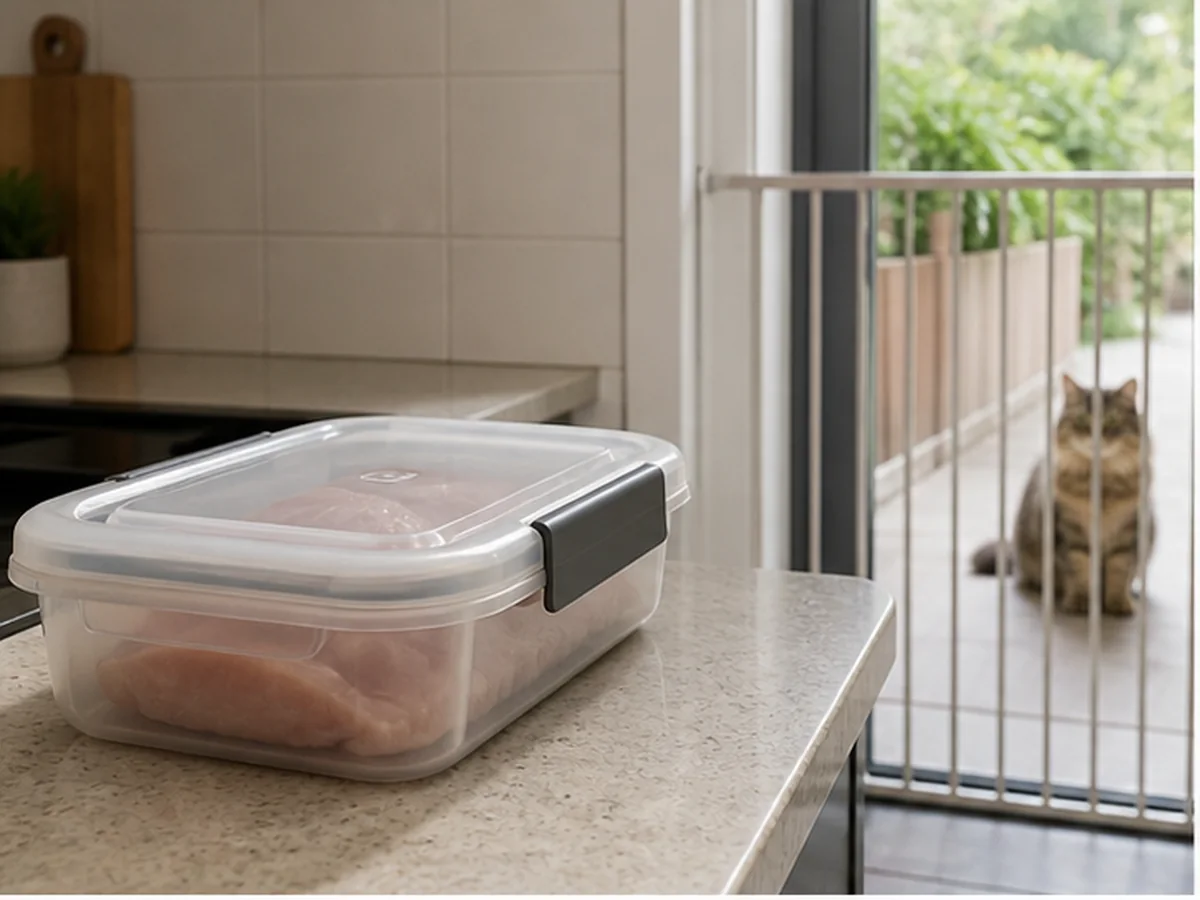
Thaw poultry in a sealed container in the refrigerator, not on the counter. Keep it below ready-to-eat foods, use a dedicated cutting surface if practical, and wash hands before touching cabinet handles, phones, or cat bowls.
Put bones and packaging directly into a secured trash container, then inspect the floor. Cats are excellent at finding the one raw cube that bounced under the dishwasher while everyone admired the spotless counter.
Feed the regular meal or use a puzzle feeder away from the prep area. For a safe cooked protein variation, our boiled egg guide covers preparation, portions, and refrigeration.
Frequently asked questions
My cat ate one small piece of raw chicken. Will they get sick?
Illness is not guaranteed, but contamination cannot be judged by appearance and H5N1 raises the stakes for raw poultry. Call your veterinarian with the source, amount, time, lot information, symptoms, and your cat’s health.
Does searing the outside make chicken safe?
No. Poultry needs to reach 165°F internally, and ground chicken requires thorough cooking throughout.
Is “human-grade” raw chicken safer for cats?
The term does not mean the raw product is sterile or safe to serve uncooked. Human food-safety systems assume proper handling and cooking of poultry.
Can cats eat raw chicken liver?
Raw liver carries pathogen and H5N1 concerns, while repeated large portions can unbalance vitamins and minerals. Cook any veterinarian-approved treat fully and keep it tiny.
Is raw chicken better than raw fish?
Neither is recommended, and each adds distinct hazards. Our raw fish guide covers thiaminase, parasites, bones, and species differences that do not apply neatly to poultry.
Bottom line
Skip raw chicken in every form, including frozen and freeze-dried raw products. Cook plain boneless poultry to 165°F, keep portions tiny, retain pet-food lot information, and call promptly when a theft involves raw poultry, symptoms, bone, packaging, or possible H5N1 exposure.