Can Dogs Eat White Rice? Cooking, Leftovers, and Bland Diets
Yes, many dogs can eat fully cooked plain white rice in a modest amount, but it is not a cure for diarrhea and it is not a complete meal. Dry rice, unsafe leftovers, large servings, seasoned or fried rice, diabetes, prescription diets, and long-term homemade feeding all need different answers.
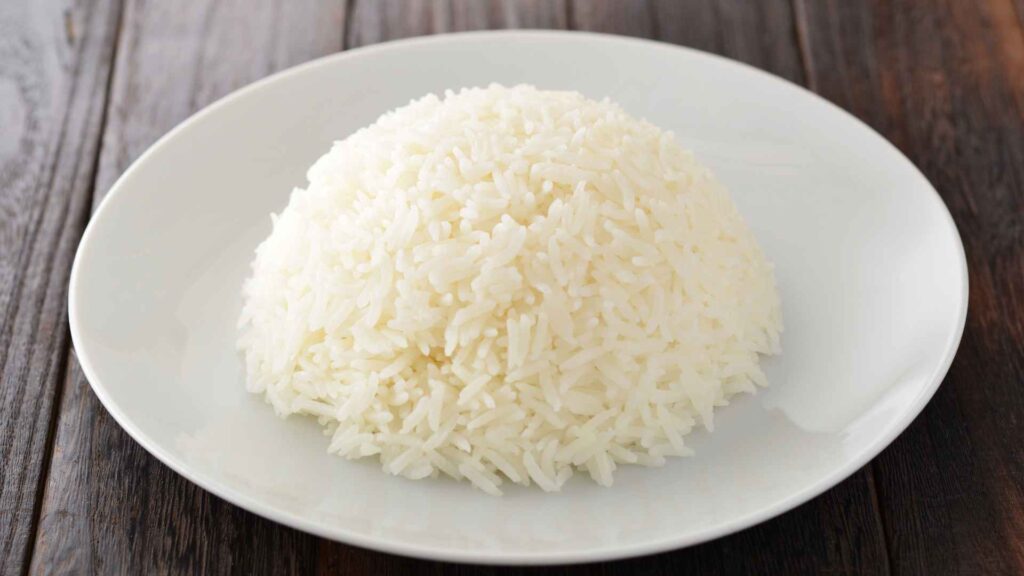
The dog-safe bowl is plain and fully cooked
Cook white rice in water until the grains are soft, following the package ratio and time. Do not add salt, butter, oil, broth, stock, garlic, onion, sauce, or seasoning.
Let the rice cool to a comfortable temperature and break up sticky clumps before offering any. A compact ball can be gulped, especially by a small dog or one that inhales food.
One spoonful mixed into a measured complete meal is different from replacing the whole bowl with rice. The first is an extra; the second can displace protein, fat, minerals, vitamins, and essential fatty acids.
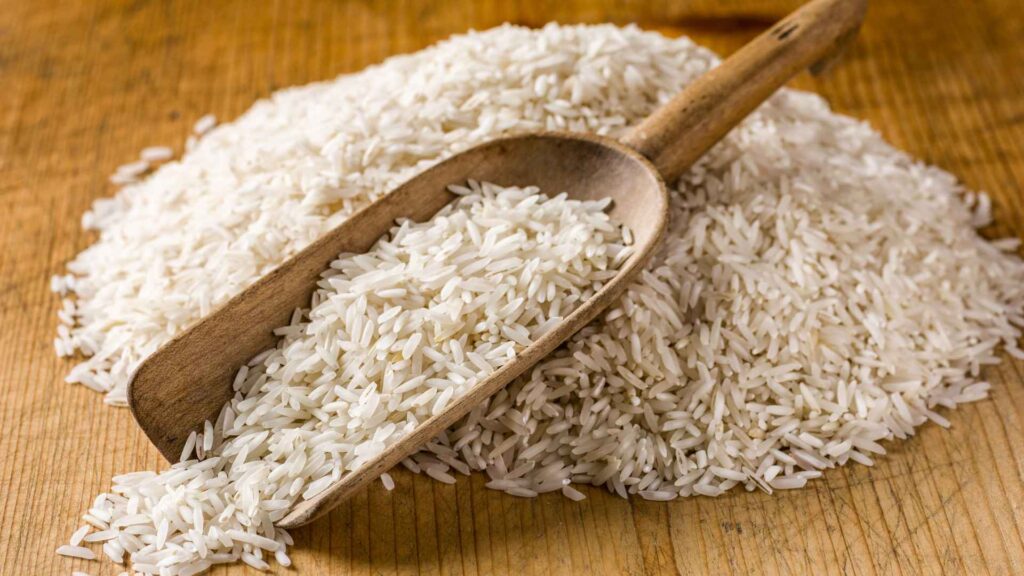
Dry rice is not a crunchy treat
Uncooked rice is hard, can be uncomfortable to chew, and may cause digestive upset after a large amount. It does not expand inside a dog into a guaranteed stomach rupture, but that internet myth should not become permission to ignore a bag raid.
If a dog tears into dry rice, estimate the weight missing and account for the bag, clip, scoop, desiccant, and pantry packaging. Call for a large amount, repeated vomiting, pain, swallowing difficulty, or missing foreign material.
Do not pour oil or water into the dog to push dry grains through. Leave normal fresh water available and get case-specific advice when the amount is significant.
White rice is not an automatic diarrhea prescription
The UC Davis gastrointestinal nutrition guide explains that bland diet has no universal definition and that veterinary therapeutic diets may be chosen instead. The right plan changes with acute versus chronic disease.
Texas A&M’s veterinary diarrhea guidance says plain white rice may appear in a short-term low-fat bland meal, but the combination is unbalanced and the cure depends on the cause of diarrhea.
Diarrhea can reflect a sudden diet change, parasites, infection, inflammation, pancreatic disease, a toxin, medication, stress, or an obstruction. Rice does not diagnose or remove any of those causes.
Call promptly for blood, black stool, repeated vomiting, a painful or swollen abdomen, profound lethargy, dehydration, suspected toxin or foreign body, very young or elderly animals, or a dog with serious medical disease. Duration and frequency also matter.
If the veterinarian recommends a bland diet
Ask for exact ingredients, cooked amounts, meal size, frequency, duration, medications, and transition back to the regular food. Do not substitute broth, rotisserie chicken, seasoned meat, or a social-media recipe.
A temporary chicken-and-rice style plan is not nutritionally complete for long-term feeding. If home cooking must continue, a veterinary nutritionist should formulate and balance the recipe for the individual dog.
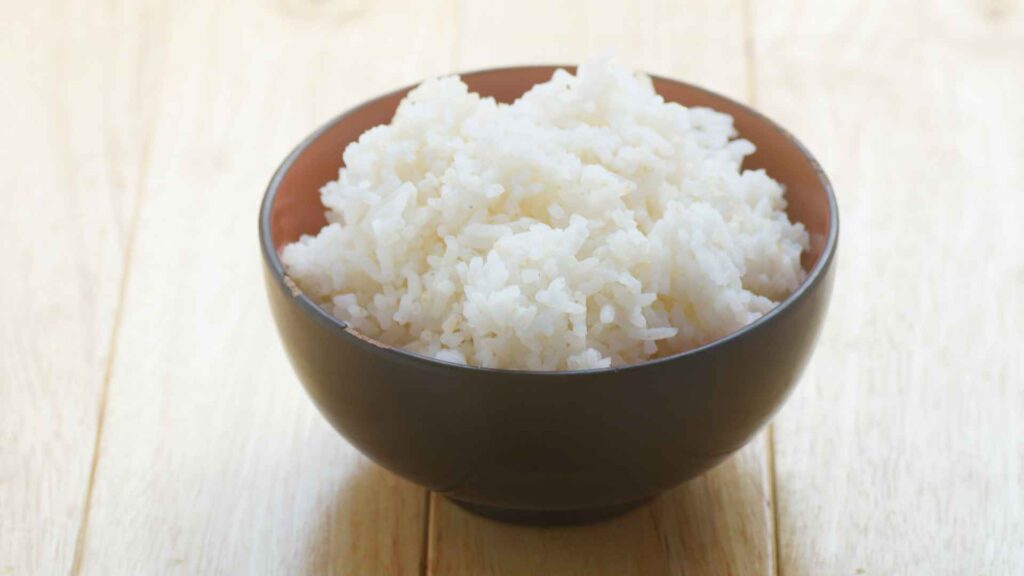
Leftover rice has a clock
Cooked rice can support Bacillus cereus growth when it sits too long at room temperature.
Current federal food-safety guidance specifically lists rice and leftovers and recommends prompt cooling in wide, shallow containers.
Refrigerate cooked rice within two hours, or within one hour in temperatures above 90°F. A forgotten pot on the counter is not made safe for a dog by reheating or by smelling normal.
Store rice covered, keep the refrigerator cold, and use a clean utensil. Discard leftovers that are old, moldy, slimy, contaminated by raw meat juices, or repeatedly warmed and cooled.
Reheat only the portion you plan to use, then cool the dog’s small serving before offering it. Repeated trips between counter and refrigerator create more opportunities for time and temperature mistakes.
Dogs can experience foodborne illness too, and contaminated food can spread organisms through bowls, saliva, stool, hands, and kitchen surfaces. Protect people in the household as well as the dog.
Seasoned, fried, and restaurant rice
Fried rice commonly adds onion, garlic, soy sauce, oil, egg, meat, and salt. Restaurant portions can be much richer and saltier than a spoon of plain home-cooked rice.
Onion and garlic remain concerning when cooked or powdered. The site’s onion guide covers cumulative Allium exposure and delayed red-blood-cell injury.
Broth rice, pilaf, risotto, jambalaya, paella, biryani, rice casserole, sushi rice, and boxed mixes all need full recipe review. Butter, cheese, alcohol, raisins, sausage, seafood shells, spicy ingredients, and sweeteners can appear.
For egg fried rice, the egg guide explains plain cooked egg versus rich or unsafe preparations. The egg does not cancel the oil, sodium, or Allium seasoning.
Large portions and diet displacement
White rice is mostly carbohydrate after cooking, so a large bowl can add many calories while diluting the nutrient density of the normal diet. Repeated toppers are especially easy to overlook in a small dog’s calorie budget.
The WSAVA treat guide recommends keeping all extras below 10 percent of daily calories. Rice shares that allowance with chews, training treats, table scraps, and every other topper.
Puppies need tightly balanced growth nutrition and should not fill up on rice. Pregnant, lactating, working, underweight, or recovering dogs also need plans based on complete nutrient and calorie needs, not a generic energy claim.
Diabetes and therapeutic diets
Cooked white rice can produce a substantial glucose response, but that does not create a universal ban or safe spoon chart for diabetic dogs. Insulin timing, the complete diet, body weight, activity, and glucose monitoring belong in the veterinarian’s plan.
Dogs on renal, cardiac, gastrointestinal, allergy, weight-loss, urinary, or low-fat diets should not receive improvised rice toppers. Even a plain food can alter calorie balance or interfere with a diagnostic diet trial.
Rice allergy is possible but cannot be diagnosed from one loose stool. A veterinarian may use a controlled elimination and rechallenge plan when adverse food reaction is suspected.
Arsenic needs proportion, not alarm
Rice absorbs arsenic more readily than many crops, but the FDA arsenic guidance says rice can remain part of a varied, balanced diet. That human guidance supports variety, not panic over one spoonful.
The FDA reports that cooking rice in excess water and draining can reduce inorganic arsenic, while also washing out some enriched nutrients. This is not a canine prescription and does not make rice a complete food.
For an occasional dog treat, diet displacement and recipe ingredients are more immediate than arsenic. For a long-term rice-heavy homemade diet, formulation, sourcing, variety, and contaminant exposure deserve veterinary nutrition input.
White, brown, jasmine, and other rice
White rice has had bran and germ removed, while brown rice retains them and generally provides more fiber. The site’s broad rice guide compares common forms and household uses.
Jasmine describes an aromatic rice type rather than a safety category; see the jasmine rice guide for its preparation details. Plain cooking and calorie balance still decide the answer.
Instant, parboiled, microwave, and frozen rice can all be plain or seasoned. Read the ingredient list for sodium, oils, broth, garlic, onion, and sauce.
A practical serving checklist
- Choose plain white rice and inspect the package for seasoning packets or added ingredients.
- Cook completely in water and use clean equipment.
- Cool promptly, loosen sticky clumps, and measure a small amount.
- Count the rice within the dog’s total treat and calorie allowance.
- Refrigerate leftovers safely and discard rice left out beyond food-safety limits.
What to do after a rice raid
- Identify dry, cooked plain, spoiled leftover, seasoned, fried, sweet, or mixed rice.
- Estimate the amount, time, dog weight, symptoms, conditions, medications, and normal diet.
- List onion, garlic, salt, fat, broth, alcohol, raisins, meat, eggs, seafood, and sauces.
- Account for bags, clips, boxes, seasoning packets, foil, takeout containers, skewers, and utensils.
- Call for a large amount, unsafe leftovers, hazardous ingredients, missing packaging, or significant symptoms.
A healthy adult dog that steals a small amount of fresh plain cooked white rice and remains normal can usually be monitored. Offer normal water and return to the complete diet without adding more table food.
Repeated vomiting, severe diarrhea, blood, marked lethargy, pain, a swollen abdomen, inability to keep water down, choking, or suspected packaging needs veterinary care. Do not induce vomiting or give human anti-diarrheal medicine unless directed.
Frequently asked questions
Can white rice stop diarrhea?
No single food cures all diarrhea. A veterinarian may include rice in a short-term plan, but the cause, hydration, duration, and dog’s condition determine treatment.
Can dogs eat rice every day?
Rice may be an ingredient in a complete formulated diet, but daily extra bowls can unbalance calories and nutrients. Long-term homemade diets need professional formulation.
Is dry rice dangerous?
It is hard and inappropriate as a treat, but it does not guarantee stomach rupture. Amount, packaging, symptoms, and the individual dog guide the response.
Can puppies eat white rice?
A veterinarian may use it briefly in a specific plan, but puppies should not lose calorie room for complete growth food. Do not invent a puppy bland diet.
The bottom line
Fully cooked plain white rice can be a small occasional extra for many dogs and may appear in a veterinarian-directed short-term bland plan. It is not a diarrhea cure, energy supplement, or complete meal.
Dry grains, unsafe leftovers, large servings, fried or seasoned dishes, medical diets, and packaging change the answer. Keep arsenic context proportionate, practice food safety, and return to complete nutrition promptly.