Can Dogs Eat Onions? Every Form Is Unsafe
Dogs should not eat onions in any form. Raw, cooked, fried, dehydrated, granulated, and powdered onion can damage canine red blood cells, and signs of hemolytic anemia may not appear for several days; after any meaningful or uncertain exposure, call a veterinarian or animal poison-control service promptly.
Do not wait for symptoms to make the first call
An onion-exposed dog can look normal while oxidative injury develops. That quiet interval is why a recent known exposure deserves assessment before weakness, pale gums, dark urine, rapid breathing, or collapse appears.
The Merck Veterinary Manual review of Allium toxicosis documents poisoning after raw, cooked, dehydrated, and granulated onion or garlic. It notes that red-cell changes begin before the most obvious clinical illness and that hemolysis typically occurs several days after exposure.
Call with the dog’s weight, product or recipe, form of onion, estimated amount, time of exposure, and any repeated exposure over recent days. Keep packaging and do not delay because the dog ate onions before without obvious trouble.
What onions do to red blood cells
Onions contain sulfur-bearing oxidants that can damage hemoglobin and the red-cell membrane. Damaged cells may form Heinz bodies and be destroyed faster than the body can replace them, producing hemolytic anemia.
Red blood cells carry oxygen, so substantial loss affects the entire body. Severe cases can require oxygen support, intravenous care, monitoring, and blood transfusion under veterinary supervision.
This is not an allergy and not simply an upset stomach. Vomiting or diarrhea may occur early, but the defining toxic injury involves red blood cells and can unfold after gastrointestinal signs have passed.
The delayed timeline matters
Merck describes methemoglobin and Heinz-body changes beginning within roughly a day and peaking later, while hemolysis commonly becomes clinically important around three to five days after exposure. Exact timing and severity vary.
A normal evening after an onion-containing meal therefore does not close the case. A veterinarian may recommend baseline and follow-up blood testing based on the amount, form, timing, dog, and consultation with toxicology.
Possible early signs
- Vomiting, diarrhea, drooling, or abdominal discomfort.
- Reduced appetite or unusual quietness.
- Onion odor on the breath after a recent raid.
Possible signs of anemia or oxygen compromise
- Weakness, lethargy, exercise intolerance, or collapse.
- Pale gums or yellow discoloration of the gums, skin, or whites of the eyes.
- Rapid breathing, panting at rest, or a fast heartbeat.
- Red, brown, or unusually dark urine.
- Poor appetite, profound fatigue, or inability to stand normally.
Breathing difficulty, collapse, severe weakness, pale or yellow gums, dark urine, or altered consciousness is an emergency. Go to an emergency clinic and report the onion exposure even if it occurred days earlier.
Raw, cooked, powdered, and dehydrated onion are all relevant
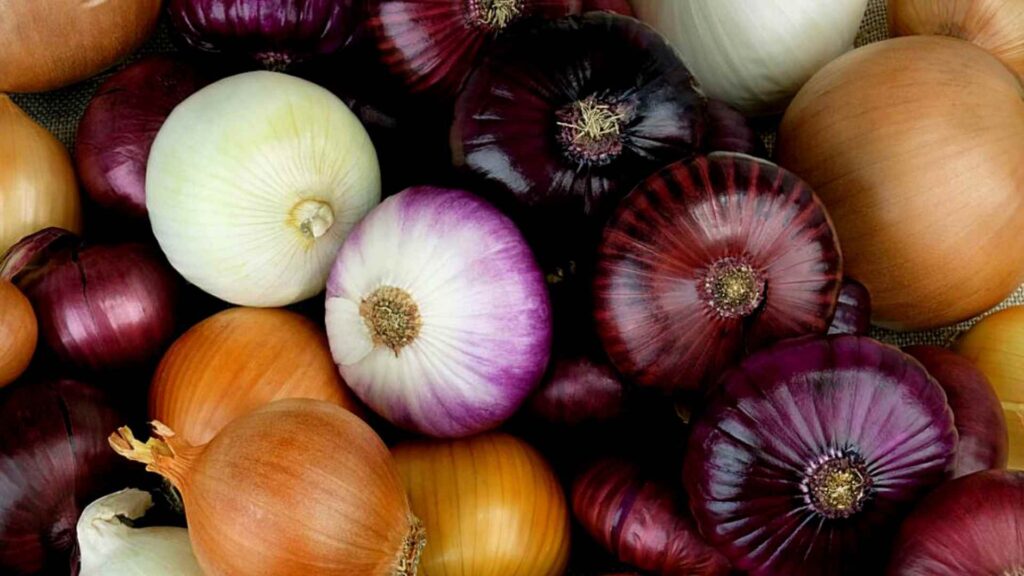
Raw onion
Raw slices, chopped onion, scraps, skins attached to the bulb, and garden onions all count as exposures. Chopping and chewing release compounds rather than making the plant harmless.
Cooked onion
Sautéing, roasting, boiling, slow-cooking, pressure-cooking, or baking does not make onion safe for dogs. Removing visible pieces from soup, sauce, or casserole does not remove compounds already distributed through the food.
Onion powder and granules
Powder and dehydrated flakes are concentrated and easy to disperse through seasoning mixes, soup packets, gravy, chips, meat rubs, baby food, and prepared meals. A small-looking spoonful cannot be compared visually with the same volume of fresh onion.
Our garlic powder guide covers the same concentration problem for another Allium. Neither powder becomes safe because it is a minor line on a human-food label.
Broth, stock, and infused liquid
Onion pieces do not need to remain visible for the dish to be unsuitable. Broth, gravy, pan drippings, soup, and sauce can contain onion compounds or concentrated powder throughout.
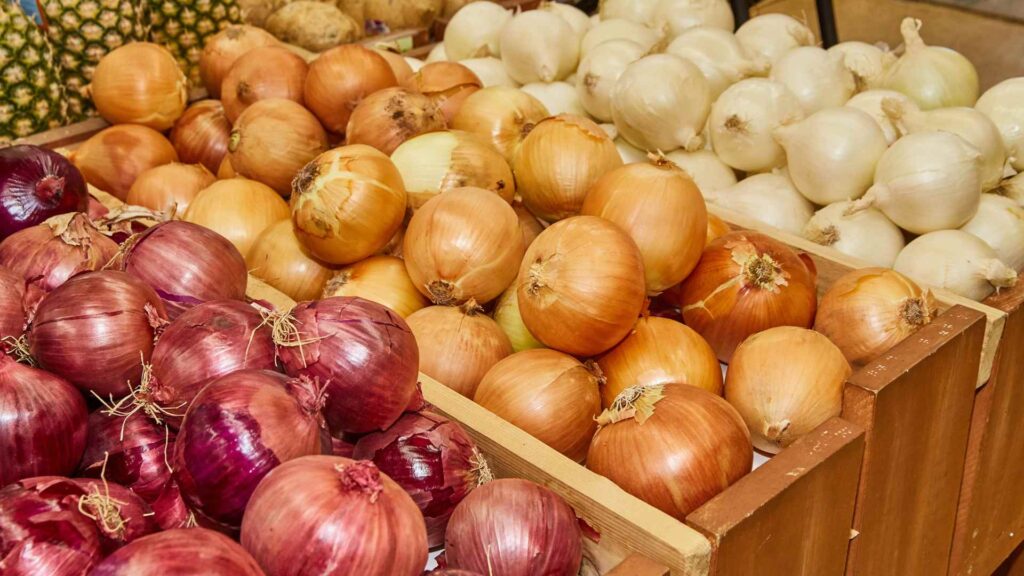
Green onion, scallion, shallot, leek, and chive
These are Allium relatives, not safe color variations. White bulbs, green portions, cooked garnishes, and dried seasoning all deserve disclosure when a dog raids a dish.
Garlic is another toxic Allium and can be more potent by weight than onion, so inventory both. See the full garlic guide when the recipe contains cloves or paste.
Repeated small exposures can matter
Toxicology is not limited to one dramatic raid. Repeated onion-containing table scraps, broth, baby food, gravy, seasoning, or leftovers can create cumulative exposure across days.
The Pet Poison Helpline onion overview warns about large or chronic Allium ingestion and the resulting Heinz-body anemia. A dog seeming fine after yesterday’s bite does not prove today’s repeat is harmless.
When calling, describe every likely exposure in the recent period rather than only the last meal. The toxicologist needs the total pattern, especially when powder or a shared batch of food was involved.
Why there is no safe onion serving table here
Published reports describe doses associated with signs, but those numbers are not a universal safety threshold. Fresh onion water content, powder concentration, recipe distribution, repeated feeding, estimation error, and individual susceptibility all change the assessment.
A teaspoon also measures volume, not the toxic compound delivered, and an onion chunk can weigh very differently from powder. Converting an uncertain casserole into a reassuring dose at home can create false precision.
Some dogs and breeds may be more susceptible to oxidative red-cell injury, but no breed should be offered onion. The correct response is case-specific toxicology advice, not experimenting beneath a published number.
Common foods that hide onion
- Soups, stocks, gravy, stews, chili, curry, and slow-cooker meals.
- Pizza, pasta sauce, salsa, guacamole, casseroles, and savory pies.
- Deli salads, meatloaf, meatballs, burgers, sausages, and seasoned ground meat.
- Bouillon, soup mix, spice blends, barbecue rubs, flavored chips, and snack mixes.
- Baby food, jarred puree, meal-replacement products, and prepared meal toppers.
- Restaurant leftovers, takeout sauce, pan drippings, and garbage.
Prepared hot dogs and sausages may contain onion or garlic powder even when no pieces are visible. Sodium, fat, wrappers, skewers, and other seasonings can add separate problems.
Traditional hummus often contains garlic, and flavored versions may add onion. A dip or spread needs a full ingredient list rather than a quick glance at its main ingredient.
Sauces built with soy sauce may also include onion, garlic, scallion, or concentrated seasoning. Report the complete dish because sodium and other ingredients can affect triage.
Onion skins, garden plants, and compost
Papery skin is not a useful treat and can accompany more onion flesh than expected. A dog that raids the trash or compost may also swallow plastic, foil, string, absorbent pads, moldy food, bones, or skewers.
Garden access can involve bulbs, green shoots, fertilizer, pesticides, mulch, and plant labels. Photograph the plant and collect product packaging without exposing yourself to chemicals.
Do not assume vomiting after a garbage raid is only onion irritation. Foreign objects, fatty foods, spoiled food, and other toxins may need separate evaluation.
What a veterinarian may do
The plan depends on timing, form, amount, dog, symptoms, and toxicology advice. With a recent exposure in an appropriate patient, a veterinarian may perform controlled gastrointestinal decontamination rather than waiting for anemia.
Blood tests can evaluate red-cell changes and anemia, and repeat testing may be recommended because injury evolves over time. Symptomatic dogs may need oxygen, intravenous fluids, kidney monitoring, and transfusion support.
There is no home test that rules out oxidative injury. Gum color can be difficult to interpret, urine may look normal early, and a dog can compensate until anemia is significant.
Do not induce vomiting at home
Do not give hydrogen peroxide, salt, mustard, oil, milk, charcoal, or any other vomiting remedy unless a veterinarian or poison-control professional specifically directs it for this dog. Home-induced vomiting can fail, delay treatment, cause aspiration, or injure the gastrointestinal tract.
Never induce vomiting in a dog that is weak, sleepy, uncoordinated, seizing, having trouble breathing or swallowing, or already vomiting repeatedly. Transport the dog for emergency care.
What to do after onion ingestion
- Remove access and keep the food, package, spice jar, restaurant receipt, recipe, or photograph.
- Identify fresh, cooked, powdered, granulated, dehydrated, broth-based, or mixed-food exposure.
- Estimate amount and time, and include repeated onion or Allium exposure over recent days.
- Record the dog’s weight, medical conditions, medications, current signs, and any missing packaging or objects.
- Call a veterinarian, emergency clinic, ASPCA Animal Poison Control Center, or Pet Poison Helpline promptly and follow their instructions.
The ASPCA onion entry lists onion as toxic to dogs and describes vomiting, red-cell breakdown, blood in urine, weakness, fast heart rate, and panting. Its broader people-food guide also includes onion, garlic, and chives.
Frequently asked questions
Can dogs eat cooked onions?
No. Cooking does not reliably remove the oxidant risk, and compounds can spread through the surrounding food.
Is onion powder worse than fresh onion?
Powder is concentrated and easy to distribute through food, so a small volume can matter. Do not compare teaspoons of powder with chunks of fresh onion at home.
My dog ate onion but seems fine. Should I still call?
Yes, because hemolytic anemia can be delayed for days. Early case-specific advice can identify whether decontamination or blood-test monitoring is appropriate.
Can one tiny onion piece poison a dog?
A tiny accidental fragment is not guaranteed to cause clinically important anemia, but size, form, dog, and repeated exposure matter. Call with specifics instead of using that sentence as permission to feed onion.
Can onion broth be fed if the pieces are removed?
No. The liquid may contain onion compounds, seasoning, fat, and sodium even when no piece remains visible.
Are onion rings safe after removing the onion?
No. The coating retains onion and adds fried fat and seasoning, so it is not a workaround.
The bottom line
Do not feed dogs onion in raw, cooked, powdered, dehydrated, granulated, broth, or mixed-food form. Allium oxidants can damage red blood cells, and a dog may appear normal before delayed hemolytic anemia becomes obvious.
After a known, repeated, or uncertain exposure, save the details and call a veterinarian or animal poison-control service promptly. Do not use a one-size dose table or DIY vomiting, and treat weakness, pale or yellow gums, dark urine, rapid breathing, or collapse as an emergency.