Can Cats Eat Citrus? Flesh, Peel, Oils, Juice, and Household Products
A tiny lick of peeled citrus flesh or diluted juice often causes no more than drooling or mild stomach upset, but cats do not need citrus and usually dislike it. Peel, zest, leaves, stems, essential oils, concentrated extracts, cleaners, and large acidic servings create a more important exposure.
Identify the part before judging the fruit
Separate juicy flesh from white pith, colored peel, seeds, leaves, branches, fresh zest, dried peel, bottled oil, diffuser liquid, and cleaning products. These forms contain different concentrations and create different routes of exposure.
For one lick of plain flesh from a peeled orange, mandarin, lemon, lime, or grapefruit and a normal cat, remove access and observe. Expect the dramatic squint-and-retreat response to be more likely than serious illness.
Call promptly after essential oil, extract, cleaner, significant peel or plant material, a large amount, repeated vomiting, weakness, tremors, wobbliness, breathing difficulty, severe drooling, skin irritation, or collapse. Do not induce vomiting or apply another oil to the coat.
Why online citrus answers seem to disagree
One source may discuss a fruit segment while another discusses the whole plant or concentrated oil. Saying citrus is simply safe ignores meaningful plant-part differences, while saying one microscopic lick of flesh is a poisoning emergency overstates the likely risk.
The ASPCA lemon entry identifies essential oils and psoralens as toxic principles. Peel and plant parts concentrate aromatic compounds more than the watery interior that people eat.
Dose, concentration, route, species, and the individual cat all matter. A drop of concentrated oil on fur can create skin, inhalation, and grooming exposure at once, which is not comparable to touching a tongue to an orange vesicle.
Flesh is lower risk but still unnecessary
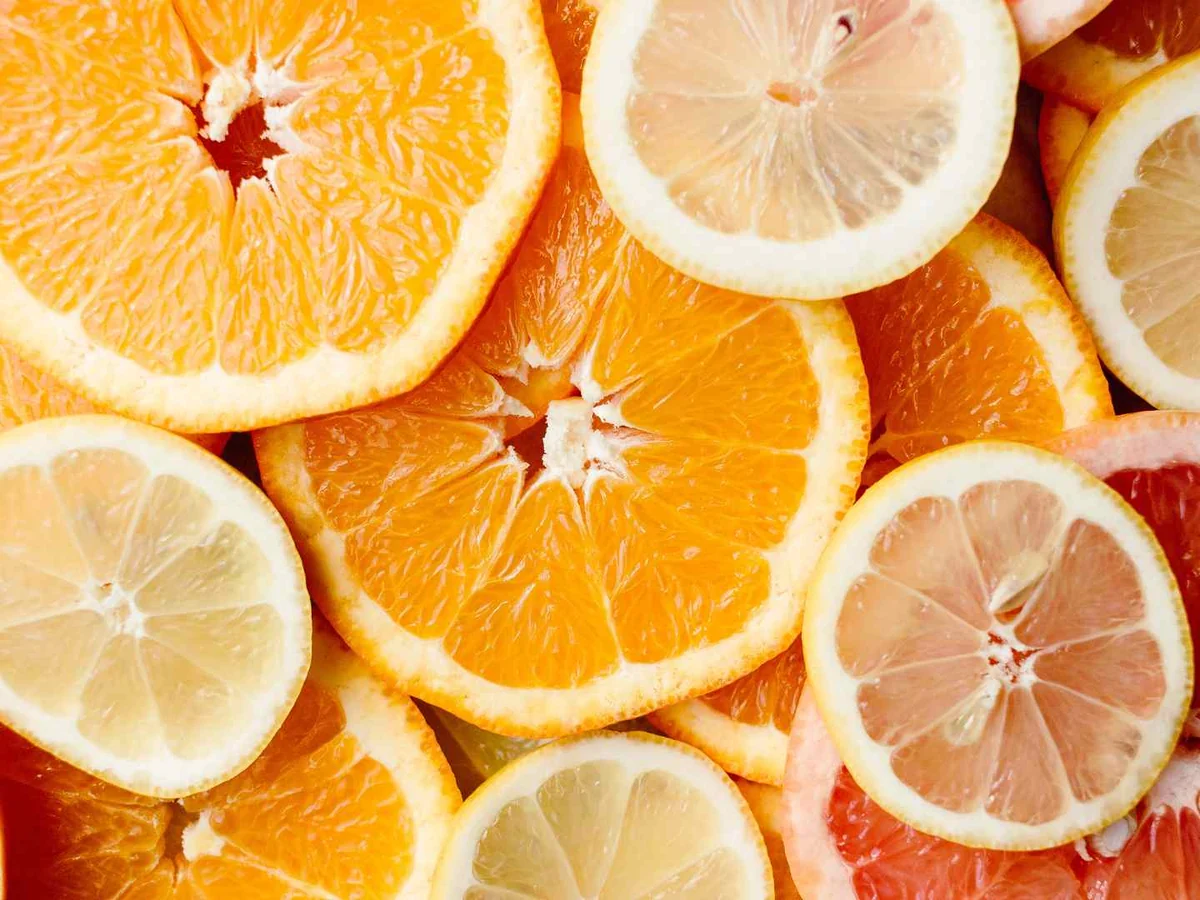
Peeled citrus flesh is mostly water, sugar, acid, and plant tissue, and most cats reject its aroma and tartness. A tiny swallowed morsel can irritate a sensitive stomach without supplying anything missing from complete cat food.
If a curious healthy adult insists, there is little benefit to testing the interest, but one seed-free piece smaller than a pea is a conservative ceiling. Remove every bit of peel, pith, membrane, and seed and never make fruit a recurring bowl topper.
Cornell’s feline nutrition guidance emphasizes complete and balanced diets with only limited treats. Citrus vitamin C is not a feline selling point because healthy cats synthesize vitamin C and do not need fruit to obtain it.
Peel, pith, and zest deserve more caution
Colored peel contains aromatic oil glands, while thick pith and rind create chewy foreign material. Zesting ruptures those oil glands and spreads concentrated droplets across hands, counters, tools, and airborne mist.
After a tiny peel nibble, remove the fruit and call for case-specific advice if material was swallowed. Repeated vomiting, diarrhea, drooling, depression, weakness, tremors, or skin redness raises urgency.
Long orange or grapefruit peel strips can also obstruct, particularly when a cat plays with and gulps them. Do not pull peel or string-like material protruding from the mouth or anus because internal tension can injure tissue.
The site’s orange peel overview helps identify rind, pith, oil, and obstruction scenarios. Its canine medical conclusions should be replaced with advice for the cat in front of you.
Fresh juice and bottled juice are different liquids
One lick of plain pasteurized orange juice is usually an acidity and sugar issue, not concentrated-oil poisoning. A saucerful may provoke drooling, nausea, vomiting, diarrhea, or appetite change, and there is no hydration advantage over water.
Lemon and lime juices are more tart, while grapefruit can interact with some medications in people and other species. Feline drug-interaction data are not complete enough to use grapefruit casually around a medicated cat, so ask the prescribing veterinarian.
Juice drinks may contain grape juice, caffeine, alcohol, botanicals, electrolytes, sweeteners, or vitamin concentrates. Photograph the label and treat a cocktail, energy drink, wellness shot, or powdered mix as its full recipe.

Essential oils and concentrated extracts are a different category
Lemon, orange, lime, bergamot, and grapefruit oils can appear in diffusers, cosmetics, flavorings, fragrance blends, pest products, and household cleaners. Concentration and route make these far more concerning than fruit flesh.
The ASPCA warns that concentrated essential oils can harm pets through direct skin contact or ingestion and reports vomiting, diarrhea, depression, unsteadiness, and low body temperature. Cats with respiratory disease may also be more vulnerable around diffusers.
If oil spills on the cat, move the bottle away, prevent licking, ventilate if safe, and call a veterinarian or poison service immediately. Do not scrub with a household solvent, citrus degreaser, or undirected detergent because decontamination must match the product.
Bring the bottle and report concentration, carrier oil, amount, time, contact sites, grooming, inhalation, and symptoms. A diffuser containing several oils requires every ingredient, not only the citrus scent named on the front.
Citrus cleaners can be caustic or irritating for other reasons
A lemon-scented cleaner may contain detergents, solvents, disinfectants, quaternary ammonium compounds, acids, or fragrance mixtures. Its safety cannot be inferred from whether real lemon oil appears in the formula.
Follow the product label for dilution, ventilation, rinsing, and pet re-entry, and keep cats away from wet surfaces. After paw or coat contact, prevent grooming and call with the exact product rather than trying to neutralize one cleaner with another.
Drooling, pawing at the mouth, vomiting, coughing, eye pain, skin redness, breathing difficulty, or unusual quietness needs prompt professional guidance. If eyes were exposed, veterinary or poison-control staff can advise immediate flushing while care is arranged.
Leaves, stems, and houseplants
Potted lemon, lime, calamondin, and orange trees bring foliage, bark, soil products, and fallen fruit within chewing height. Plant material is not equivalent to a peeled supermarket segment and should be kept inaccessible.
Take photographs of the entire plant, leaves, fruit, pot label, and chewed area after exposure. Do not rely on an identification app alone when a toxicologist needs to distinguish citrus from another ornamental plant.
Fertilizer pellets, systemic pesticides, leaf-shine products, and moldy potting soil can complicate the case. Report every treatment applied to the plant and bring packaging if it is safe to do so.
Lemon, lime, orange, and grapefruit are not identical
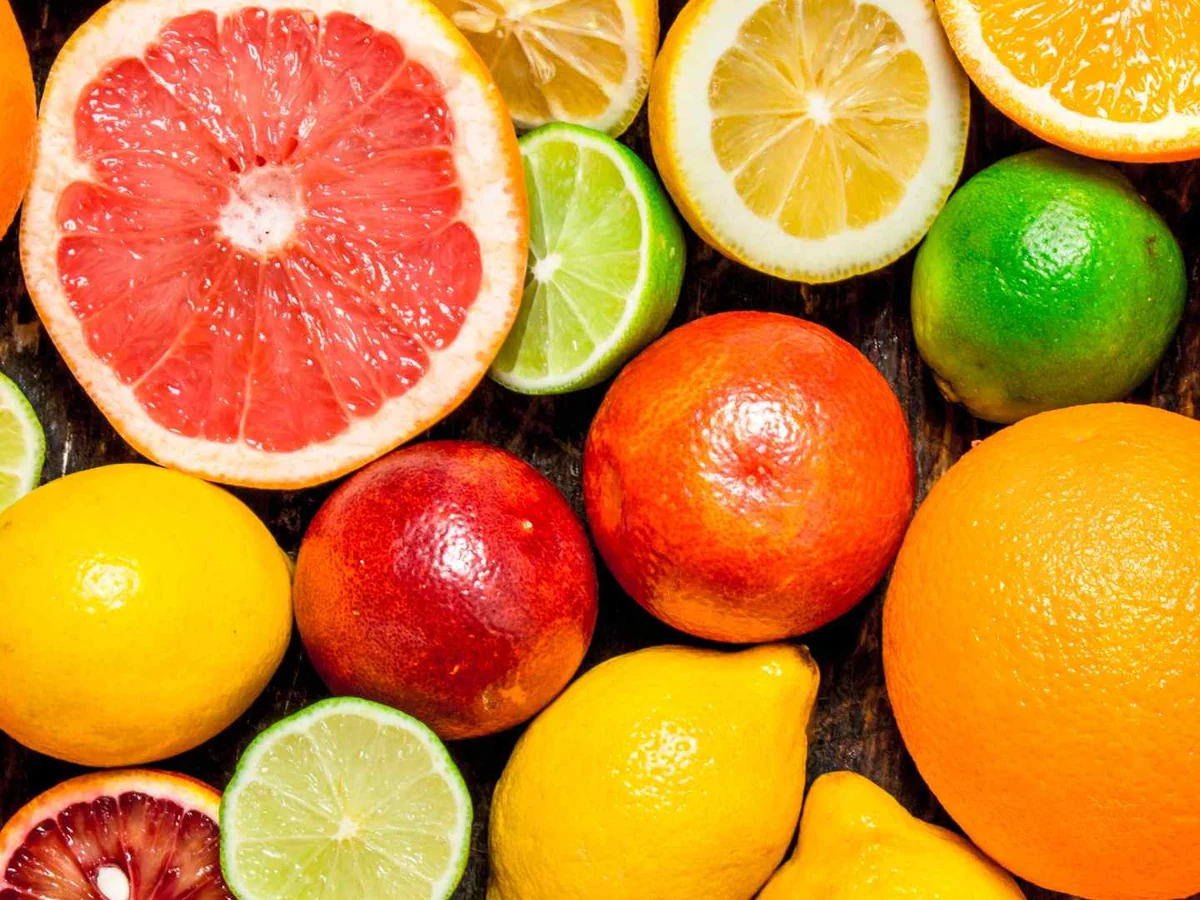
All share the practical divide between lower-concentration flesh and oil-rich peel, yet acidity, peel thickness, plant chemistry, products, and medication considerations vary. Use the broad citrus guide only to map forms, not to declare one rule for every fruit and species.
The lemon guide separates fruit, peel, drinks, and cleaners, while the lime guide addresses culinary and oil products. A grapefruit overview adds the medication question that does not arise equally with every citrus.
Mandarins, tangerines, clementines, pomelos, kumquats, and hybrids still require part and product identification. Kumquats are especially easy to eat with peel attached, which makes them a poor fruit to offer a cat.
Marmalade, desserts, marinades, and garnishes
Marmalade intentionally contains peel plus concentrated sugar and may include alcohol or alternative sweeteners. Citrus cakes can add butter, chocolate, coffee, poppy seeds, icing, and raw batter, while cocktails introduce ethanol.
Savory lemon chicken or fish may contain garlic, onion, salt, butter, bones, and skewers. Report the complete plate, because the squeeze of lemon may be medically less interesting than the seasoning or hardware.
Dried citrus wheels and potpourri concentrate peel and can be coated with fragrance oils. Keep decorative bowls behind glass rather than using bitter scent as a cat deterrent.
Food preparation and storage still matter
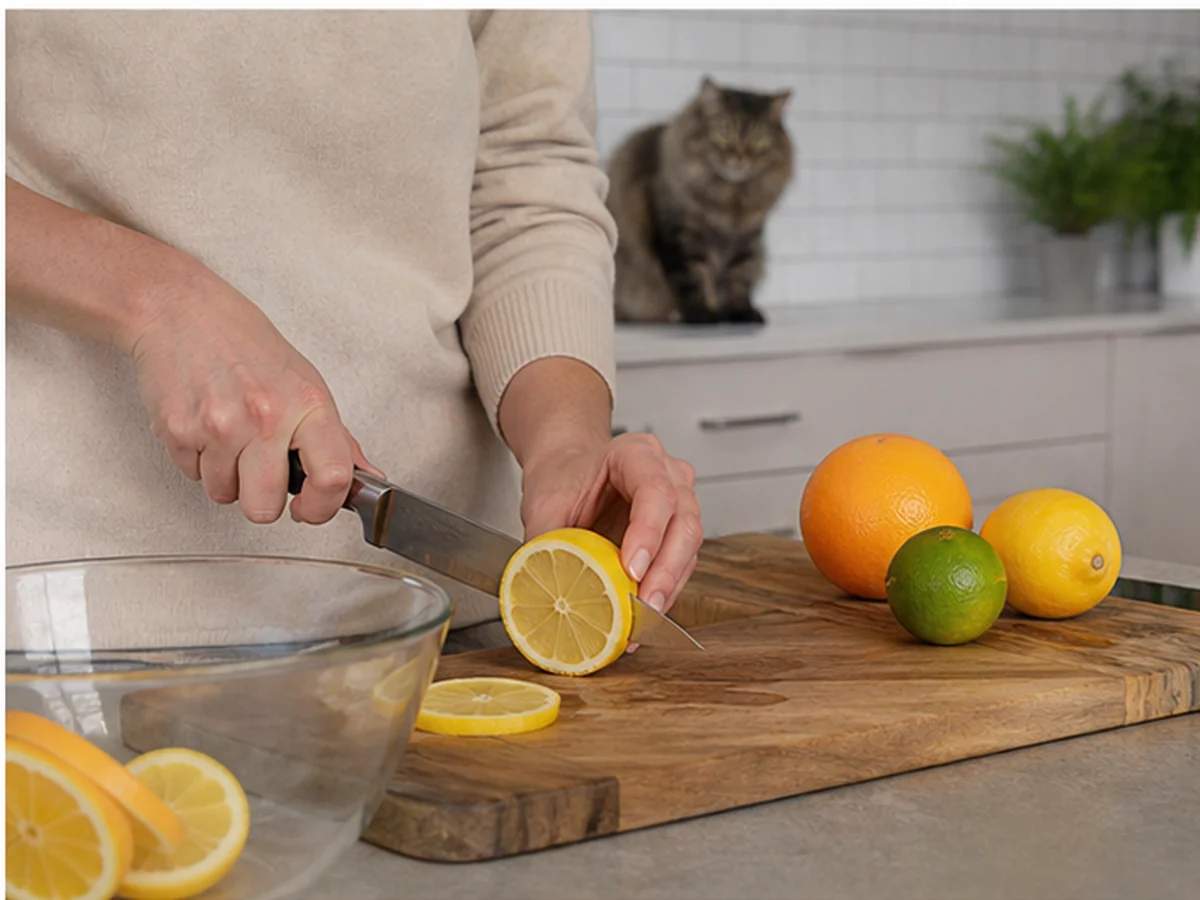
Wash whole fruit under running water before cutting, even when you plan to discard the peel, and do not use soap or produce wash. The FDA produce-safety resource recommends clean hands, tools, and surfaces and removal of rotten areas.
Clean zest and seeds from floors promptly and put peel into a lidded bin or secure compost. A curling strip is much more toy-like to a cat than the untouched fruit in a bowl.
Refrigerate cut fruit and juice as directed and discard moldy or fermented products. Fermentation can introduce alcohol, while mold adds an unpredictable hazard that rinsing cannot solve.
Cats who deserve extra caution
Kittens, seniors, and cats with liver disease, respiratory disease, chronic digestive trouble, skin disease, or prescribed diets should not be used to test citrus tolerance. Medicated cats require special care with grapefruit products and concentrated supplements.
A cat with asthma should not be confined near active diffusers or aerosolized citrus cleaners. Move the animal to clean air without causing exertion and seek help for coughing, wheezing, open-mouth breathing, or increased respiratory effort.
If appetite falls after an exposure, do not mask the problem with a succession of human foods. Cats need timely evaluation when poor intake persists or accompanies vomiting, lethargy, pain, or dehydration.
FAQ
Can cats eat orange flesh?
A tiny peel-free, seed-free taste often causes no serious problem, but acidity can upset the stomach and there is no nutritional need. Do not make it a routine treat.
What if my cat licked lemon juice?
One lick of plain dilute juice usually calls for water access and observation for drooling or stomach upset. Call for concentrated products, a large amount, cleaning solution, or persistent signs.
Is citrus peel toxic to cats?
Peel is more concerning because it contains aromatic oils and also creates a chewy obstruction risk. Contact a veterinarian or poison service after meaningful ingestion.
Can I use citrus oil to keep cats off furniture?
Do not apply concentrated oil where a cat can touch, inhale, or lick it. Use physical barriers, enrichment, and veterinarian-approved behavior strategies instead.
Bottom line
A microscopic taste of peeled citrus flesh is usually low risk, but peel, plant material, oils, extracts, cleaners, and concentrated products deserve far more caution. Name the fruit, part, product, amount, and route before deciding whether to watch or call.