Can Cats Eat Nectarines? Flesh, Pits, Tree Parts, and Products
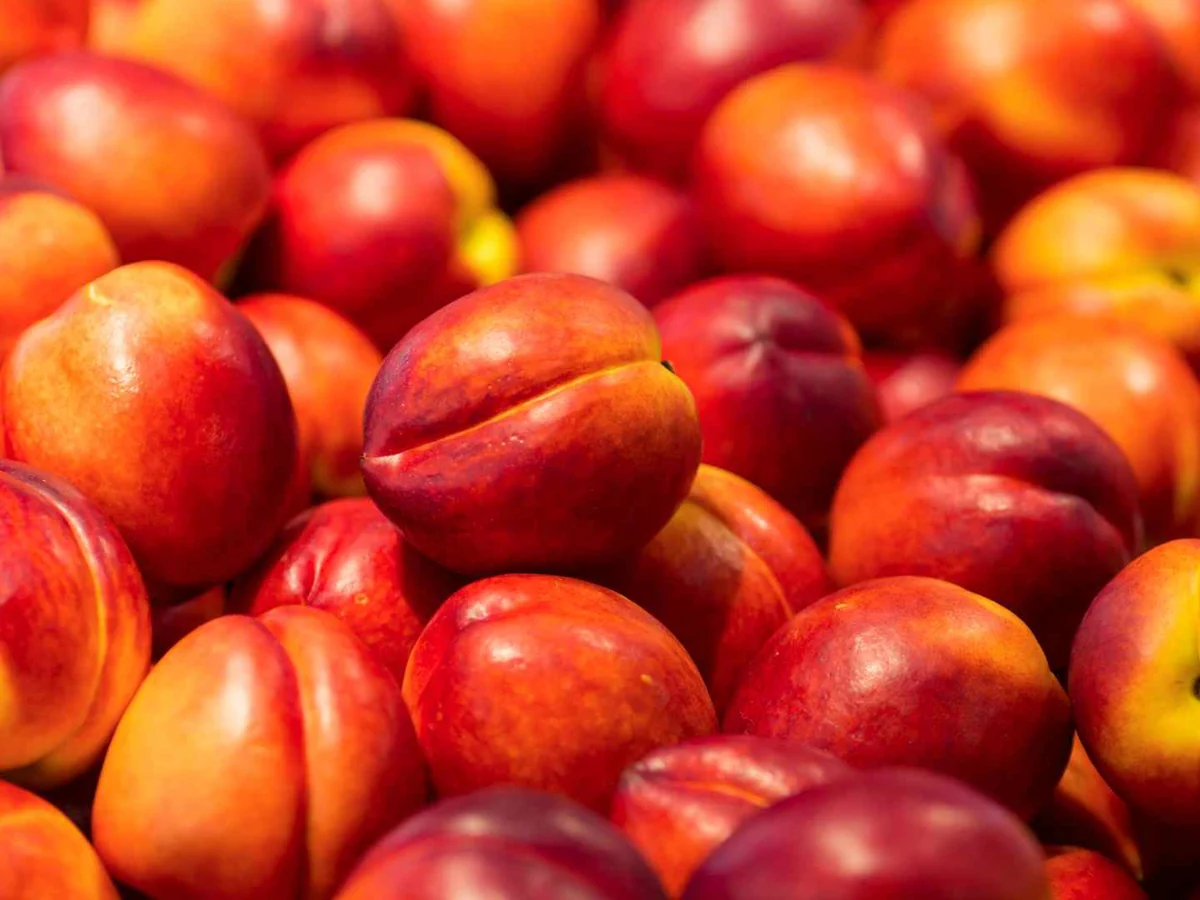
A tiny piece of ripe, plain nectarine flesh is generally low risk for a healthy adult cat, but cats do not need stone fruit. The pit, broken kernel, stem, leaves, large chunks, spoilage, sweetened products, skewers, and packaging are far more important than the soft flesh.
Find the pit before counting bites
Move the fruit away and locate the stone, stem, leaves, produce sticker, knife, and any plastic. A small flesh nibble is usually low stakes; a missing or cracked pit requires prompt veterinary guidance.
Record the amount, time, cat’s weight, and whether the pit was intact. Breathing trouble, repeated vomiting, severe drooling, collapse, weakness, bright-red mucous membranes, seizures, or a painful belly is urgent.
Do not induce vomiting or break another pit open for comparison. Keep the remaining fruit and package available for the call.
Ripe flesh is not the toxic part
Soft nectarine flesh is not recognized as a feline poison. It contains water, natural sugar, and fiber, yet offers no nutrient a complete cat diet needs from fruit.
If treats are medically acceptable, one peeled, pit-free, thumbnail-sized piece is enough. Flatten or mince it so a slippery cube cannot lodge in the throat.
The Cornell Feline Health Center emphasizes complete feline nutrition. Human claims about antioxidants and vitamins do not create a therapeutic cat portion.
The pit creates two separate hazards
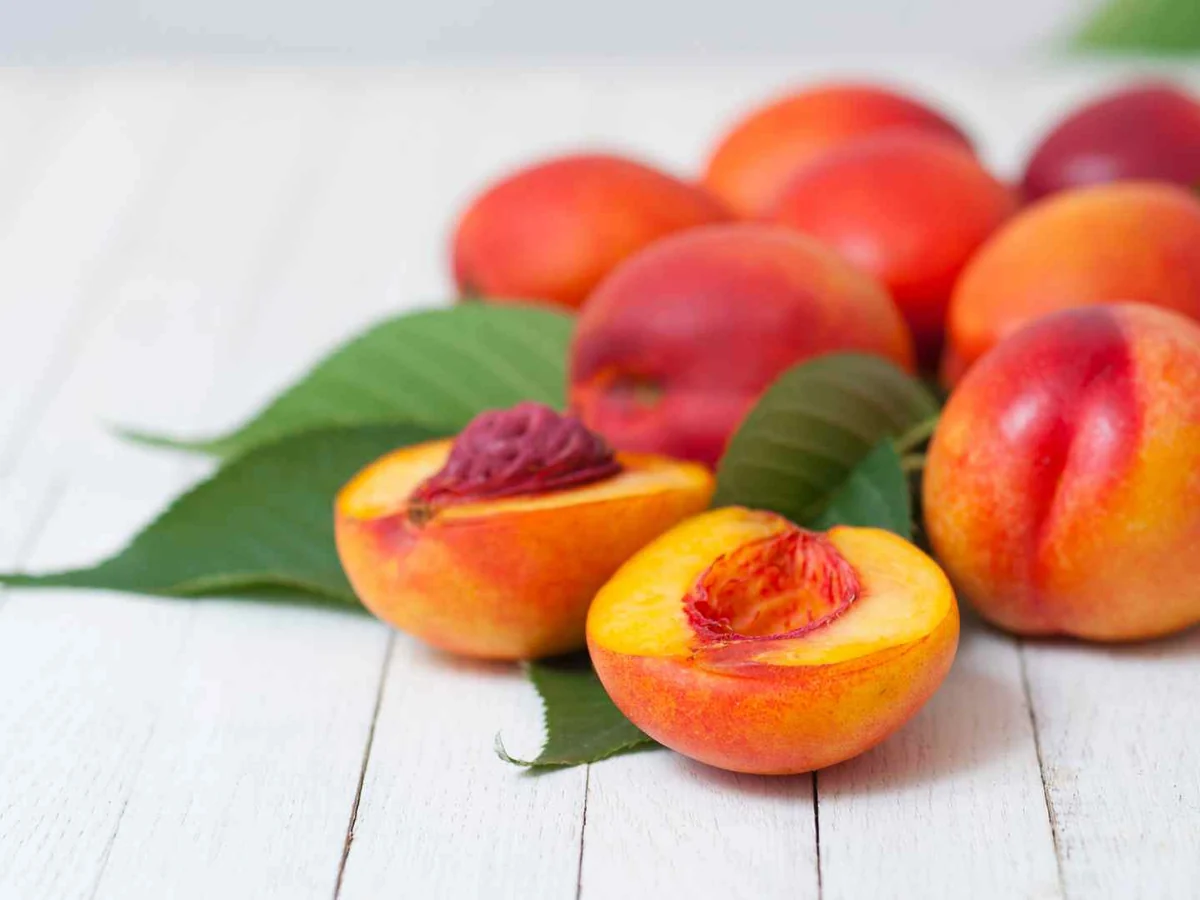
A whole nectarine stone can choke or obstruct because it is hard and comparatively large. If crushed, the kernel exposes cyanogenic material that can release cyanide under certain conditions.
Call immediately about any missing pit, even if the cat seems normal. Tell the clinic whether it was swallowed whole, chewed, cracked, or ground by a disposal.
The Merck Veterinary Manual’s cyanide overview describes rapid breathing difficulty, weakness, neurologic signs, collapse, and potentially rapid progression. Do not wait for textbook signs after a known broken-kernel exposure.
One lick from an intact stone
Flesh clinging to an intact pit may tempt a cat, but licking the surface is not equivalent to eating a crushed kernel. Remove the stone because chewing can turn one form into the other.
An intact pit that is accounted for after a brief lick generally lowers concern, though mouth or digestive signs still warrant advice. Wash hands and place the pit directly into secure trash.
Do not let a cat bat the stone around as a toy. Repeated tooth pressure can crack it, and its size makes it a poor play object even without cyanide.
Tree leaves, stems, and wilted cuttings
Leaves and stems from Prunus trees can contain cyanogenic compounds, with risk influenced by plant part and condition. Yard debris is not equivalent to ripe grocery-store flesh.
Photograph the tree, identify chemical treatments, and call about chewed leaves, twigs, or pruning piles. Wilted plant material may remain hazardous and should be cleared from pet areas.
The live nectarine product guide helps identify tree and fruit forms, but canine exposure thresholds cannot define feline safety.
Skin is edible but not necessary
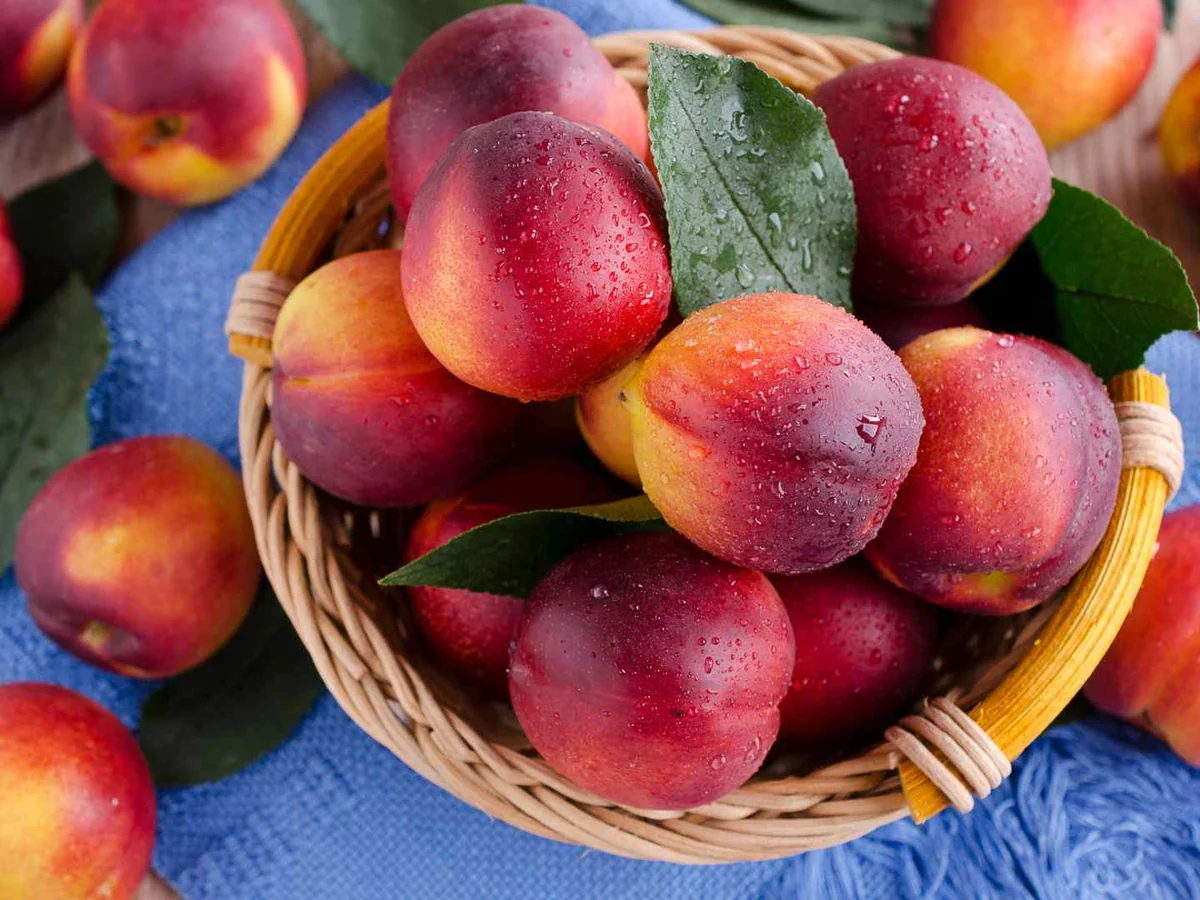
Nectarine skin itself is not a known feline toxin, although it is firmer and more fibrous than the flesh. Peeling removes produce residue and makes a tiny bite easier to chew.
The FDA produce-safety guidance recommends washing intact fruit under running water, using clean hands and utensils, and separating produce from raw meat. Do not wash fruit with soap.
A produce sticker and its adhesive are foreign material. Remove stickers before cutting and call if the label or plastic wrap disappeared.
Unripe fruit and oversized wedges
Firm unripe nectarine is harder to chew and more astringent, while a large ripe wedge is slippery enough to be swallowed poorly. Neither is suitable for a cat.
Choose a fully ripe fruit for humans and make any approved feline taste tiny. Kittens, seniors, and cats with dental or swallowing disease should skip it.
Seek emergency help if the cat cannot move air, makes silent gagging motions, or collapses. Do not sweep blindly inside the mouth.
Overripe, fermented, and moldy
Softness alone is not spoilage, but leaking juice, slime, sour or alcoholic odor, visible mold, and fizzing suggest the fruit should be discarded. Fermentation can introduce ethanol.
Moldy food can also cause gastrointestinal or neurologic illness. Tremors, seizures, profound weakness, abnormal coordination, or repeated vomiting needs urgent care.
Do not cut off the worst section and give the rest to a cat. Secure the whole spoiled fruit where pets cannot raid it.
Canned nectarines and fruit cups
Canned fruit may be packed in juice, syrup, or sweetened liquid and has a softer texture than fresh fruit. It remains sugary, nutritionally unnecessary, and potentially mixed with other fruits.
Rinse a tiny plain piece only if the medical diet permits it, though there is no benefit over skipping the treat. Check cup lids and foil for missing fragments.
The FDA Nutrition Facts guide helps distinguish serving size, added sugar, and ingredients. A no-sugar-added claim does not reveal every sweetener.
Jam, preserves, and baked desserts
Nectarine preserves can contain concentrated sugar, other fruit, spices, alcohol, or specialty sweeteners. Pies and pastries add butter, raw dough, nuts, chocolate, raisins, and foil.
A small plain jam lick is usually a digestive and calorie issue, but read the label before deciding. Call about alcohol, chocolate, cannabis, or an unknown sugar-free product.
Do not focus on one nectarine slice while ignoring the missing skewer, pastry wrapper, or dark chocolate drizzle.
Smoothies, juices, and cocktails
Blended nectarine can conceal yogurt, plant milk, protein powder, grape juice, caffeine, supplements, or sweeteners. Cocktails add ethanol and may use pits as garnish.
The cat alcohol guide explains weakness, poor coordination, unusual sleepiness, low temperature, and breathing changes. Call immediately after a meaningful alcoholic drink exposure.
Plain nectarine juice is not useful hydration. Give fresh water and use complete wet food or veterinarian-directed fluids for hydration needs.
Dried nectarines concentrate the bite
Drying removes water, increases sugar per bite, and creates a leathery strip that can be difficult to swallow. Commercial pieces may be sulfited, sweetened, or packed with desiccant.
Do not offer dried nectarine to cats. Call after a large strip, choking signs, repeated vomiting, or missing package material.
The cat dried mango guide offers useful comparison for texture, sulfites, sugar, and bags, although the fruits differ.
Nectarine versus peach
Nectarines and peaches are closely related, with smooth versus fuzzy skin being the obvious household difference. Both have stone-fruit pit and tree-part concerns.
That relationship does not justify guessing that every cultivar, product, or garden plant has an identical composition. Identify the fruit and exact part involved.
Plums, cherries, and apricots also belong to the stone-fruit conversation but vary in pit size and product forms. One article should not become a blanket dose chart.
Cats with medical reasons to decline
Cats with diabetes, obesity, chronic digestive disease, food allergy, dental disease, or prescription diets should not receive nectarine. The fruit adds sugar, fiber, and an unapproved variable.
Never use nectarine to treat constipation or poor appetite without veterinary guidance. Food refusal in cats deserves timely assessment.
A kitten exploring dropped fruit is more likely to gulp or chew a pit than to benefit from the flesh. Clear prep scraps immediately.
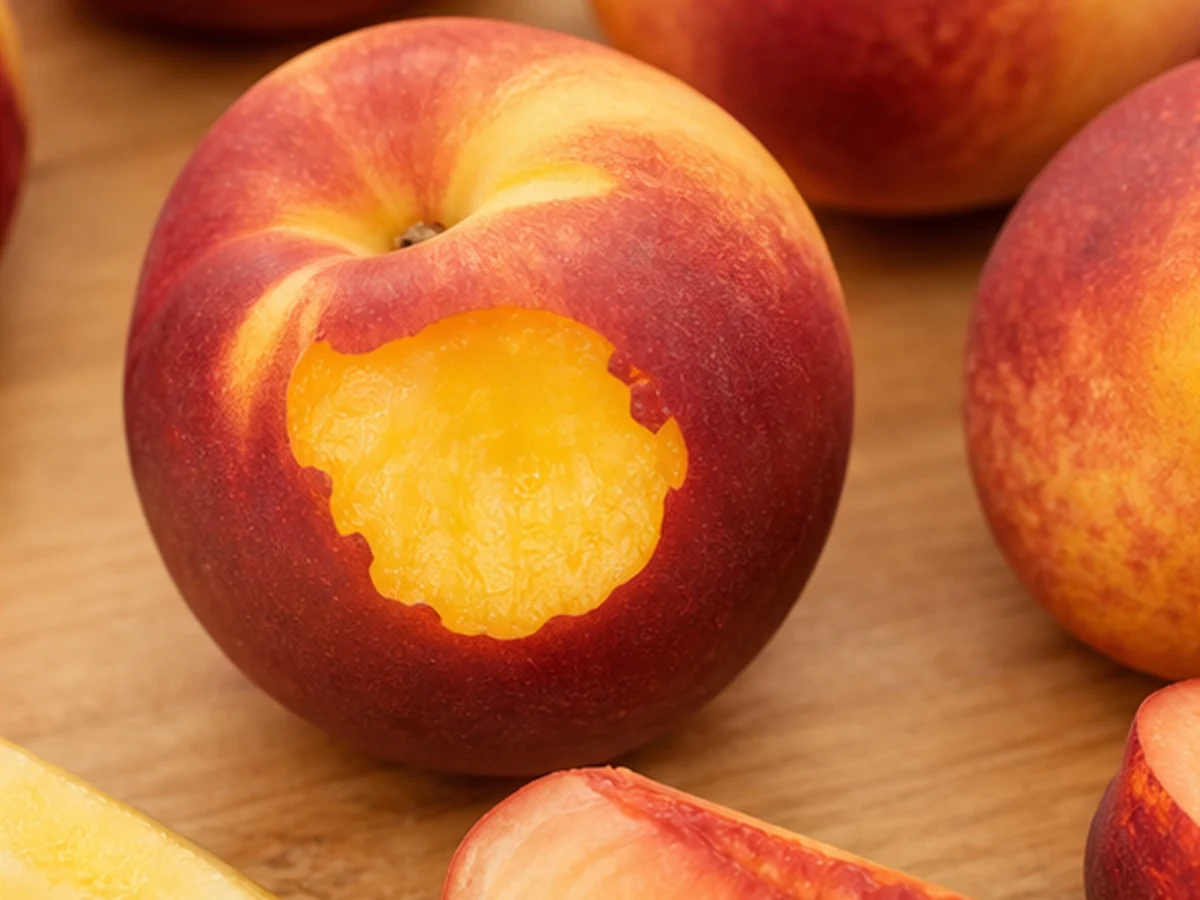
Watching after one flesh bite
Nectarine-flavored yogurt, frozen desserts, and candy deserve their own ingredient lists because flavoring may be a minor component. Dairy, chocolate, coffee, alcohol, sugar substitutes, sticks, and wrappers can easily outrank the named fruit.
A frozen fruit bar is also a hard, slippery object until it softens, and a wooden stick can puncture. Do not let a cat lick unattended desserts directly from their handles.
When multiple pets had access, separate them and inventory remaining food before assigning blame. The cat with juice on its chin may have eaten less than the quieter pet who carried off the pit.
Outdoor fallen fruit should be cleared daily because pits accumulate and fermenting flesh attracts insects. Check beneath trees after wind, pruning, or wildlife activity rather than waiting for the cat to discover the harvest.
If pesticide spray reached the coat, prevent grooming and call with the product label. Advice for ripe flesh cannot be used to manage agricultural chemical exposure.
When the pit is present and intact and the cat ate one tiny soft piece, continue normal meals and water. Observe appetite, energy, stool, vomiting, swallowing, breathing, and litter-box habits.
Call if signs recur, worsen, or include pain, weakness, dehydration, or refusal to eat. A missing pit never belongs in the monitor-only category.
Cut nectarines over a clear work surface, move pits directly to lidded trash, remove stickers, and keep fruit bowls beyond paw reach.
FAQ
Can cats eat ripe nectarine flesh?
One tiny, soft, pit-free piece is generally low risk for a healthy cat, but it is unnecessary and should not displace complete food.
What if my cat swallowed a nectarine pit?
Call immediately because the pit can choke or obstruct, and a broken kernel adds cyanogenic risk. Do not wait for symptoms.
Is nectarine skin safe for cats?
The washed skin is not a known feline poison, but peeling makes the piece softer and removes residue. A tiny flesh taste is simpler.
Can cats eat canned nectarines?
Do not offer syrup-packed fruit. A tiny drained plain piece may be low risk, but check sweeteners, other fruits, and foil packaging.
Bottom line
Ripe nectarine flesh is generally low risk in one tiny piece, while the pit and broken kernel demand prompt attention. Tree parts, large chunks, spoilage, sweetened products, skewers, and packaging complete the safety picture.