Can Cats Eat Feta Cheese? Sodium, Brine, Dairy, and Salads
A healthy adult cat may tolerate one tiny crumb of plain feta, but feta is a poor routine treat. Its brine and sodium matter, many cats handle dairy poorly, and flavored blocks, salads, pastries, hot dishes, olives, onion, garlic, herbs, skewers, and plastic tubs can turn a crumb into a much bigger question.
Feta arrives with baggage, starting with brine
Traditional feta is a soft, tangy cheese stored or packed in salty liquid, although crumbled dry packages and feta-style products also exist. Sheep milk, goat milk, cow milk blends, milkfat, moisture, cultures, salt, and flavorings vary by producer and country.
Read the exact label instead of relying on the word feta. A lower-fat crumble can still be salty, while a block removed from brine may carry more liquid than a dry-looking salad sprinkle.
One tiny plain crumb is different from lapping brine, eating a fistful of crumbles, or raiding a Greek salad. The cat’s health, amount, accompanying ingredients, packaging, and symptoms determine the response.
Why lower lactose does not settle the dairy question
Cheesemaking removes some lactose with whey and fermentation uses more, so feta often contains less lactose than milk. It is not automatically lactose-free, and individual cats vary in what they digest comfortably.
The ASPCA notes that significant dairy can cause digestive upset in pets with inadequate lactase. Gas, soft stool, diarrhea, vomiting, nausea, or appetite reduction may follow an overgenerous serving.
Low lactose does nothing to remove salt, calories, fat, herbs, or the cheese’s incomplete nutrient profile. Our cat cheese guide compares other styles without treating dairy tolerance as an all-or-nothing trait.
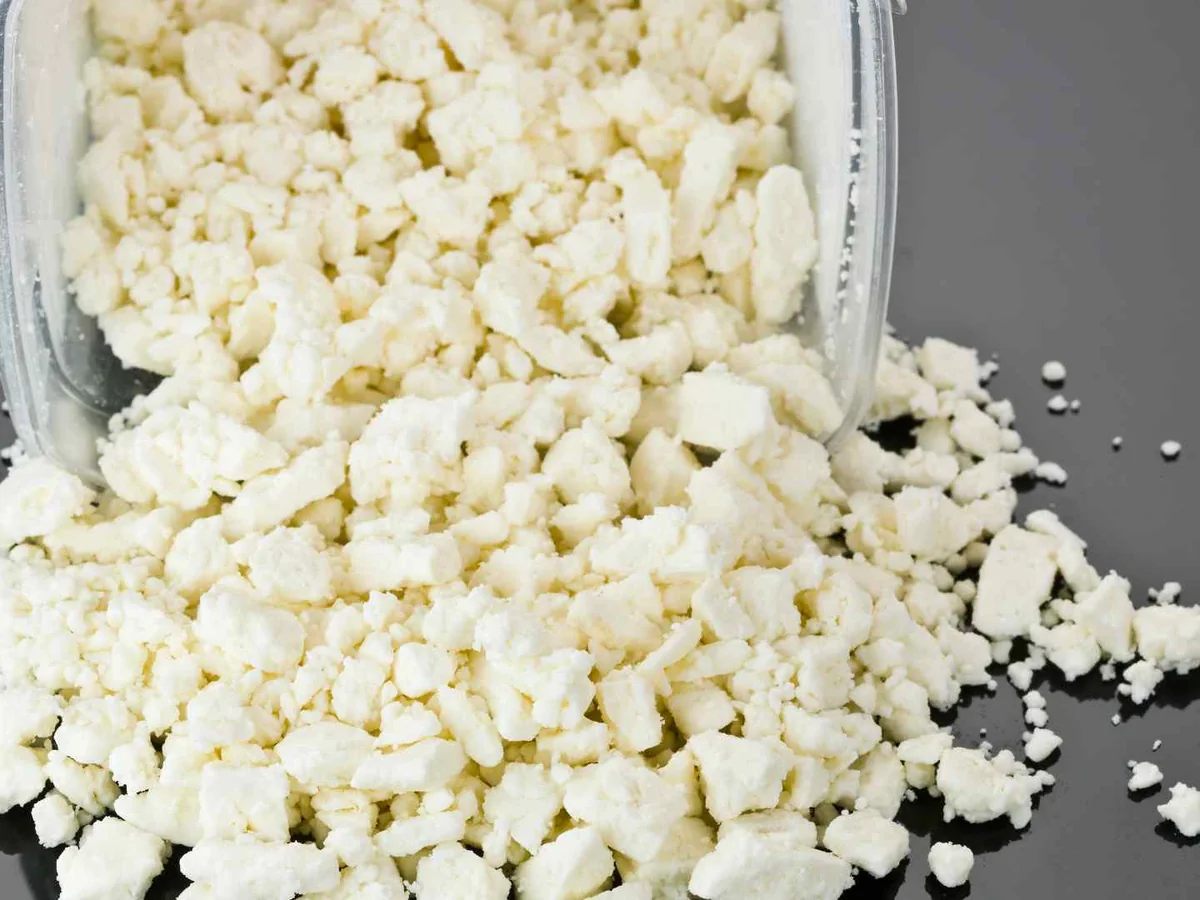
Brine is the reason a block tastes so assertive
Salt contributes flavor, preservation, and texture, and brined feta can carry surface liquid into the serving dish. A cat should never receive a saucer of feta brine as a broth substitute.
One crumb is unlikely to cause salt poisoning in a healthy cat, but a substantial cheese-and-brine raid, concentrated liquid, restricted water, or sodium-sensitive disease needs prompt advice. Marked thirst, vomiting, weakness, tremors, incoordination, seizures, or altered behavior is concerning.
Provide ordinary fresh water without forcing it into the mouth. Electrolyte disturbances require controlled veterinary treatment, not an attempt to flush the cat at home.
Cats with kidney disease, heart disease, high blood pressure, urinary disease, or a prescription sodium target should skip feta unless their veterinarian specifically approves it. Rinsing a block may remove surface brine but cannot convert it into a medical-diet food.
Fat and calories hide inside small white crumbles
Feta looks light because it breaks into airy pieces, yet it still contributes fat and calories. Several diners sprinkling “just a little” can add up to a surprisingly large feline serving.
Rich food can trigger nausea, vomiting, loose stool, or abdominal discomfort, particularly in a cat with prior gastrointestinal or pancreatic trouble. Avoid claiming every fatty crumb causes pancreatitis, but persistent pain or repeated vomiting warrants examination.
Reduced-fat feta changes one number without making the food complete, low-sodium, or appropriate for every cat. Compare the current nutrition panel and remember that its serving size is designed for people.
A feta salad is a recipe audit
| Salad item | Why it matters | Useful action |
|---|---|---|
| Onion, scallion, or garlic | Alliums can damage feline red blood cells | Call after known ingestion, even before delayed signs. |
| Olives and dressing | Salt, oil, vinegar, herbs, and pits vary | Keep label or recipe and count pits. |
| Tomato and cucumber | Plant parts, size, and dressing matter | Identify what was actually swallowed. |
| Grapes or raisins | Feline evidence is limited, but uncertainty warrants advice | Do not assume canine thresholds or guaranteed safety. |
| Skewer or toothpick | Sharp foreign object can puncture tissue | Never induce vomiting; call promptly. |
| Plastic film or tub seal | Can choke or obstruct | Account for every torn piece. |
Onion and garlic deserve special attention because cooking and dehydration do not neutralize their oxidative effect. The Merck Veterinary Manual identifies cats as particularly susceptible to Allium toxicosis and notes that anemia may take days to become obvious.
Possible delayed signs include appetite loss, weakness, pale or yellow gums, fast breathing, dark urine, and collapse. Use the feline onion guide when the missing feta sat in a seasoned salad or pastry.
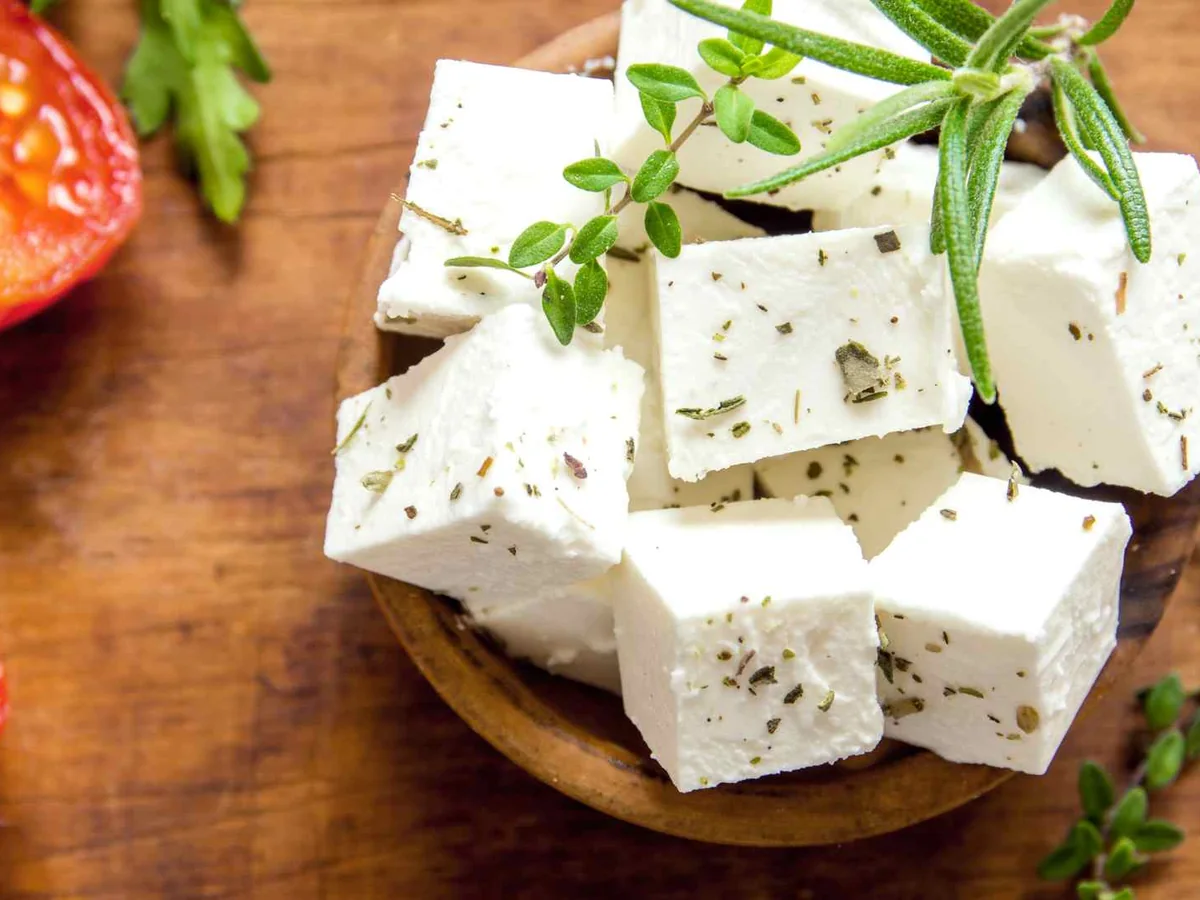
Herbed and flavored feta
Garlic-herb, pepper, chili, sun-dried tomato, truffle, and marinated feta products can contain concentrated flavorings, salt, oil, or Alliums. Scraping the visible herbs away does not remove what has soaked into a soft cheese.
Hot pepper can irritate the mouth, eyes, and stomach, while oil increases richness and spreads seasoning. Call for persistent drooling, eye pain, breathing changes, repeated vomiting, or a concentrated pepper product.
Do not use milk to cool a spicy exposure. Many cats digest lactose poorly and forced liquid can enter the airway.
Pastries and hot dishes multiply the hazards
Spanakopita, feta pie, pizza, stuffed chicken, baked pasta, omelets, and roasted vegetables may contain onion, garlic, butter, salt, dough, bones, skewers, or hot filling. The cheese name is only one line in the exposure history.
The cat pizza guide covers seasoned crust, sauce, toppings, cheese, and boxes. A feta-topped slice should be assessed as pizza, not as one isolated dairy crumb.
Hot feta and oil can burn the mouth even when the plate looks cool around the edges. Sudden drooling, mouth-pawing, lip swelling, or food refusal after a hot bite needs veterinary guidance.
Is goat or sheep feta better for cats?
Milk species can change flavor, protein profile, fat, and lactose, but none makes feta nutritionally necessary. A cat may react to one dairy protein or formulation and tolerate another, yet home sampling is not a reliable allergy test.
Recurring itch, ear inflammation, vomiting, or diarrhea needs veterinary investigation. Facial swelling, wheezing, breathing difficulty, or collapse after any food is an emergency.
Do not introduce feta during a prescription elimination diet. One crumble can invalidate the controlled ingredient history the trial depends upon.
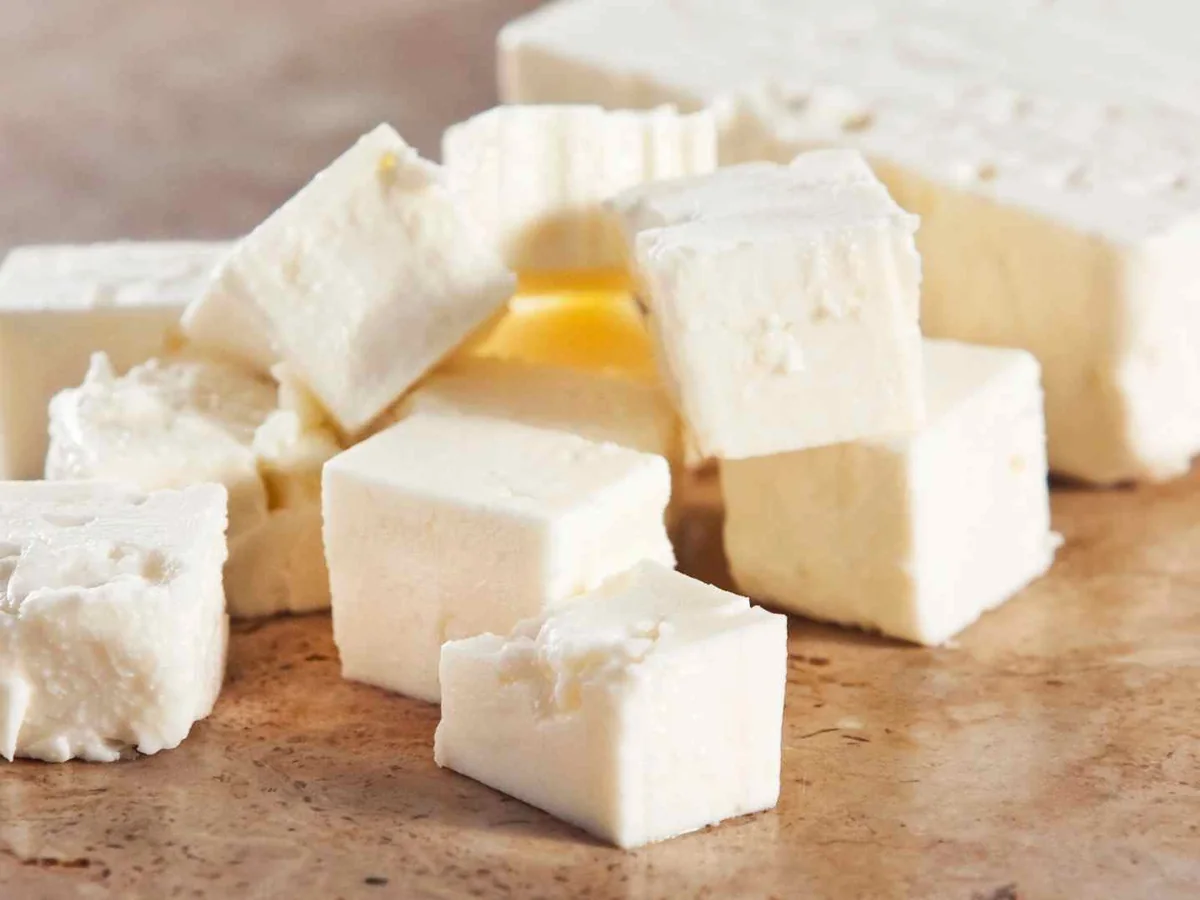
Feta is not a calcium supplement
Cheese contains calcium and protein, but adding it to a balanced diet can distort calories, sodium, minerals, and nutrient ratios. A kitten especially needs correctly formulated growth food rather than improvised dairy supplementation.
The FDA describes how nutritional adequacy is established and declared on pet-food labels. Feta does not carry a feline life-stage claim and cannot repair an unbalanced homemade recipe.
If a cat has a confirmed nutrient deficiency or requires a homemade diet, the veterinarian or veterinary nutritionist should select the ingredient and dose. More calcium is not automatically safer.
Mold, spoilage, and refrigeration
Feta is moist and perishable, so follow package directions for refrigeration and use after opening. Discard a swollen tub, broken seal, unpleasant odor, unexpected slime, or unintended mold.
Do not trim a questionable patch and feed the rest to a pet. The FDA recommends keeping refrigerators at or below 40°F and refrigerating perishable food promptly.
A deliberately cultured cheese is not permission to ignore later spoilage. Save the package and lot information if several people or animals become ill after the same product.
Tubs, foil, wax, and serving hardware
Brine tubs may have foil seals, plastic lids, inner films, and labels that smell like cheese. A swallowed strip can choke or obstruct even when the cat consumed little feta.
Repeated vomiting, appetite loss, abdominal pain, reduced stool, straining, or marked lethargy after packaging disappears requires veterinary assessment. Never pull a visible strip from the mouth or rectum.
Cocktail picks and skewers from feta appetizers are sharp emergencies. Bring a matching item or photograph with measurements and do not induce vomiting.
A practical response to a feta raid
- Identify the product: block, crumble, flavored cheese, brine, salad, pastry, dip, or hot dish.
- Rebuild the recipe: list onion, garlic, grapes, olives, dressing, alcohol, spice, dough, bones, and meat.
- Count the nonfood pieces: find every pit, toothpick, skewer, lid, foil seal, and plastic strip.
- Call promptly: seek advice for Alliums, substantial brine, a large serving, spoilage, foreign objects, or a medically fragile cat.
- Use emergency care: airway trouble, collapse, seizures, profound weakness, repeated retching, or severe abdominal pain cannot wait.
A healthy cat that stole one tiny plain crumble and remains normal may only need observation. Continue the regular food and water rather than adding more dairy to test tolerance.
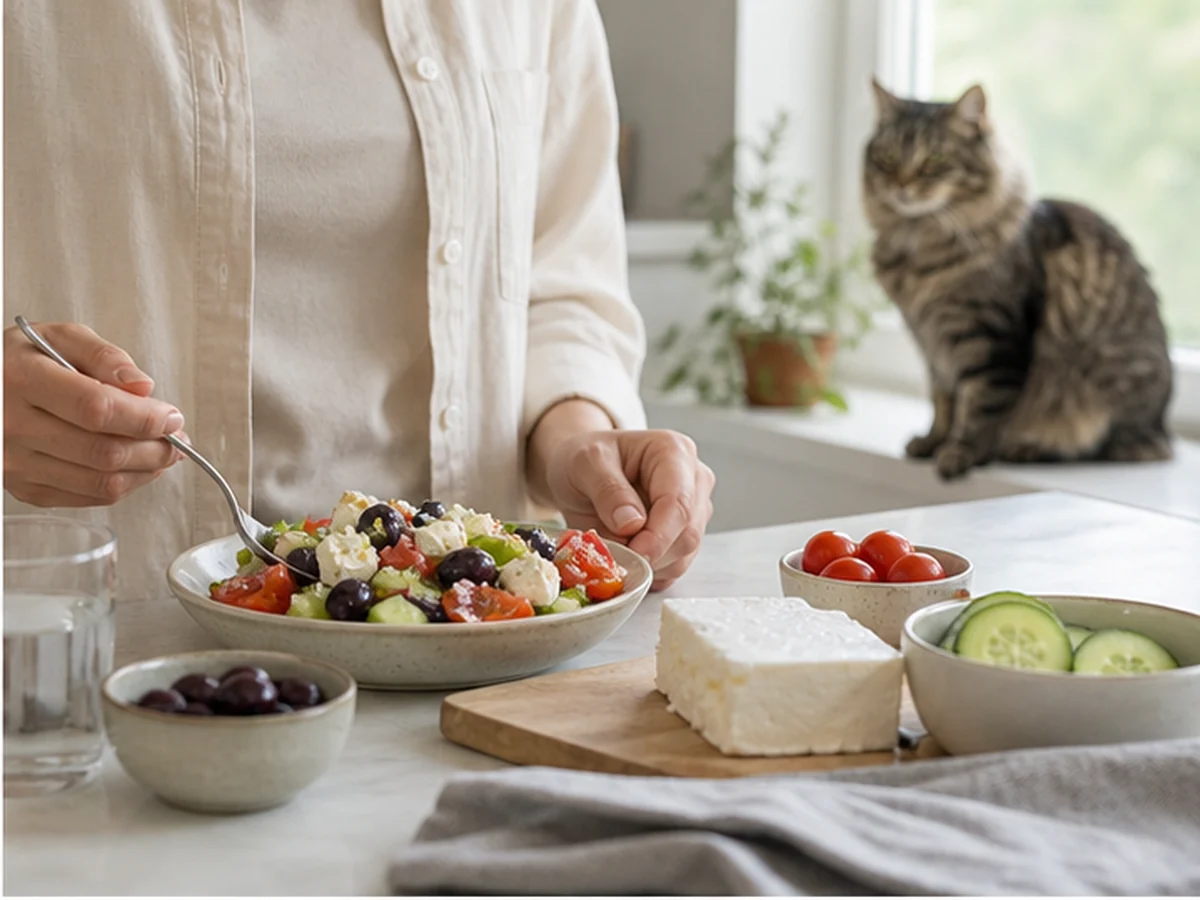
Serving feta to people in a cat household
Move the block from its brine to the serving dish with utensils instead of fingers that will later handle cat food. Clear fallen crumbles immediately, since white cheese disappears easily against pale counters and tile.
At parties, provide one closed bowl for olive pits, picks, wrappers, and salad scraps. Guests are more likely to follow a no-sharing rule when the cat already has a measured treat or puzzle feeder away from the buffet.
Frequently asked questions
Can kittens eat feta cheese?
Kittens need complete growth food and have little room for salty, calorie-dense extras. Keep brine, crumbles, salad picks, and packaging away from their small mouths.
Can cats eat reduced-sodium feta?
A microscopic plain taste may be tolerated, but reduced sodium is a comparison claim rather than a feline approval. Dairy tolerance, fat, calories, add-ins, and the cat’s medical diet still matter.
What if my cat drank feta brine?
Call with the product’s sodium information, estimated volume, cat’s weight, medical conditions, and symptoms. Do not force water or use home electrolyte remedies.
Can feta hide a pill?
Only if the prescribing veterinarian confirms compatibility with that drug and diet. Use the smallest amount possible, verify the entire dose was swallowed, and request another method if dairy causes upset.
Bottom line
Feta packs plenty of personality into a small crumble, along with salt, dairy, and recipe complications a cat never requested. Keep brine and salads off the menu, secure sharp serving pieces, and let balanced feline food handle protein and minerals.