Can Cats Eat Onions? Hidden Forms, Delayed Anemia, and Next Steps
No, cats should not eat onions. Raw, cooked, fried, dehydrated, and powdered onion can damage feline red blood cells, and the most serious signs may wait several days to appear, so call your veterinarian or an animal poison service promptly after a known exposure.
What to do now
Move the food out of reach, save the package or recipe, and note when the cat ate it. Call with the cat’s weight, age, medical conditions, estimated amount, onion form, and any symptoms, even if some of those details are uncertain.
Do not make a cat vomit at home and do not give hydrogen peroxide, salt, mustard, oil, milk, or activated charcoal unless a veterinarian directs treatment. Products used to induce vomiting in dogs can be unsafe or ineffective in cats.
- Emergency signs: collapse, severe weakness, difficulty breathing, pale or yellow gums, dark urine, tremors, or seizures.
- No symptoms yet: still call because red blood cell injury and anemia can be delayed.
- Unknown amount in broth or seasoning: share the label or full recipe rather than inventing a dose.
- Repeated exposures: report every meal because oxidative injury can accumulate.
Why onions are dangerous to cats
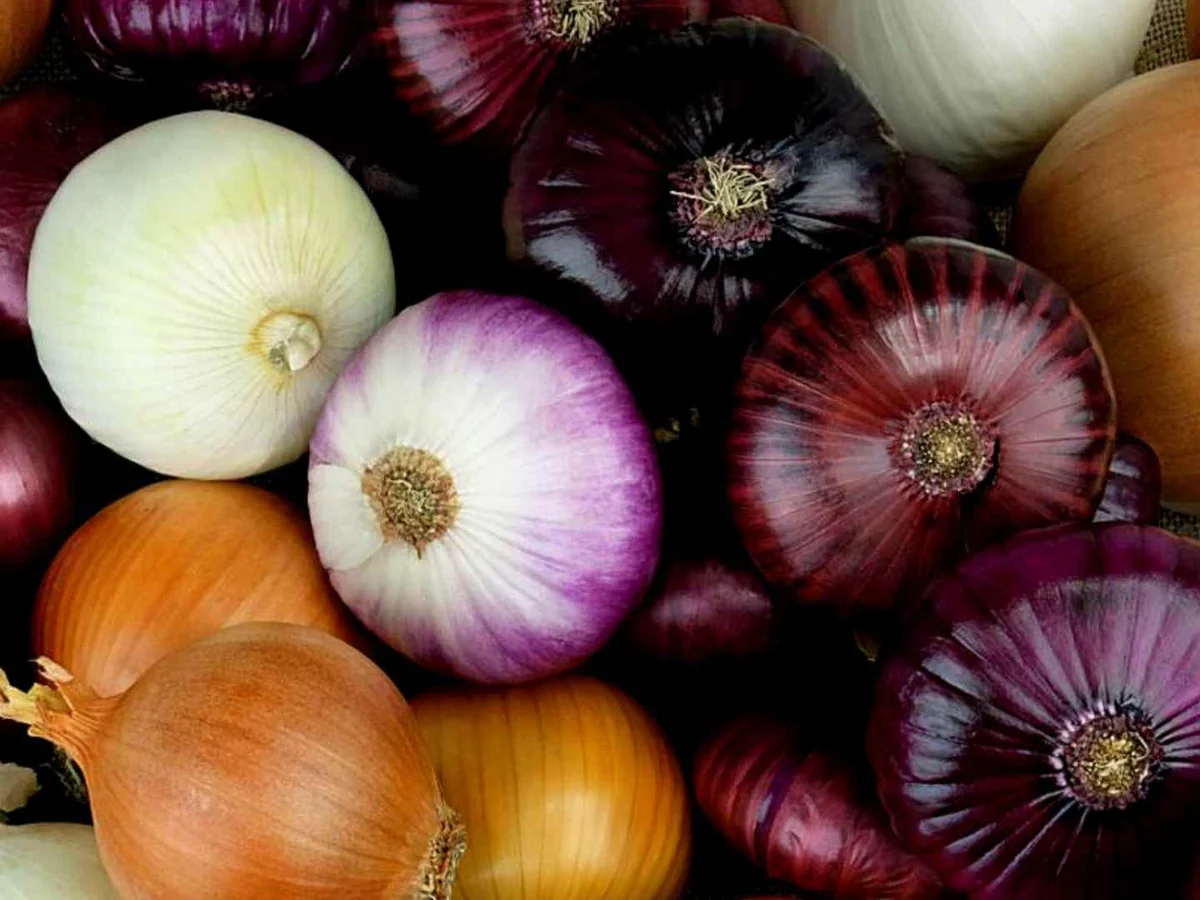
Onions are Allium cepa, part of the same plant group as garlic, chives, leeks, scallions, and shallots. Sulfur-containing oxidants released from disrupted plant tissue can alter hemoglobin and injure red blood cells.
Damaged hemoglobin can form clumps called Heinz bodies inside red blood cells. Those cells become fragile or are removed from circulation, potentially causing hemolytic anemia and reducing oxygen delivery to the body.
The Merck Veterinary Manual review of Allium toxicosis identifies cats as especially susceptible and documents risk from raw, cooked, dehydrated, and granulated products. It also explains that visible illness can lag behind the meal.
This is not simply a case of a spicy vegetable irritating the stomach. Vomiting may occur early, but the larger concern is oxygen-carrying red blood cells quietly taking damage after the kitchen excitement is over.
How much onion is too much?
Do not use a universal slice count as a safety test. The relevant amount changes with the cat’s size and health, onion form and concentration, quantity swallowed, and whether exposure happened once or across several meals.
Powder and dry soup mix concentrate onion into a small volume, while a bite of casserole spreads an unknown amount through sauce and filling. A visible onion cube is not required for exposure.
Merck reports feline toxicosis after less than a teaspoon of cooked onion in a case and after a specified raw-onion dose, but case reports are not permission to feed anything below those examples. Individual susceptibility and product concentration make early professional triage more useful than home arithmetic.
The ASPCA classifies onion as toxic to cats and lists vomiting, red blood cell breakdown, blood in urine, weakness, rapid heart rate, and panting among potential signs. Call ASPCA Animal Poison Control at 888-426-4435 or a veterinarian for case-specific advice, noting that a fee may apply.
Cooking does not fix the problem
Baking, frying, boiling, caramelizing, pressure-cooking, and simmering do not make onion cat-safe. The relevant compounds can remain in the cooked onion and spread into fat, broth, gravy, or the rest of a dish.
Picking out the onion pieces after cooking is therefore not a reliable workaround. The sauce has already mingled, and onion is famously not respectful of plate boundaries.
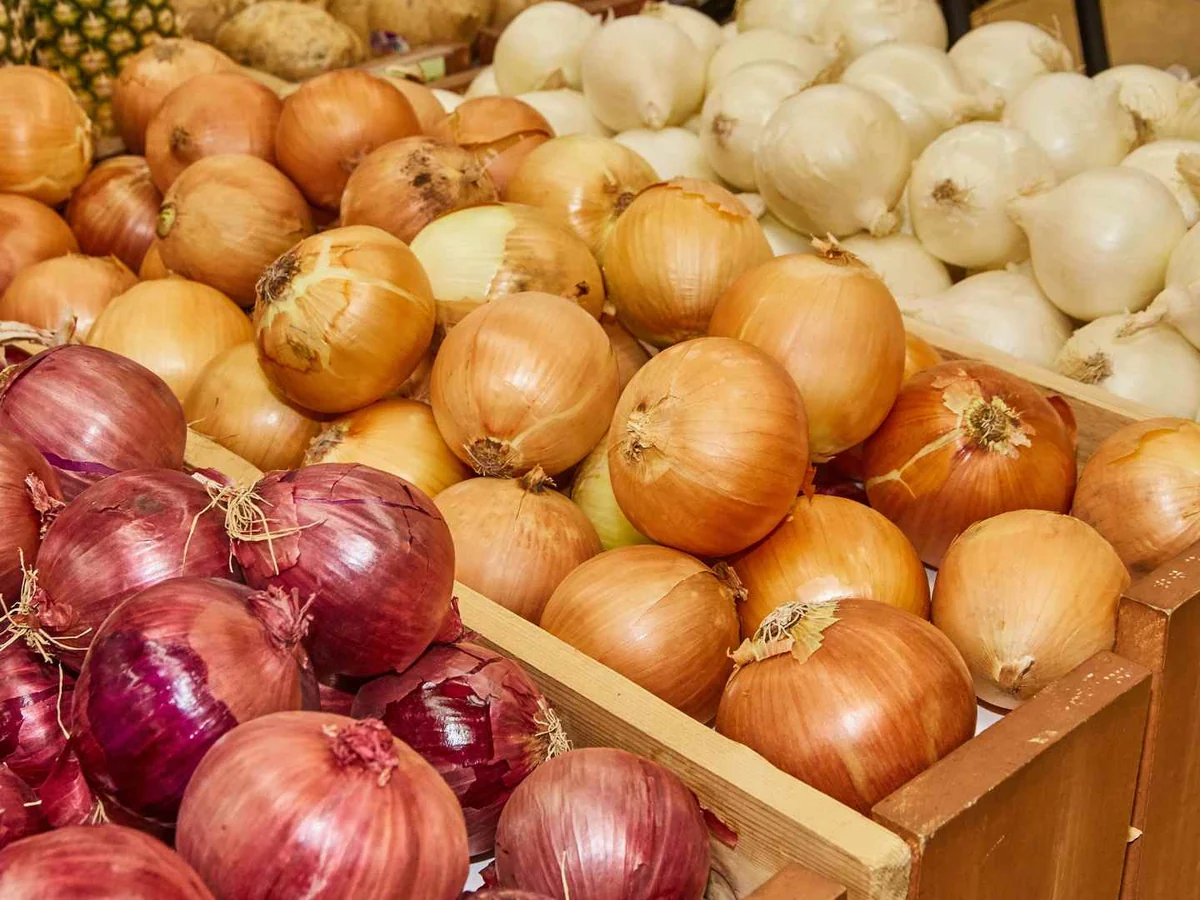
- Raw onion: bulb pieces, chopped onion, juice, skins, scraps, and cutting-board debris all count.
- Cooked onion: caramelized onion, onion rings, roasted onion, and onion cooked into meat remain unsafe.
- Onion powder: a concentrated form common in spice blends, chips, crackers, baby food, stock, and packaged meals.
- Dehydrated onion: flakes, soup mixes, seasoning packets, and dry rubs can deliver meaningful plant material in small pieces.
- Broth and gravy: liquid without visible onion may still contain onion extract, powder, stock concentrate, or cooked-in pieces.
- Onion salt: combines onion with sodium rather than canceling either ingredient.
The foods most likely to fool a helpful human
Meat-based foods can look cat-appropriate while carrying onion in the seasoning. Rotisserie chicken, deli turkey, meatballs, meatloaf, burgers, sausage, gravy, broth, stuffing, tuna salad, and jarred meat baby food deserve a full label check.
Onion also hides in tomato sauce, salsa, curry, soup, bouillon, rice mixes, flavored noodles, savory pies, chips, crackers, hummus, ranch seasoning, and takeout dishes. Restaurant staff may not know every ingredient in a premade base, so unknown seasoning should stay unknown during the call.
A slice of pizza can combine onion powder with garlic, cheese, cured meat, and packaging, which our pizza guide for cats breaks down. Our guides to salami and pickles cover two more places where seasoning is more important than the headline ingredient.
Check pet products too, especially dog treats, shared broths, toppers, supplements, and homemade recipes. A natural label or a picture of meat does not certify a product for cats.
Symptoms may be early, late, or absent at first
Drooling, nausea, vomiting, diarrhea, abdominal discomfort, and reduced appetite may appear around the exposure. A cat can also seem completely normal while oxidative red blood cell changes are developing.
As anemia progresses, possible signs include weakness, unusual sleepiness, hiding, reduced stamina, rapid breathing, a fast heart rate, pale gums, yellow gums or eyes, dark reddish-brown urine, collapse, and death in severe cases. These signs require veterinary attention, with trouble breathing or collapse treated as emergencies.
Checking gums can provide context but cannot rule out early poisoning. Do not delay a call because the gums look pink under one kitchen light or because the cat still accepted a treat.
What a veterinary team may check
The clinician may recommend examination and decontamination after a recent meaningful exposure, using cat-appropriate medication and monitoring. Treatment choices depend on timing, amount, symptoms, and the cat’s health rather than a generic internet checklist.
Blood work may include red blood cell counts and indices, a blood smear for Heinz bodies, and tests that assess bilirubin, kidney function, and other effects. Repeat testing can be useful because a sample collected very early may precede clinically important anemia.
Supportive care may include intravenous fluids, oxygen, medication for gastrointestinal signs, and close monitoring. Severe hemolytic anemia can require a transfusion, which is one reason to seek advice before the cat becomes obviously weak.
A controlled feline study indexed by PubMed found increased Heinz body formation in cats fed baby food containing onion powder, with a dose response in the longer feeding experiment. The study supports avoiding onion-powder products but should not be turned into a home safe-dose chart.
Who needs an especially quick call?
Kittens have small bodies and little room for dietary mistakes, while senior cats and cats with anemia, kidney disease, liver disease, heart disease, respiratory disease, or another source of oxidative stress may have less reserve. Pregnant and nursing cats also need dependable nutrition without unapproved supplements or folk remedies.
Repeated tastes across days deserve special attention because damage can accumulate. Mention the gravy lick on Monday and the baby-food spoon on Wednesday instead of treating each as an isolated nibble.
Onion is not a health supplement for cats
Claims that a tiny amount of onion supports immunity or repels parasites do not justify exposing a cat’s red blood cells to an oxidant. Human nutrition headlines cannot be pasted onto feline metabolism.
Do not use antioxidants or supplements as a home antidote either. Another feline study found minimal protective effect from tested antioxidant supplementation against Heinz body anemia, and the treatment of an individual poisoning belongs with a veterinarian.
How to keep onion out of reach
- Store bulbs, powder, soup mix, and seasoning blends in closed cabinets rather than on open shelves.
- Put peels, roots, chopping scraps, and takeout leftovers directly into a lidded bin.
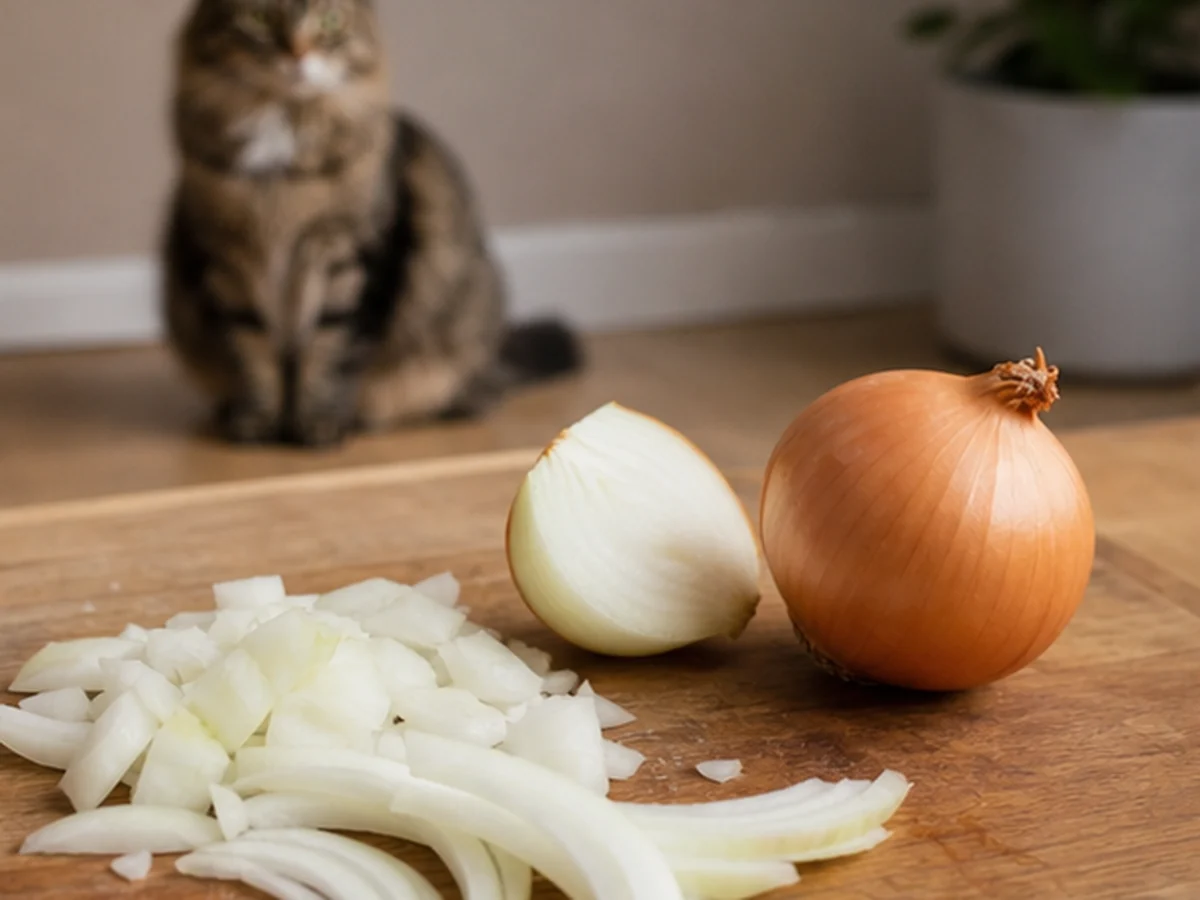
- Keep the cat out of the cooking area while chopping because a translucent onion sliver disappears beautifully on a pale floor.
- Ask guests and children not to share meat, gravy, chips, or casserole without checking the recipe.
- Read every component of meal kits, including the spice packet, stock concentrate, sauce, and garnish.
- Keep packaging until cleanup so the ingredient panel, lot code, and manufacturer contact remain available.
A food puzzle filled with part of the cat’s normal ration can relocate a dedicated kitchen supervisor during meal prep. The trick is to replace access, not to rely on the moral authority of the word no.
Safer flavor is usually no flavor
Cats do not need onion, garlic, salt, herbs, or sauce added to complete food. If appetite drops, warm wet cat food slightly, check freshness and bowl cleanliness, and contact the veterinarian if refusal persists.
Many healthy cats can have a crumb of plain, fully cooked egg as an occasional treat when the veterinarian has no objection. Our boiled egg guide covers portions, doneness, and storage without turning the snack into a seasoned brunch.
Frequently asked questions
Can cats eat cooked onions?
No. Heat does not make onion cat-safe, and the compounds can spread through broth, gravy, oil, and the rest of the dish.
Is onion powder dangerous to cats?
Yes. It is concentrated, easy to hide in savory foods, and has produced dose-related Heinz body changes in controlled feline research.
My cat licked onion gravy but looks fine. Should I call?
Yes, call with the label or recipe because concentration may be unknown and anemia can be delayed. Report how much gravy is missing, when it happened, and whether garlic was also present.
Are scallions, chives, leeks, and shallots safer?
No. They are Allium plants and can cause related oxidative red blood cell injury, so they are not suitable substitutions.
The bottom line
Onion is unsafe for cats whether it is raw, cooked, powdered, dehydrated, or dissolved into a recipe. Remove access, save the evidence, and call promptly because the cat may look perfectly normal before delayed anemia announces the problem.